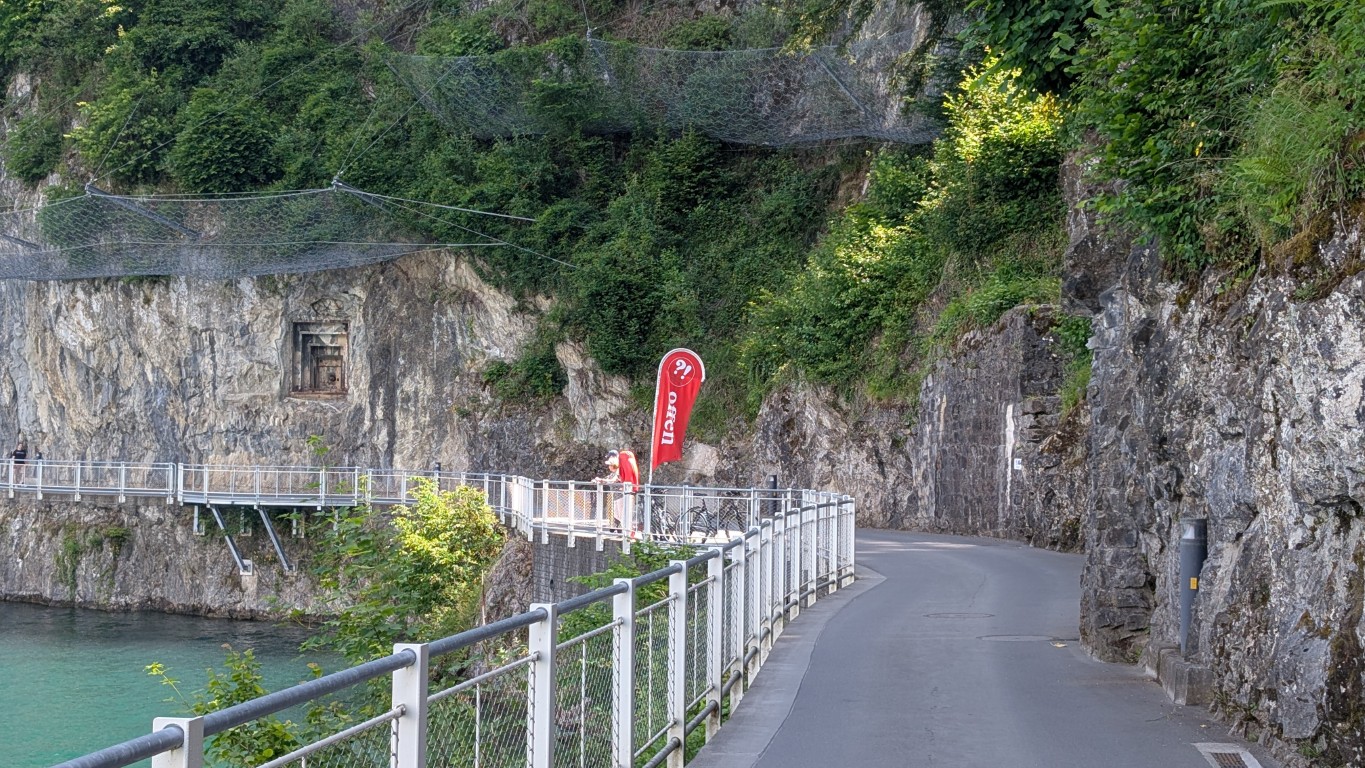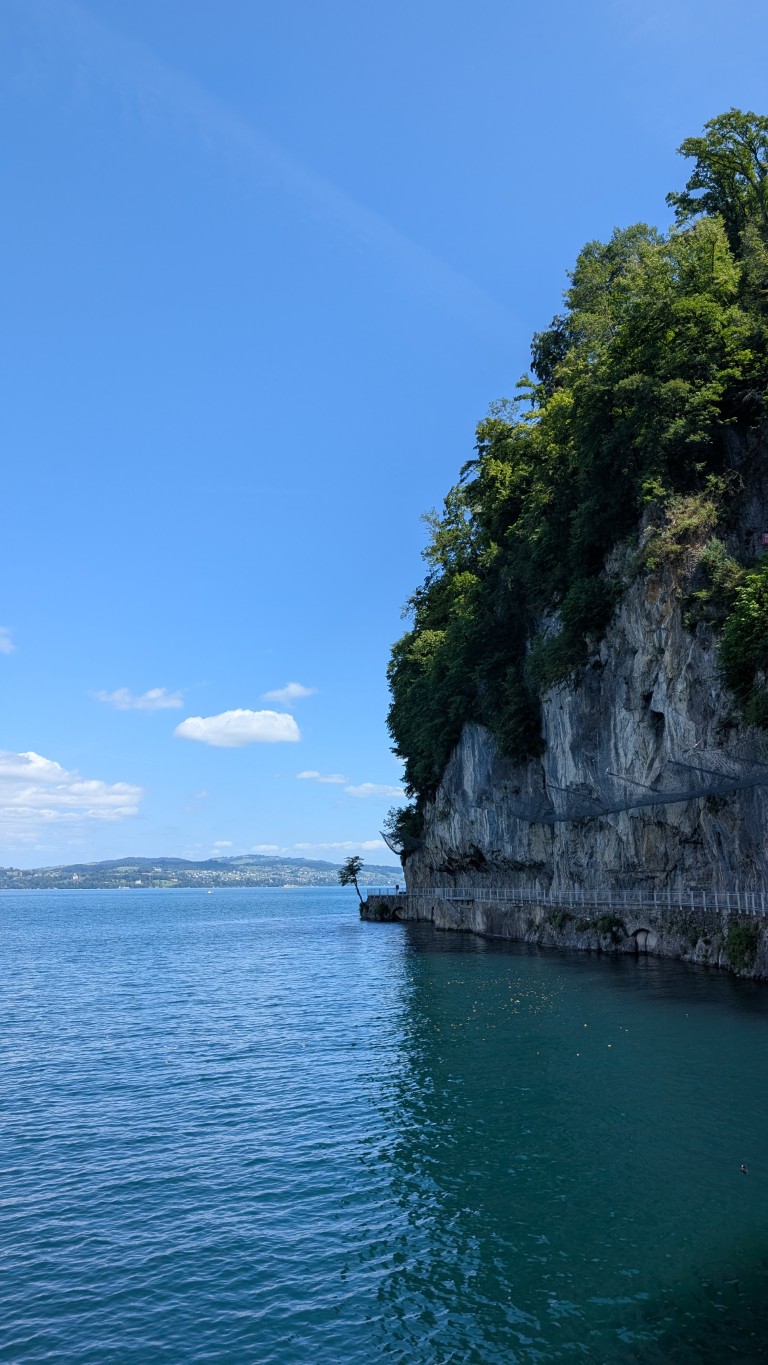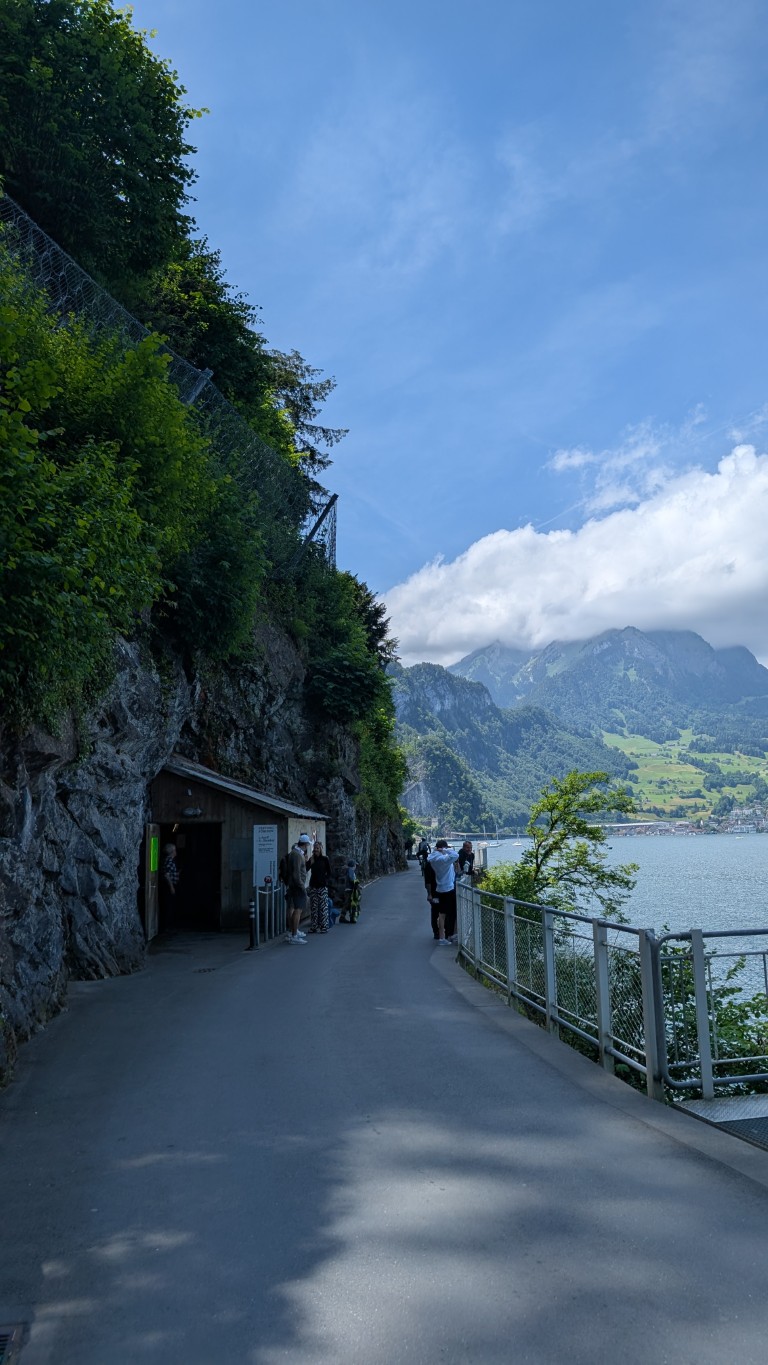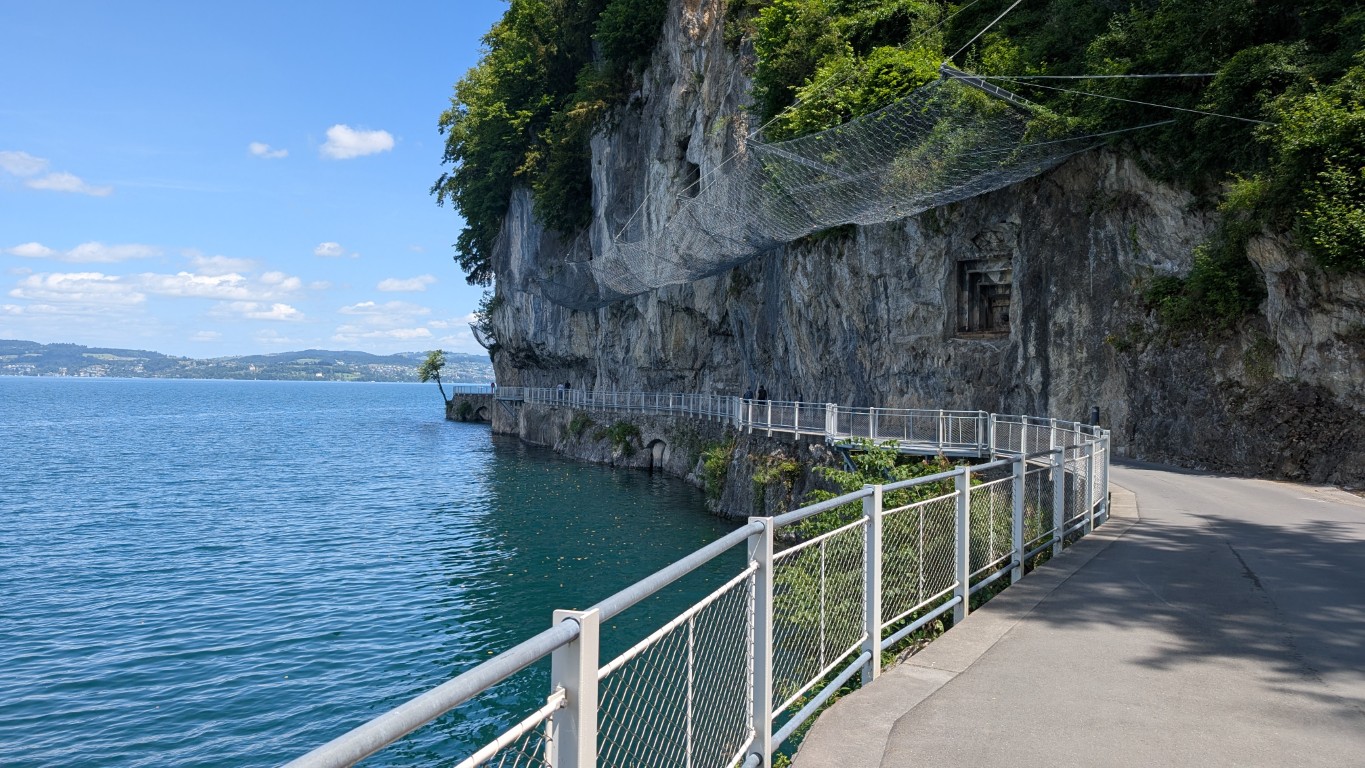
Anyone traveling along the lakeside road from Stansstad to Kehrsiten would hardly suspect the secret hidden behind the steep cliffs of Lake Lucerne. Some of these cliffs aren't real at all. Concealed behind a cleverly designed camouflage facade is the Fürigen Fortress – an impressive time capsule from the Second World War and today one of the most fascinating military museums in Central Switzerland.
A hidden bulwark in the heart of the Swiss Redoubt
The Fürigen fortress was built into the rocks of the Bürgenstock mountain between 1941 and 1942. At a time when Switzerland feared a possible invasion by the German Wehrmacht, the army leadership developed the strategy of the so-called National Redoubt. This strategy involved a large part of the army retreating into the Alps and defending the most important transport routes and access points from there.
Fürigen was part of this massive defense system. Its task was to secure the strategically important bottlenecks near Stansstad and the crossing over the Rengg Pass. Together with other fortresses in Nidwalden and Obwalden, it formed a key component of the national defense strategy.
Life in the mountains
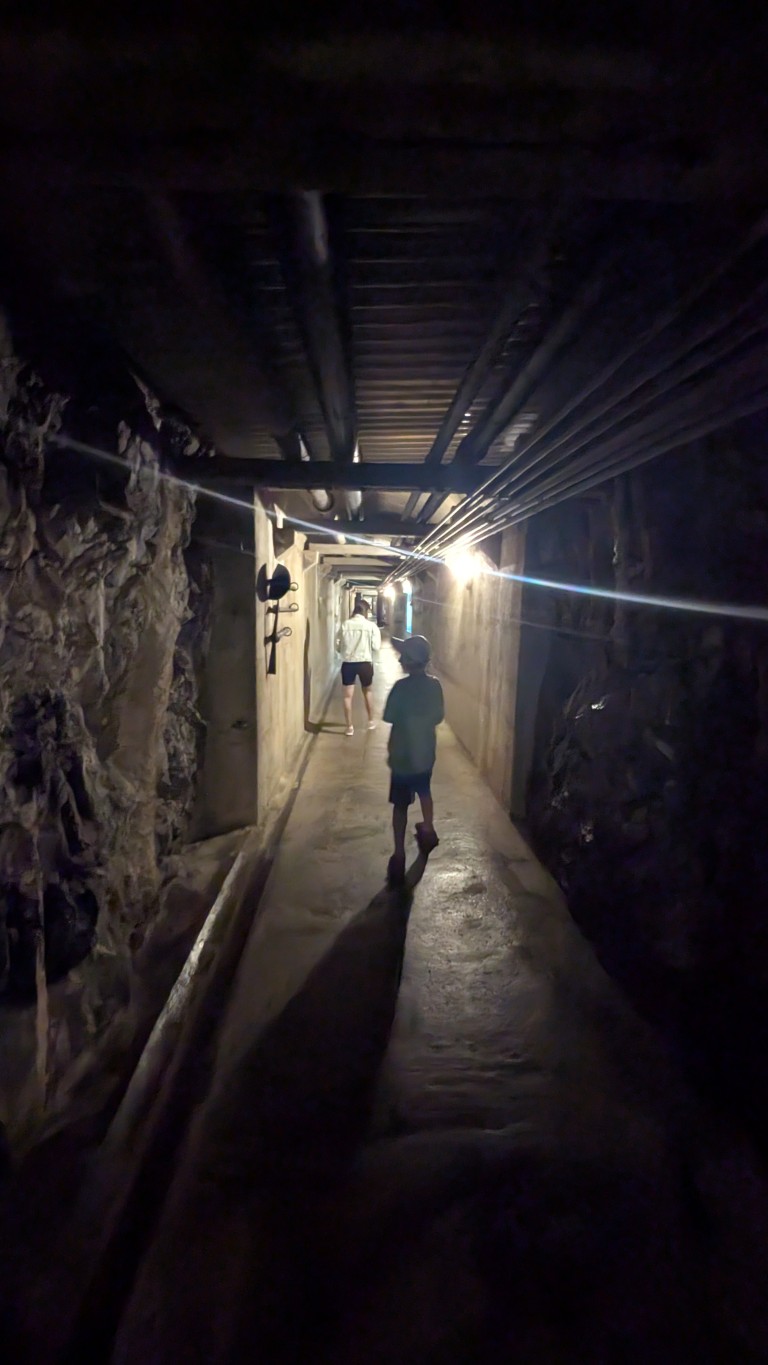
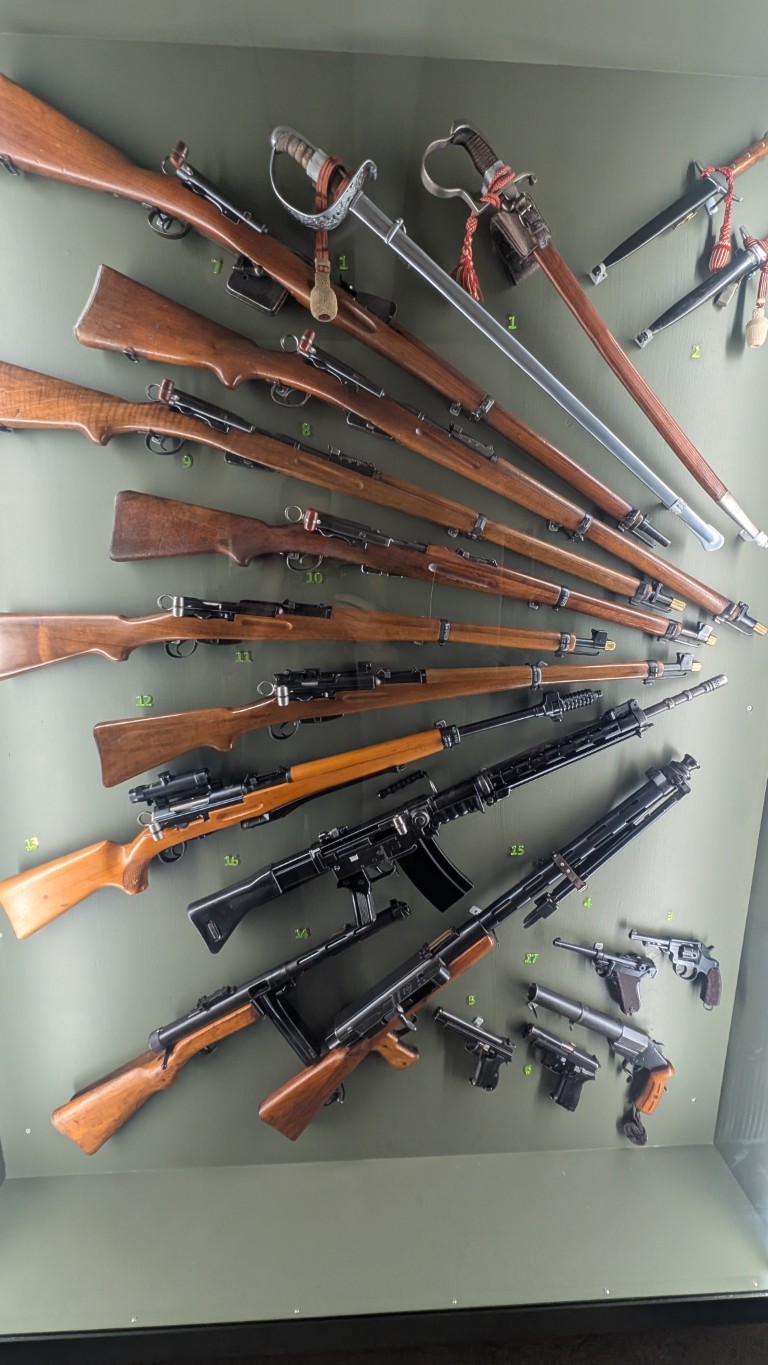
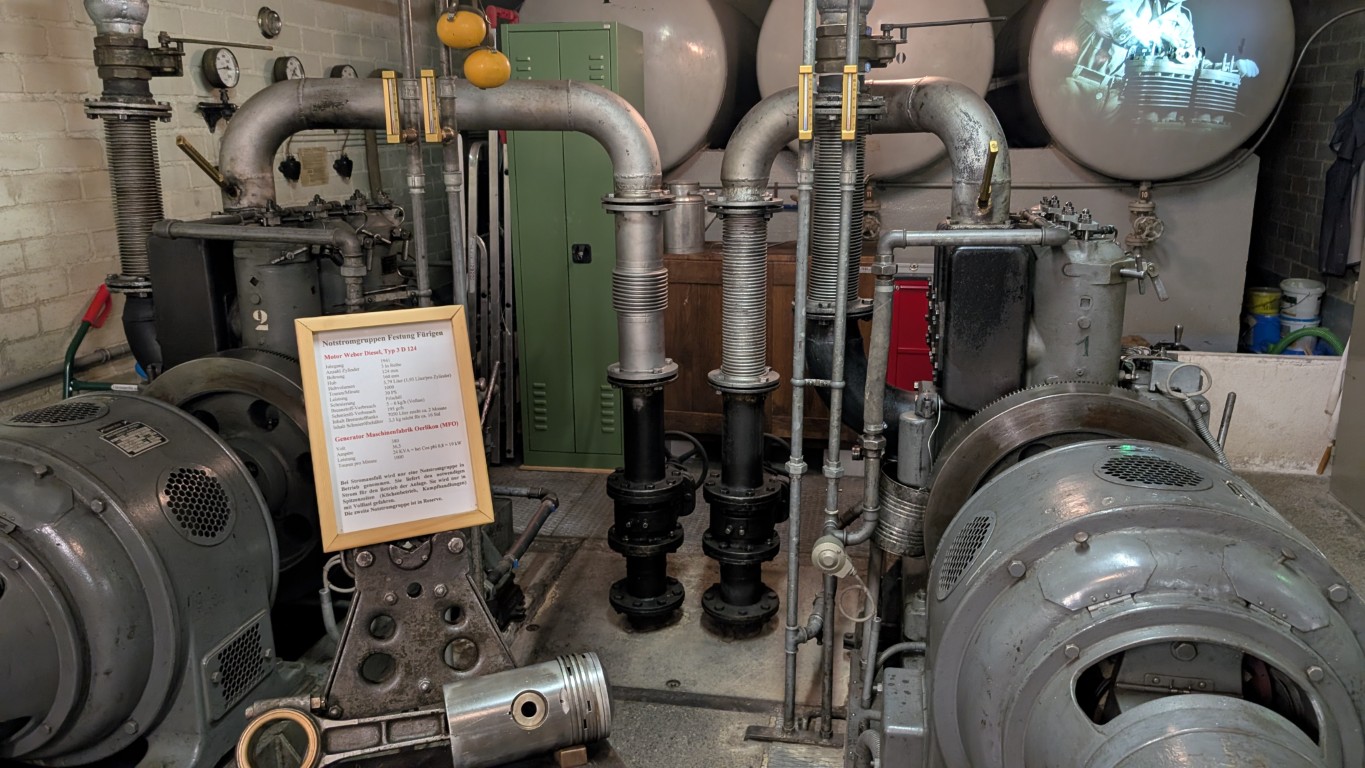
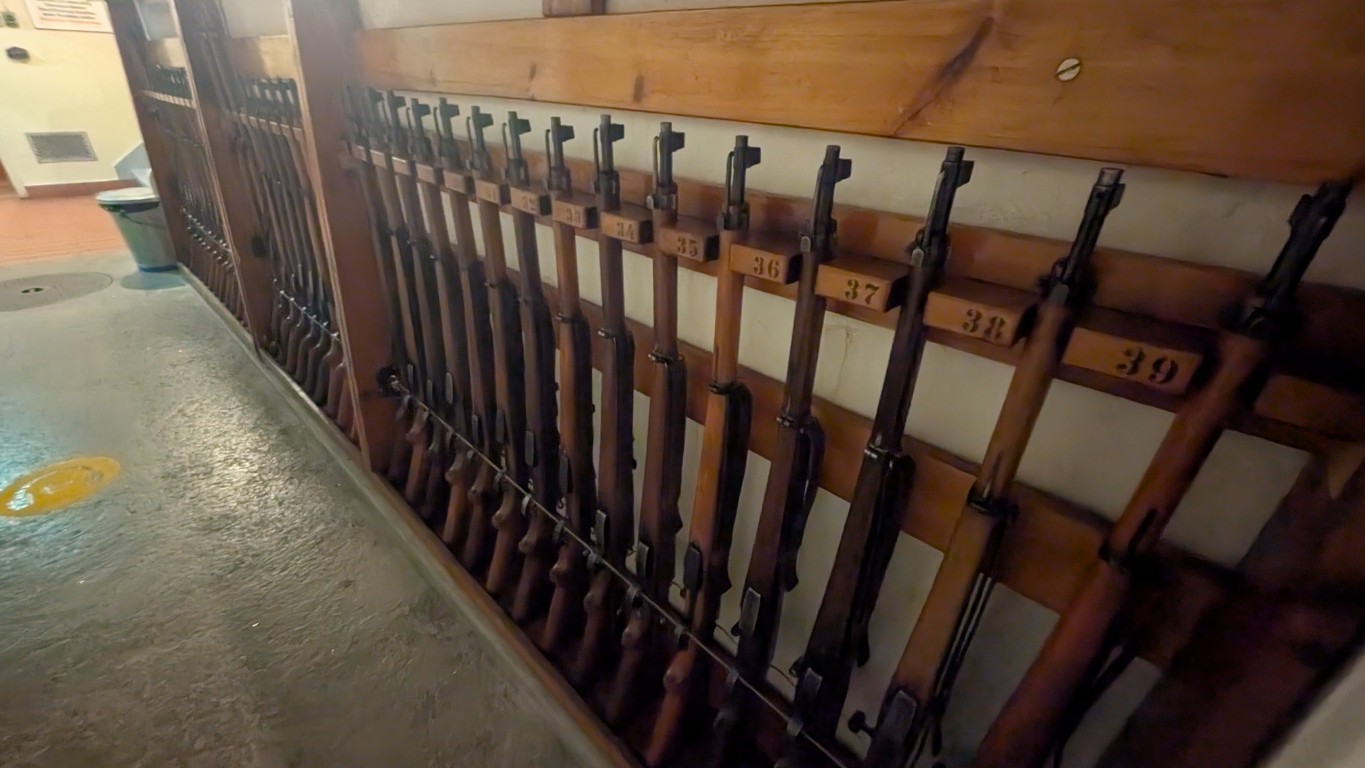
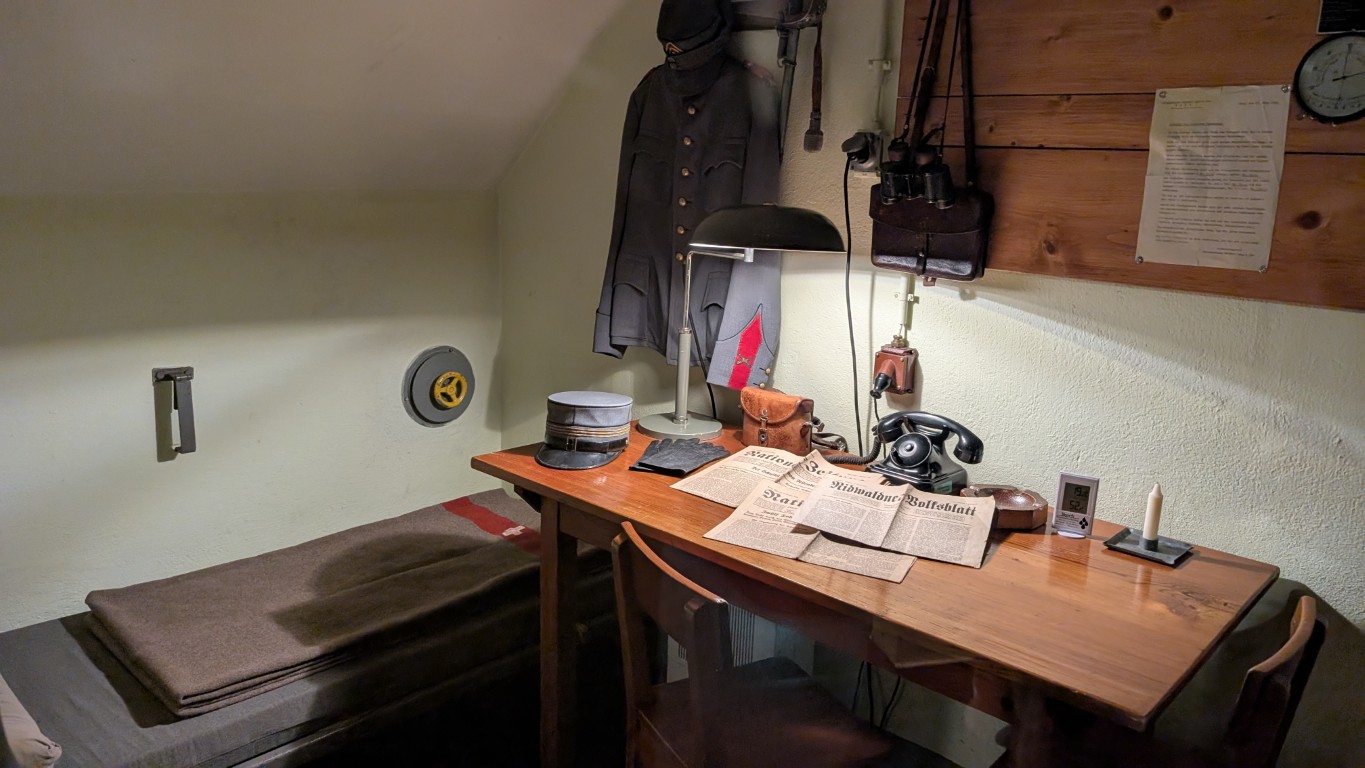
Today, the fortress offers an authentic glimpse into the daily lives of soldiers during active duty. The rooms and facilities have been largely preserved in their original condition. Visitors enter an underground world of concrete, steel, and narrow passageways that extends approximately 200 meters deep into the mountain.
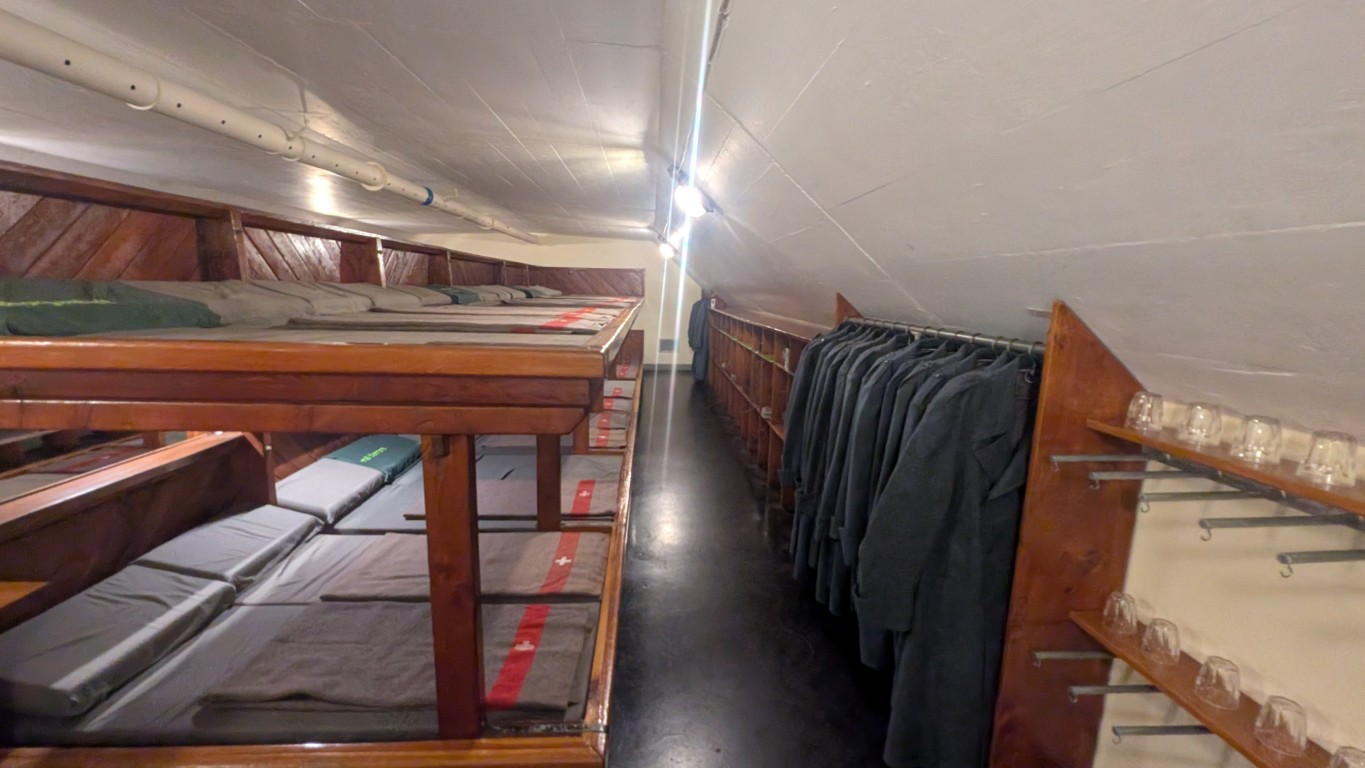
The complex included fighting positions, ammunition depots, sleeping quarters, offices, a kitchen, and even a small hospital. Around 80 soldiers were stationed there. Since there were only 52 sleeping berths available for the troops, they slept on a rotating basis. The fortress had a month's supply of food and its own water supply via a seawater pump.
Particularly striking is the idea that the soldiers could have operated for weeks cut off from the outside world – protected behind meters of concrete and hidden from the eyes of potential attackers.
Heavy artillery inside the mountain
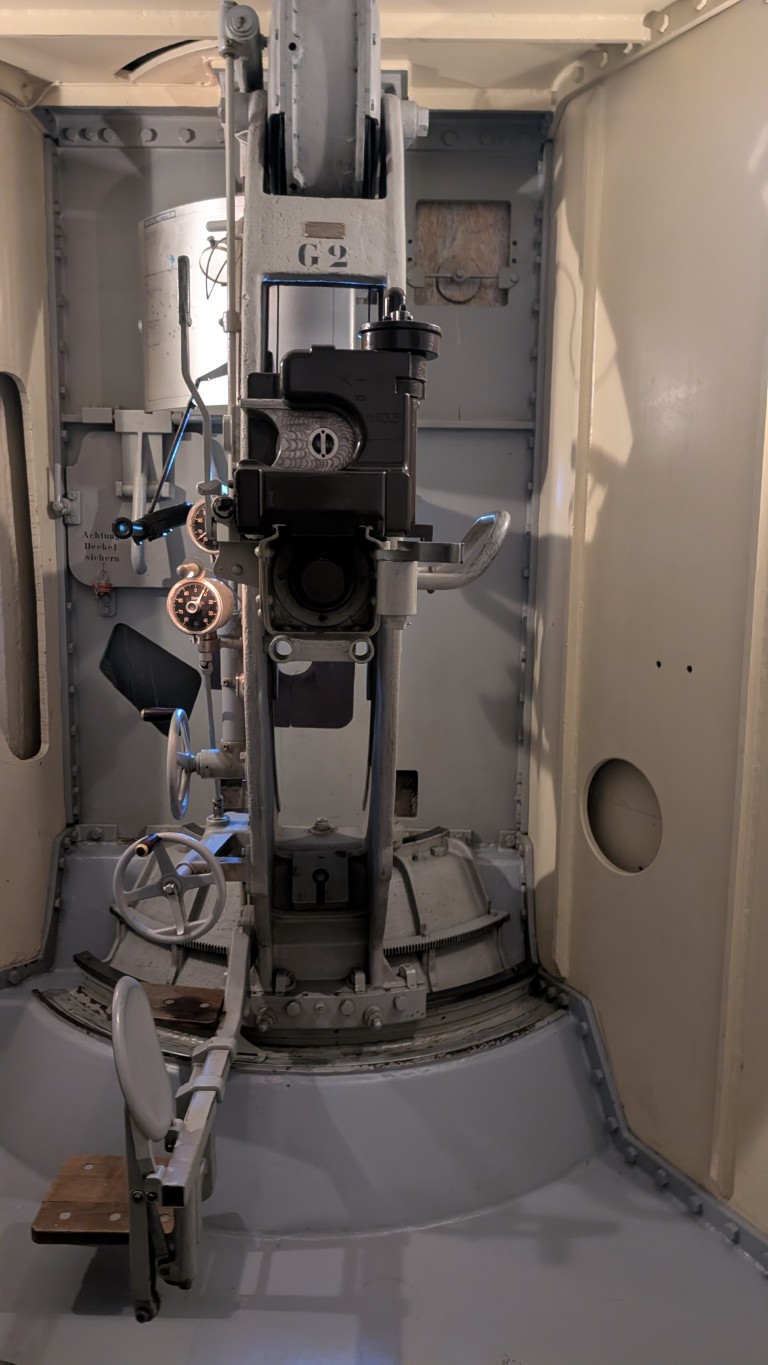
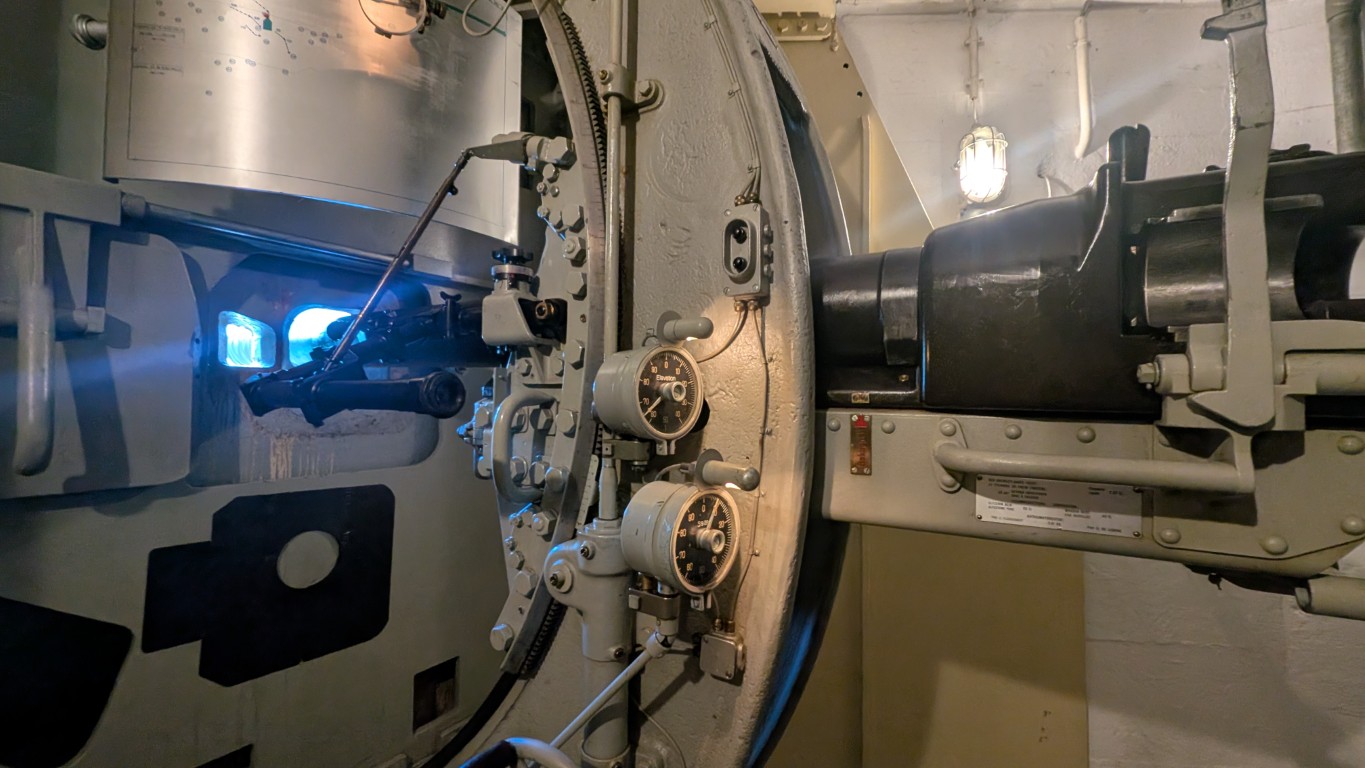
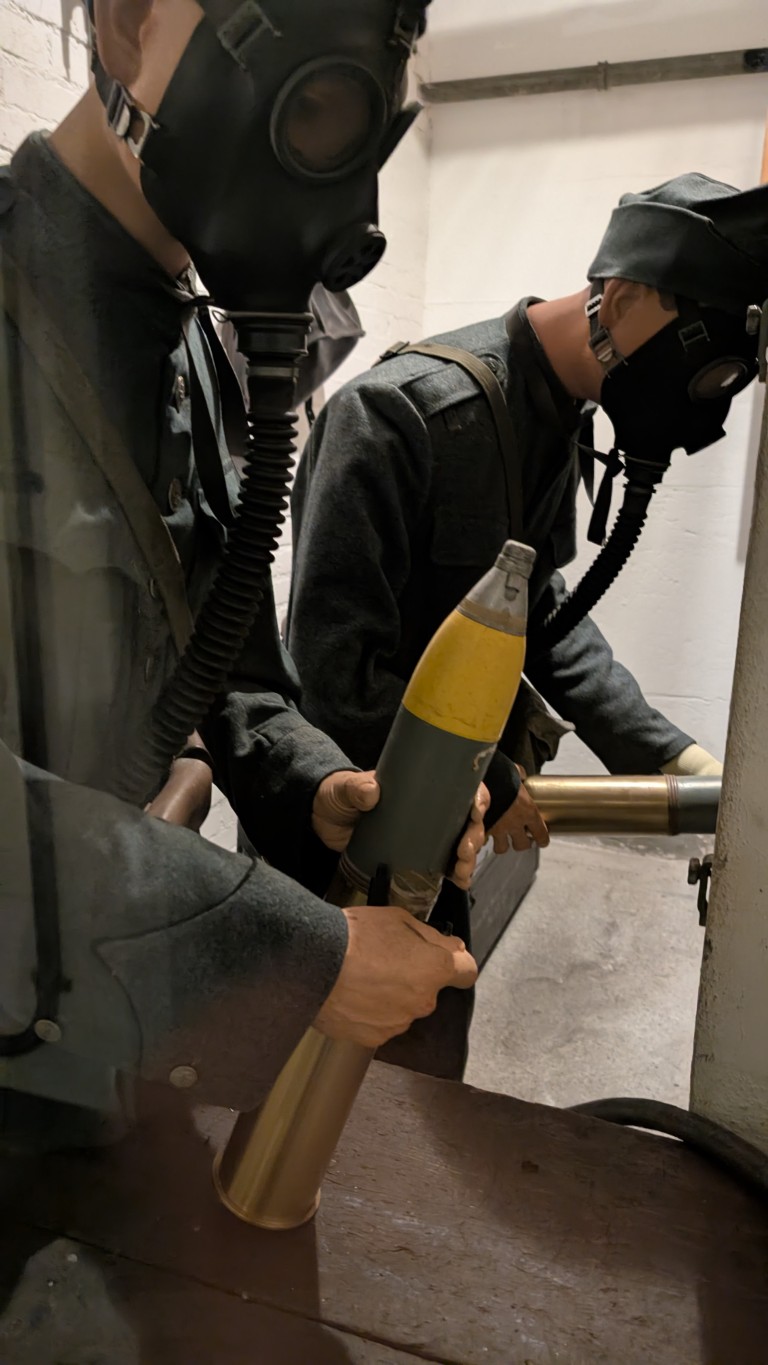
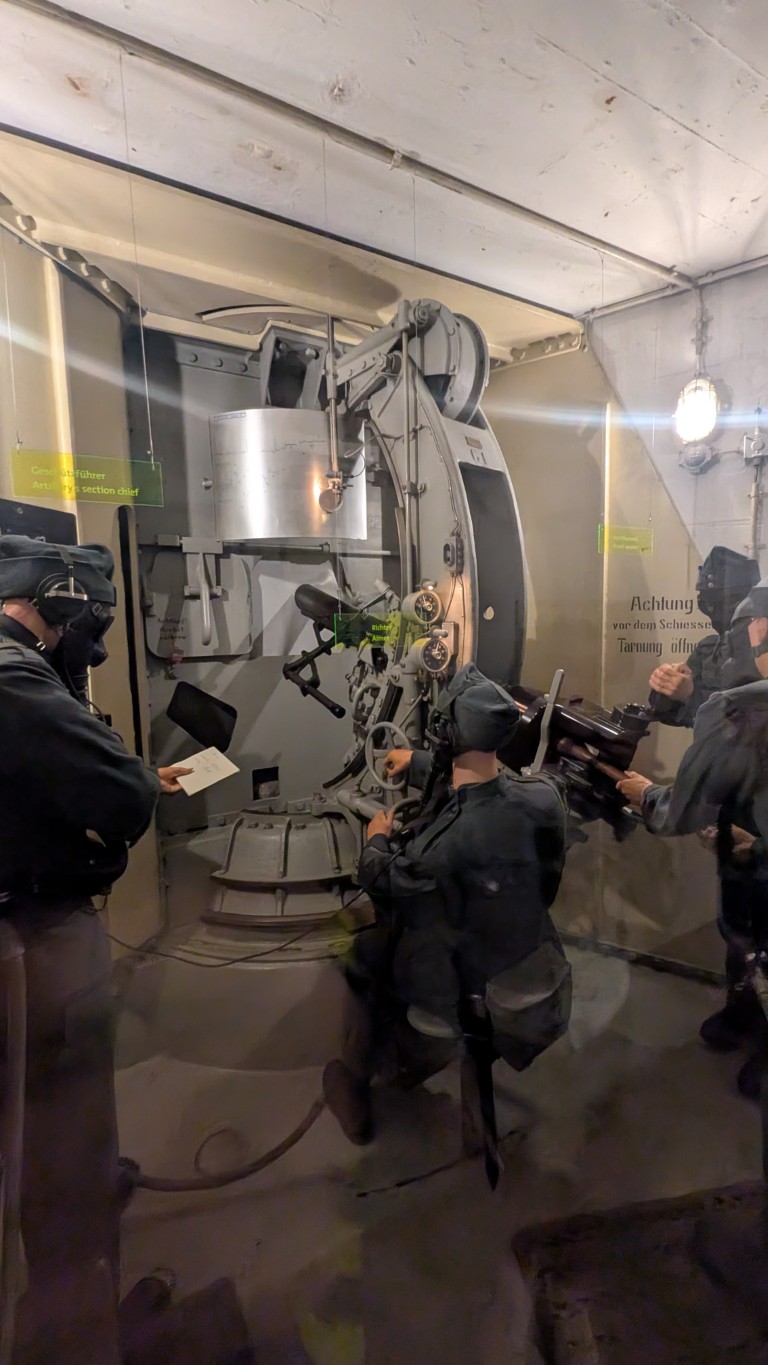
The centerpiece of the fortress consisted of two 7.5-centimeter BK 39 type fortification guns. These guns were aimed at the areas around Stansstad and Hergiswil and could engage targets at a range of up to twelve kilometers. With a rate of fire of up to fifteen rounds per minute, the installation possessed considerable firepower.
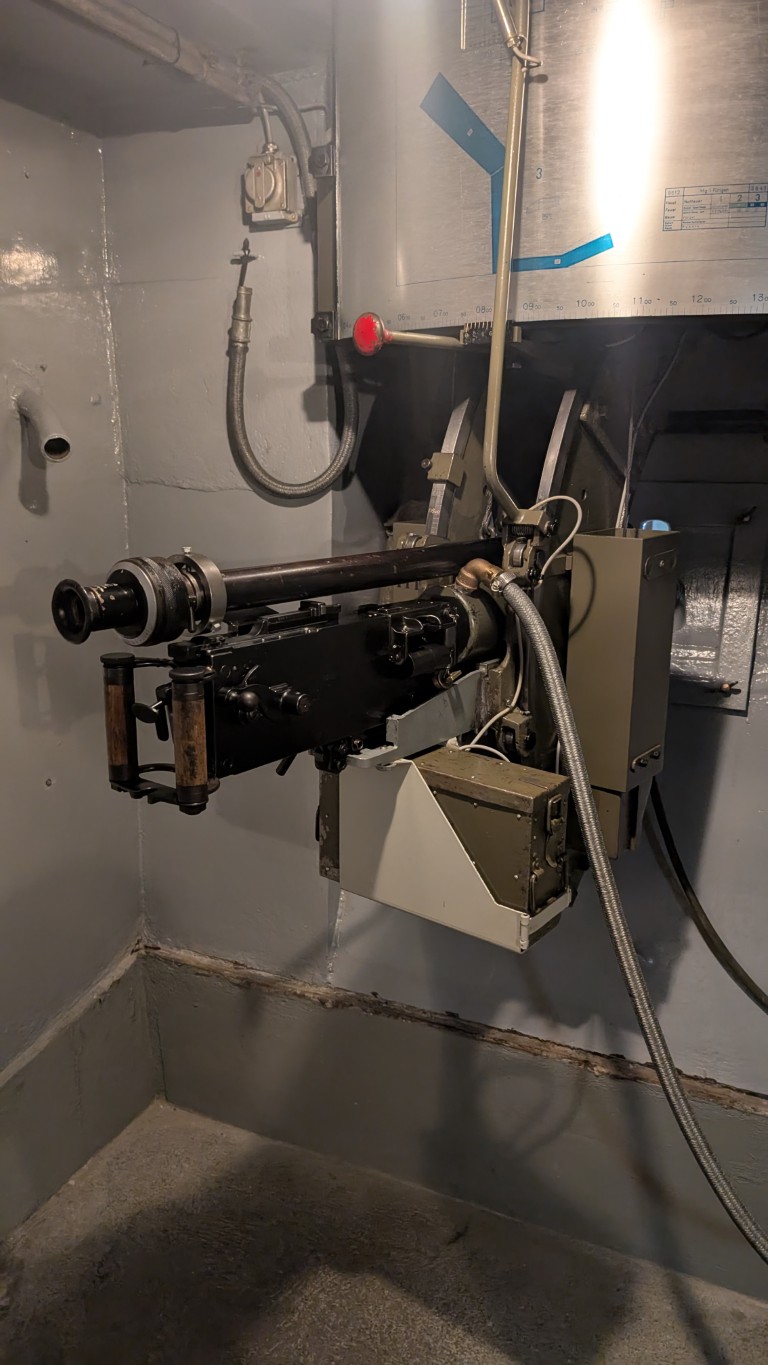
The cannons were supplemented by several machine gun emplacements and a powerful searchlight for observing the terrain. Additionally, hidden explosive charges were installed in the access road, which could be detonated in an emergency to block access to the fortress.
From secret object to museum
After the end of World War II, the fortress remained of military importance. The tensions of the Cold War and the fear of a potential nuclear conflict ensured that the facility was kept operational until the 1980s.
The fortress was only decommissioned by the Swiss Army in 1987. Four years later, it opened its doors to the public as one of the first modern fortress museums in Switzerland. Today, it belongs to the Nidwalden Museum and offers a unique glimpse behind the scenes of Swiss national defense.
An exciting excursion destination on Lake Lucerne
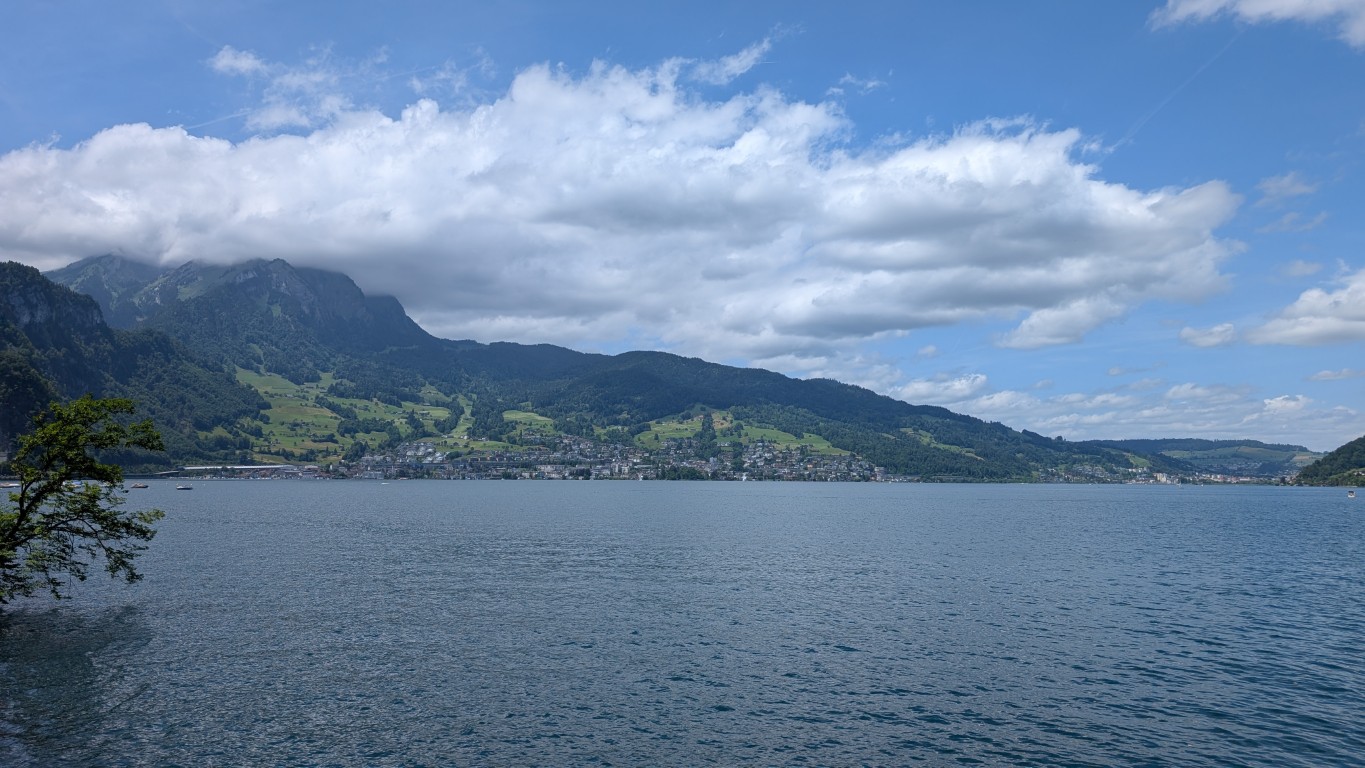
Fürigen Fortress sits at 436 meters above sea level on the western foot of the Bürgenstock mountain, directly overlooking Lake Lucerne. Even the drive along the picturesque lakeside road makes the visit an experience in itself. Inside, guests are greeted by a fascinating blend of history, technology, and a bygone era atmosphere.
Those who explore the narrow tunnels, the original gun emplacements, and the preserved troop quarters gain a vivid insight into a time when Switzerland prepared for a potential emergency. The fortress serves as a reminder not only of military strategies but also of a country's efforts to protect its population in an uncertain era.
Visitor information
Fürigen Fortress is open from April to October. Guided tours can be arranged directly with the museum upon request and offer in-depth insights into the history and function of the complex.
A visit is worthwhile for history buffs, families, technology enthusiasts, or anyone who wants to discover a hidden piece of Swiss history. Behind the unassuming rock face on the shores of Lake Lucerne lies a world that was top secret for decades – and is more fascinating today than ever.