There are places whose special atmosphere is difficult to put into words. Flüeli-Ranft in the canton of Obwalden is one of them. Situated high above the entrance to the Melch Valley, surrounded by the striking peaks of Central Switzerland, this small village combines breathtaking landscapes with a history that extends far beyond the country's borders. Visitors here encounter not only one of the most important figures in Swiss history, but also a place of peace and reflection.
A village with an exceptional location
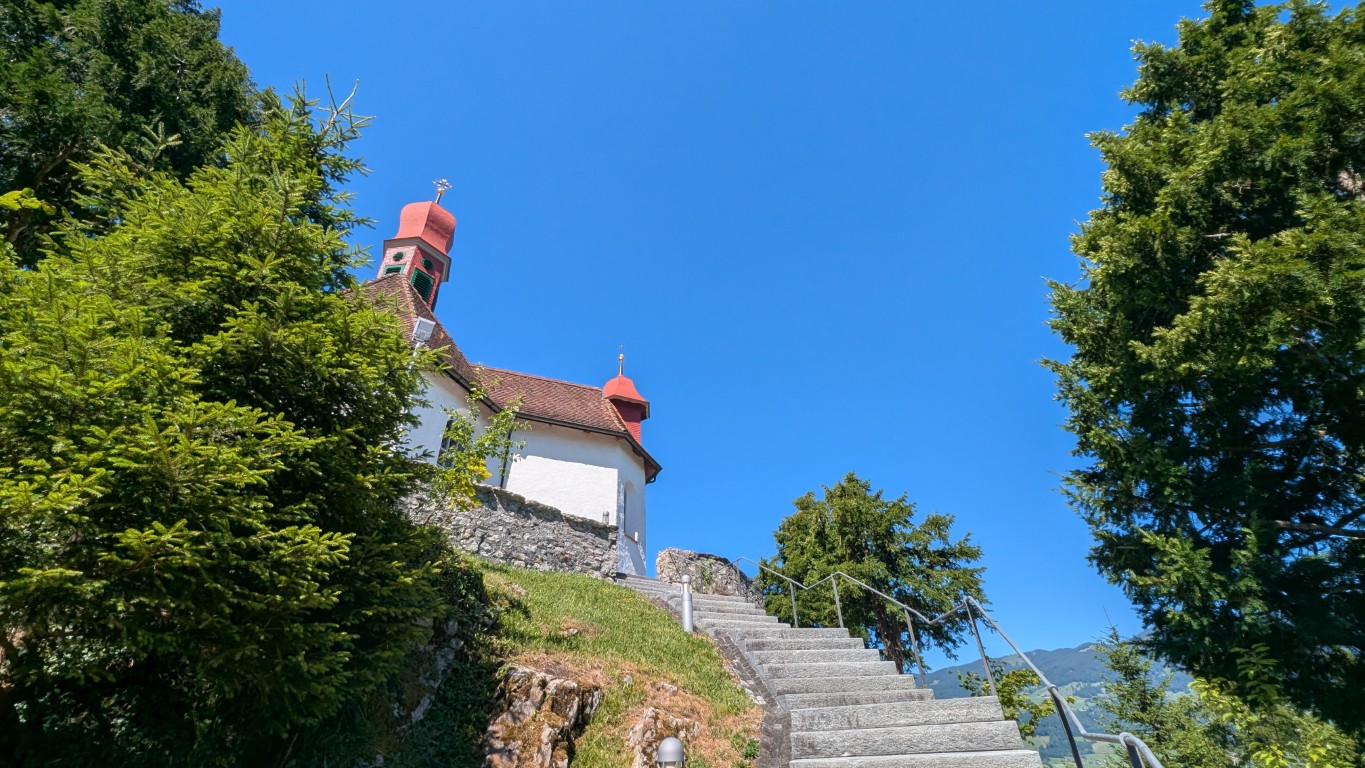
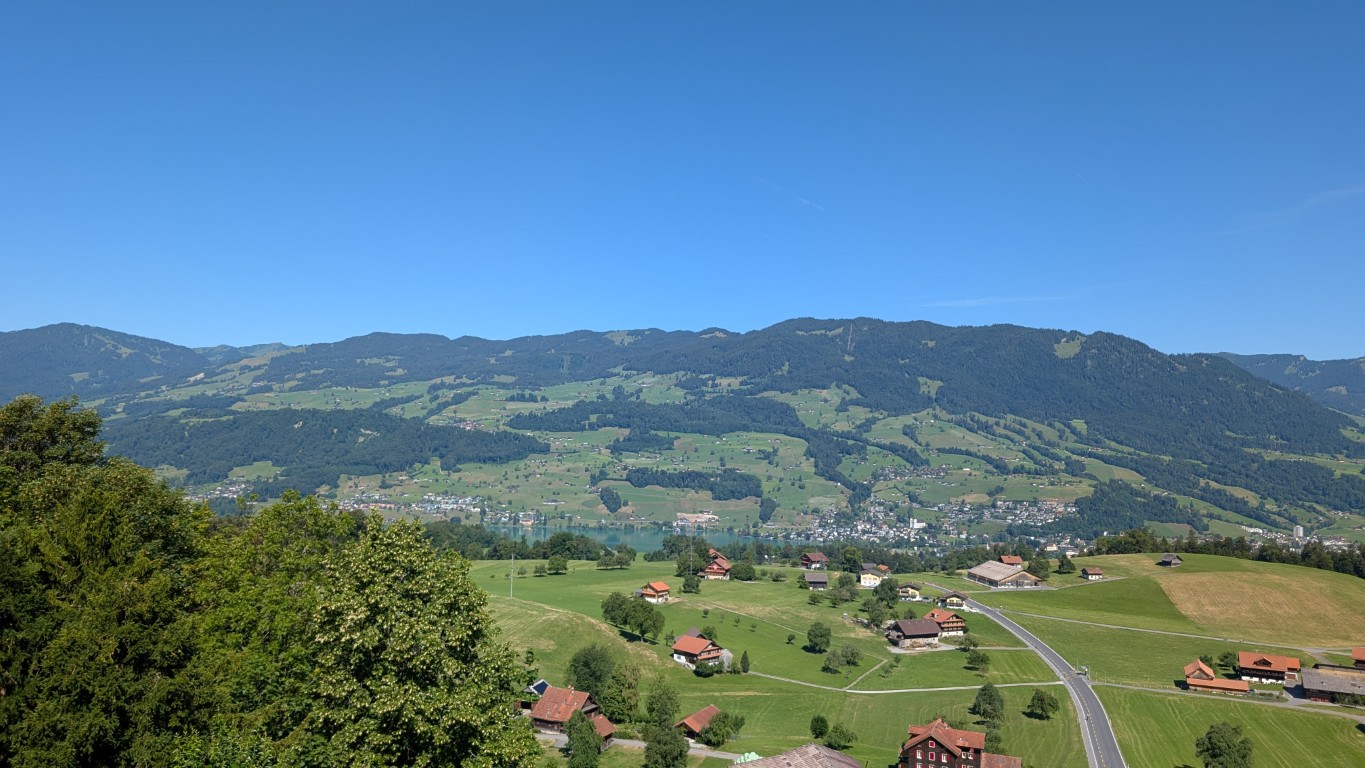
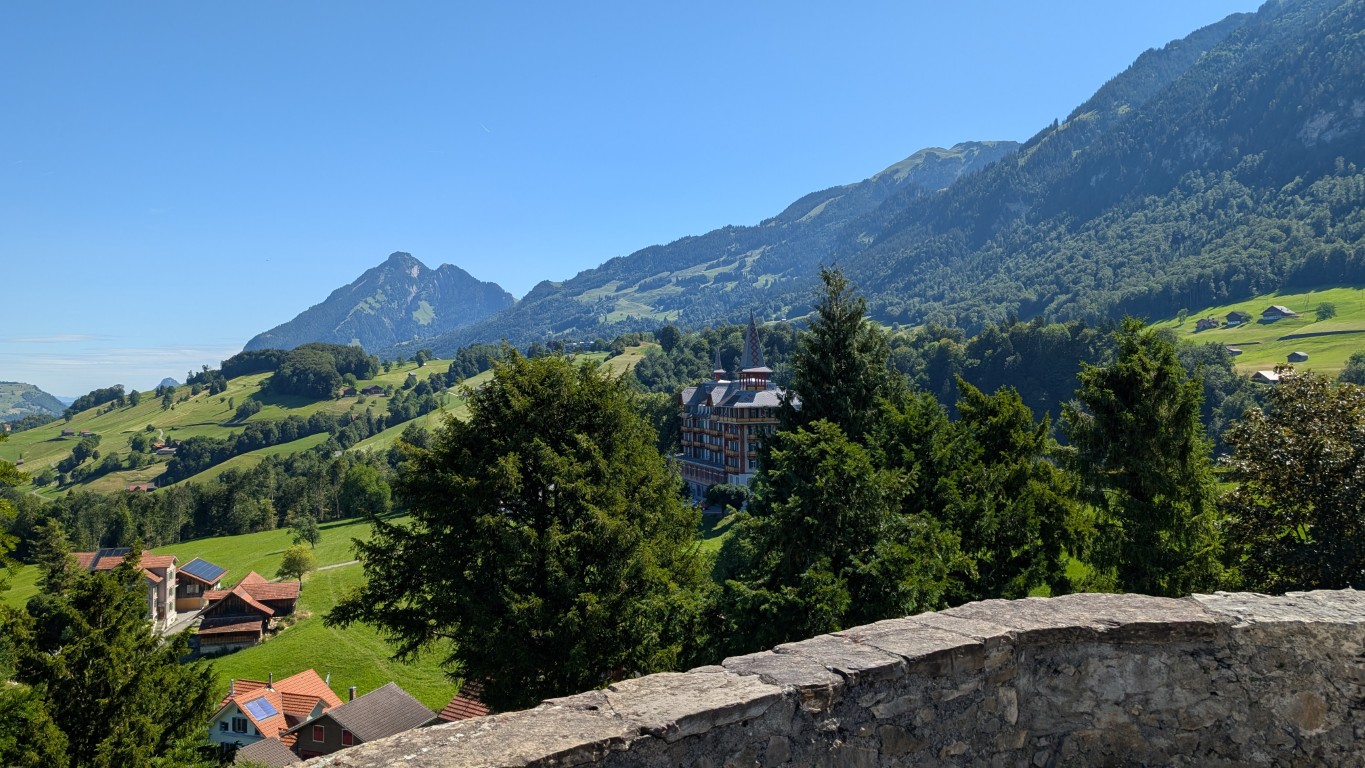
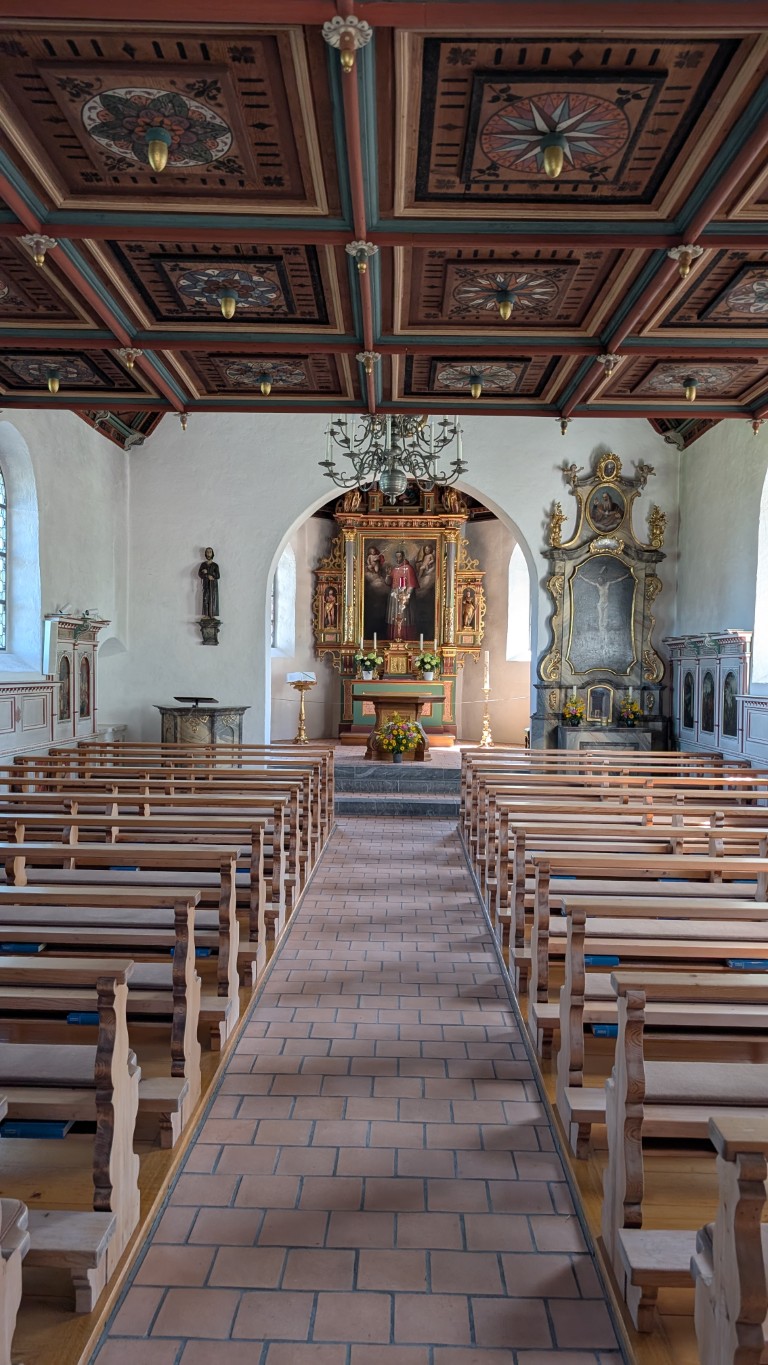
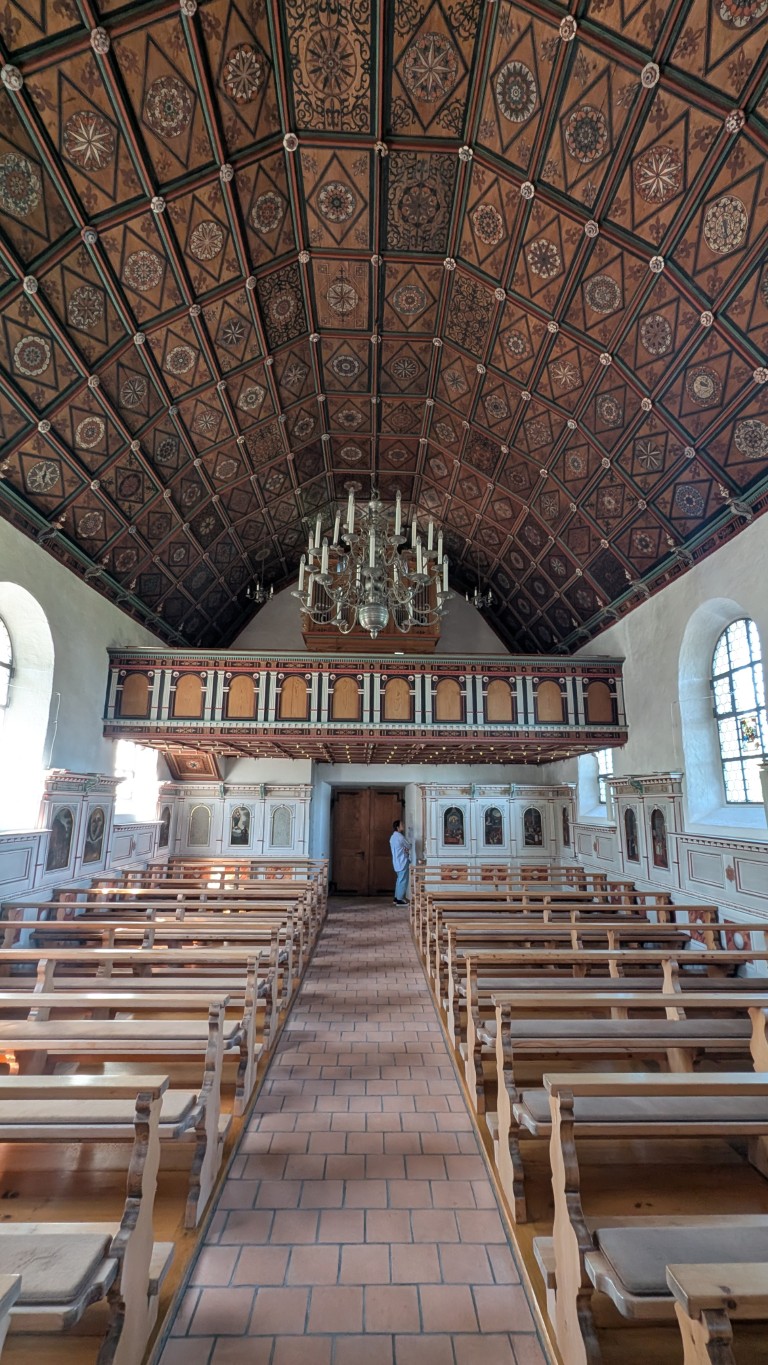
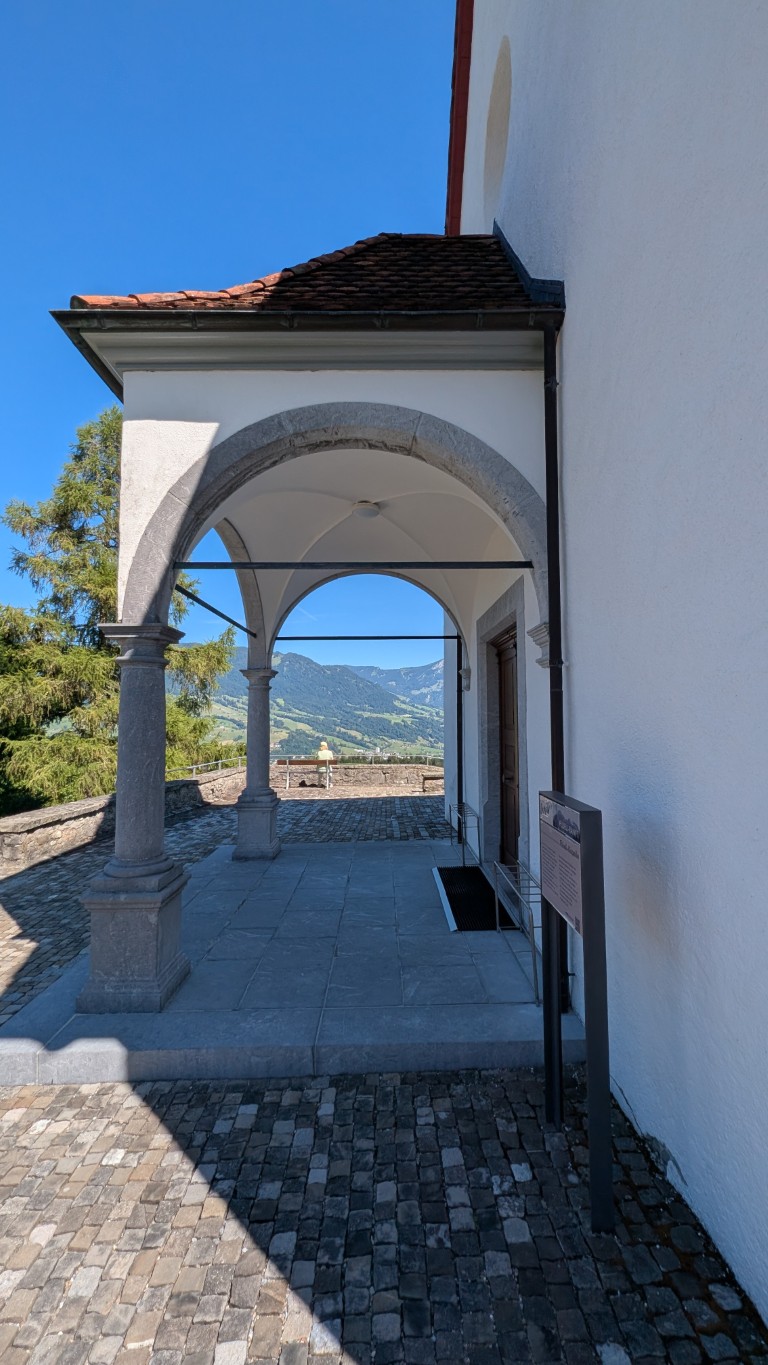
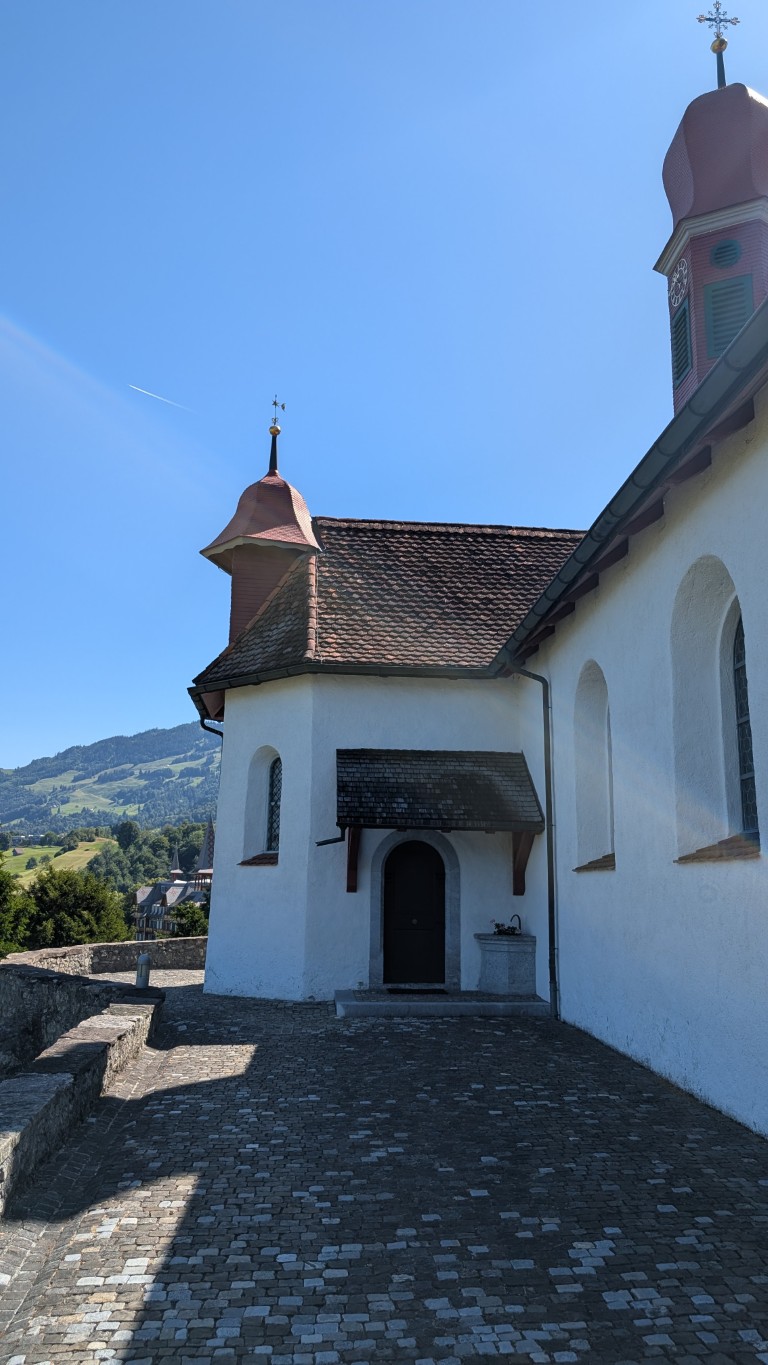
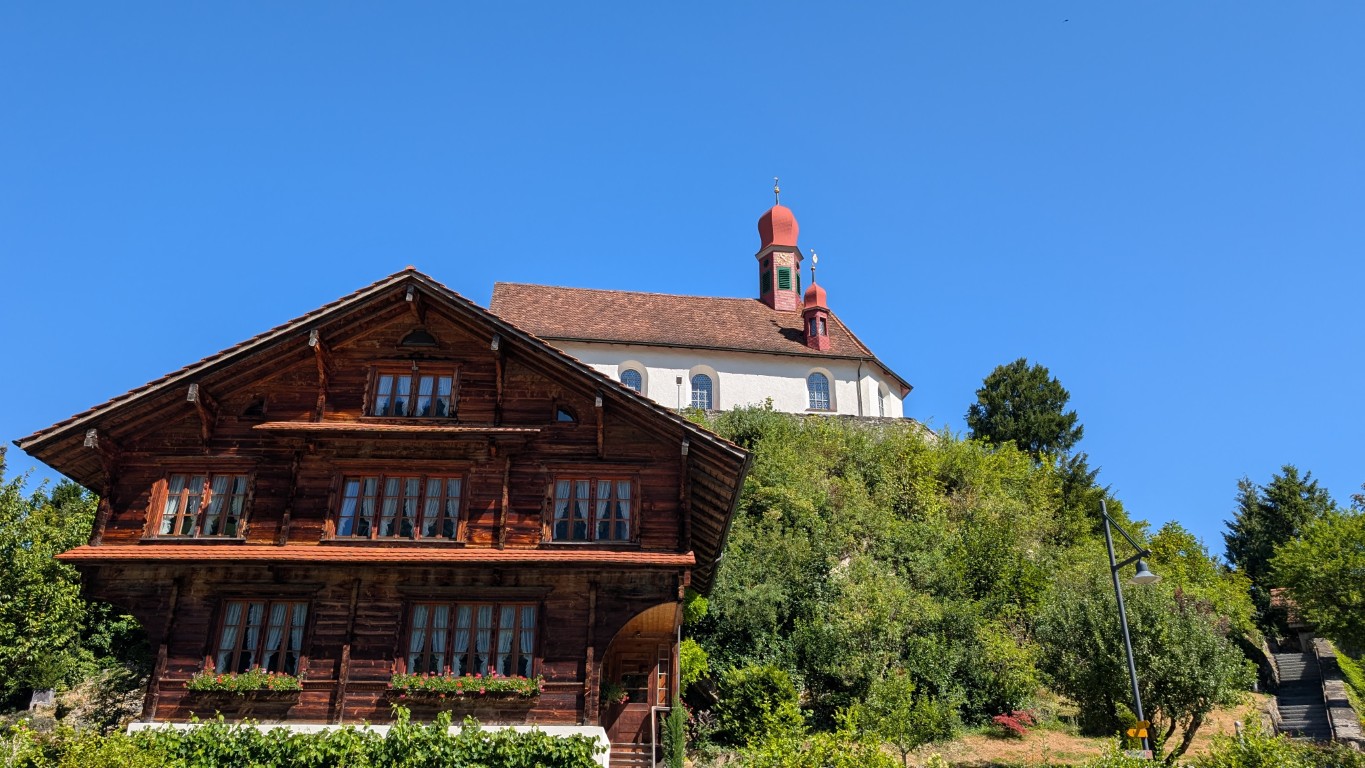
Flüeli-Ranft lies on a sheltered plateau at 728 meters above sea level. The village owes its name to the striking rock face – the "Flüe" – and the deeply incised Ranft Gorge at the edge of the village. The Chapel of St. Charles Borromeo rises above the village and is visible from afar, while in the background the peaks of Widderfeld Stock, Nünalphorn, and Huetstock dominate the panorama.
The scenic scenery alone makes Flüeli-Ranft a worthwhile destination. But its true significance lies in its history.
The home of Brother Klaus
Flüeli-Ranft is inextricably linked to Niklaus von Flüe (1417–1487), better known as Brother Klaus. He was initially a farmer, father of ten children, judge, councilman, and soldier. At the age of 50, he made an extraordinary decision: with the consent of his wife Dorothea, he withdrew from secular life and lived from then on as a hermit in the nearby Ranft Gorge.
His hermitage was located just a few minutes' walk from the family home. There, Brother Klaus devoted himself to prayer and meditation. Even during his lifetime, people from all walks of life sought his advice – simple farmers as well as clergy and politicians.
To this day, Brother Klaus is considered one of the most important figures in Swiss history. His commitment to peace and reconciliation made him a moral authority of his time. Historians now believe that his advice contributed significantly to the so-called Stans Agreement of 1481, thus helping to prevent the imminent disintegration of the Old Swiss Confederacy.
Nicholas of Flüe was canonized by Pope Pius XII in 1947. Today he is the patron saint of Switzerland.
The Ranft Gorge – a place of silence
One of the most impressive experiences of a visit is the descent into the Ranft Gorge. A historic pilgrimage path leads to the two Ranft chapels and the preserved hermitage of Brother Klaus. Despite the numerous visitors, a special tranquility prevails here, which has made the place a destination for pilgrims and those seeking relaxation for centuries.
The gorge, with its steep cliffs, rushing stream and historic buildings, still conveys an impression of why Brother Klaus chose this particular place for his secluded life.
History you can touch
The village itself offers a direct glimpse into history. Brother Klaus's birthplace and former residence are open to visitors, providing an authentic impression of rural life in the 15th century. Together with the chapels and the unique landscape, they form an ensemble that has been included in the inventory of Swiss heritage sites of national importance.
Hiking between mountains and spirituality
Flüeli-Ranft is far more than just a place of pilgrimage. Hikers and mountain bikers appreciate the region as a starting point for tours through the Obwalden mountains. The hike to Älggi-Alp, where the geographical center of Switzerland is located, is particularly popular.
The combination of diverse nature, cultural heritage and tranquil places of power makes the region so special.
A place that leaves a lasting impression
Flüeli-Ranft is far more than a historic village. It is a place where Swiss history, breathtaking scenery, and spiritual traditions intertwine in a unique way. Even those without a religious affiliation quickly sense the special atmosphere of this small mountain village.
Perhaps therein lies the secret of Flüeli-Ranft: nestled between mountains, rocks and the tranquil Ranft gorge, the place serves as a reminder that contemplation, peace and inner tranquility are values that have lost none of their relevance.