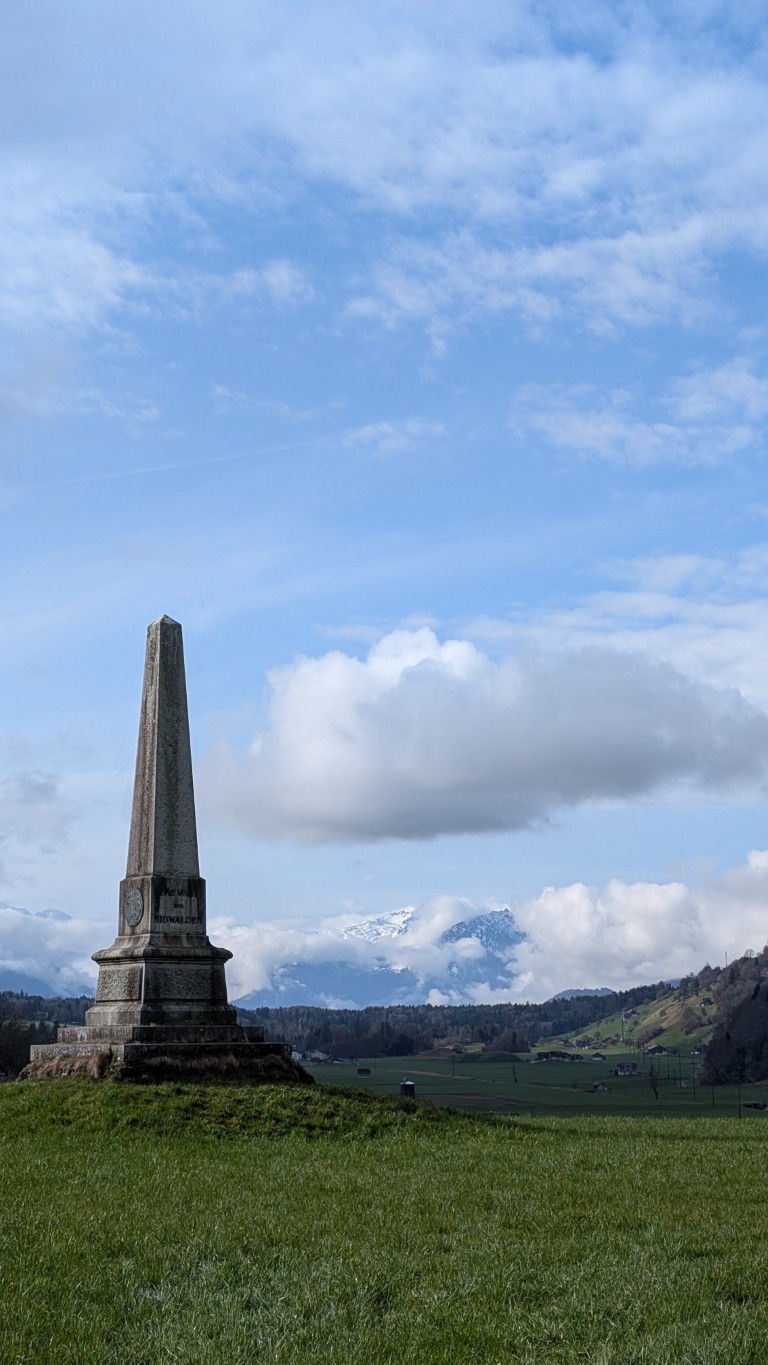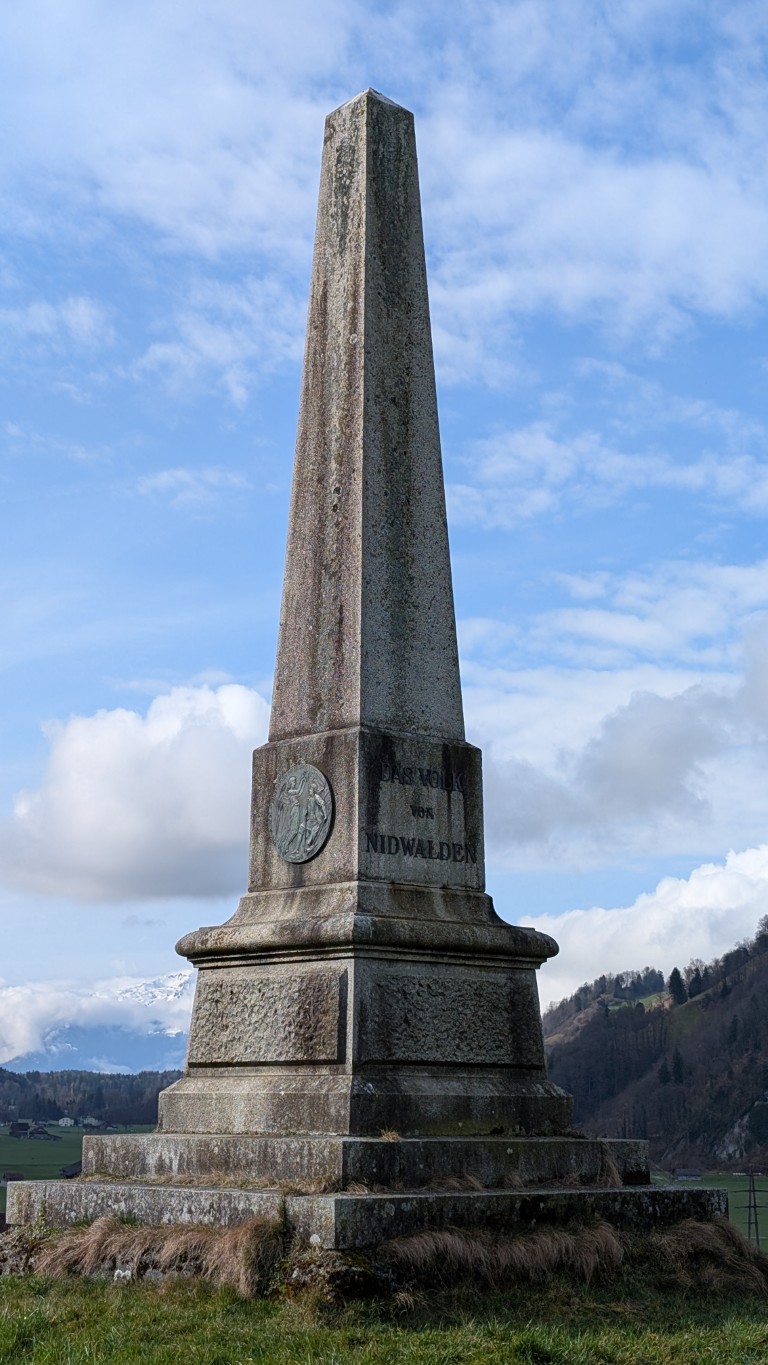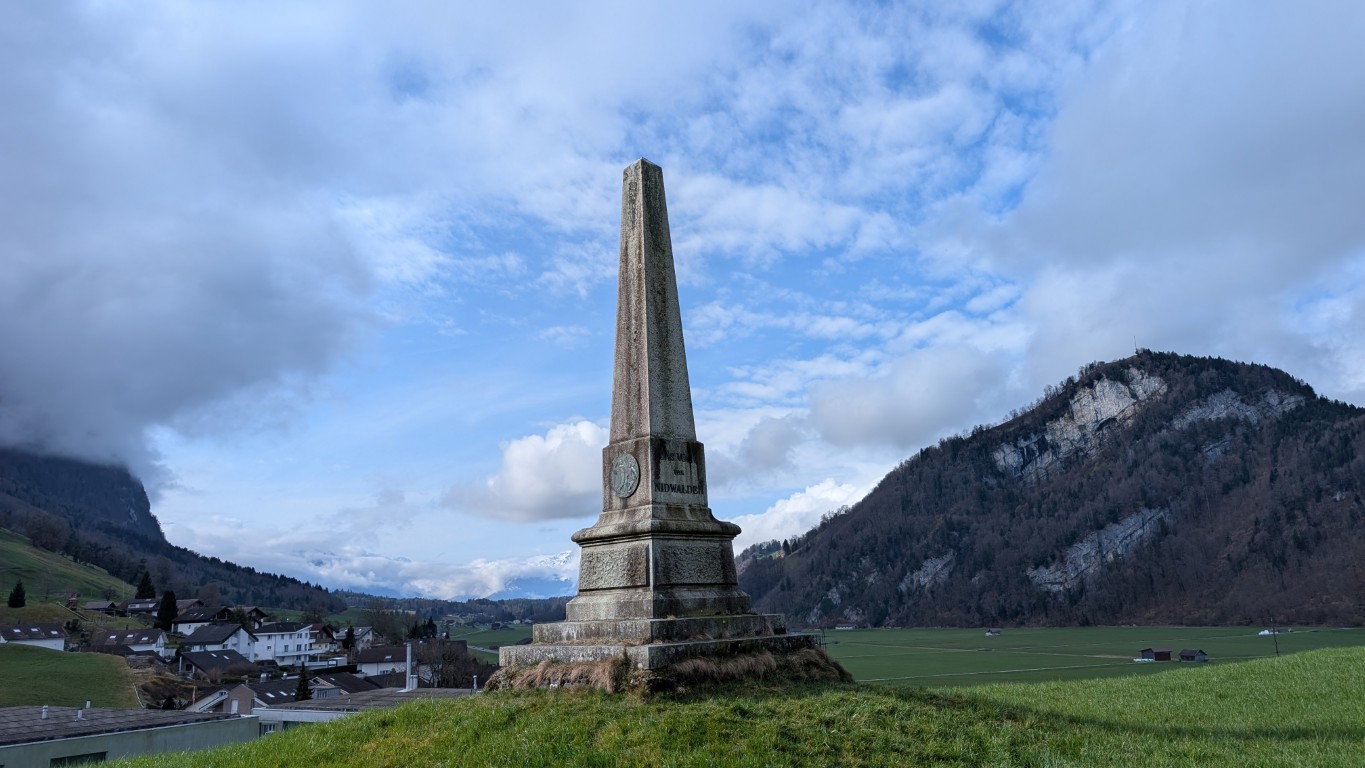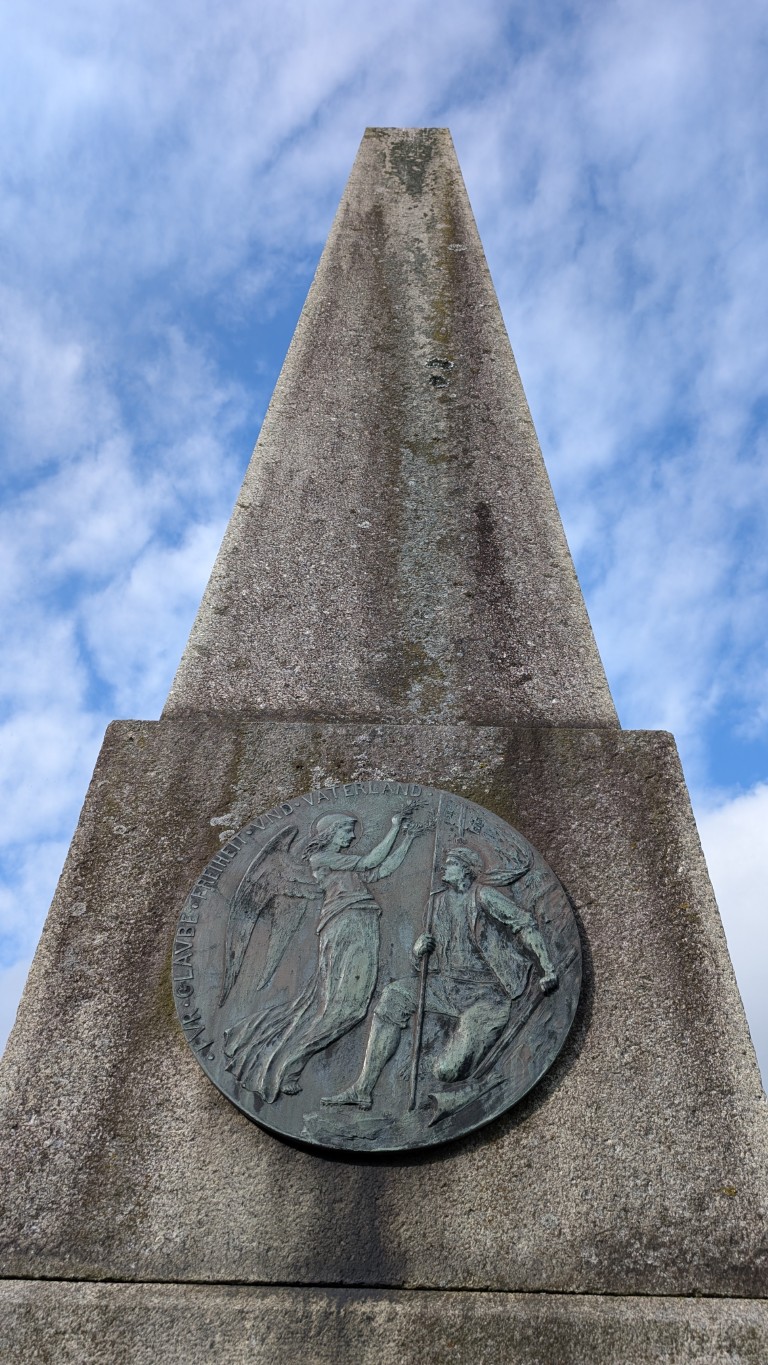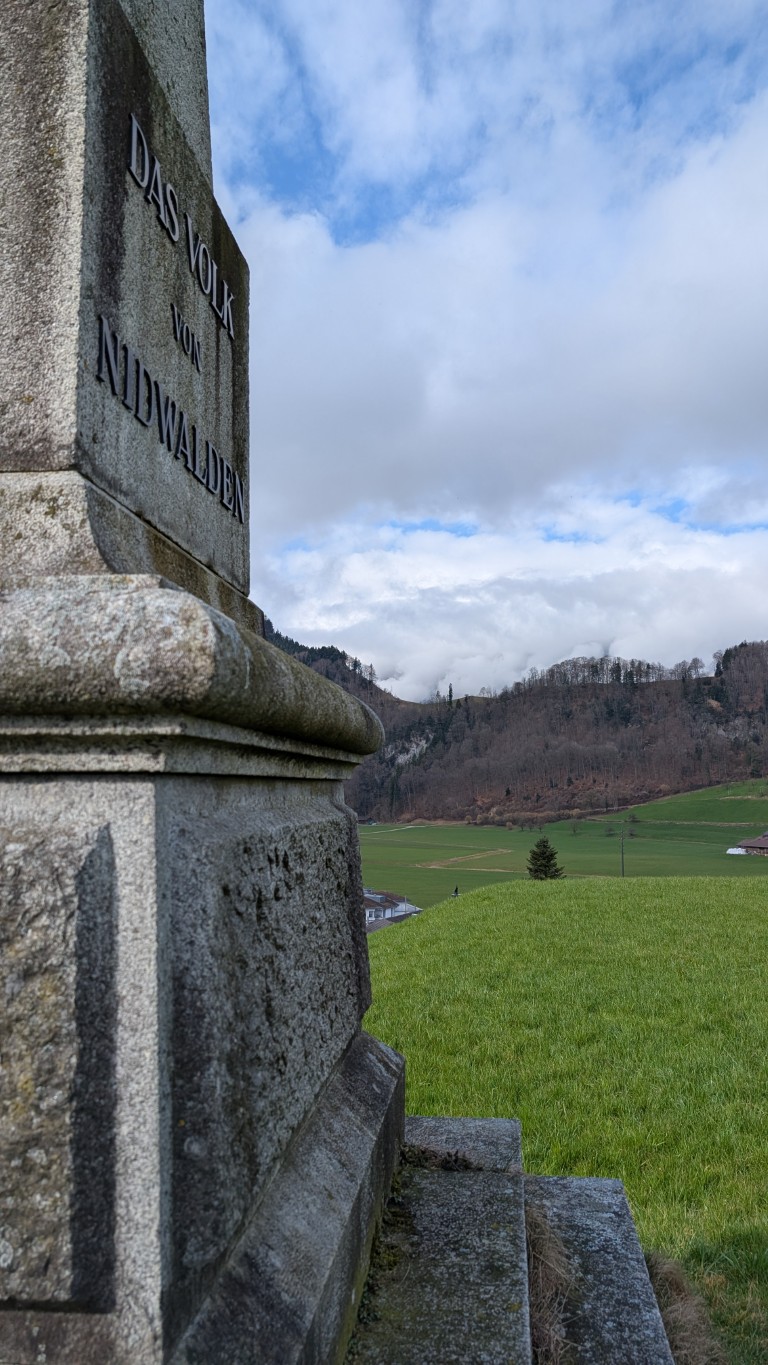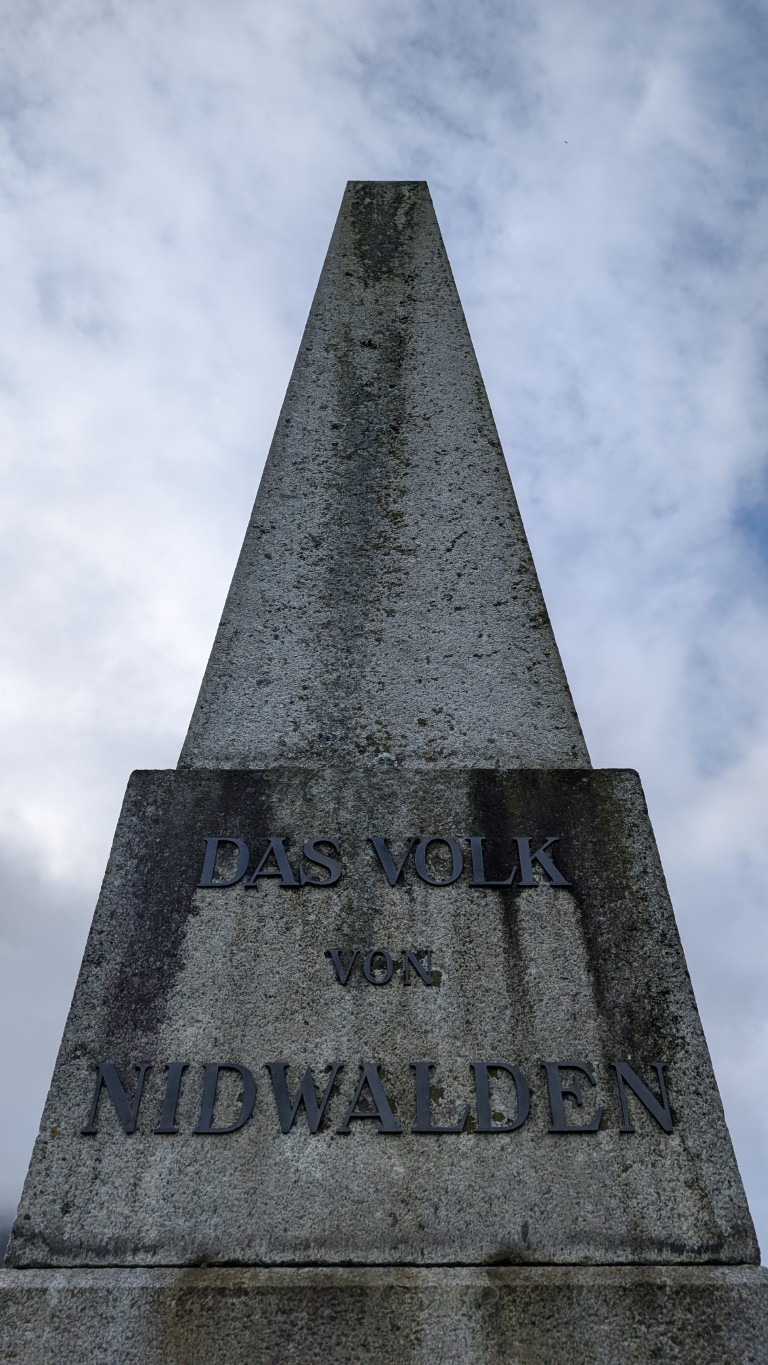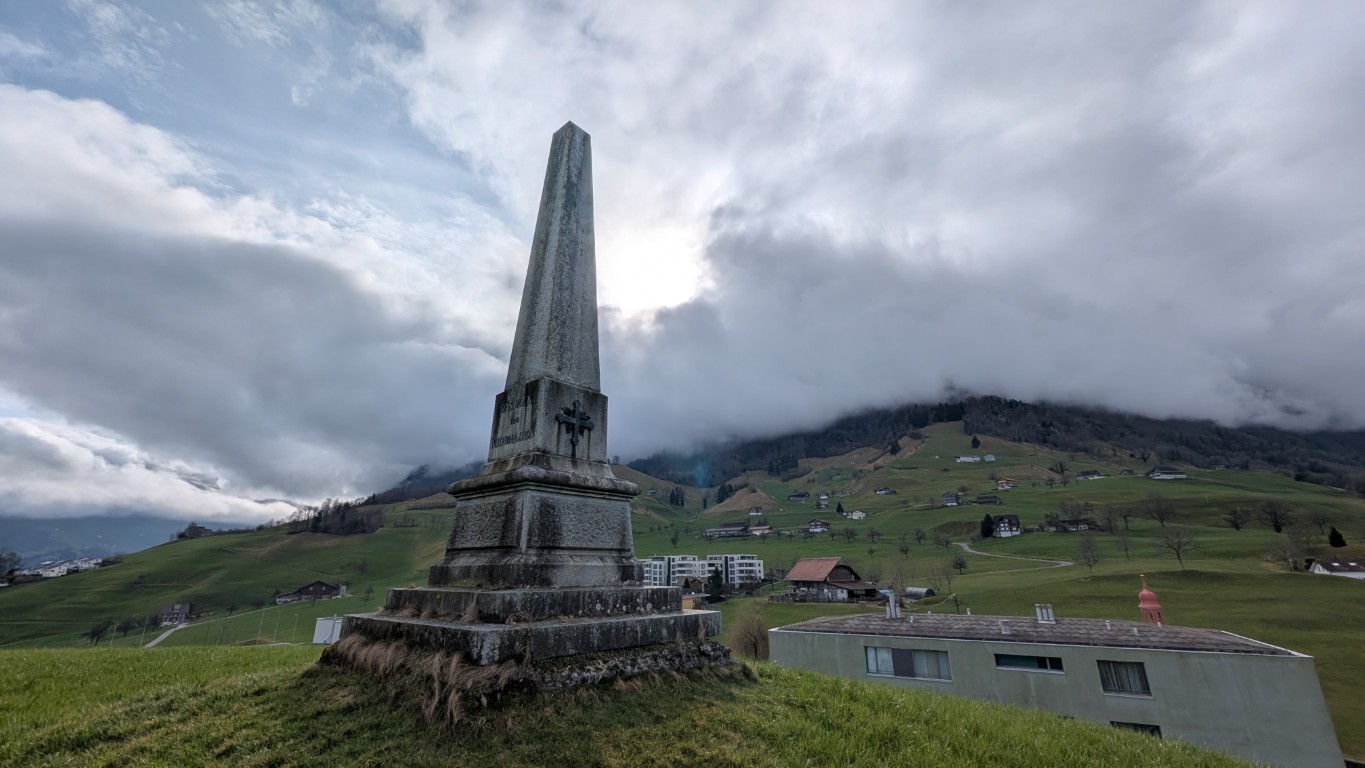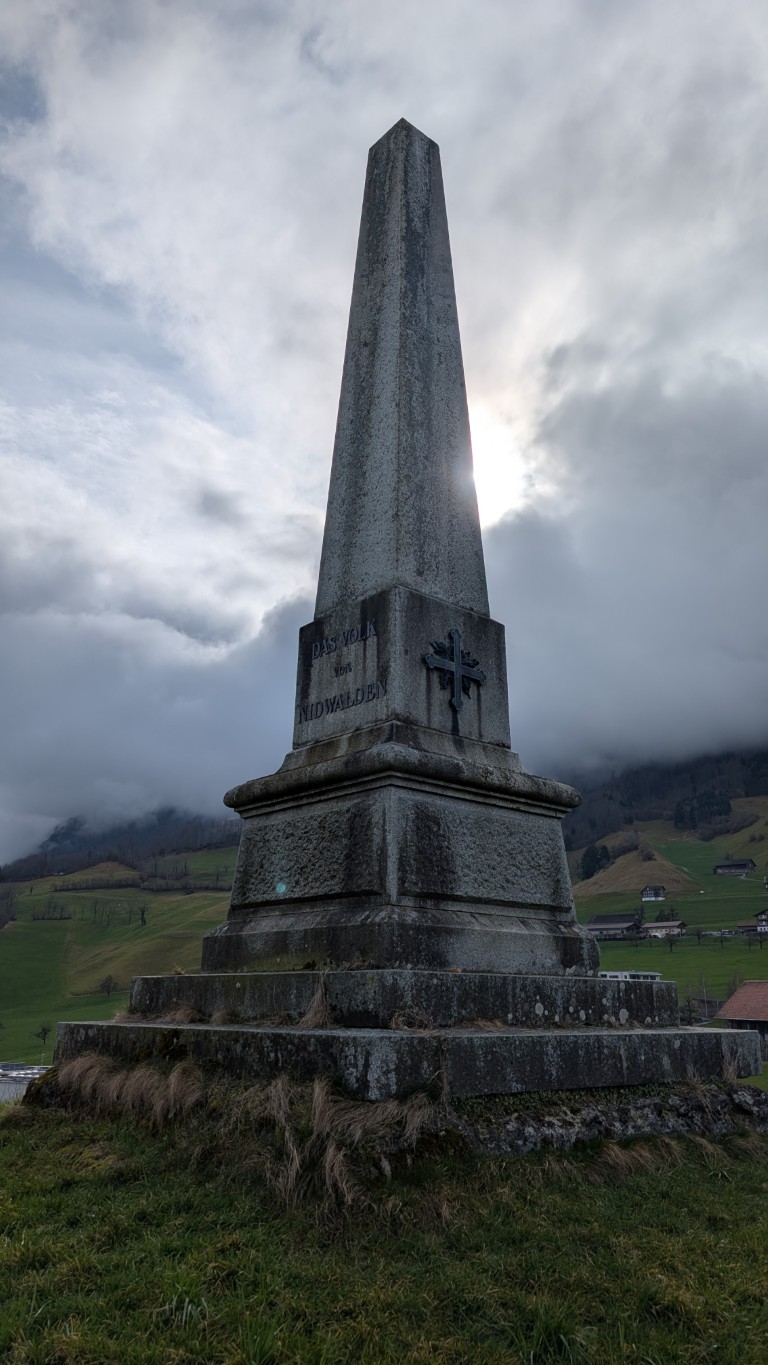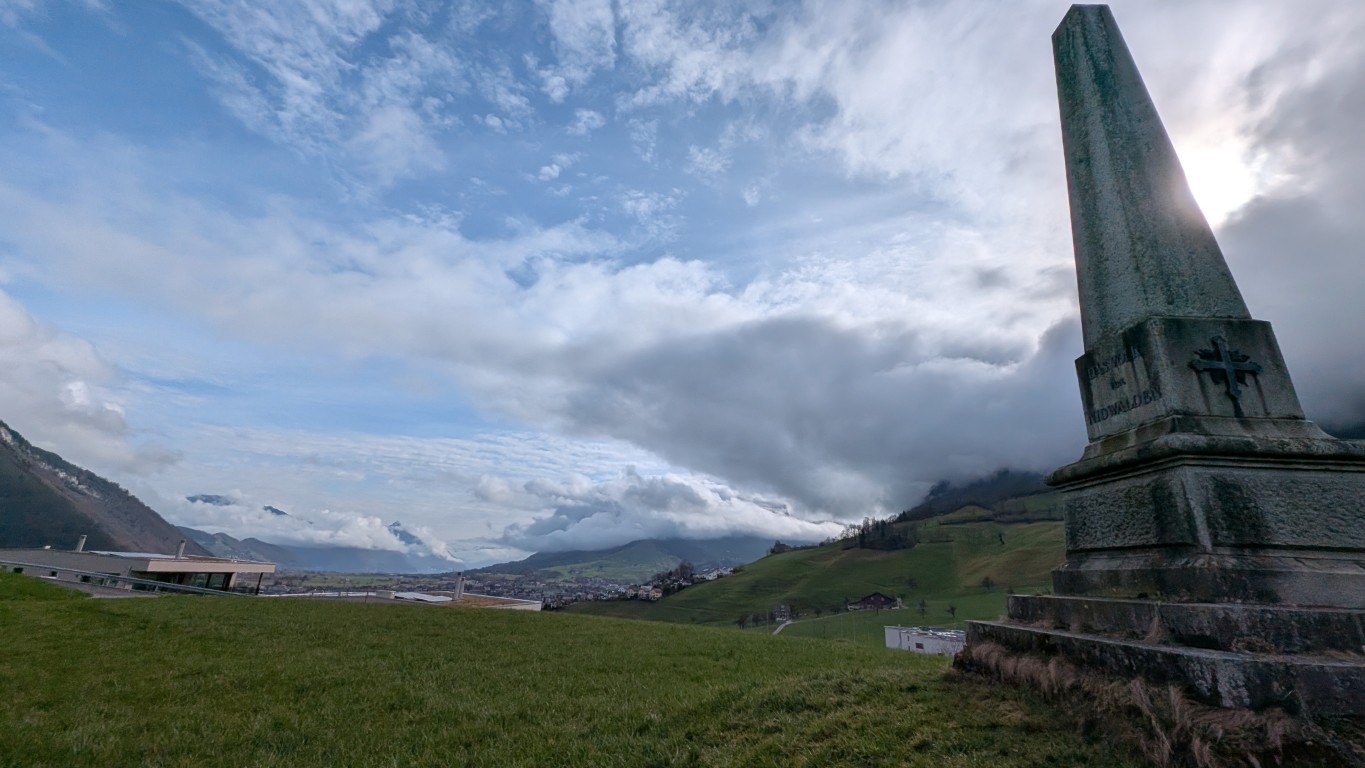
At the beginning of the Rotzberg hill, in the Allweg district near Ennetmoos , stands a simple memorial. It appears inconspicuous in the greenery, but those who pause to reflect sense that it is not only stone that is honored here, but also pain.
In 1798, French troops under General Schauenburg invaded Central Switzerland. The old Swiss Confederation was to be forced into a centralized state. While many cantons submitted, the people of Nidwalden resisted. Clergy and peasants refused to swear the oath of citizenship, seeing the new order as an attack on God, faith, and their ancestral freedoms.
An old legend tells of an eerie glow that shone over the valley on the night before the battle of September 9th – as if the heavens themselves were issuing a warning. Others recount how a child saw a weeping woman in a white robe on the Allweg road. She is said to have declared: "The land will bleed, but it will remember." The dying began the following morning.
The people of Nidwalden fought fiercely against the overwhelming odds. Farmers with scythes and old rifles faced trained soldiers. The resistance was courageous – and hopeless. Hundreds lost their lives, including women and children. Houses and churches burned, the valley was filled with smoke and screams.
Only a hundred years later, in 1898, was a memorial erected. The monument on Allweg was built, not as a triumph, but as a warning. It commemorates a dark time, of sacrifice and destruction – and of the indomitable will of a small country to defend its convictions.
Today it stands still between meadows and forest. No gate, no entrance, no barriers. Only stone that tells a story. And those who listen closely might still think they can hear the distant echo of that night when Nidwalden burned.
The “Mother of the Resistance”