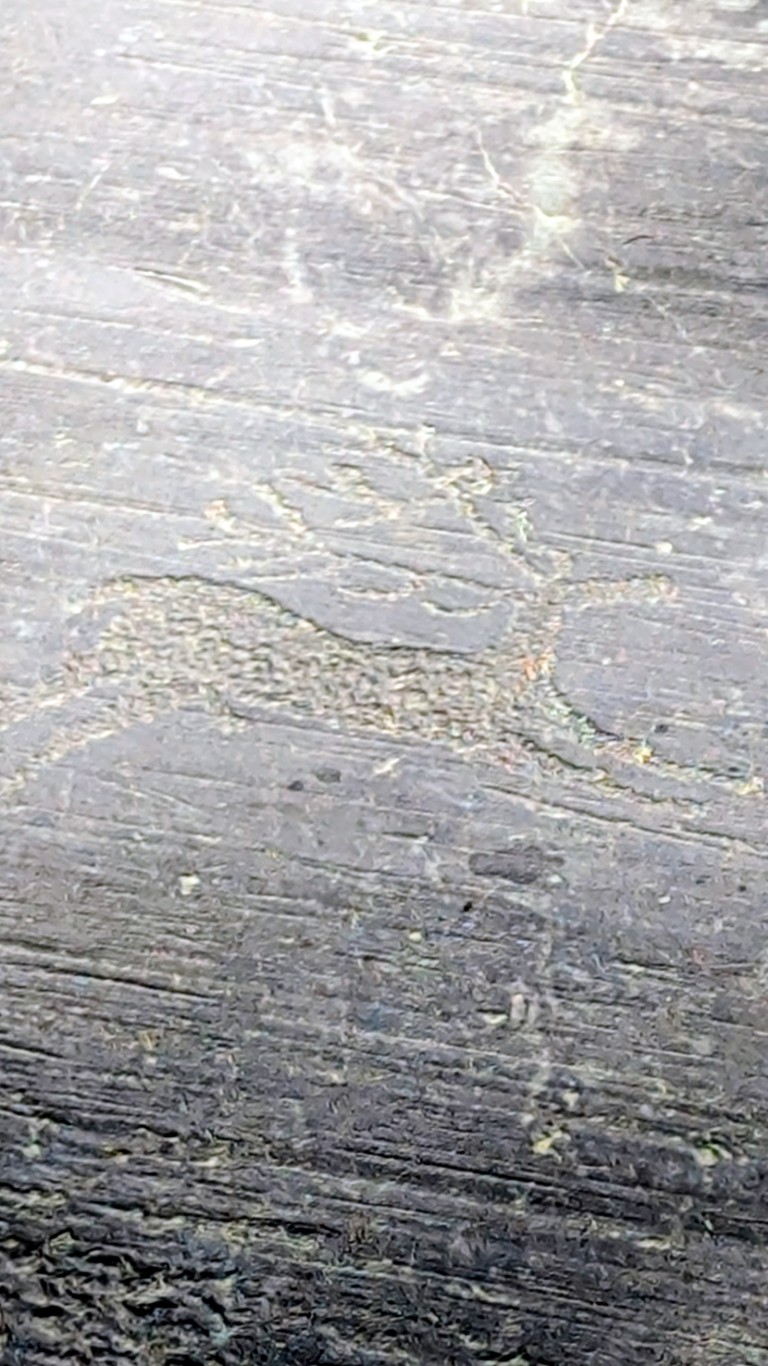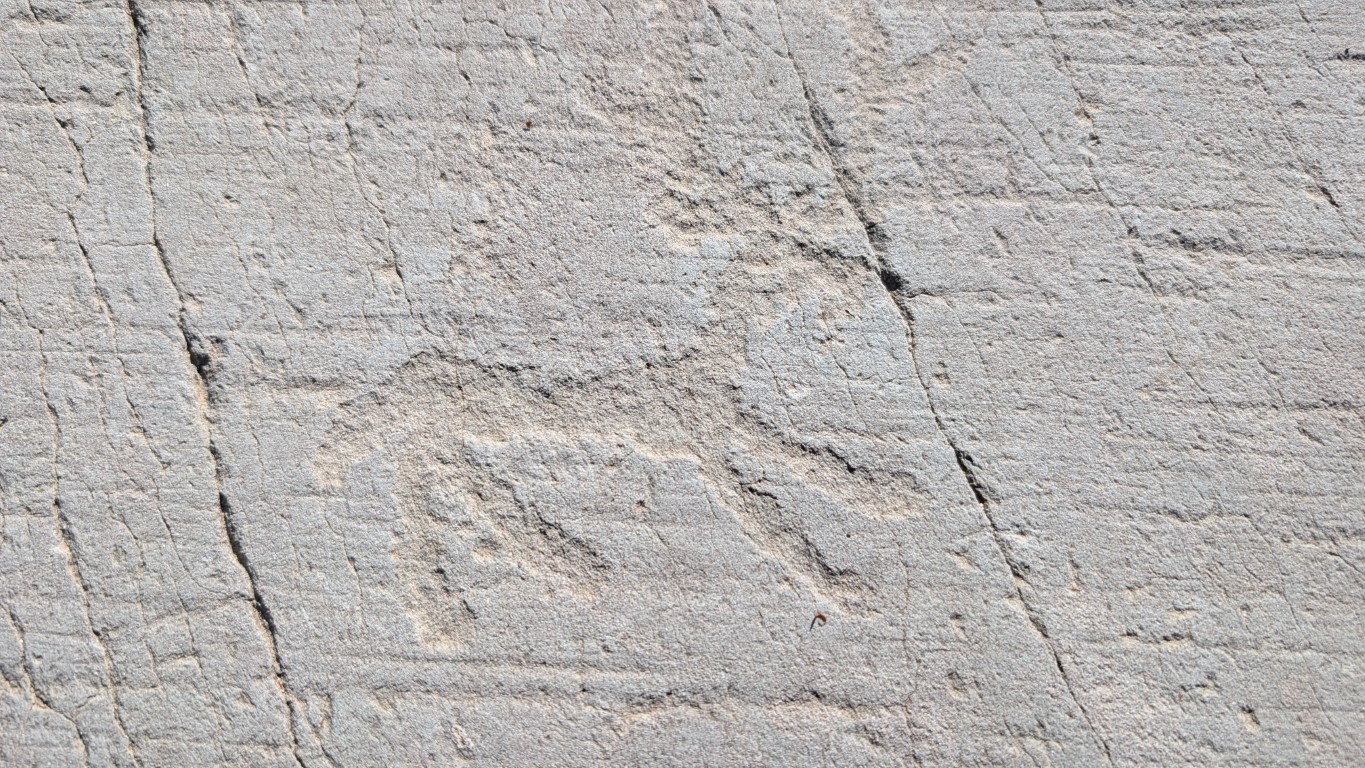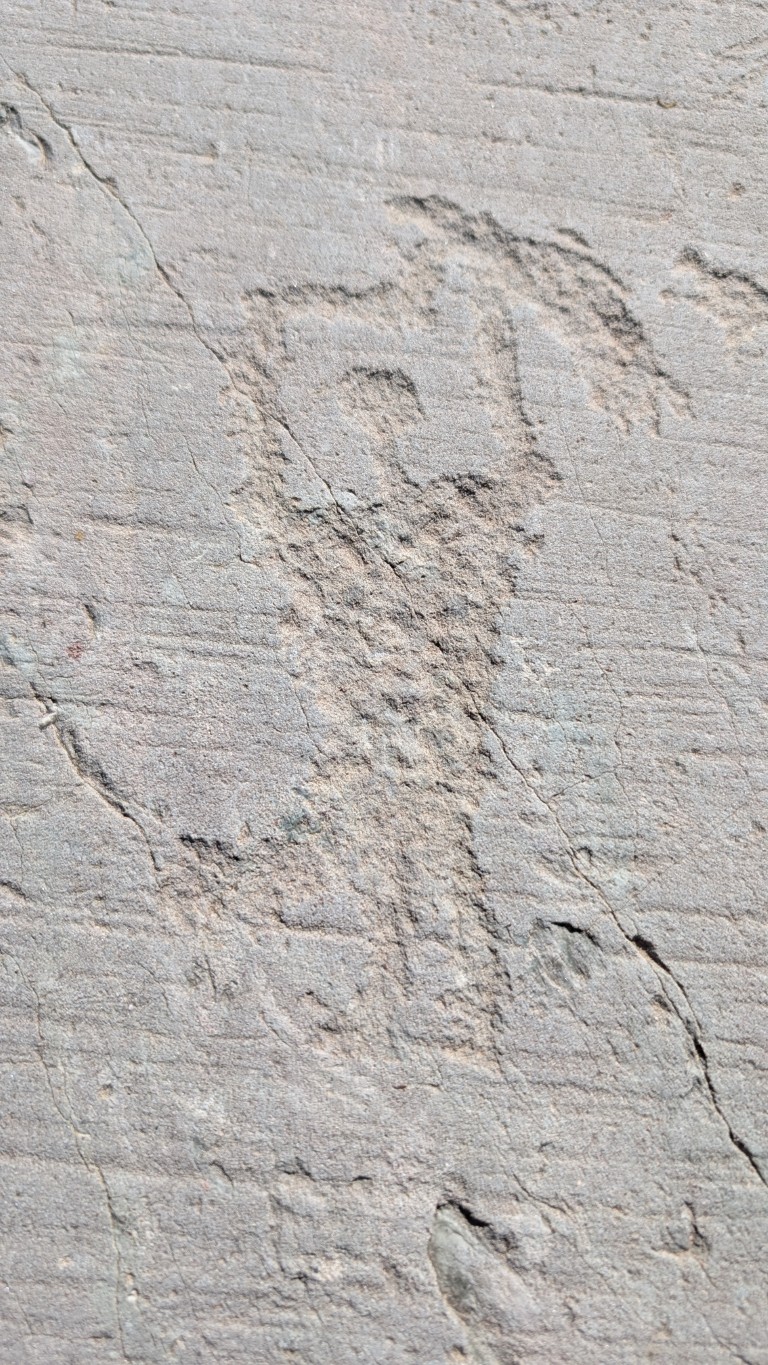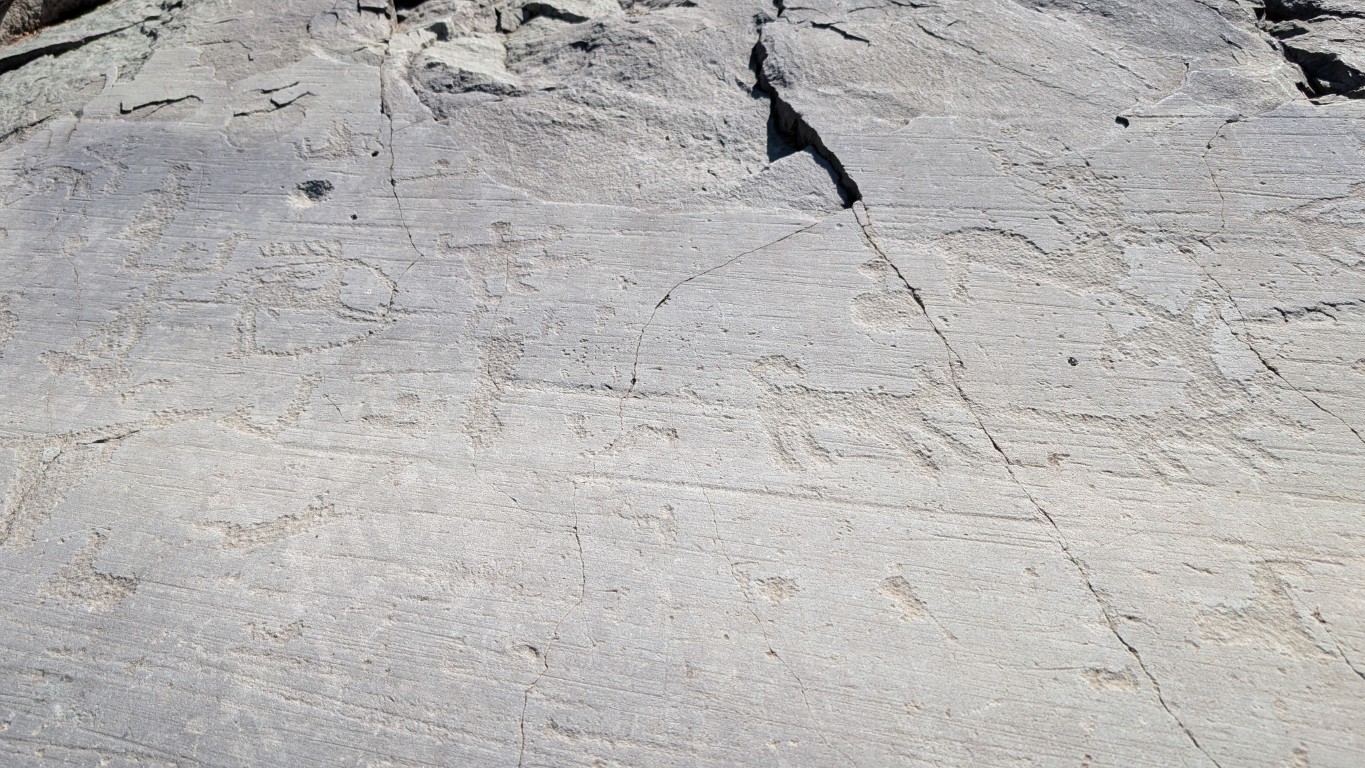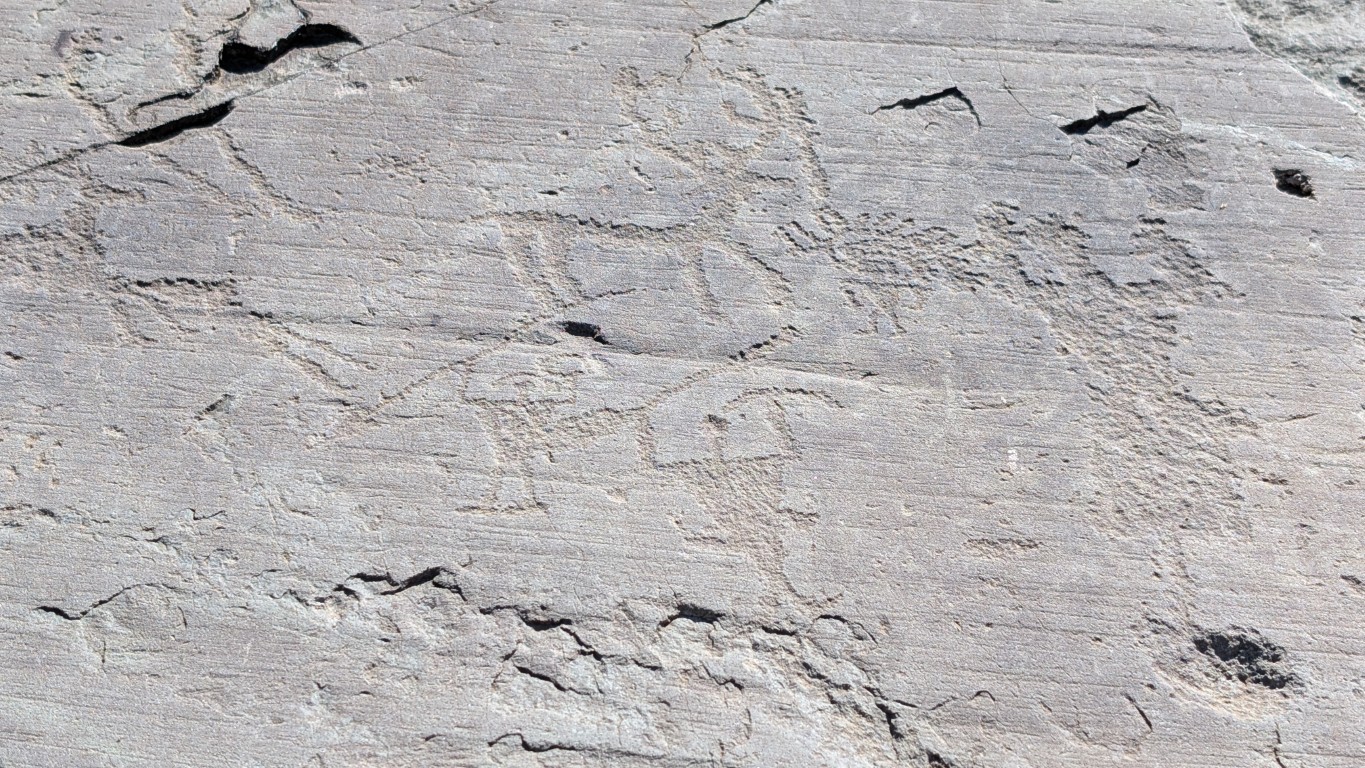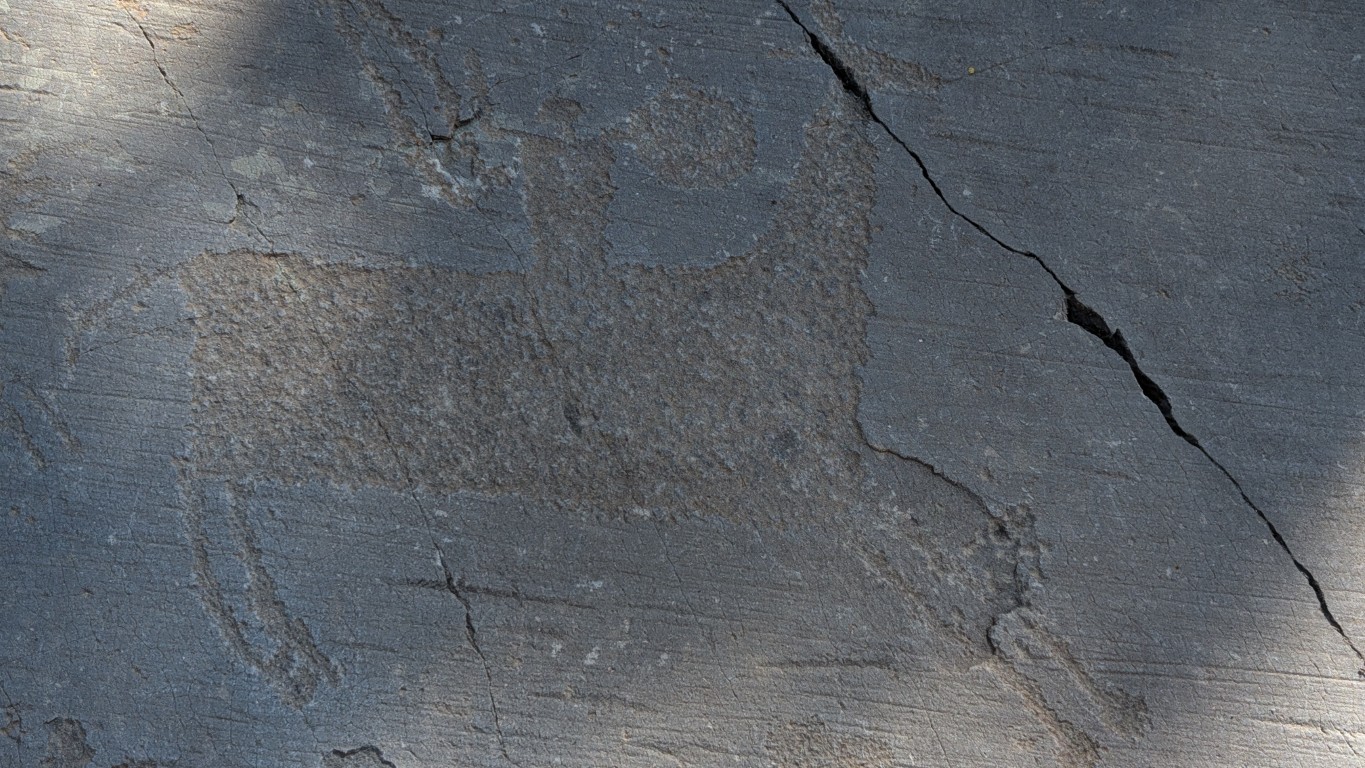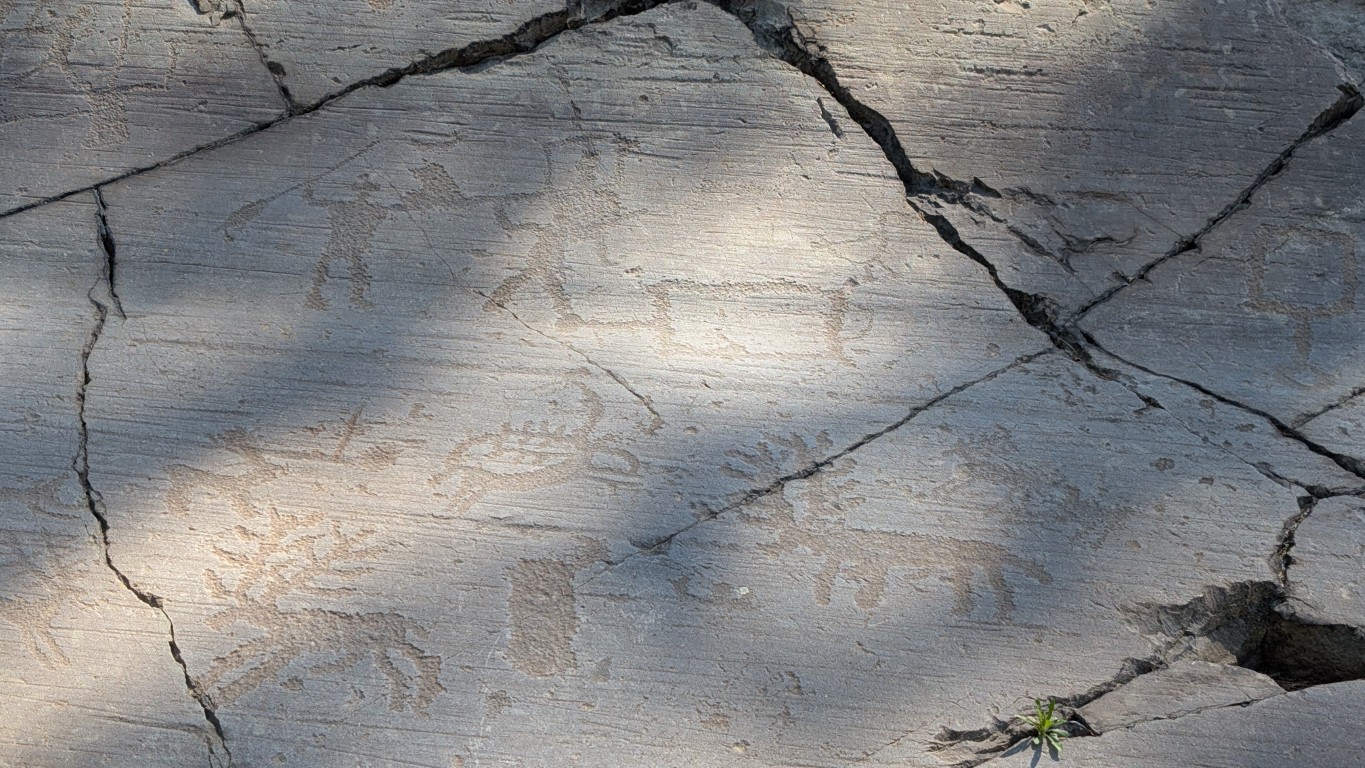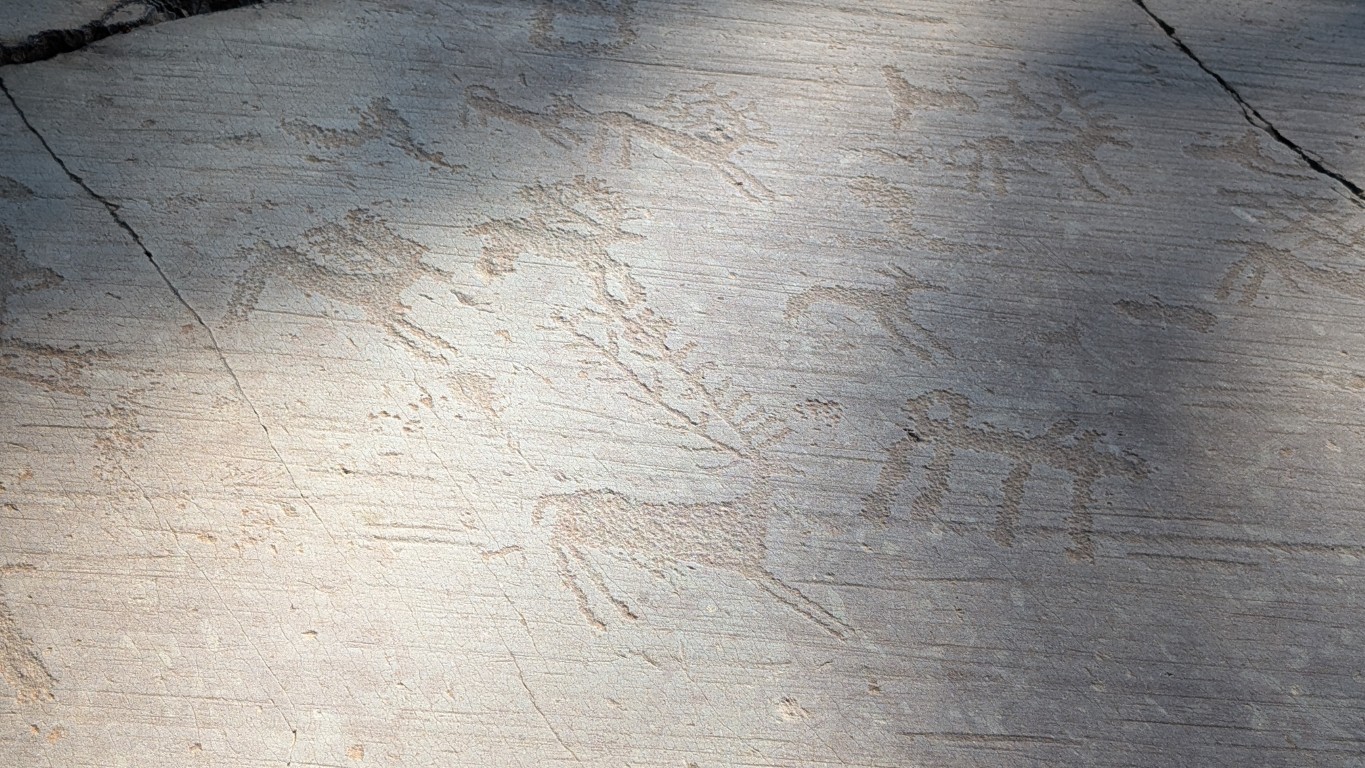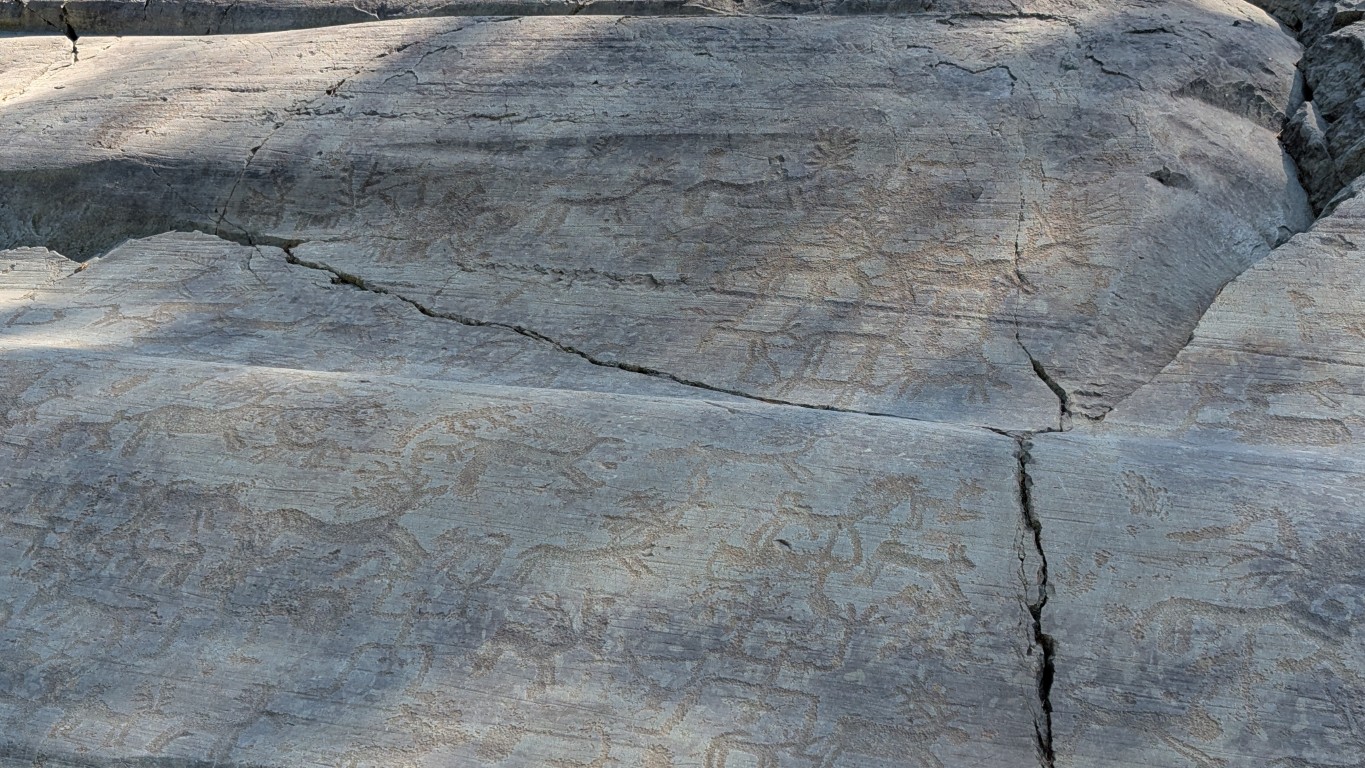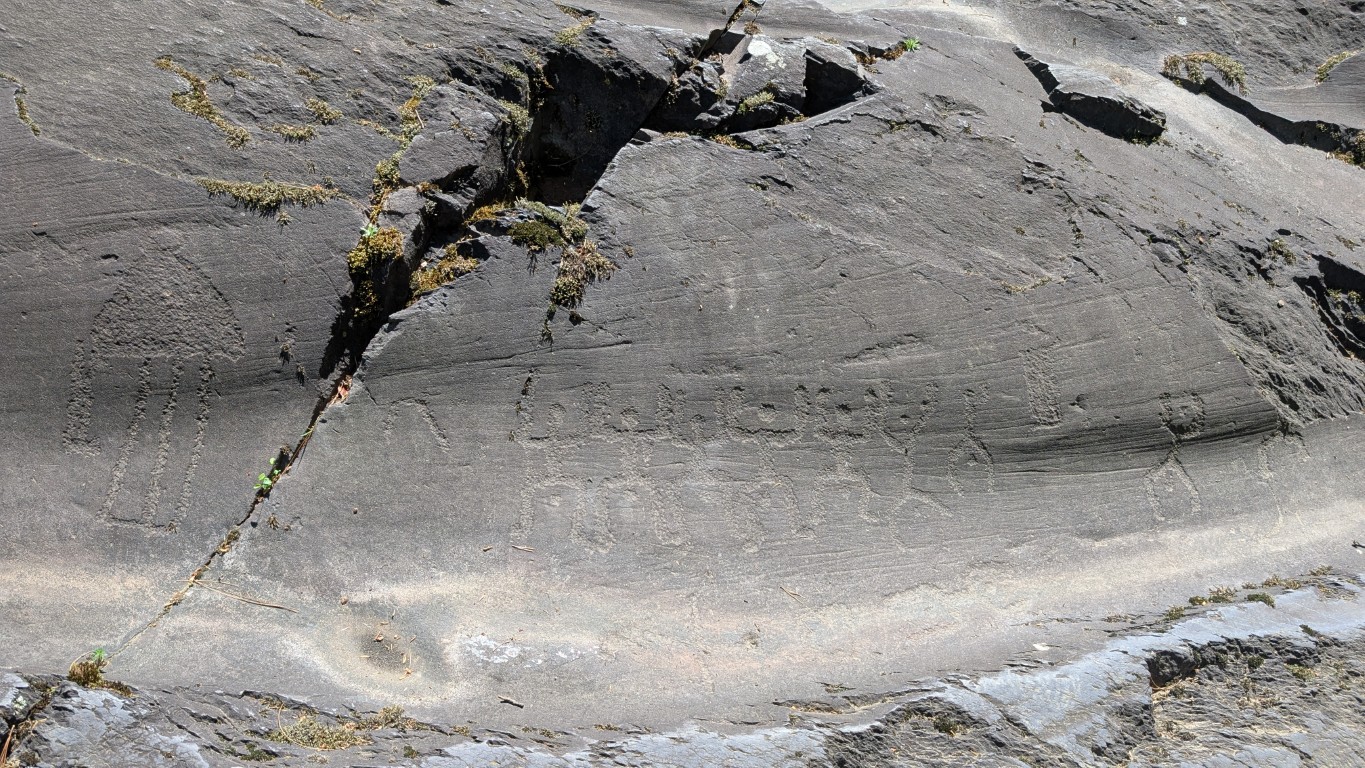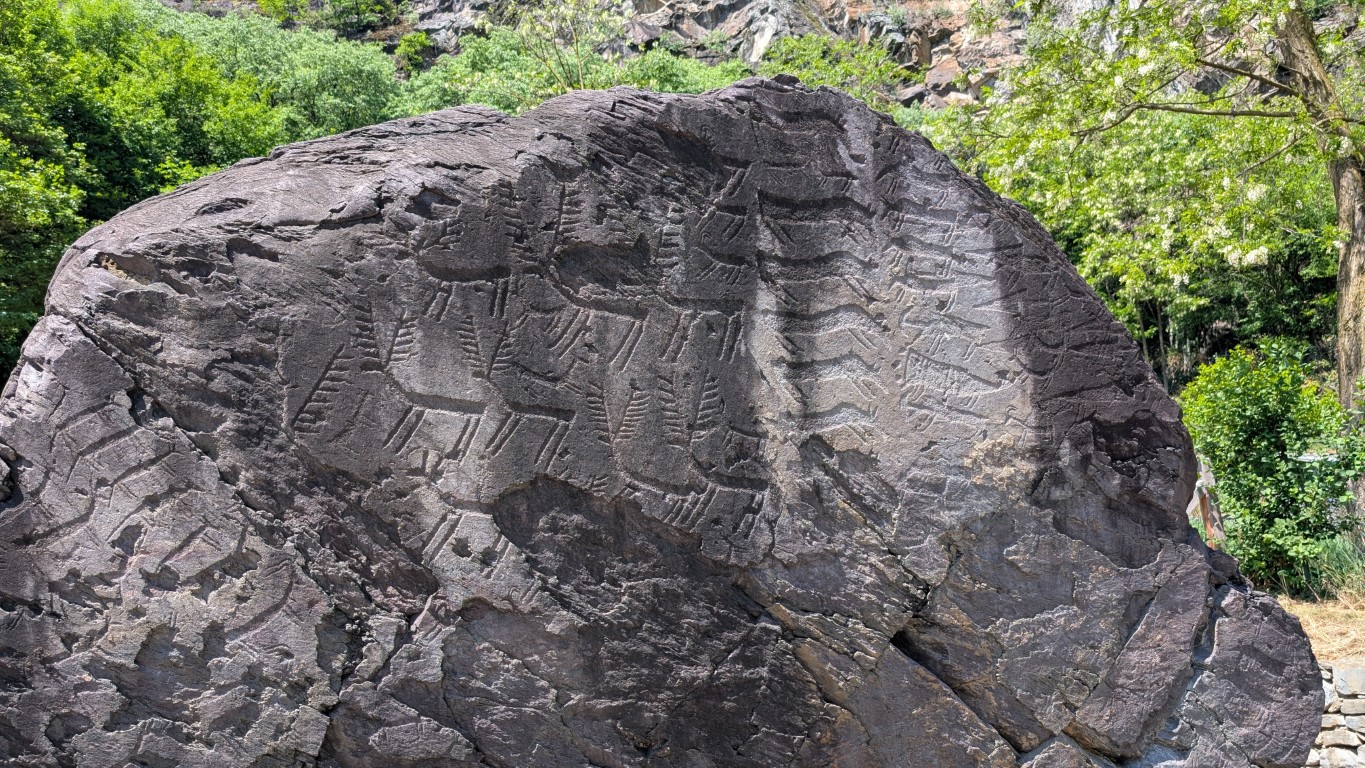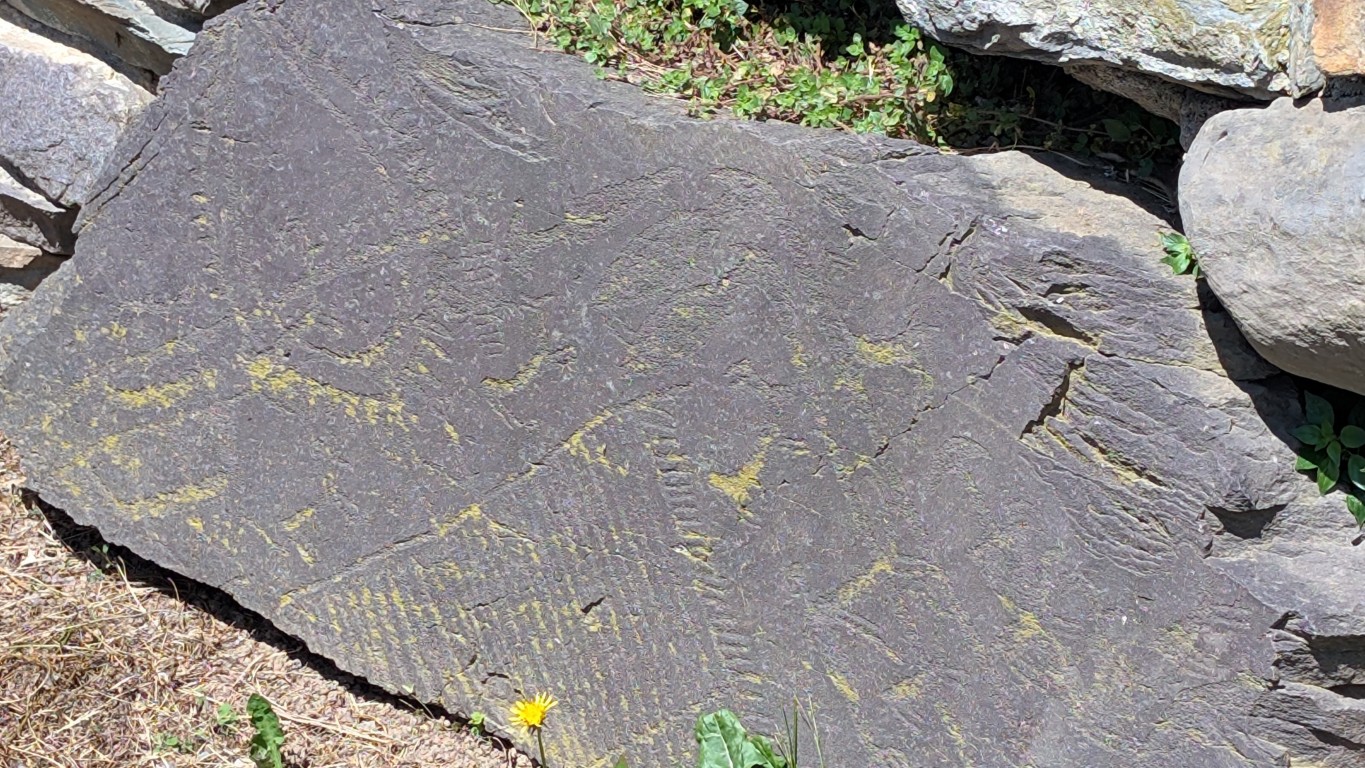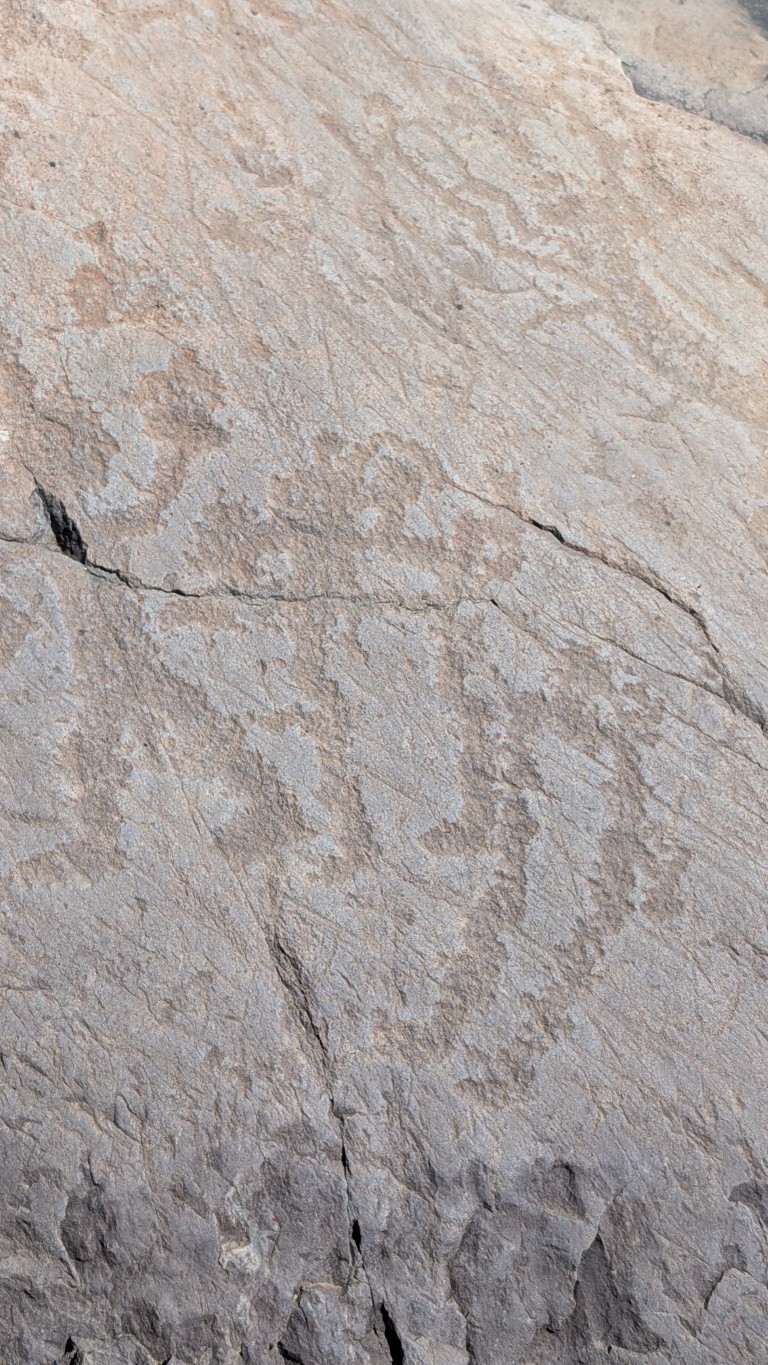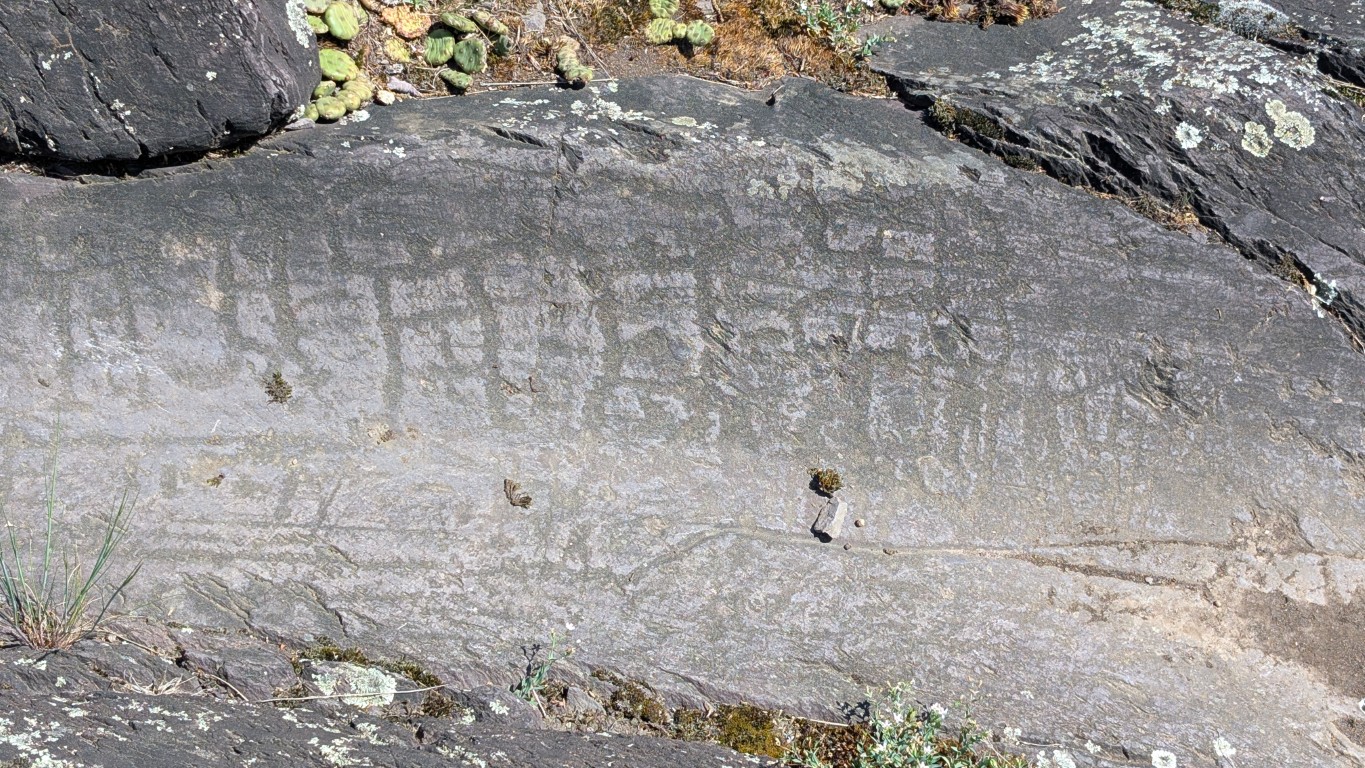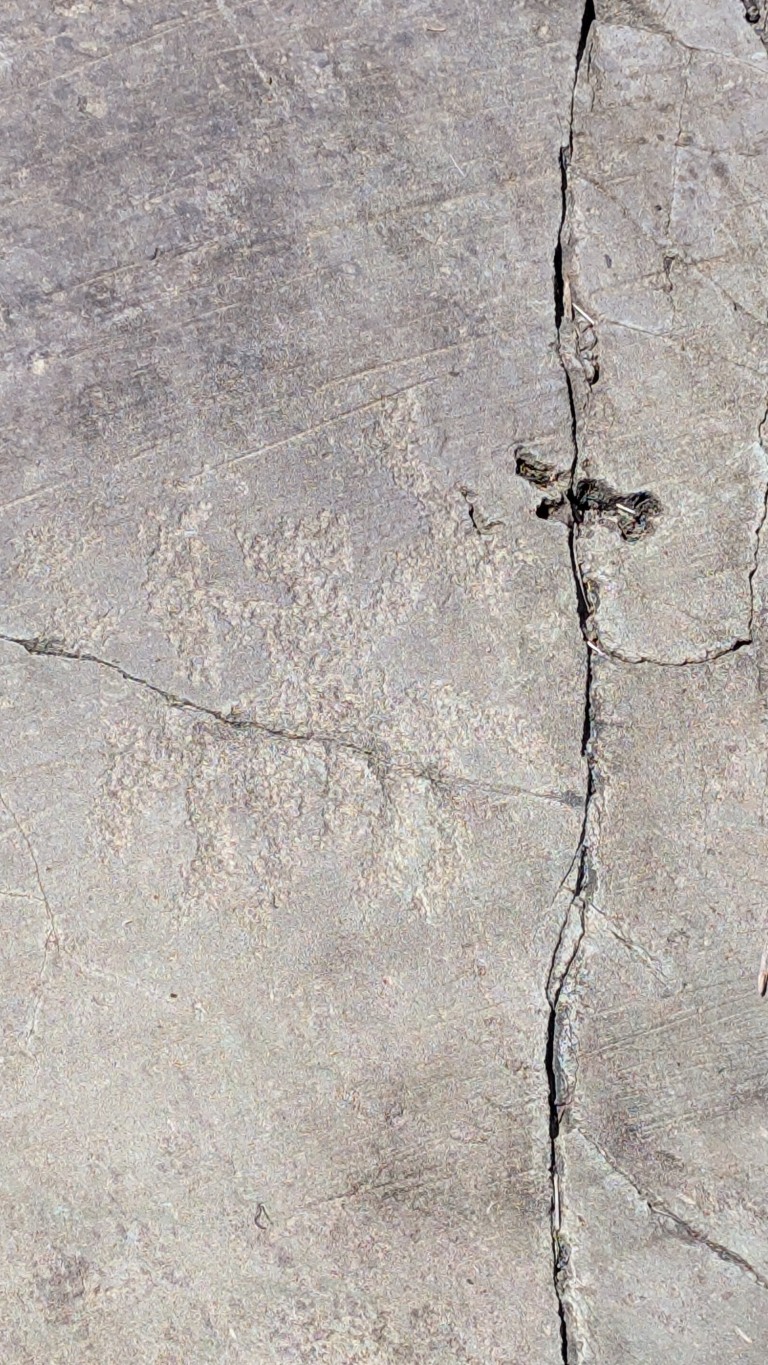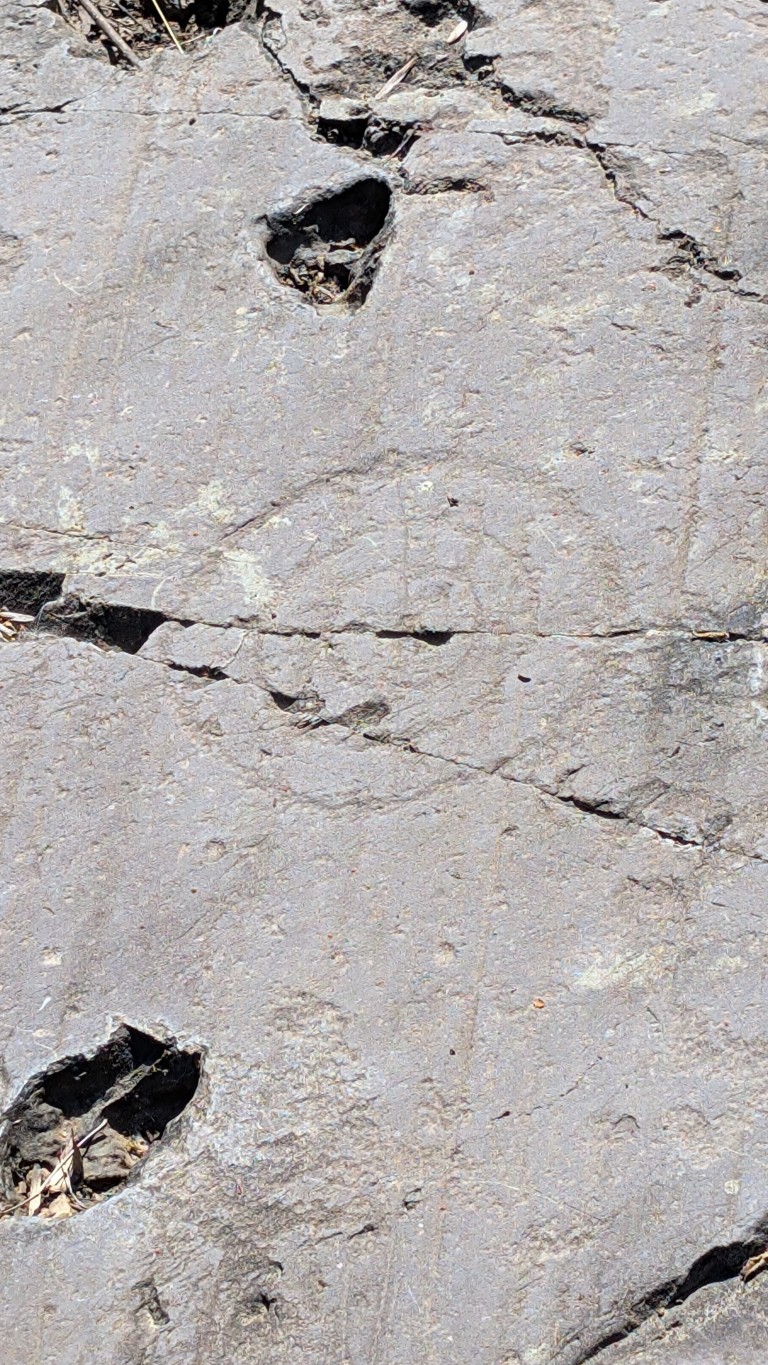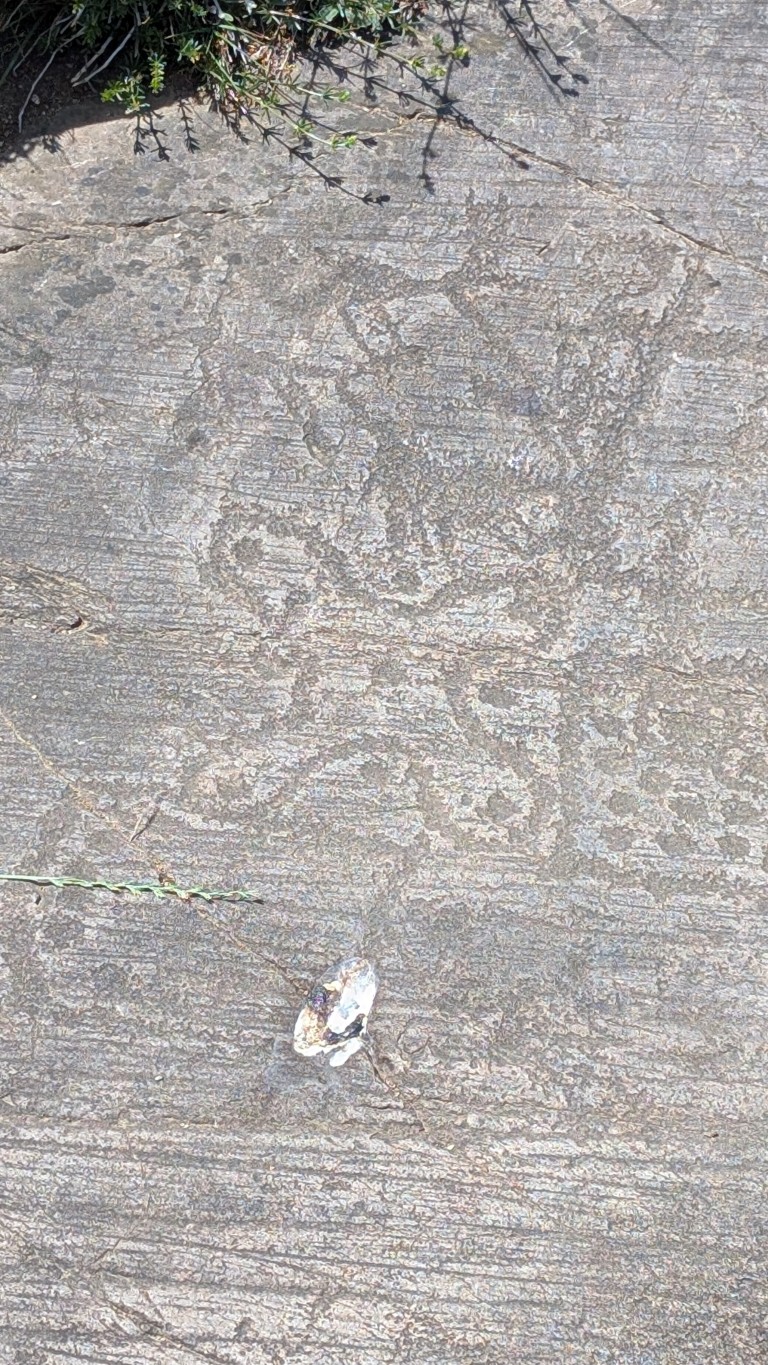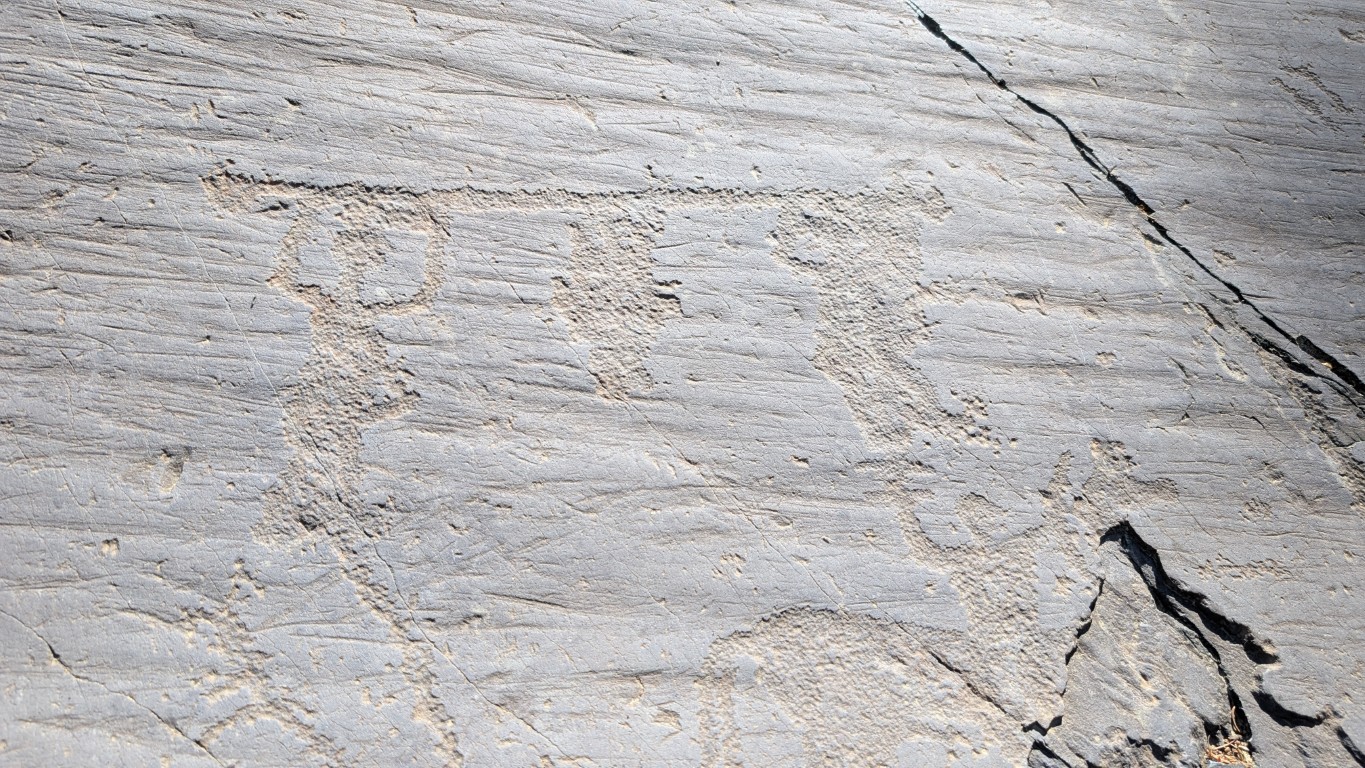
Deep in the Lombardy Alps lies one of Europe's most fascinating archaeological landscapes: the rock carvings of Valcamonica . For thousands of years, people left their stories, rituals, fears, and hopes in stone here. More than 140,000 figures have been officially recorded, and current estimates suggest as many as 300,000 petroglyphs – making the valley one of the world's largest sites of prehistoric rock art.
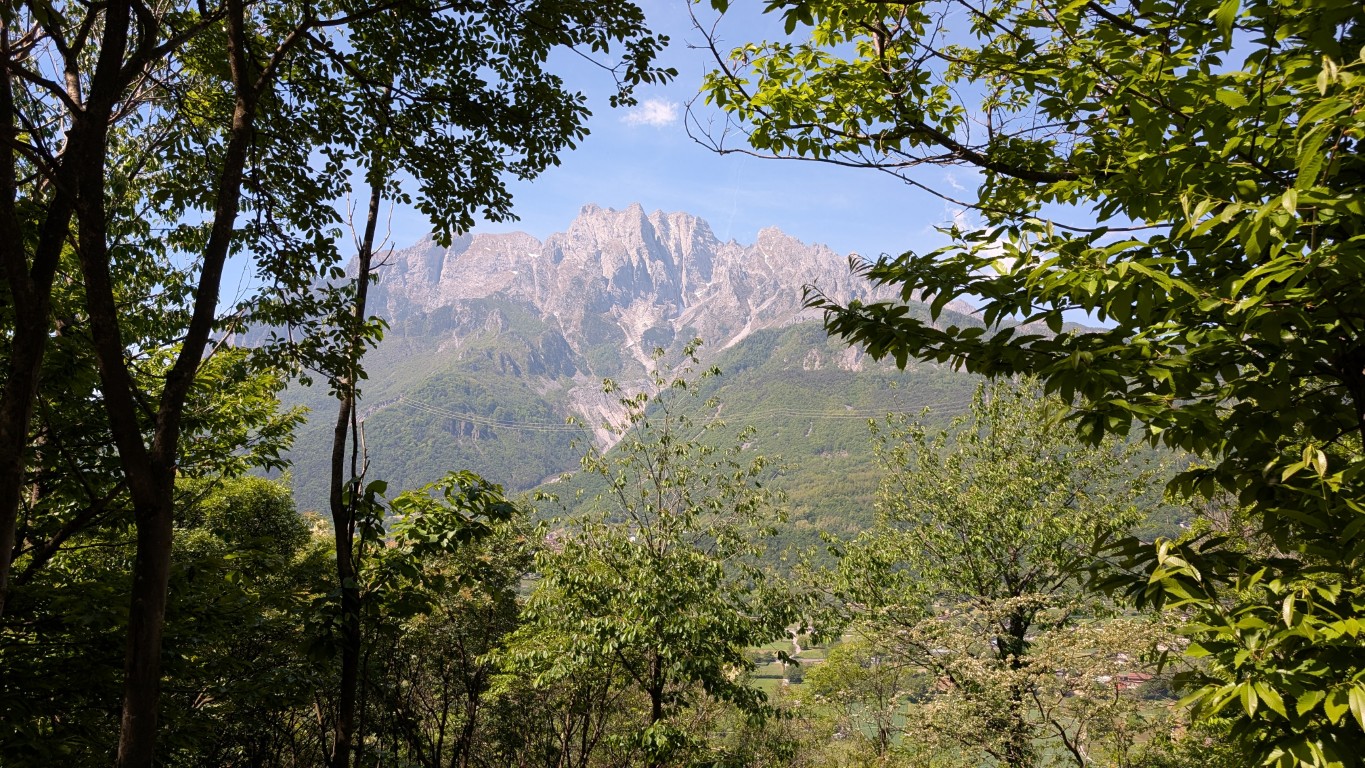
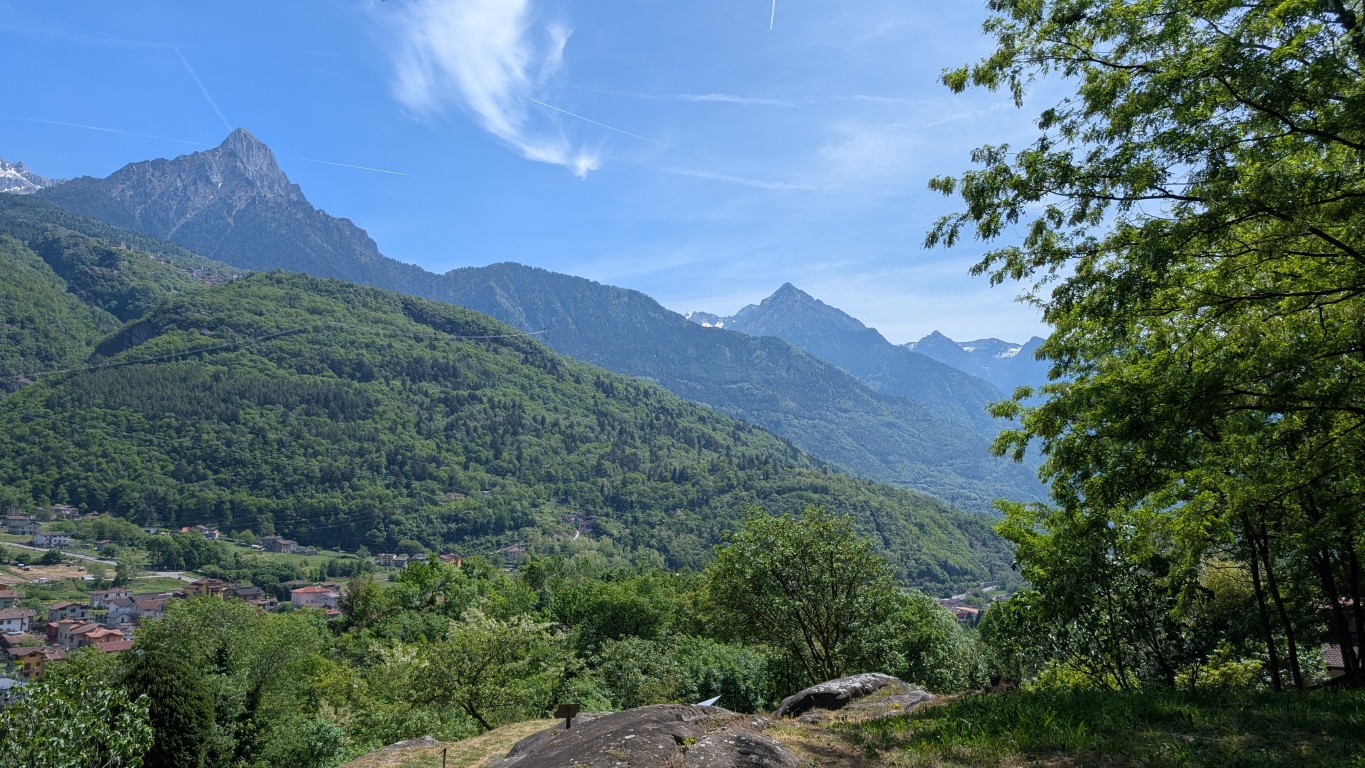
The Valcamonica valley stretches north of Lake Iseo through the province of Brescia and deep into the Alps. The carvings are distributed over approximately 25 kilometers along the valley and lie at altitudes between 200 and 1400 meters. Particularly important sites are located near Capo di Ponte , Darfo Boario Terme , Nadro , Cimbergo , and Paspardo .
In 1979, the rock carvings were recognized as Italy's first UNESCO World Heritage Site – a milestone for European archaeology.
A world of images spanning 10,000 years
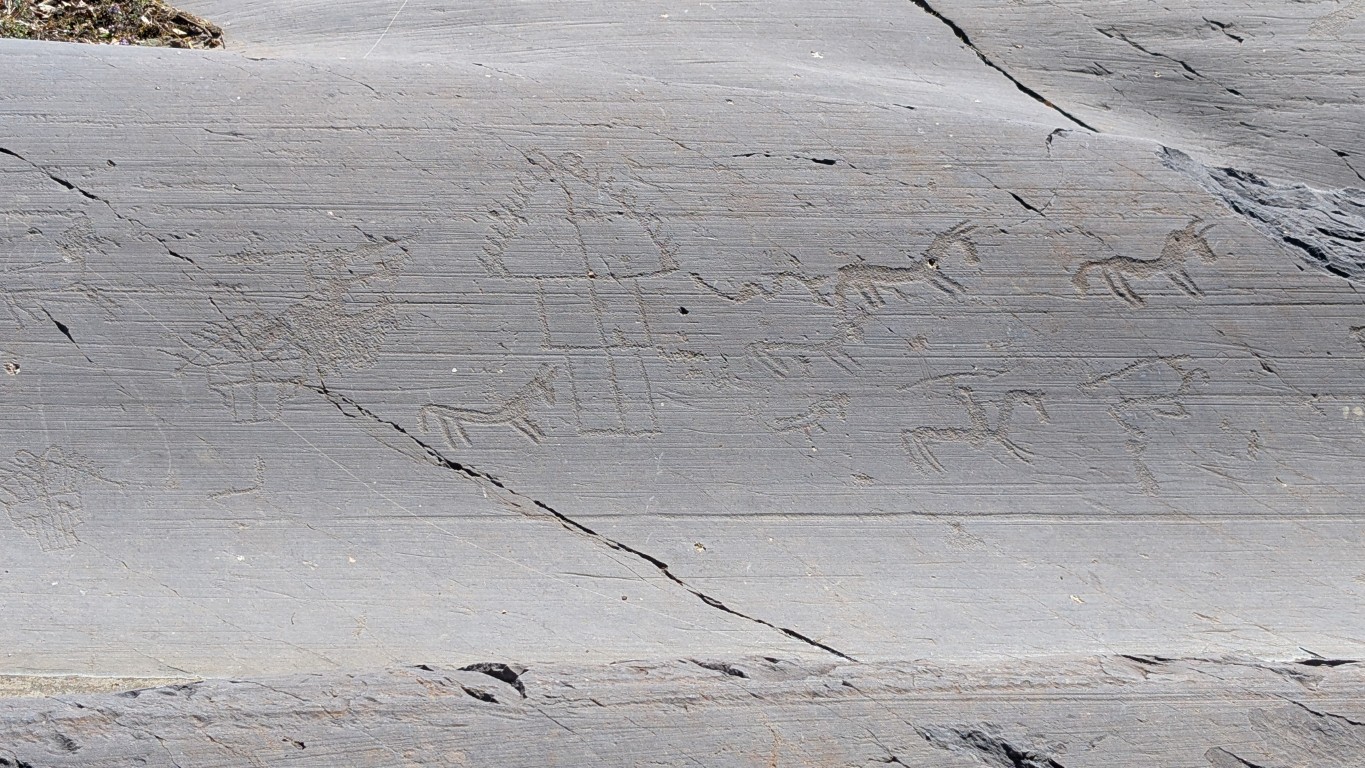
The rock art of Valcamonica resembles a stone archive of human history. Its creation began towards the end of the last Ice Age, around 12,000 years ago. At that time, hunters roamed the valley, leaving behind shadowy depictions of deer, elk, spears, and hunting scenes.
What is particularly impressive is how the motifs change over the millennia, thus revealing societal developments. The rocks tell stories of the first farmers, the beginnings of metalworking, warriors, religious rituals, and the everyday lives of the early Alpine inhabitants.
From hunter to farmer
With the beginning of the Neolithic period, life changed fundamentally. New population groups settled in the valley, and agriculture and animal husbandry took hold. On the rocks, figures of people with raised arms – so-called adorants – now appear, along with plows, axes, and domestic animals.
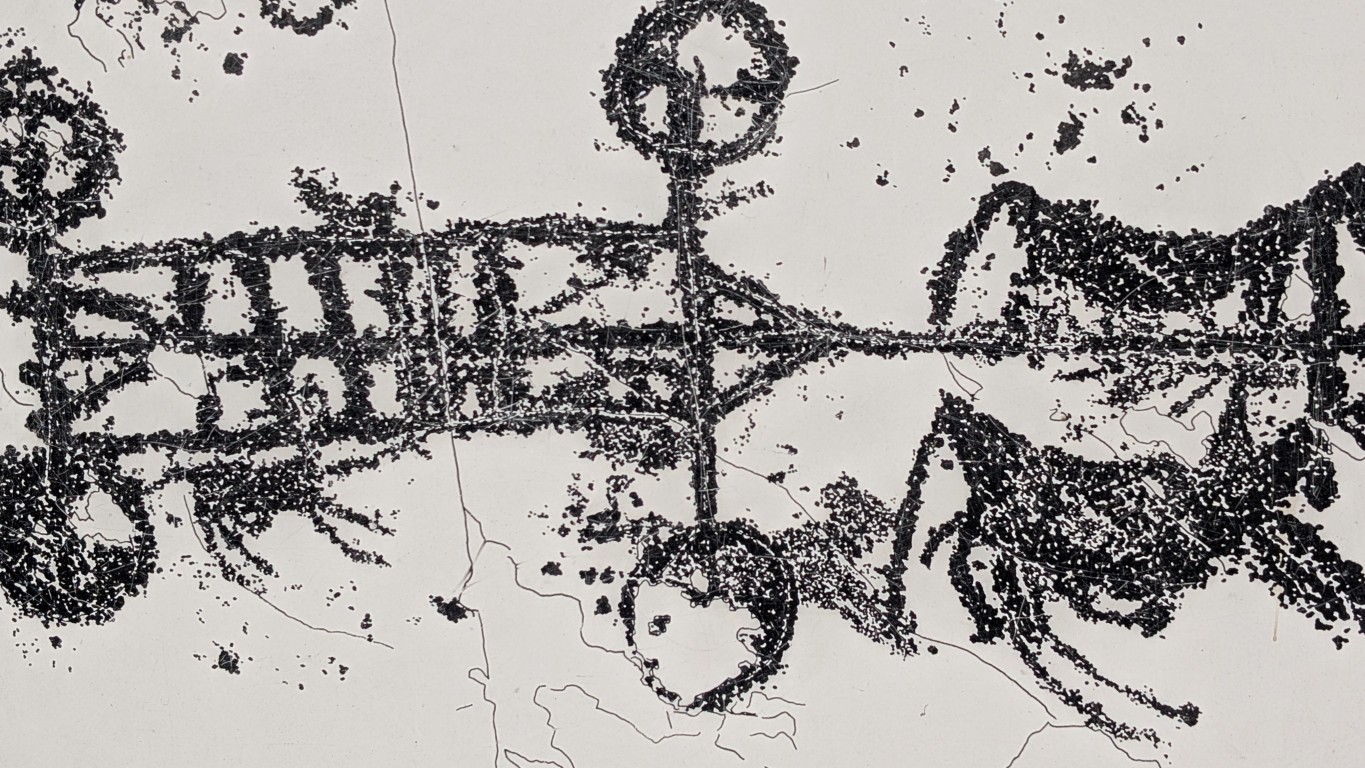
The carvings depict not only technological innovations such as bows, looms, and wagons, but also religious concepts. Sun cults, fertility symbols, and early deities shape the imagery. Abstract symbols such as spirals, concentric circles, and zigzag patterns, reminiscent of megalithic symbolism, appear particularly mysterious.
The Bronze Age and the Birth of Warriors
With the Bronze Age, Valcamonica became part of a far-reaching trade network. Metalworking brought prosperity and social changes. These upheavals are reflected in the rock art: weapons, battle scenes, and heroic figures increasingly come to the fore.
One can recognize daggers, halberds, chariots, and horses – symbols of a society that became more organized and warlike. The engravings tell of power, religion, and presumably also of ancestor worship.
The mysterious Rosa Camuna
Perhaps the most famous symbol of the valley is the so-called Rosa Camuna . This enigmatic symbol resembles a stylized flower or a labyrinth. To this day, its exact meaning remains unclear. Some researchers see it as a solar symbol, others as a religious or cosmic sign.
The Rosa Camuna later became the official emblem of the Lombardy region and is encountered everywhere by travelers today – from street signs to regional products.
The Iron Age and the world of the Camunni
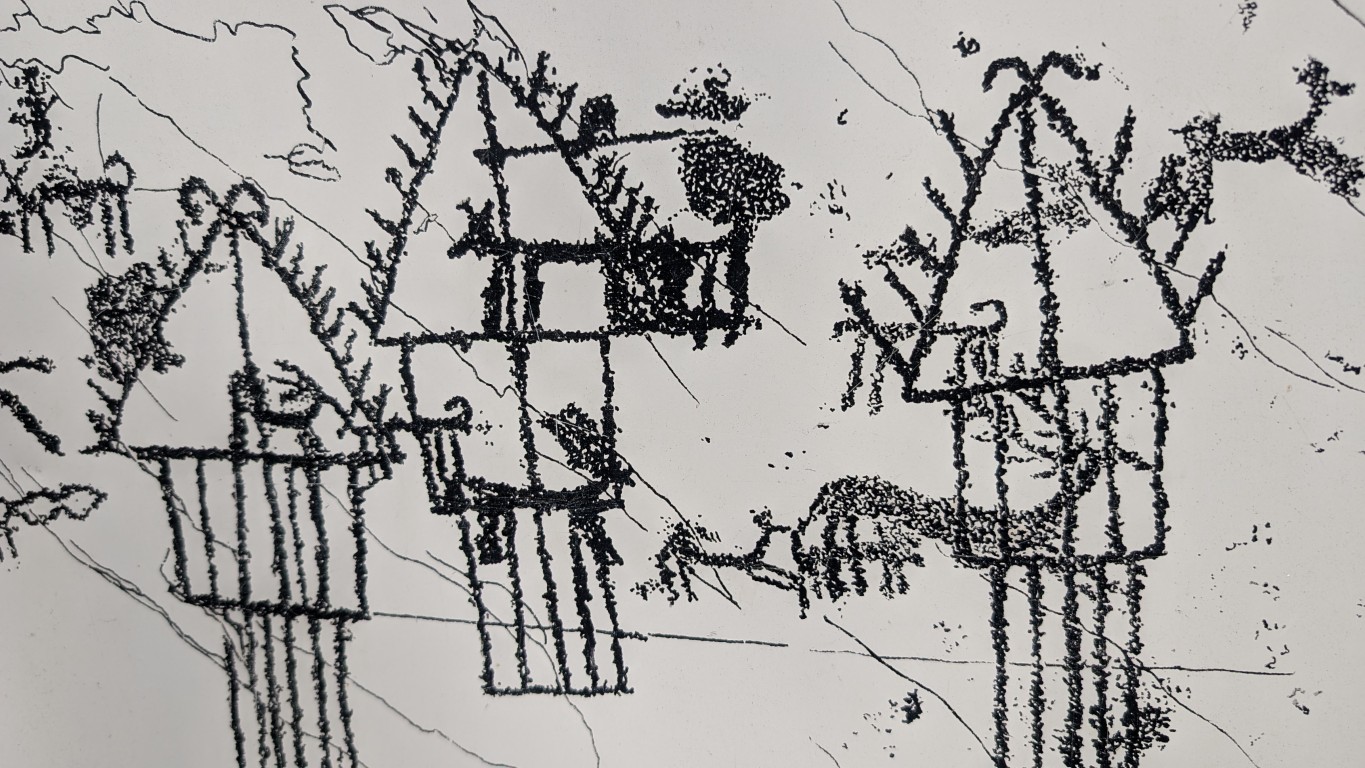
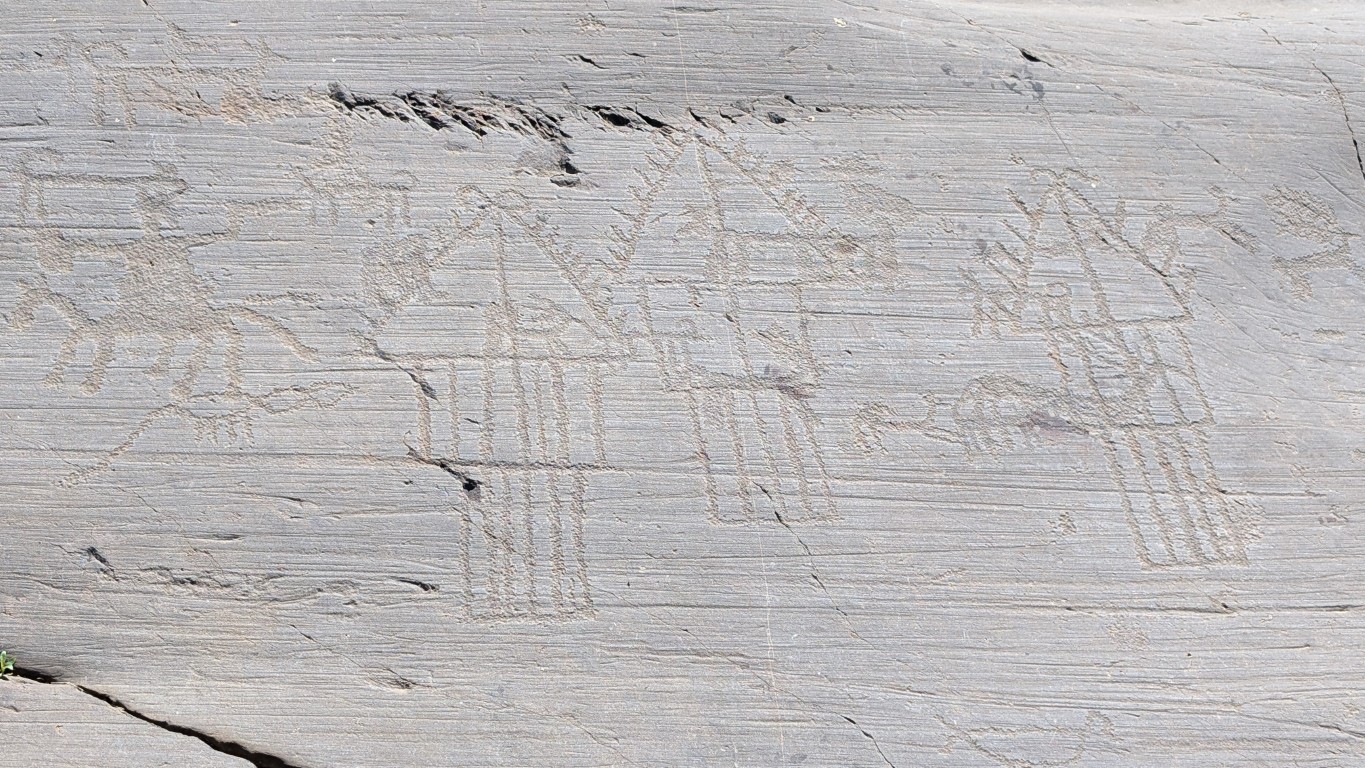
During the Iron Age, the Camunni culture developed in the valley. Their rock art now depicts much more realistic scenes: warriors with helmets and shields, hunts, religious ceremonies, and even architectural representations of houses and temples.
Through contact with the Etruscans, writing also reached the valley. More than one hundred North Etruscan inscriptions have been discovered. Later, Celtic influences appeared, including depictions of the stag god Cernunnos .
With the Roman conquest of the valley in 16 BC, the great era of rock art gradually came to an end.
Naquane National Park
The heart of the rock carving region is today the Parco nazionale delle incisioni rupestri di Naquane . Nestled among shady forests and smooth, polished rocks, visitors can discover hundreds of engravings up close. The park feels less like a traditional museum and more like a journey into a long-lost world.
The engravings have a particularly striking effect in the early morning or evening hours, when the light makes visible the lines and figures that people carved into the stone thousands of years ago.
The legend of the stone hunter
In Valcamonica, an old legend is still told about a hunter who once lived in the mountains above the valley. He was considered the best deer hunter far and wide and mocked the old gods of the forest. One winter, he pursued a mighty white stag to a sacred mountain.
As the hunter was about to throw his spear, the animal turned and looked at him. At that moment, the man turned to stone. The stag vanished into the mist, and the image of the hunter remained forever on the rock.
Many locals believe that some of the ancient rock carvings originated from this very legend – as a warning against disregarding the forces of nature and the gods.
A window into the early history of Europe
The rock carvings of Valcamonica are far more than archaeological relics. They are testimonies to human memory – created over millennia by generations who wanted to understand and preserve their world.
Anyone who wanders through the quiet forests of the valley today and contemplates the ancient symbols in the stone is looking directly into the world of thought of Europe long before the Romans, before the cities and before written history.