There are landscapes that make you look twice to believe they really exist. Porto Pino in southwestern Sardinia is one such landscape: a seemingly endless ribbon of white sand, turquoise sea, Mediterranean scrubland, and gently rolling dunes.
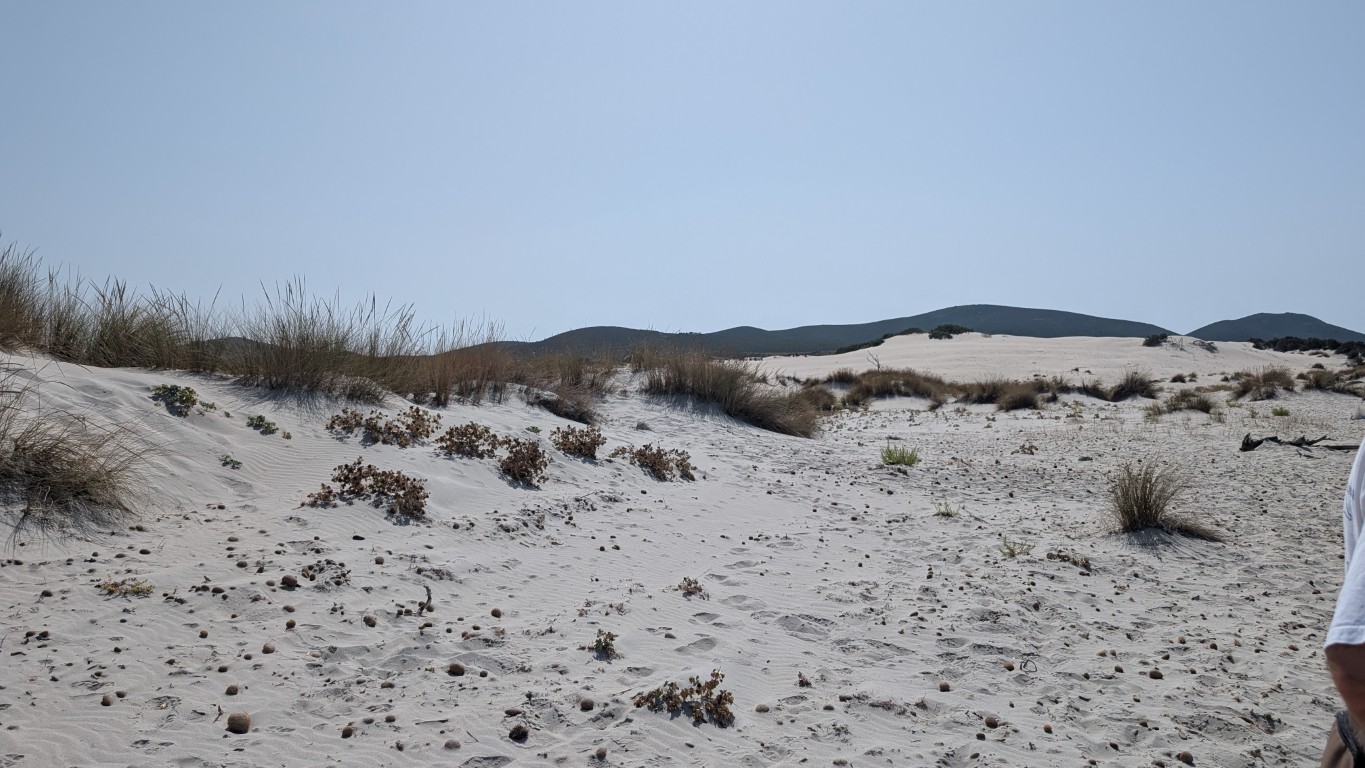
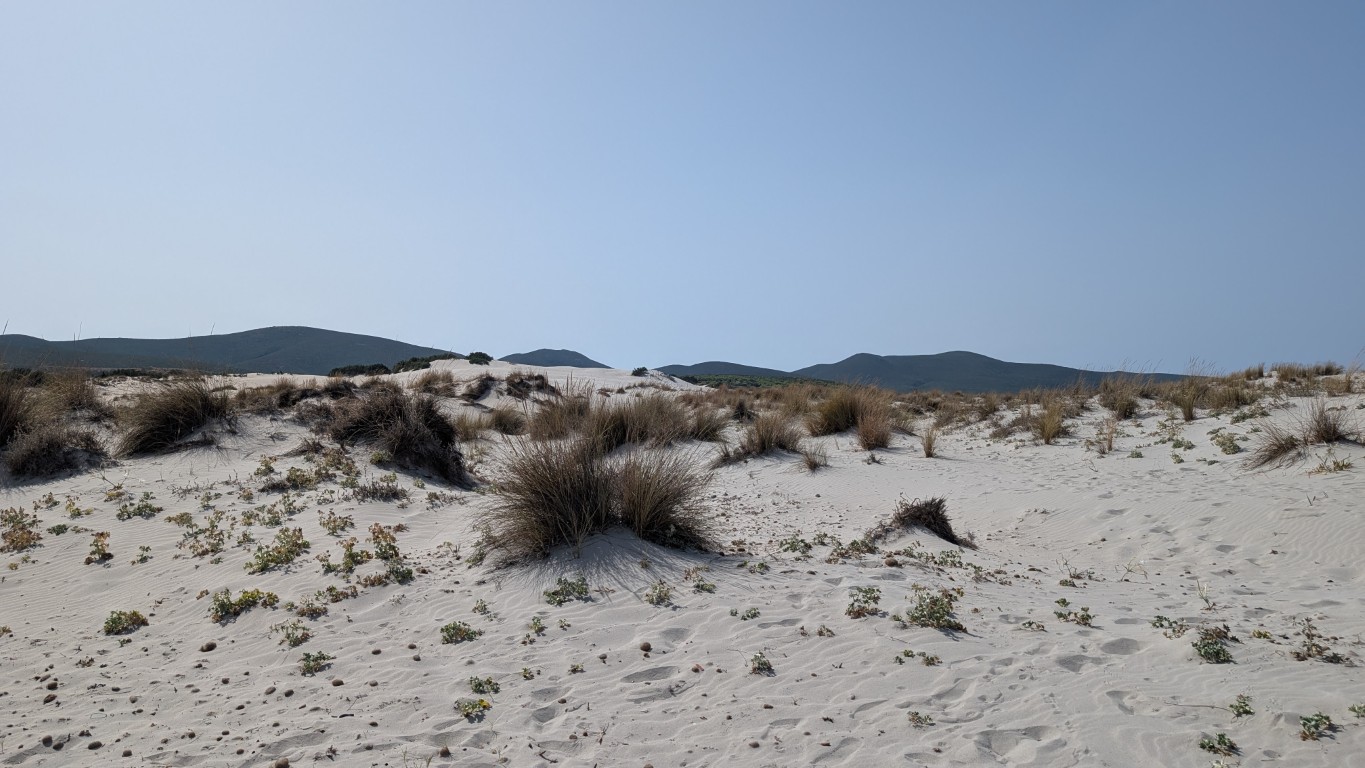
The most famous dunes are called Is Arenas Biancas – the white sands – in Sardinian. They are among the most spectacular coastal landscapes of the Sulcis region. The dunes can reach a height of around 30 meters and stretch for about a kilometer along the coast.
A walk to the white wonder
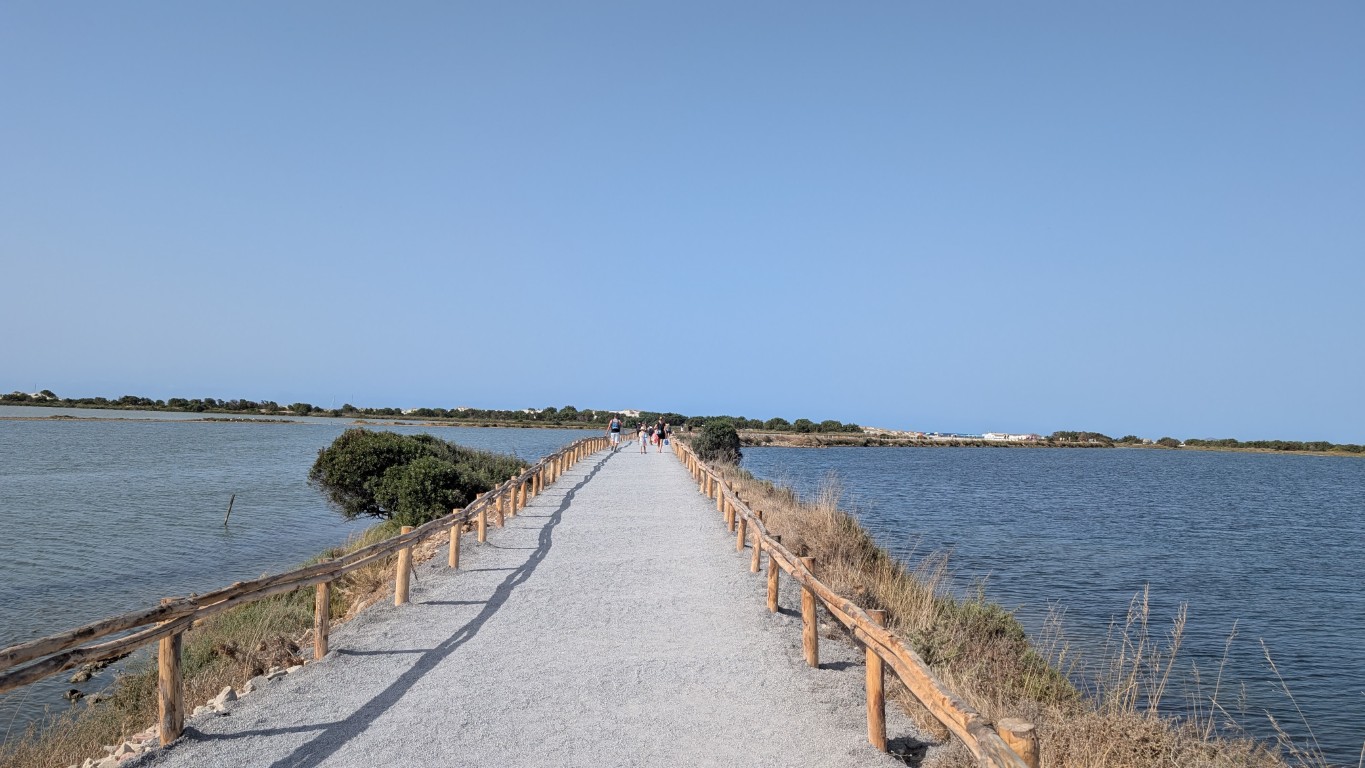
Those wishing to experience the dunes should leave their car near Porto Pino and set off on foot. The walk along the beach is particularly appealing. Beyond the first section lies an extensive Aleppo pine forest , followed by the wetlands and lagoons of Porto Pino.
Then the landscape slowly changes. The green becomes less, the sand lighter – until suddenly the first large white sand dunes appear.
Ahead lies a small Sardinian desert kingdom.
Like a piece of the Caribbean
The contrast is almost unreal: dazzling white, fine sand meets water that changes between emerald green, turquoise, and deep blue depending on the light. Juniper and Mediterranean shrubs grow in between.
The Sardinian Mistral is the great artist of this landscape. It picks up the fine sand, moves it across the coast, and forms the soft, ever-changing dunes. The coastal landscape itself was created over a long period through the interplay of sea, sediments, and wind.
A vibrant landscape
As stable as the dunes may appear at first glance, they are actually quite fragile. Their vegetation plays a vital role in binding the sand and stabilizing the dunes. Among the white hills grow sea lilies, juniper, spurge, and other typical dune plants .
Therefore, one should not climb the dunes or walk across their delicate crests . Every step can damage the vegetation and thus impair the natural development of the dunes. The most beautiful view of this fragile natural work of art is, in any case, from the designated paths and the beach.
Between dunes and lagoons
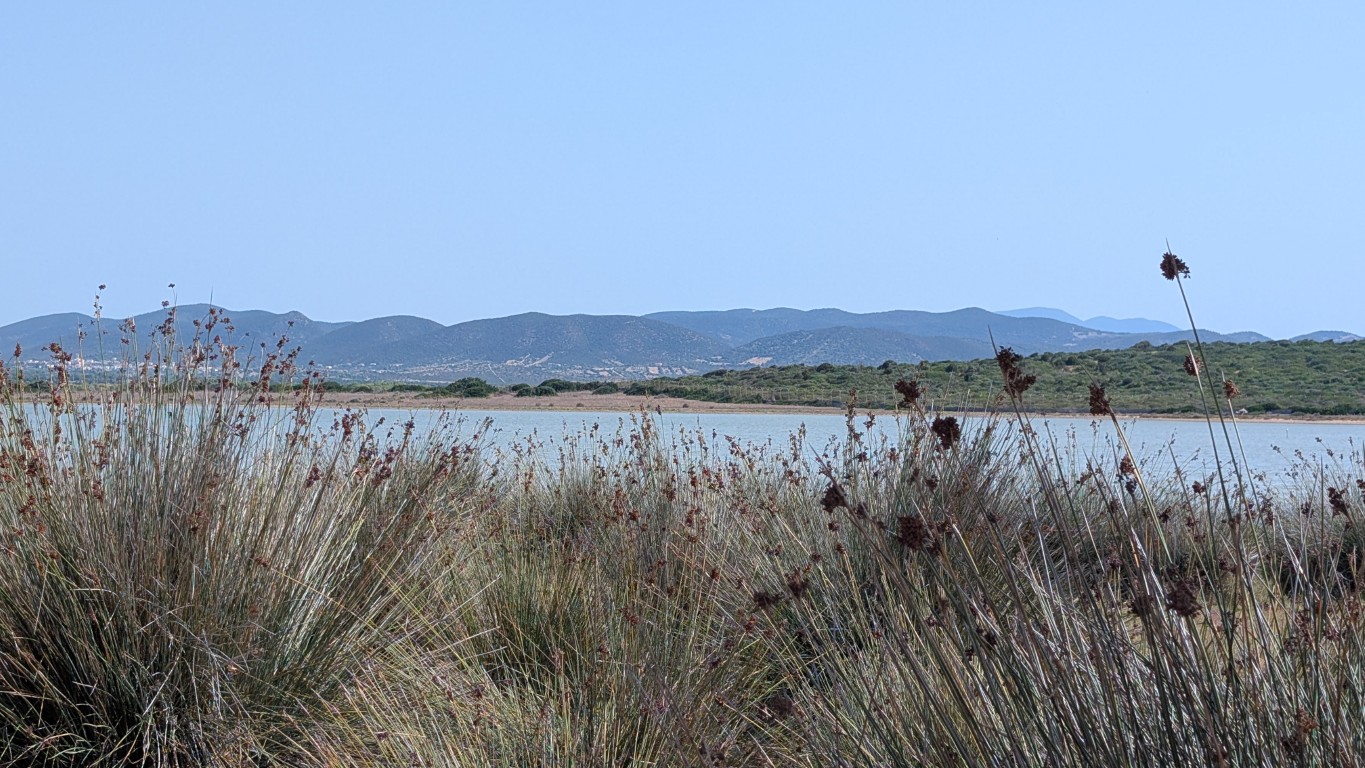
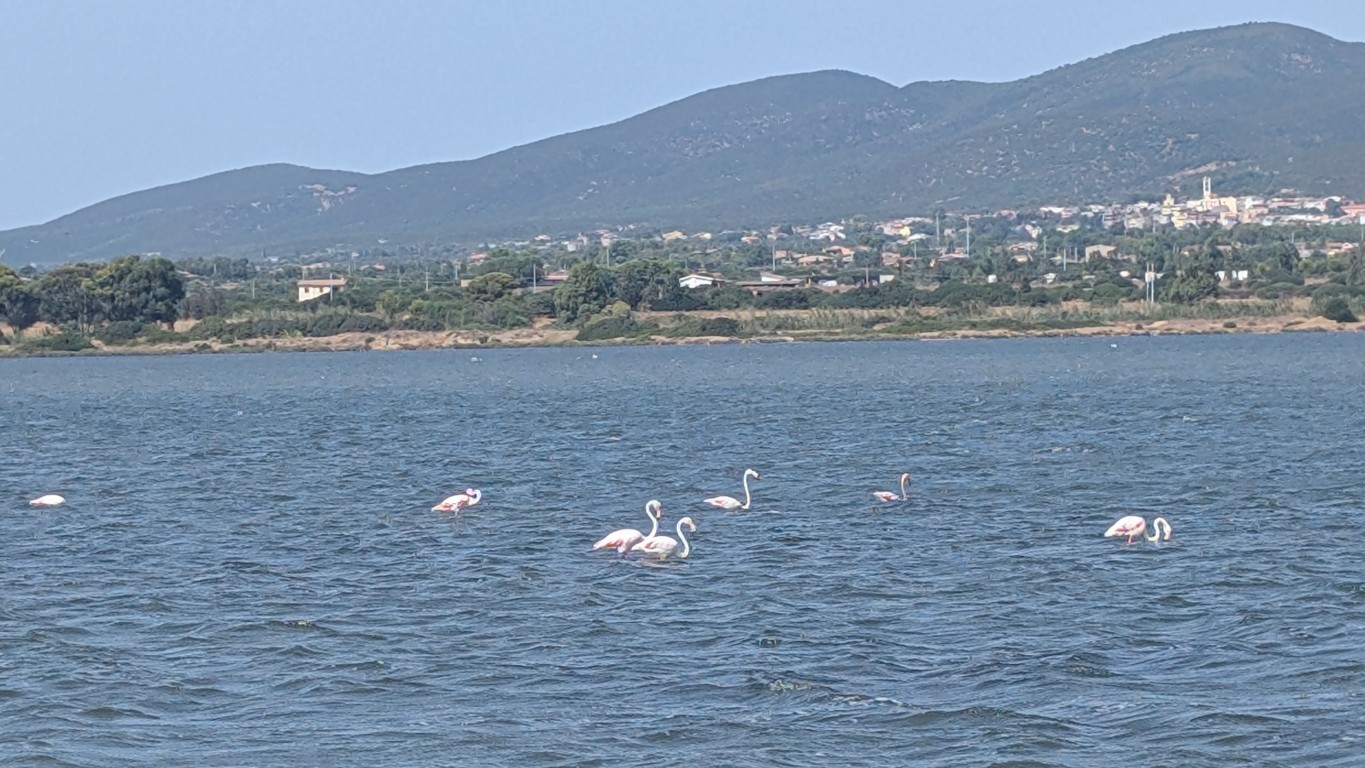
Beyond the coastal strip lies another, entirely different world: the wetlands of Porto Pino . The lagoons form an important habitat for numerous bird species and are located within the Natura 2000 site "Promontorio, dune e zona umida di Porto Pino". With a bit of luck, flamingos and other water birds can be observed, especially in the Stagni area.
Porto Pino is therefore much more than just a beautiful beach. Here , sea, dunes, pine forest and wetlands meet in a very small area.
A place with two faces
Today, Porto Pino is primarily associated with white sandy beaches and turquoise waters. However, the bay also boasts a long history. It was used as a port as early as Phoenician-Punic times, and later served as a trading post for the Romans.
And more recent history has also left its mark. Behind the dunes lies the extensive military training area of Capo Teulada. Part of the dune area is located within this area, which is why access to certain sections of the beach may be restricted seasonally.
Early in the morning, the landscape is yours
In summer, Porto Pino is one of the most popular destinations in southern Sardinia. Those who want to experience the dunes in their most tranquil and magical form should therefore arrive as early as possible. At that time, the light still lies softly on the sand hills, the wind carries the scent of juniper and maquis shrubland, and the first rays of sunlight illuminate the sea behind the dunes.
Perhaps this is precisely the moment when Porto Pino is at its most beautiful:
When the white dunes are still, the Mistral wind gently sweeps over their crests, and Sardinia seems for a moment like a landscape from another world.