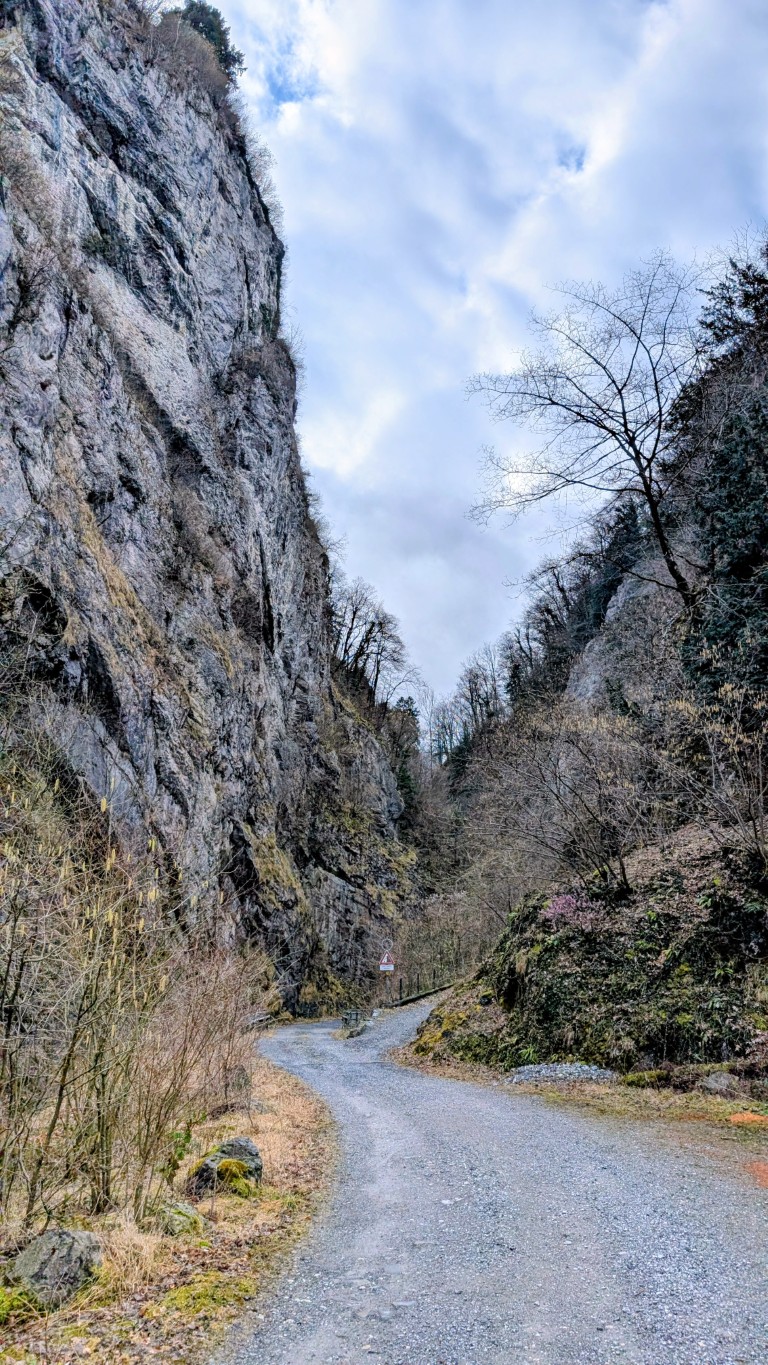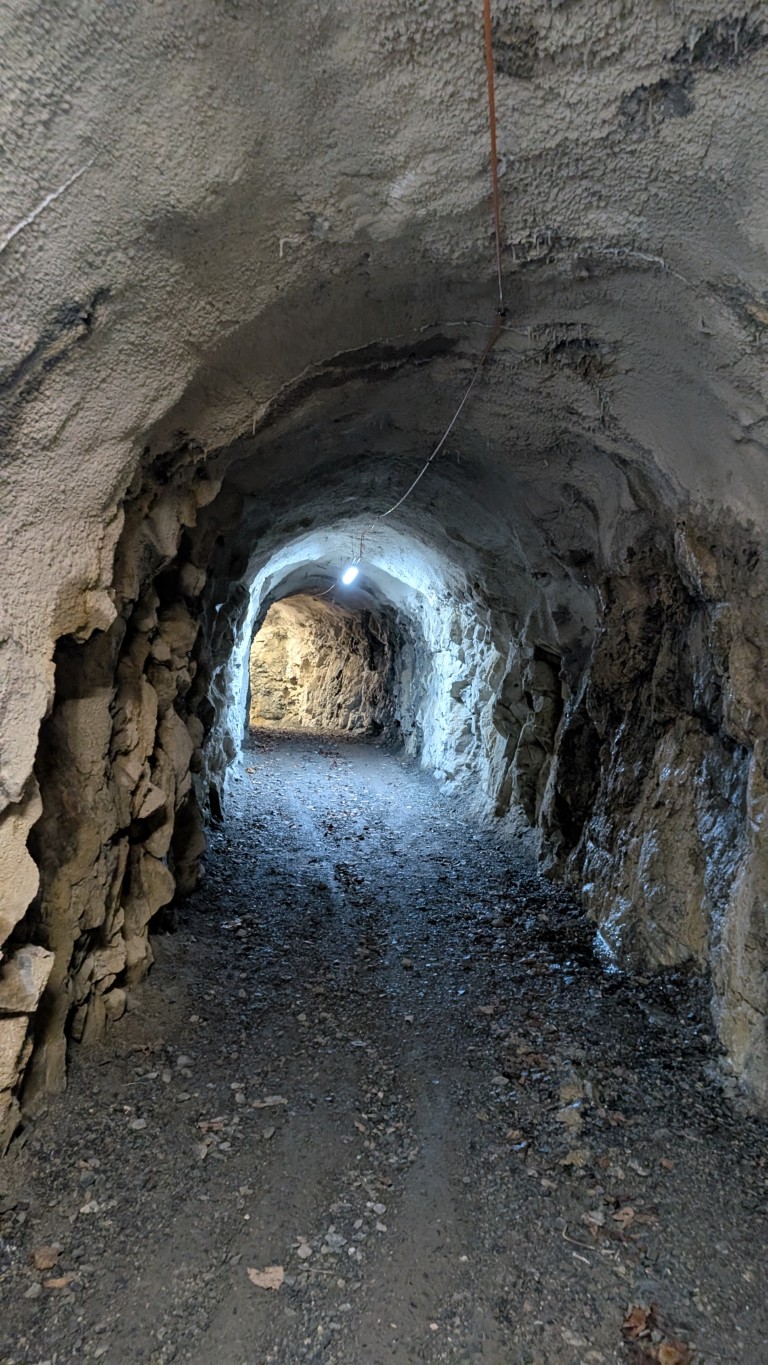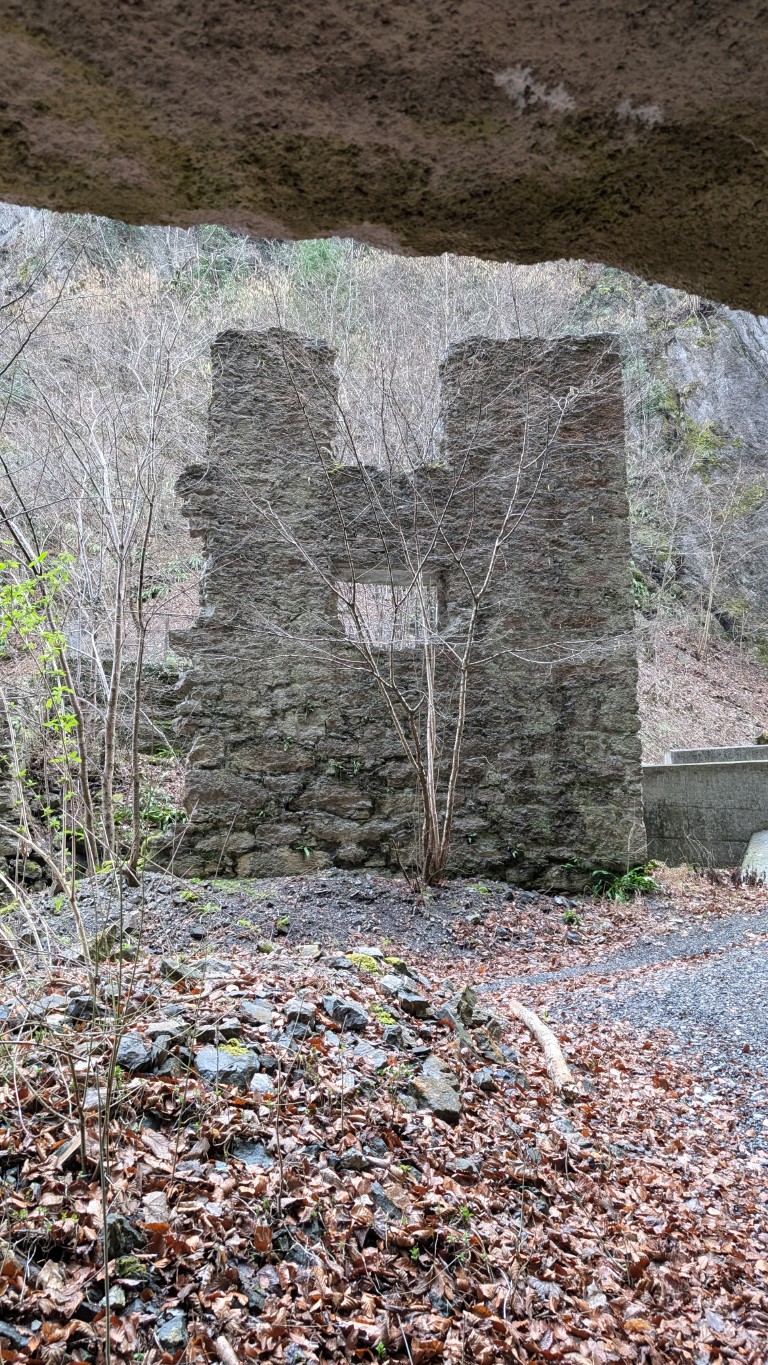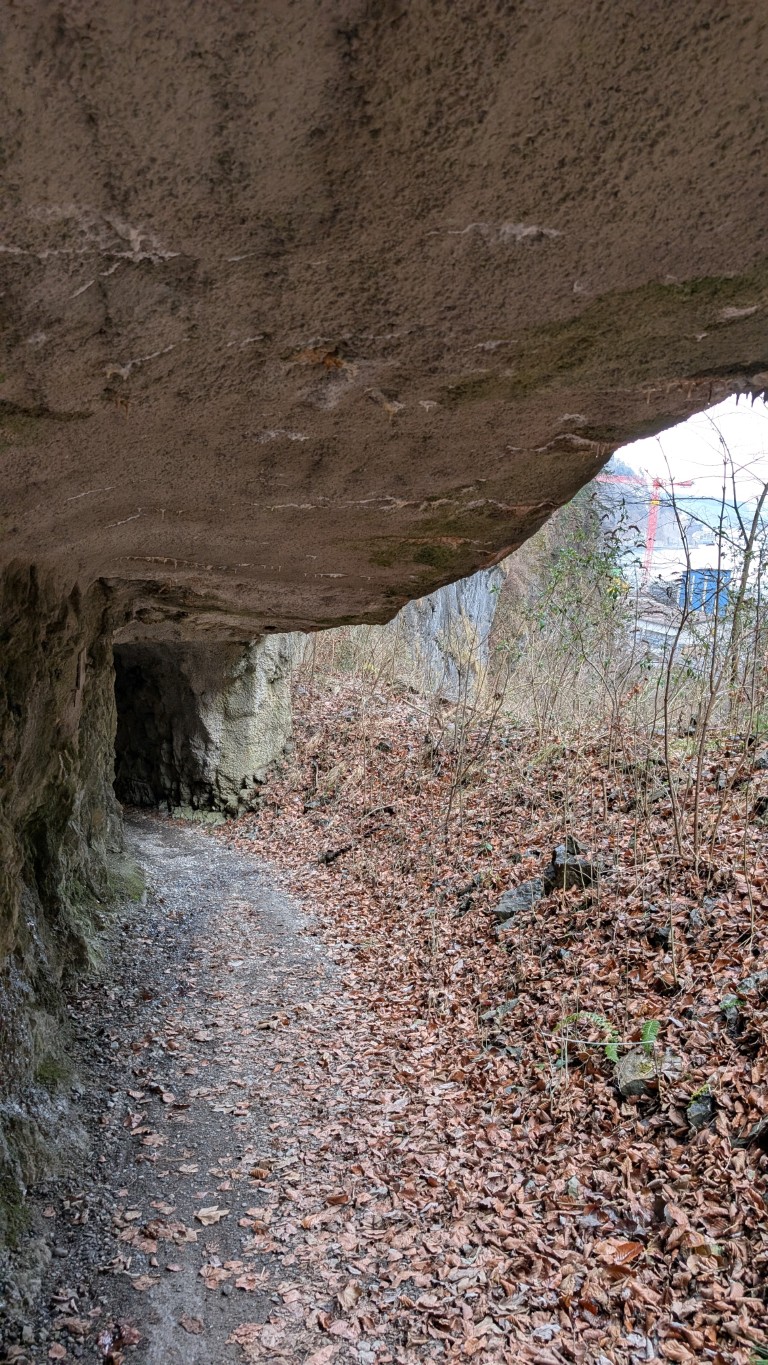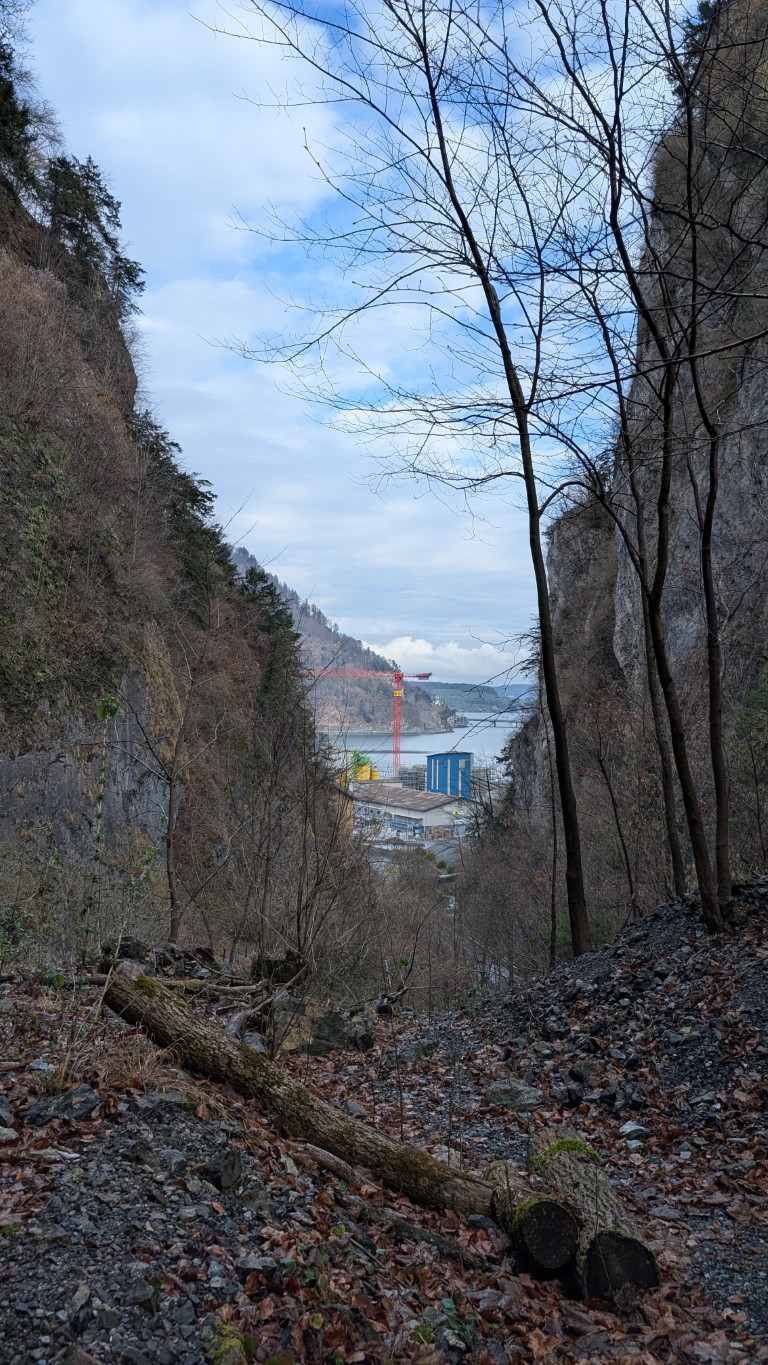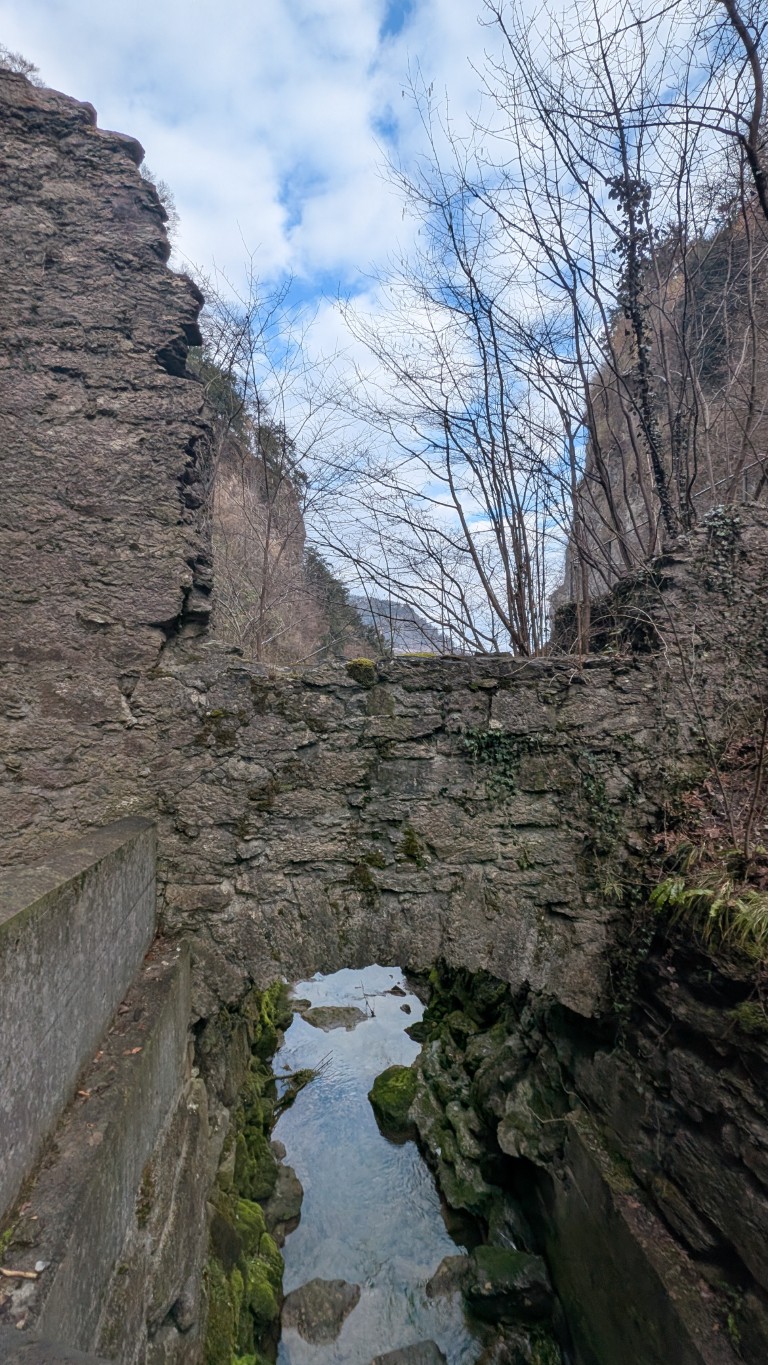
West of Stans, a wild cleft opens up in the mountain: the Rotzschlucht gorge. It separates the Rotzberg from the Mueterschwanderberg – and yet acts like a link between times and worlds.
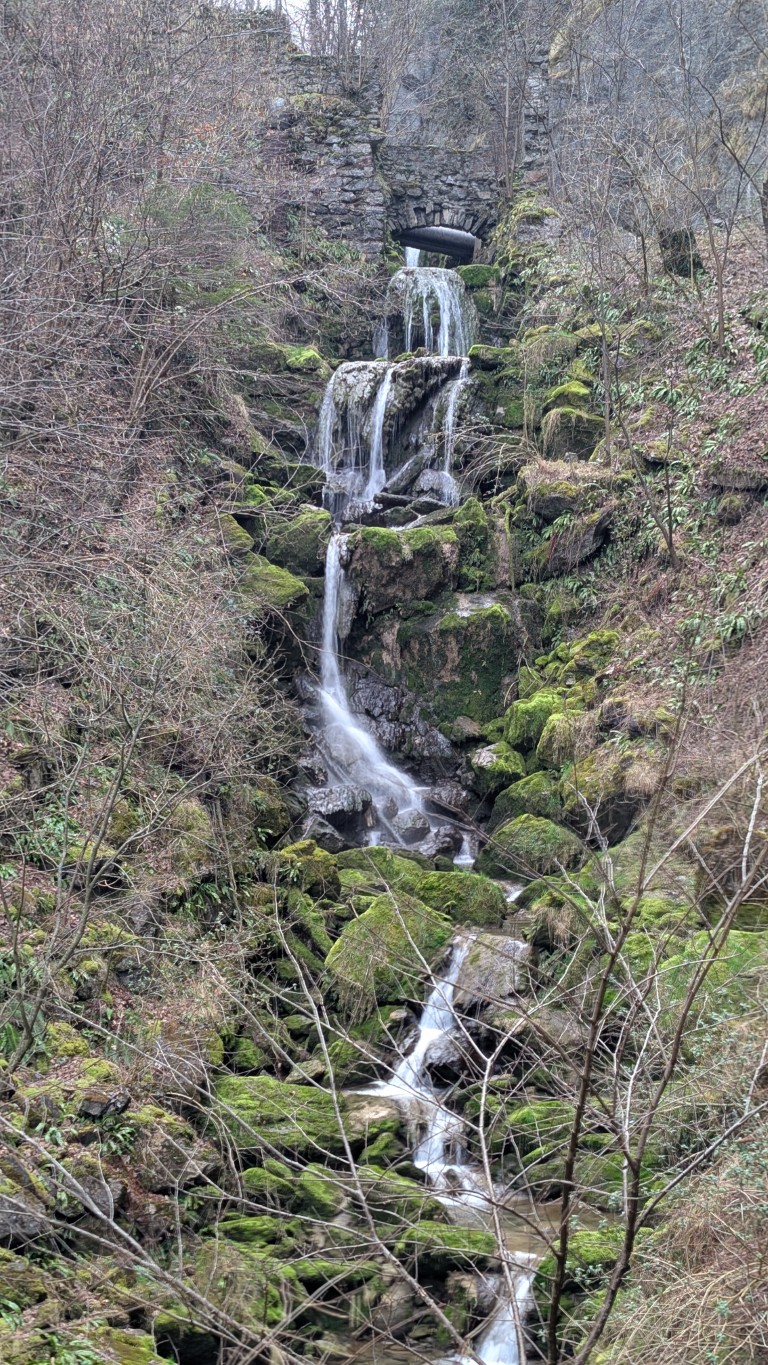
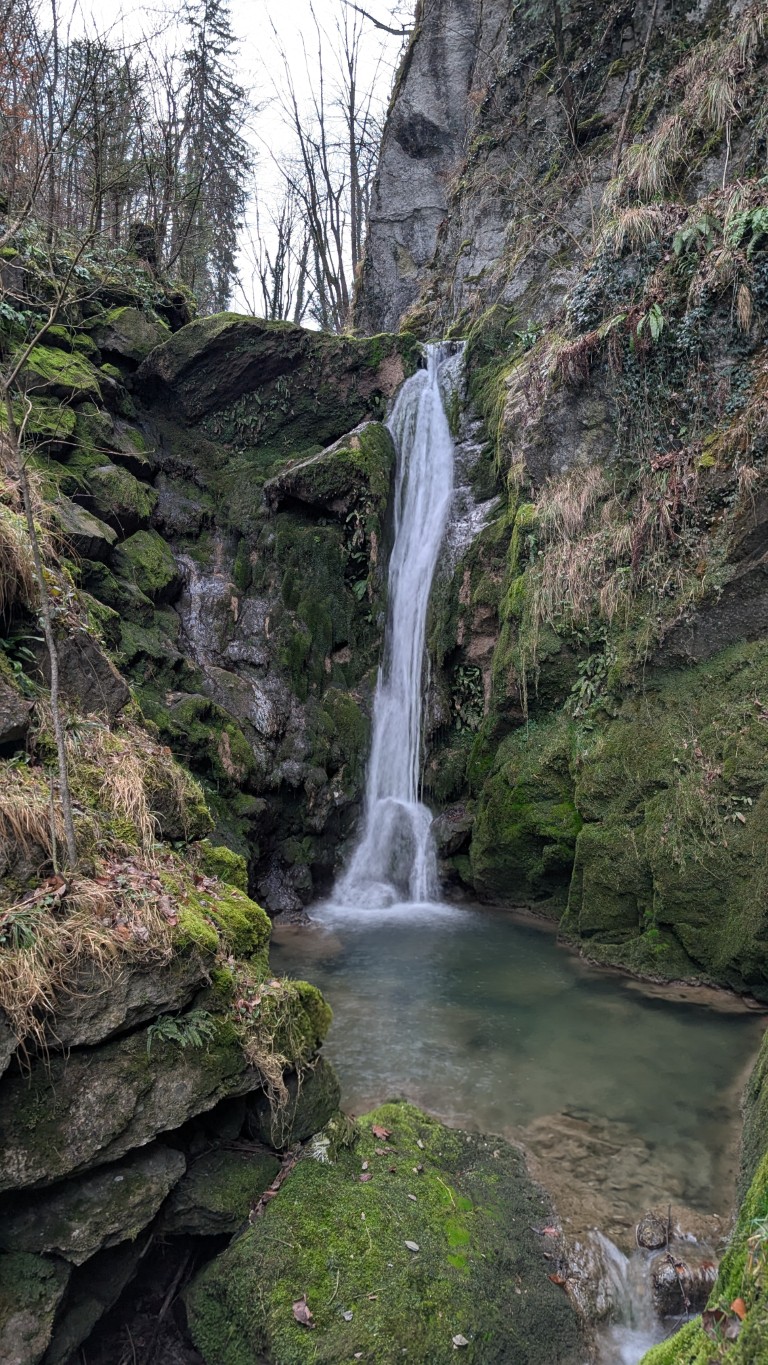
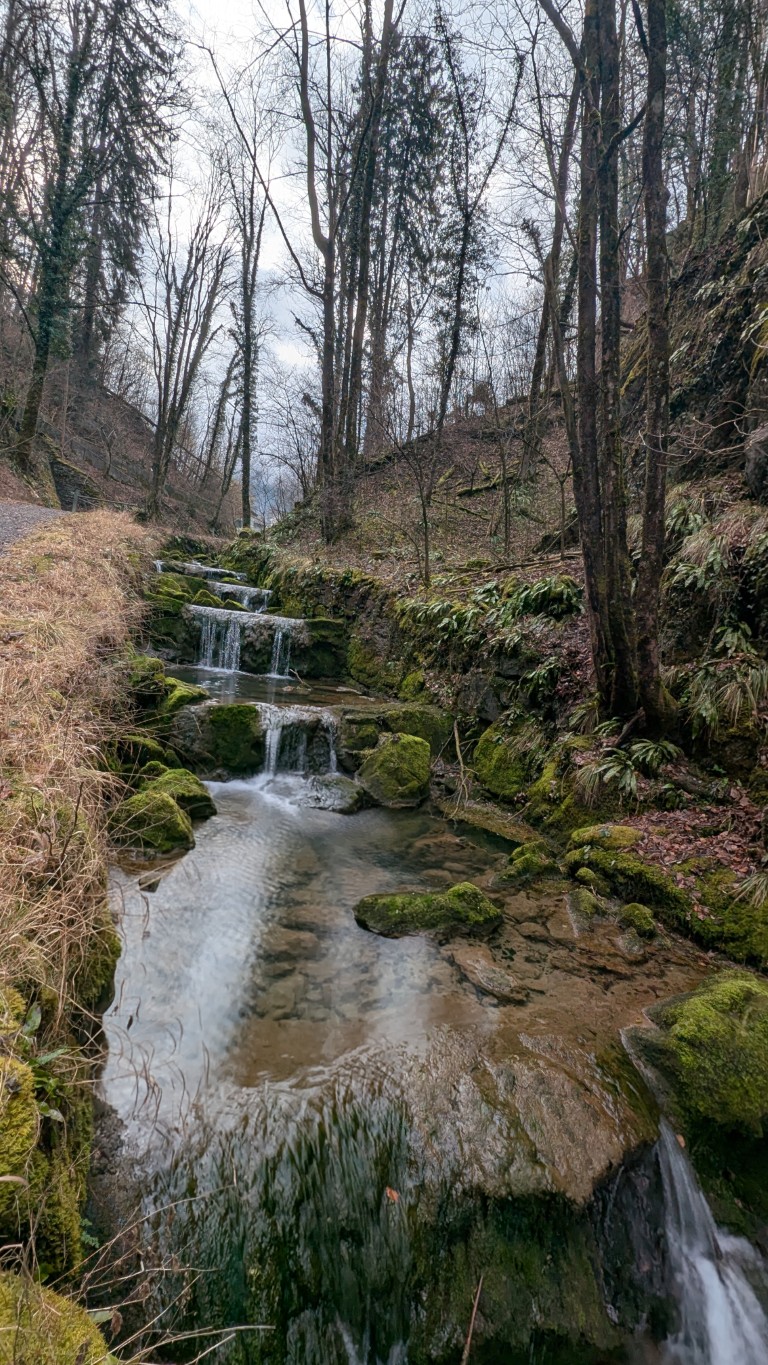
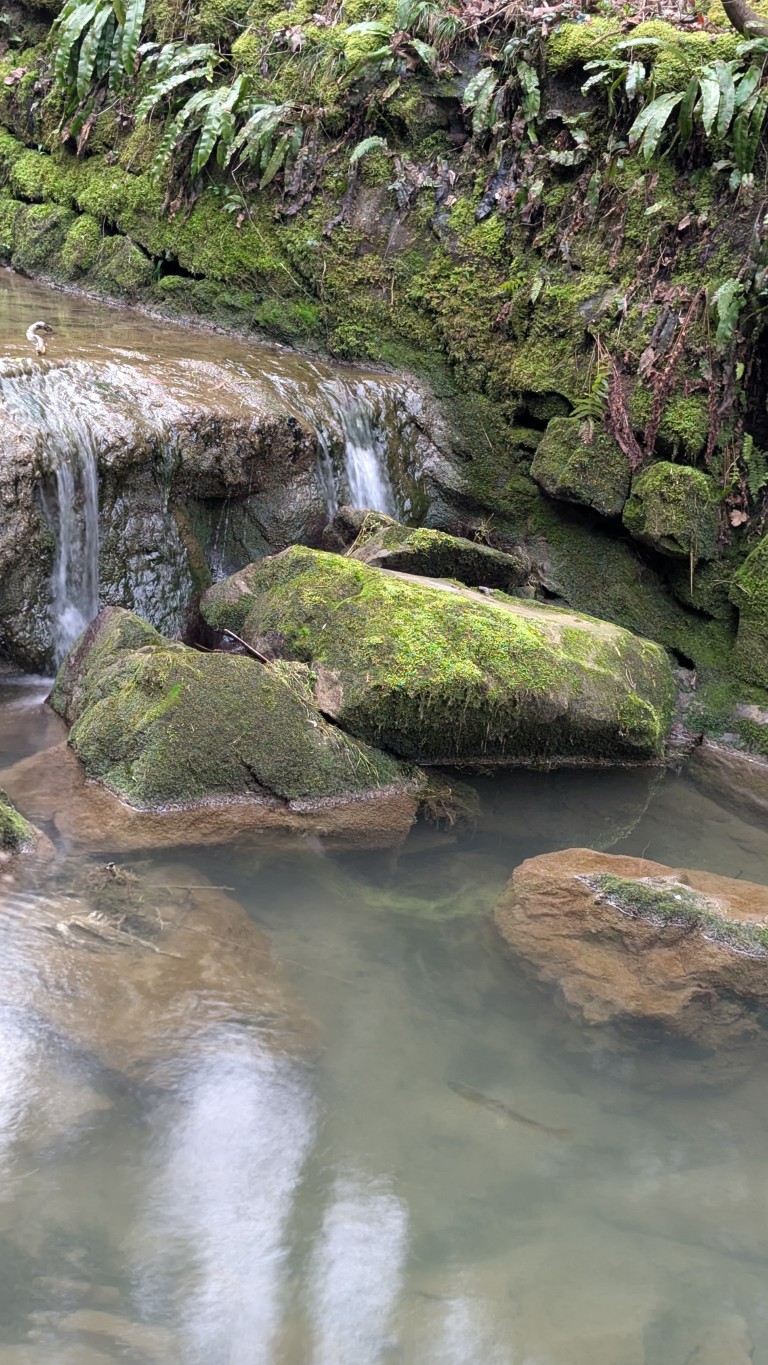
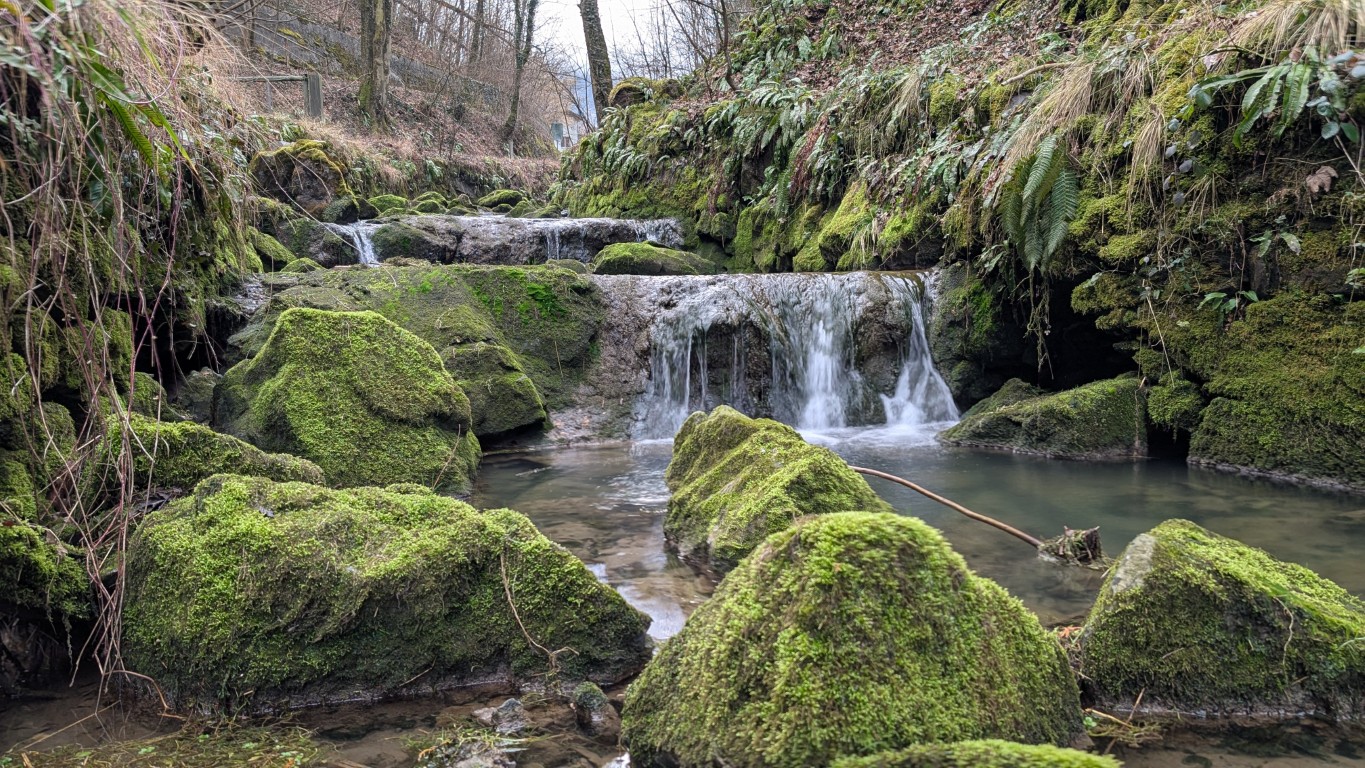
Here, the Melbach stream rushes through shady narrows, past damp rock faces where mosses and ferns thrive. Rare amphibians live in the pools and along the stream banks, hidden and vulnerable, while above them rise the steep slopes of the Rotzberg mountain.
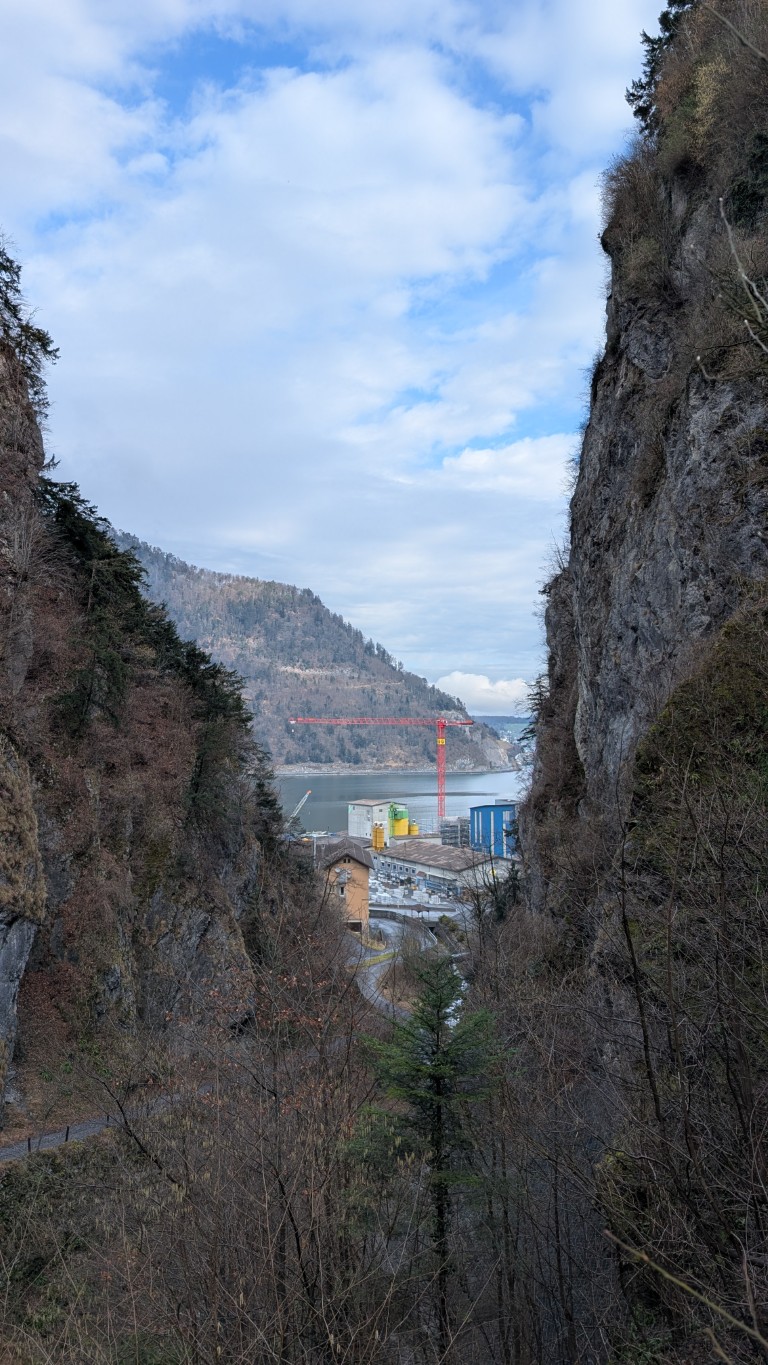
At the mouth of the gorge lies Rotzloch on the shore of Lake Alpnach – a place that thrived on water and stone from early times. A paper workshop is documented here as early as 1597. A mill, oil press, gunpowder mill, sawmill, tannery, and ironworks followed. Names like Nikolaus Riser represent this early entrepreneurial spirit that transformed the remote valley into a proto-industrial center.
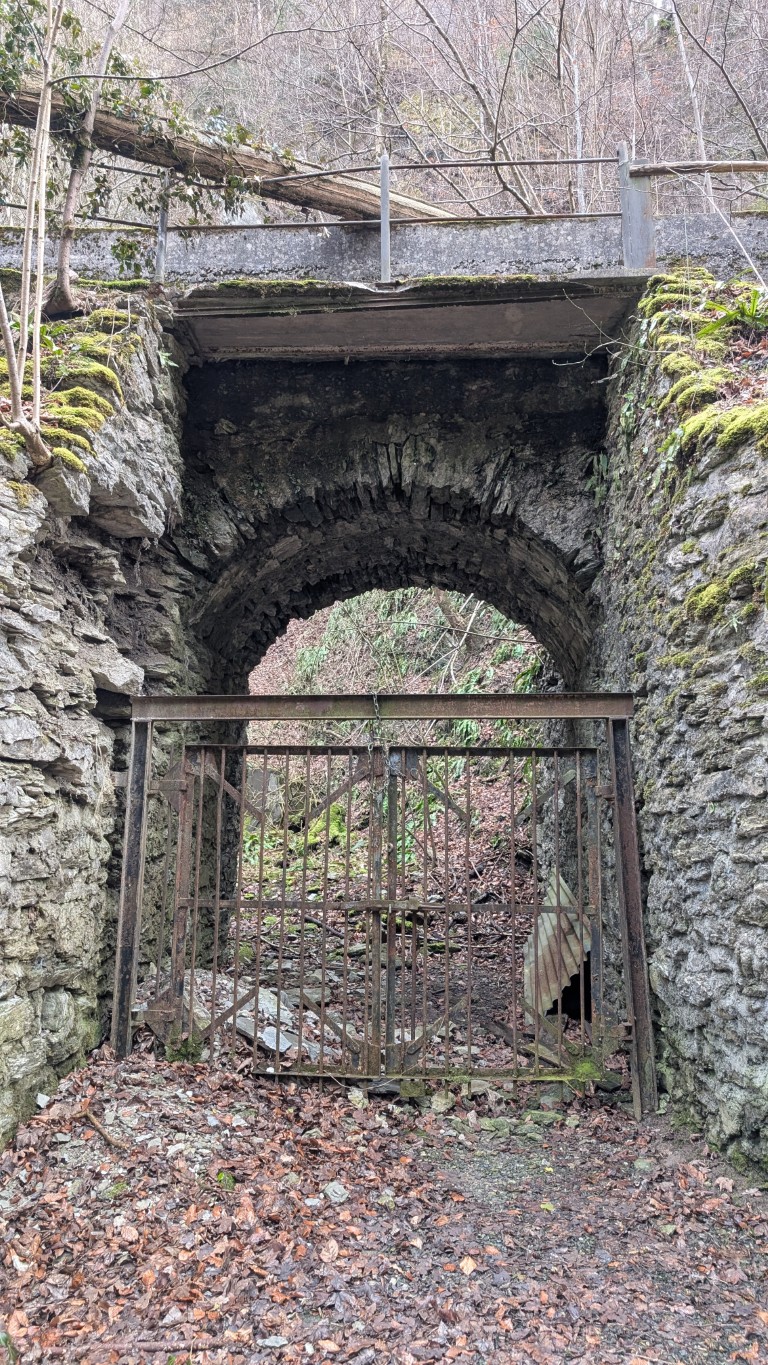
In the 19th century, a hotel and spa brought new visitors to the lake, while natural ore deposits were discovered on the Rotzberg mountain. The Rotzloch cement factory was built in 1882 – a visible sign that the mountain was not just a scenic backdrop, but also a source of raw materials. Since the 20th century, quarries have dominated the landscape; the rock continues to be extracted and processed to this day.
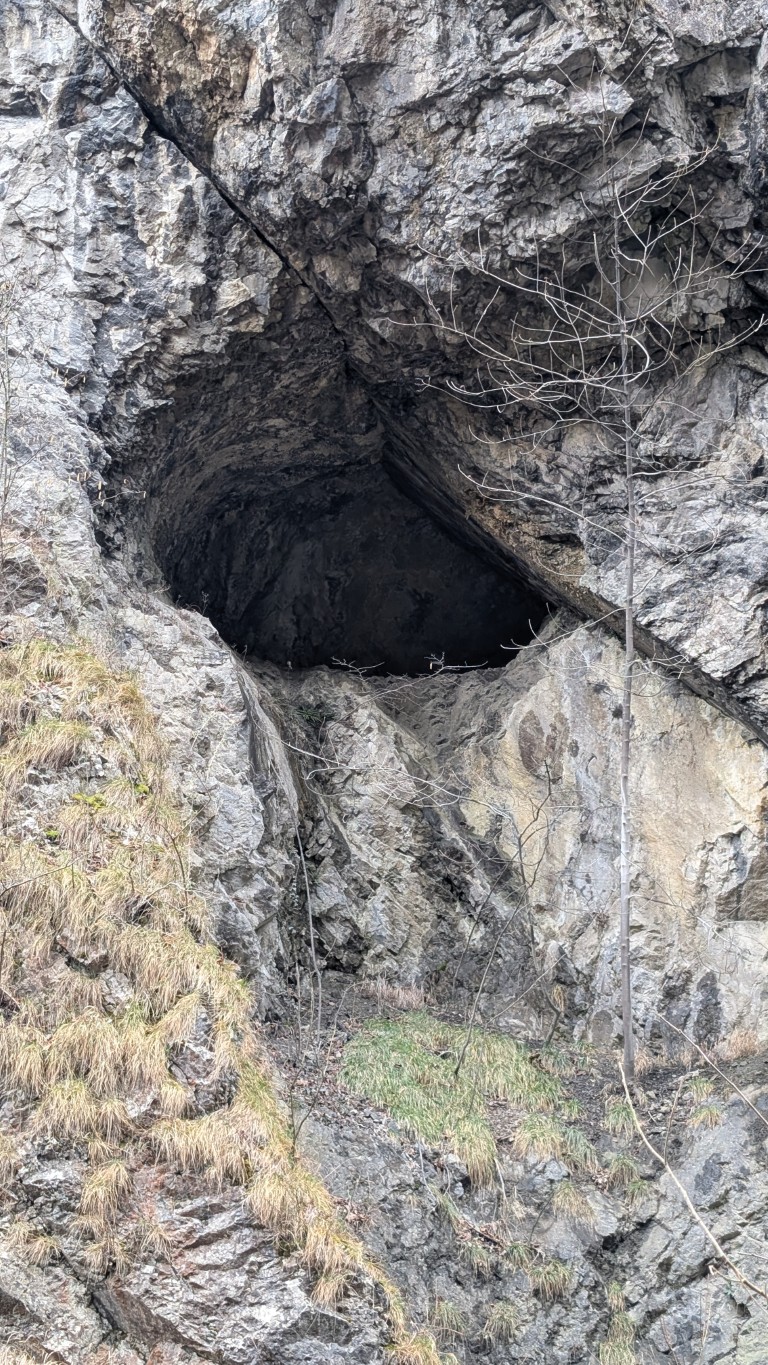
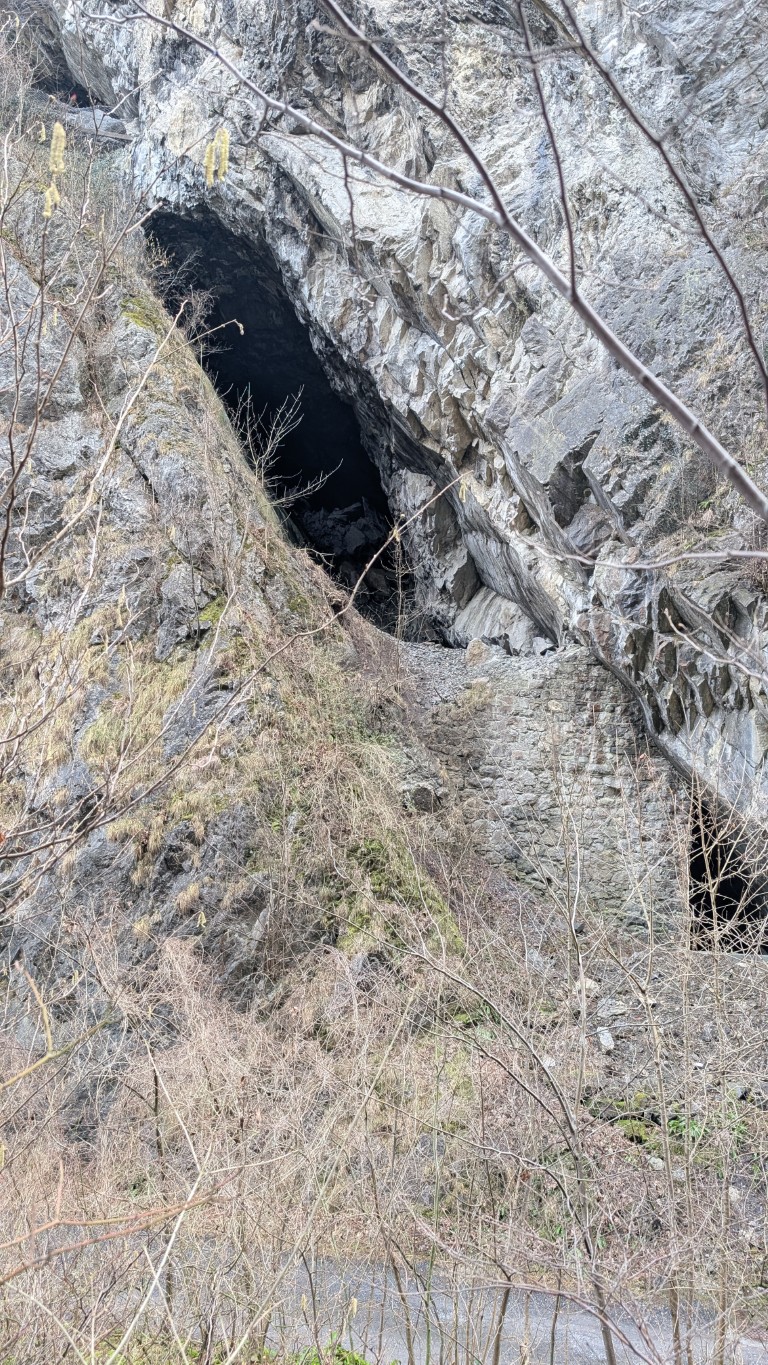
Thus, in the Rotz Gorge, contrasts meet: tranquil nature and bustling industry, a wild stream and the precise rhythm of machinery. The rock tells of millions of years, the buildings of centuries, the water of constant change.
Anyone who pauses here will sense: This gorge is not a peripheral area. It is a core piece of Nidwalden's history – rugged, authentic, and full of depth.