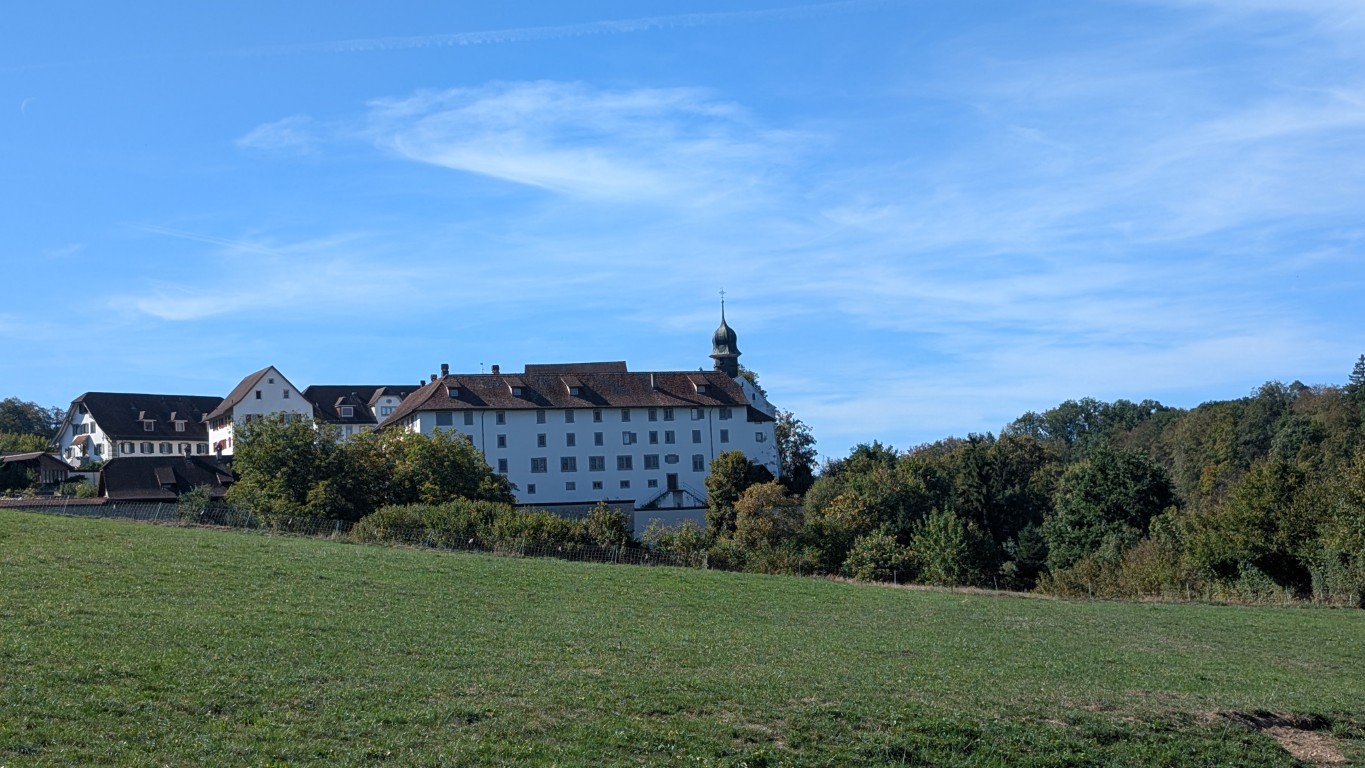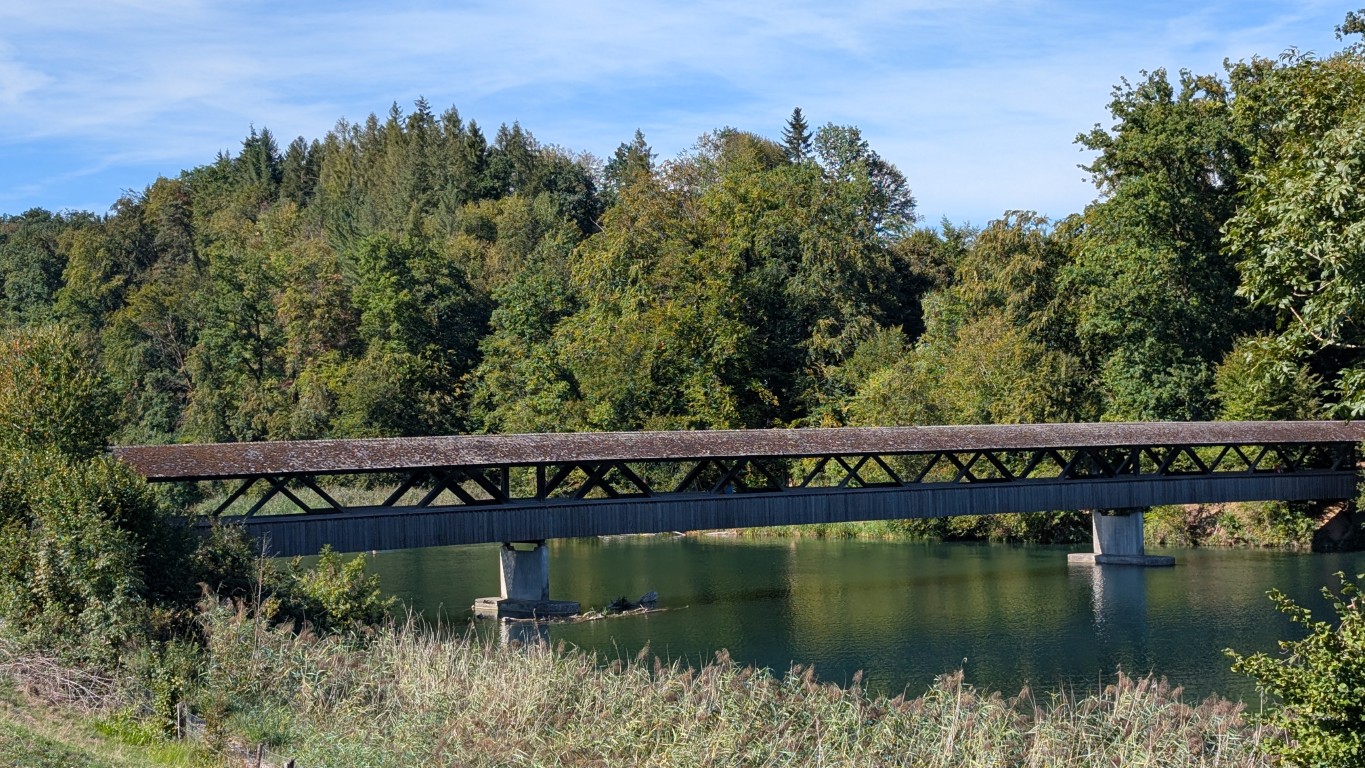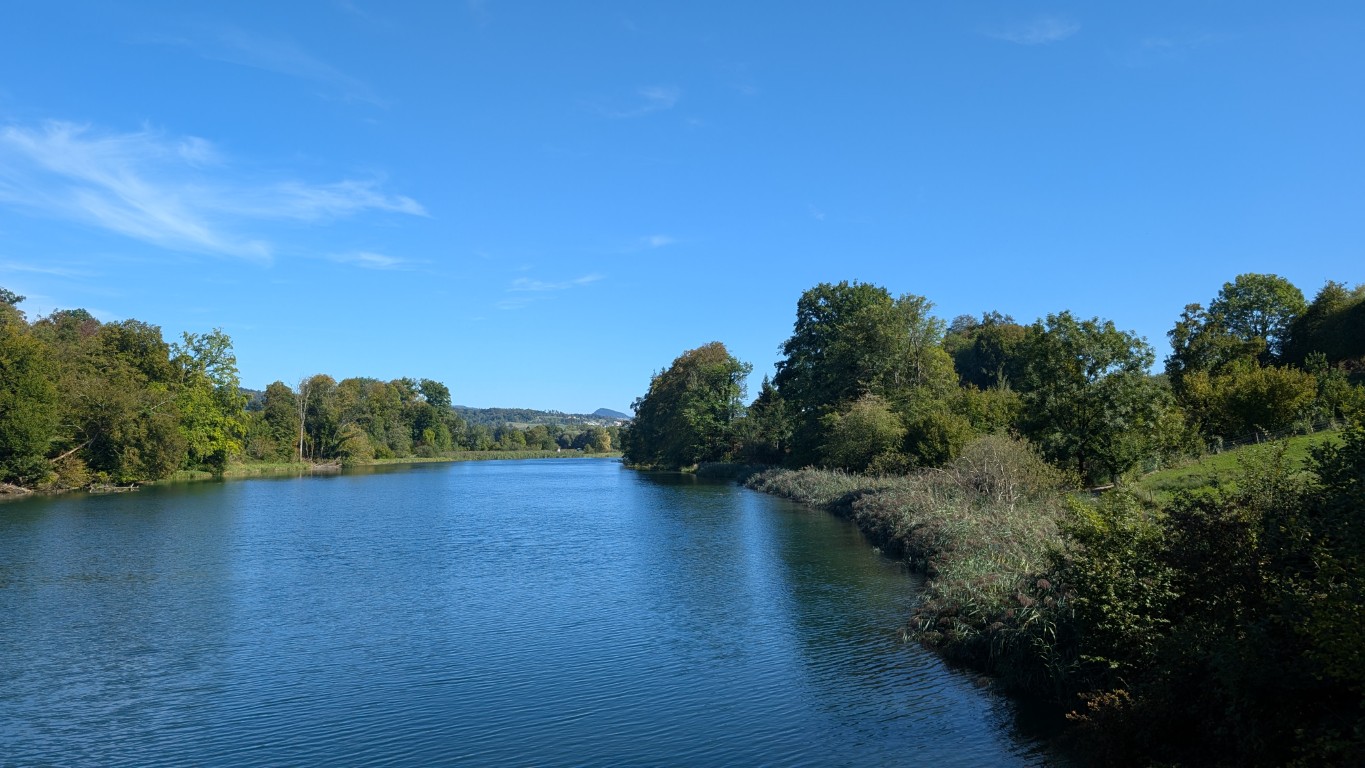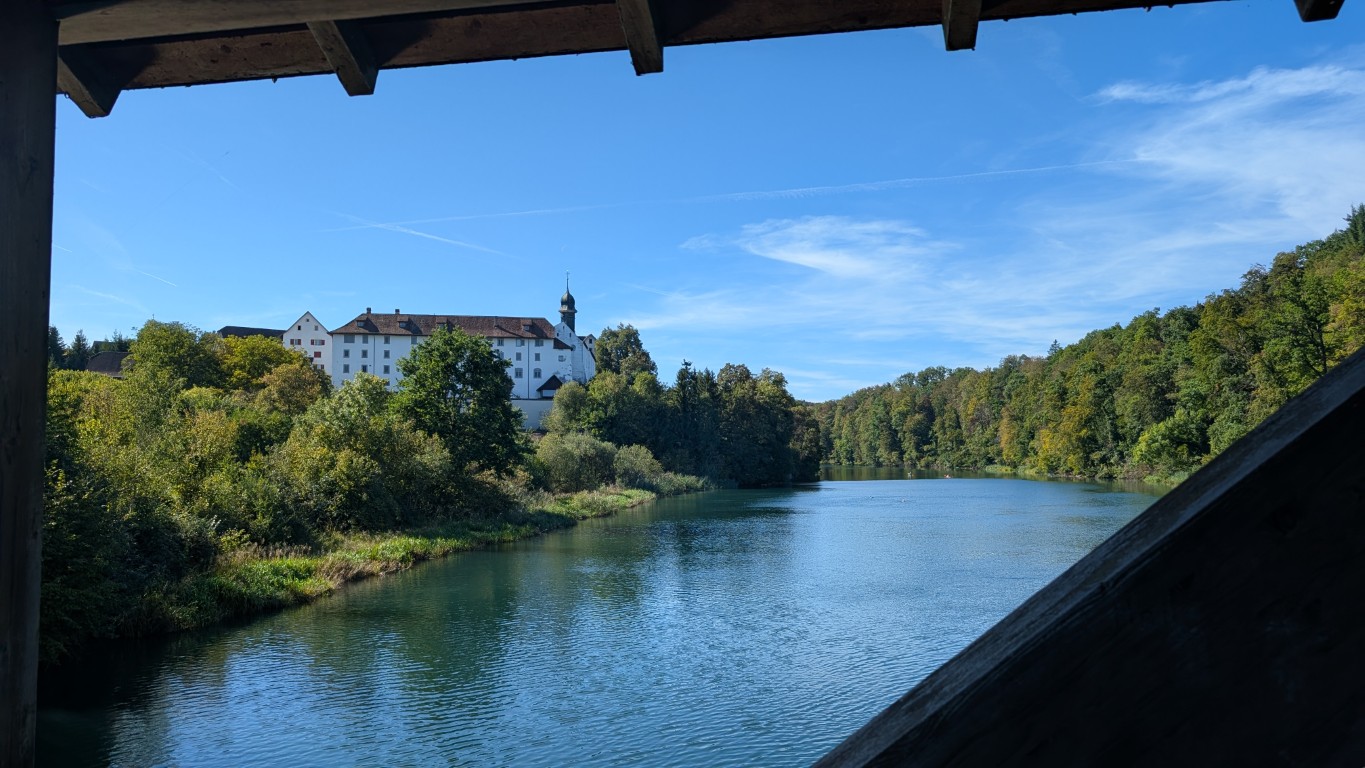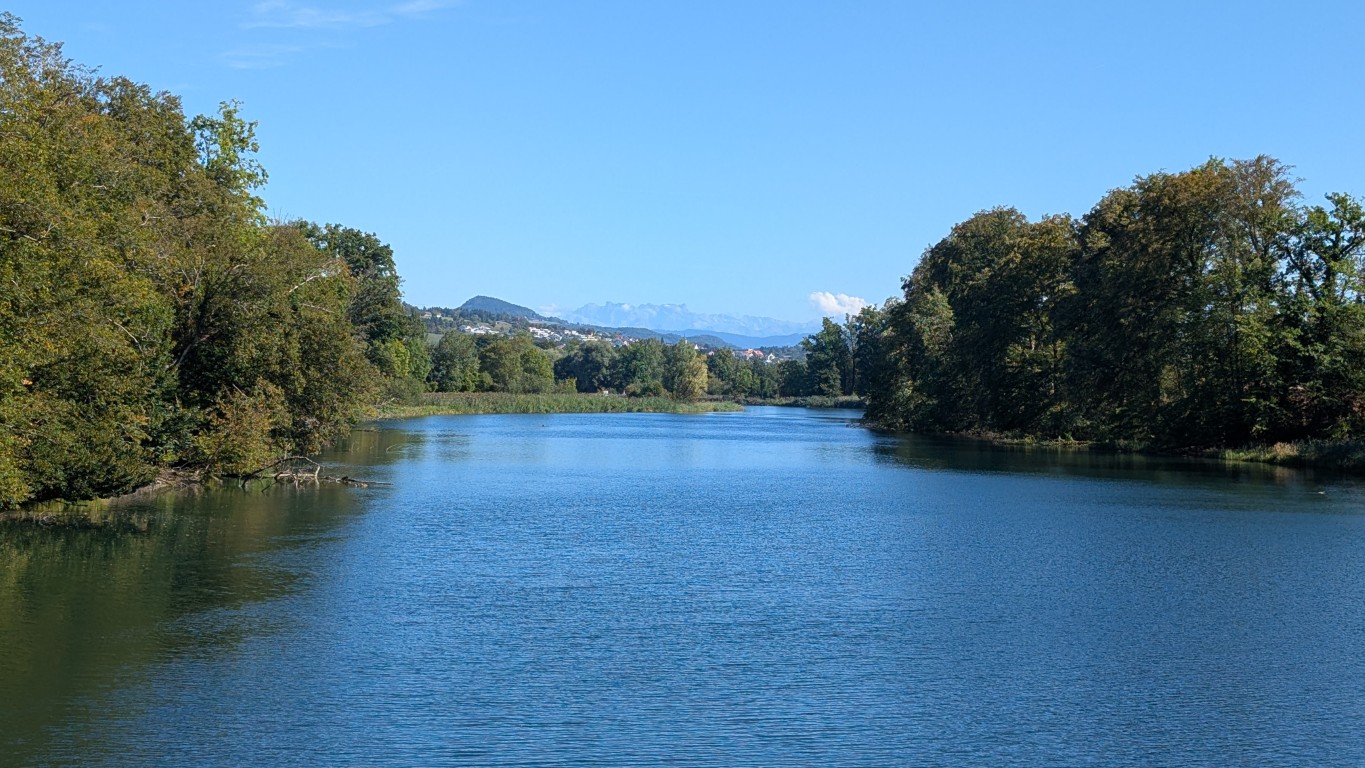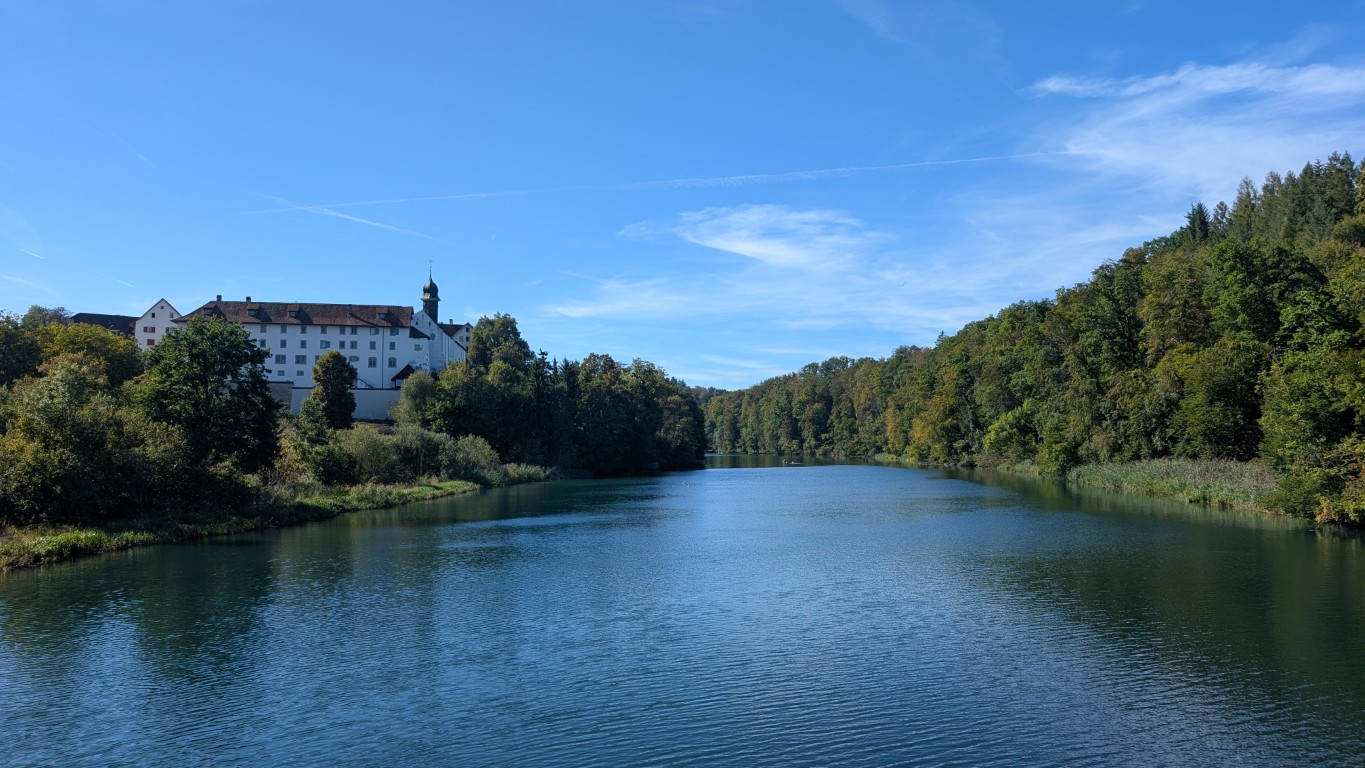
Above the banks of the Reuss River, a little way from Bremgarten, lies a place that is remarkably well removed from the noise of the world. Behind walls and old monastery buildings, a community lives in Hermetschwil whose history stretches back almost a thousand years.
This isn't about grand towers, battles, or opulent princely courts. The story of this place is quieter. It's about women who prayed, worked, wrote, sang, and managed the economy – and about a monastery that, despite dissolutions, political upheavals, and centuries of change, always returned.
Today, nine Benedictine nuns live here according to the Rule of Saint Benedict. Their motto is "Pray and work" .
A monastery that came from Muri
The story actually begins not in Hermetschwil, but a few kilometers away in Muri .
Around 1083, the Benedictine monastery there was expanded into a double monastery as part of the Hirsau Reform. In addition to the monks, a convent of nuns also lived there. Towards the end of the 12th century, the Benedictine nuns moved to Hermetschwil, where the Muri Abbey transferred extensive landholdings and manorial rights to them.
The new location above the Reuss river was more than just a piece of land. It became the home of a women's community that remained closely connected to Muri for centuries.
As early as 1300, the nuns largely managed their own property. Since 1309, the monastery even possessed its own seal.
Women, property and power
However, medieval monastic life was far removed from the image one might have today of a secluded nunnery.
Initially, many of these women came from the Habsburg ministerial nobility, later from wealthy bourgeois families in Zurich, Basel, and Aargau. They possessed their own assets and benefices and were quite economically influential.
The monastery owned manors in Hermetschwil, Eggenwil and Rottenschwil , as well as other scattered properties in the Reuss and Bünz valleys.
Behind these silent walls, it wasn't just prayer that took place. Here, administration, calculations, negotiations, and decisions about the land and its people were made.
A time without strict exams
The world of the late medieval women of Hermetschwil is particularly surprising.
The convent was not yet strictly secluded at that time. The women were allowed to leave the monastery, travel, and even go on pilgrimages. Historical sources even report visits to the baths of Baden.
Only the Catholic reform after the Council of Trent fundamentally changed life.
After initial resistance, benefices were abolished, enclosure was introduced, and communal life was reorganized according to the Rule of St. Benedict. In 1636, Hermetschwil was elevated to the status of an abbey .
Thus began a golden age.
The convent grew at times to include 17 to 20 choir nuns and several lay sisters. The monastery complex was also expanded and, in the 16th and 17th centuries, largely acquired the form it still retains today.
The dark years
But the history of the monastery also includes times when its future was anything but certain.
In 1841, the Grand Council of Aargau decided to dissolve the monasteries. Hermetschwil was initially closed, but reopened in 1843. A second dissolution followed in 1876.
The nuns had to leave their home once again. Parts of the monastery complex were sold, and a children's home was established in the former farm buildings. However, some sisters were able to remain in the monastery building that had been repurchased.
In 1892, the seat of the convent was moved to Habsthal in Württemberg . Hermetschwil remained as a priory.
It could have been the end of an almost eight-hundred-year history.
But it wasn't.
The return
The legal situation changed fundamentally only in 1973. After the repeal of the denominational exception clauses in the Federal Constitution, the monastery regained its right to exist and was once again allowed to accept novices.
Hermetschwil was elevated to the status of an abbey again in 1985. Since 1986, Hermetschwil and Habsthal have been two independent monasteries.
Almost nine centuries after its beginnings, Hermetschwil was once again what it had been: an independent place of Benedictine life.
A legend hidden within the walls?
When searching for old legends around Hermetschwil, one comes across an interesting peculiarity: A large, clearly handed-down local monastery legend is hardly documented.
However, the monastery preserves something else, at least as fascinating: an ancient treasure trove of religious tales and miracle stories.
For example, an Alemannic manuscript from 1697 , containing a detailed legend of Saint Anne, has been preserved in the former monastery archives. It comprises 41 chapters and is supplemented by several medieval exempla and miracle stories. The manuscript probably originated in Hermetschwil.
This is perhaps a more beautiful story than a later-invented ghost story: For centuries, women sat here by candlelight and read stories of saints, miracles, and divine providence. Some of these stories were written down, others were passed on – and still others disappeared somewhere within the walls.
Perhaps the real legend of Hermetschwil is therefore the monastery itself.
A women's convent that emerged from a medieval double monastery, survived crises, reformation and the dissolution of monasteries, fled to Germany and finally returned to the Reuss river.
The art of “Ora et labora”
Today, the sisters' lives are once again entirely aligned with the old Benedictine rhythm.
Prayer and work alternate. Daily life includes the Eucharist, the Liturgy of the Hours, and meditation – but also very practical tasks: baking hosts, sewing vestments, weaving, sacristan duties, beekeeping, card and candle making, as well as housework and gardening.
The monastery shop offers products from this everyday life: honey from the monastery's own apiary, pastries, tea, cards and candles.
It is a remarkable thought: What began here centuries ago with medieval agriculture, administration and manual labor continues today in a different form.
A place that defies time
Perhaps it is the location above the Reuss river that makes Hermetschwil so special.
You can hear the water down in the valley. Light lies over the fields. Beyond the walls begins a world that operates according to different rules than the one outside.
Speed is not what matters here.
Rhythm is what counts here.
Prayer. Work. Silence. Repetition.
And while centuries pass outside, the sisters have always lived by the same simple motto: Ora et labora – pray and work.
Perhaps that is precisely the secret of Hermetschwil.
Not in a hidden chamber. Not in a ghost that wanders through the cloister at night.
But in the astonishing fact that this place, despite all the storms of history , has always found its way back to itself .
The monastery still stands above the Reuss river.
Still.
And anyone who pauses for a moment might almost believe that the past centuries behind its walls have not disappeared – but simply continued to pray.