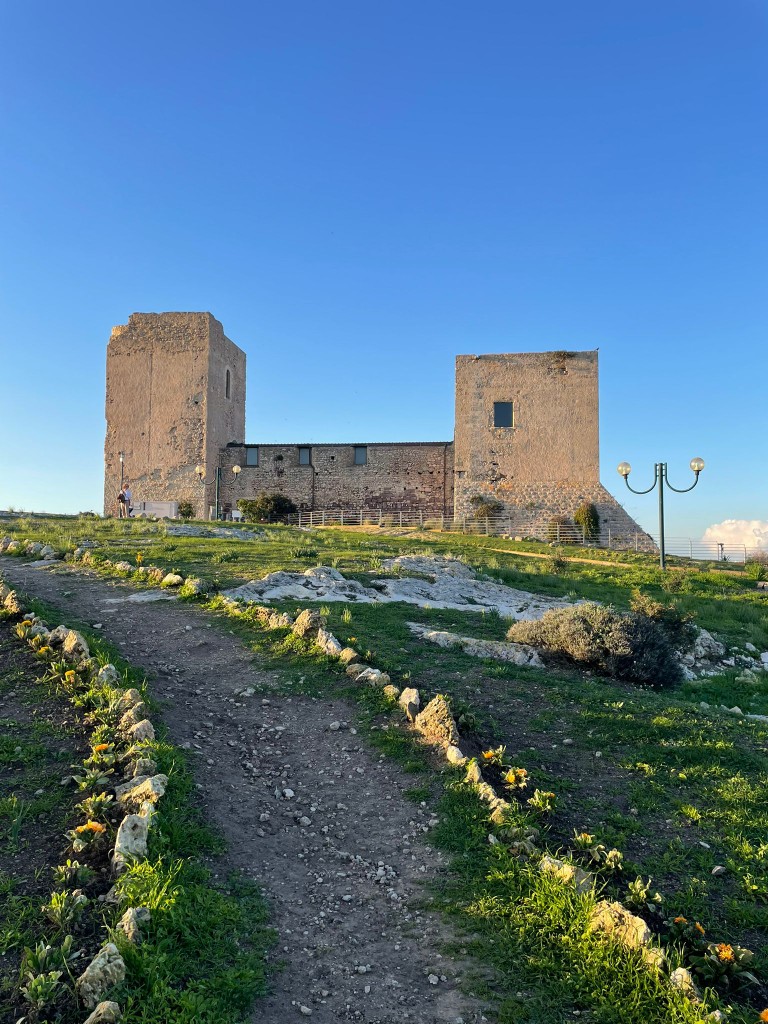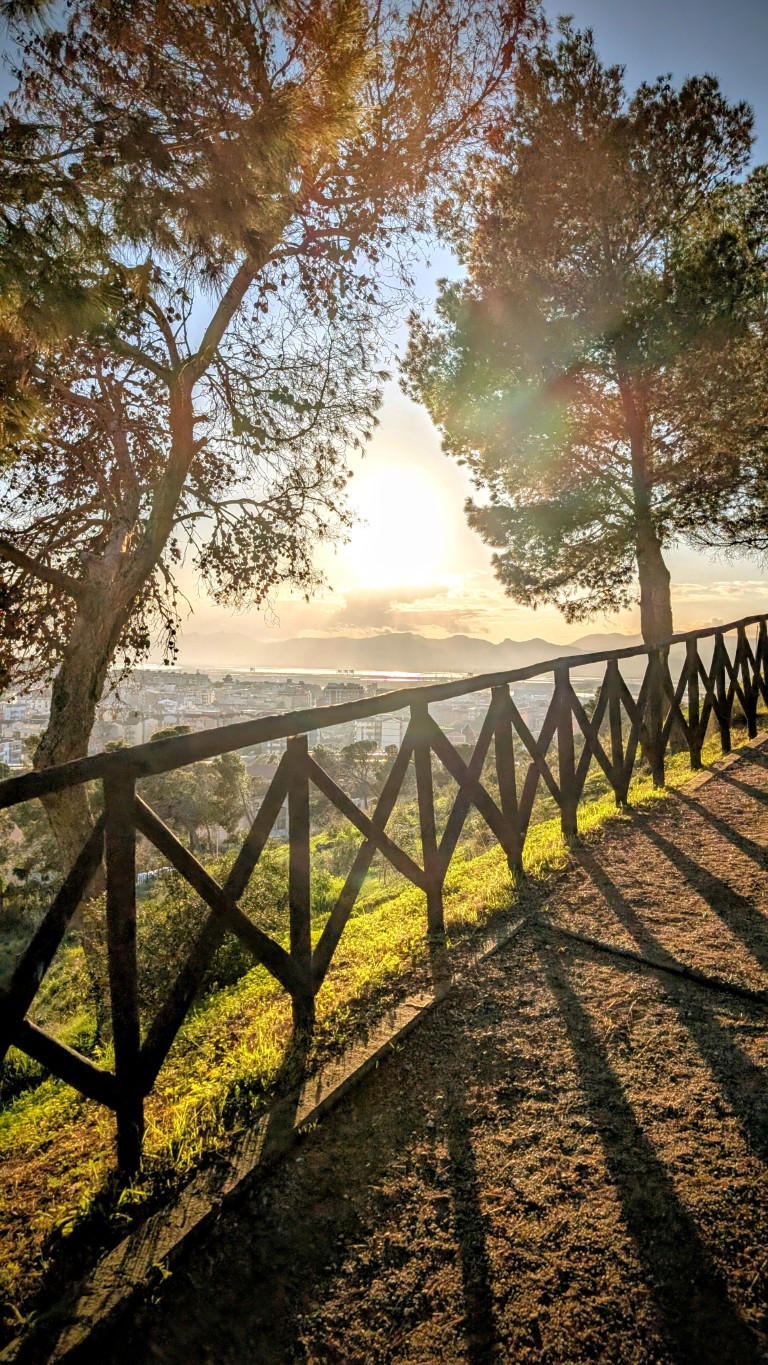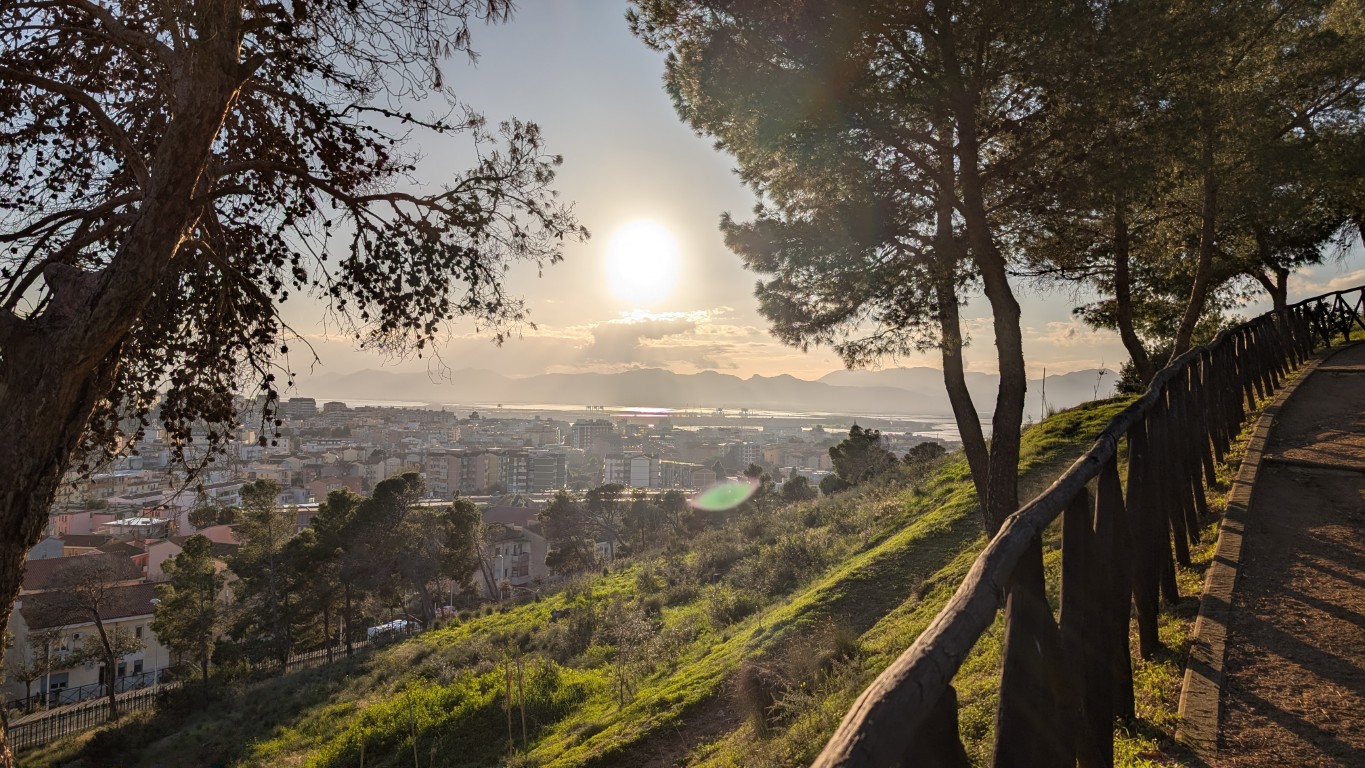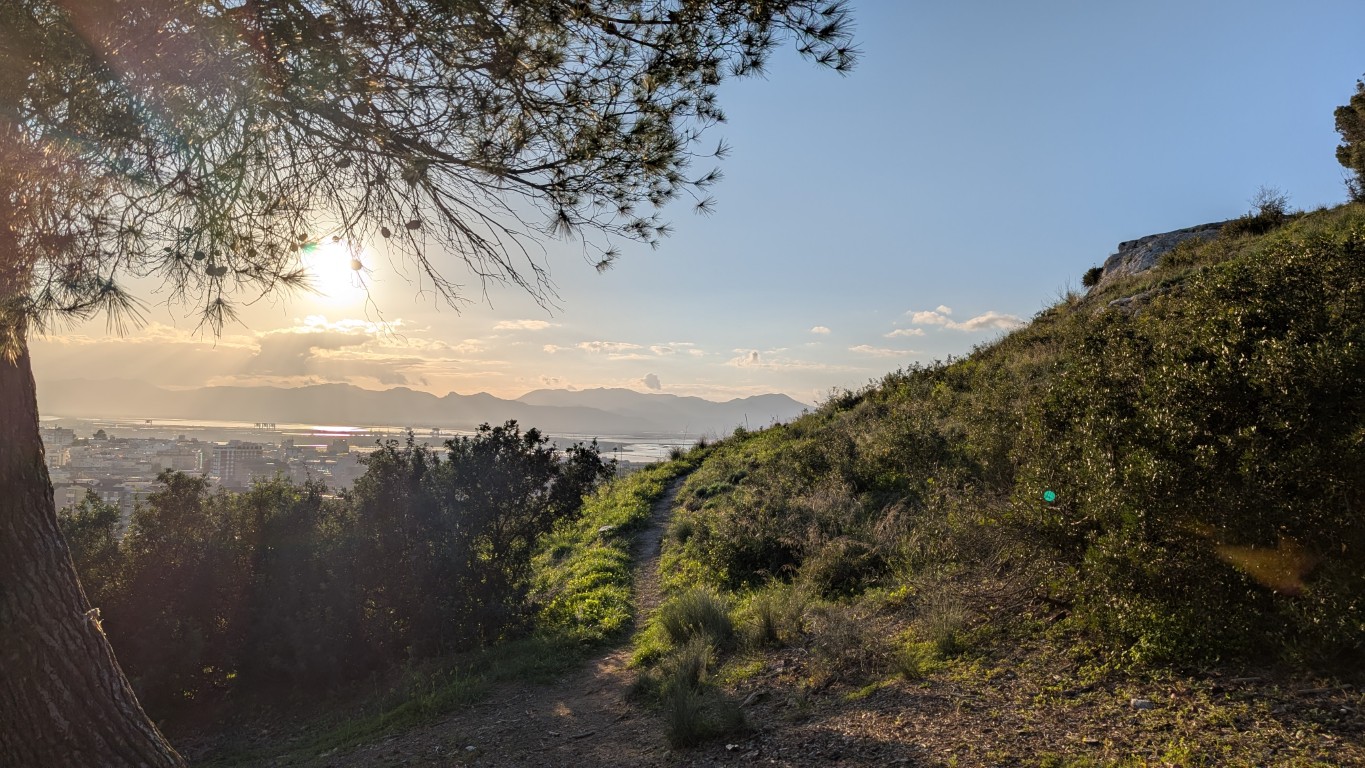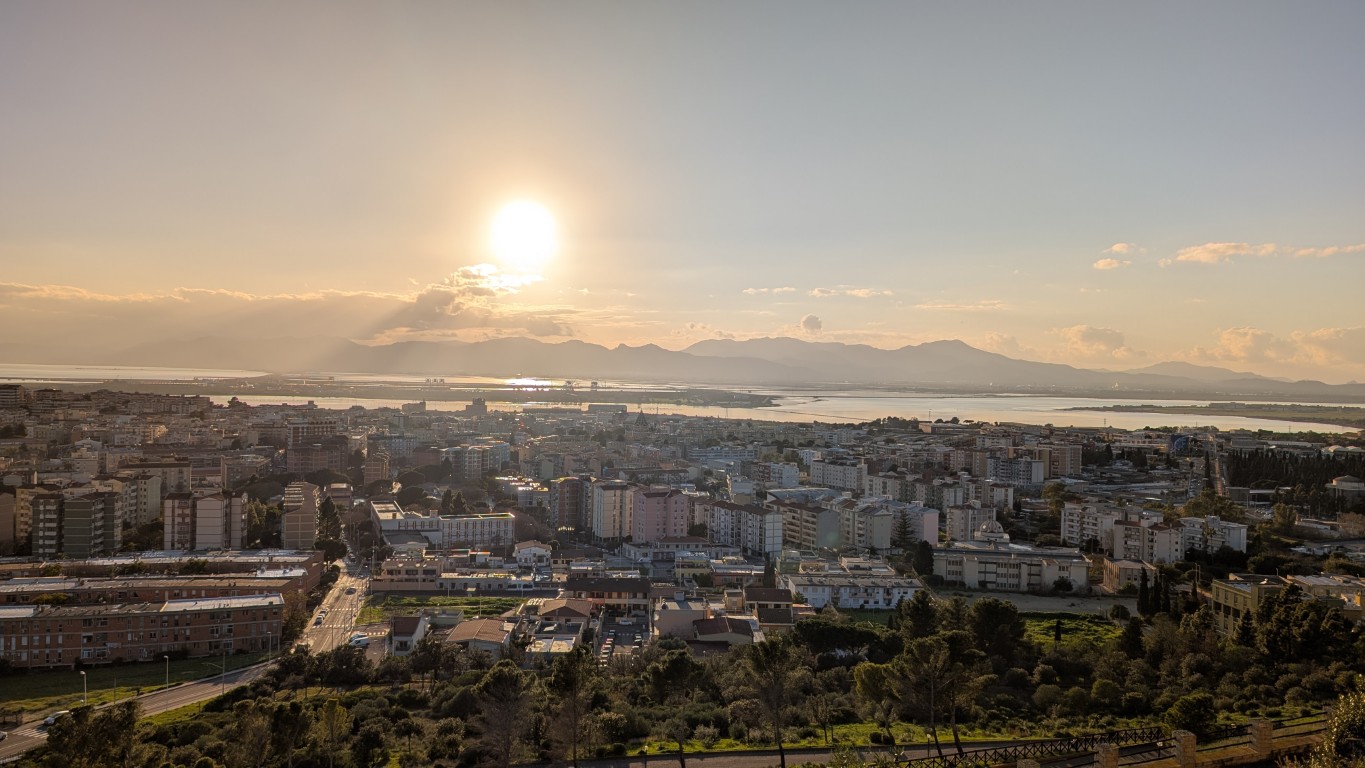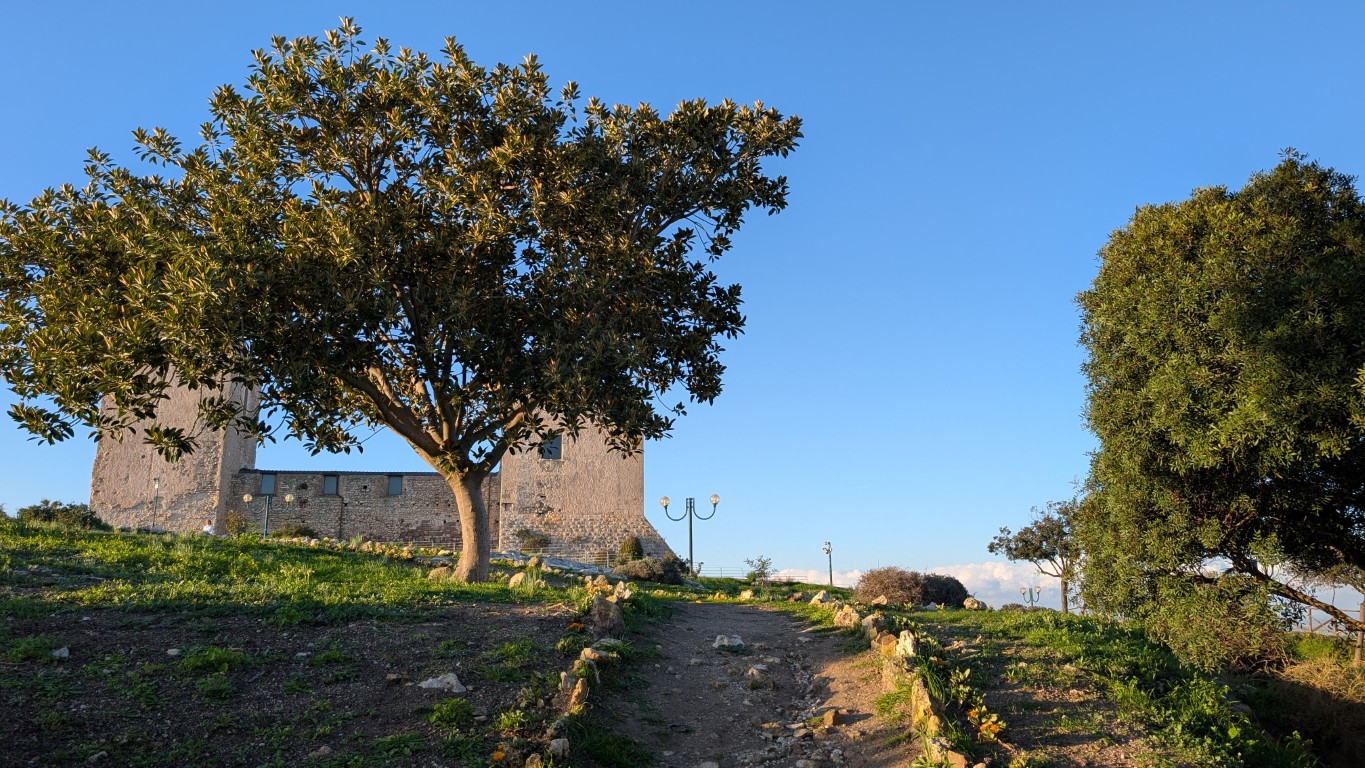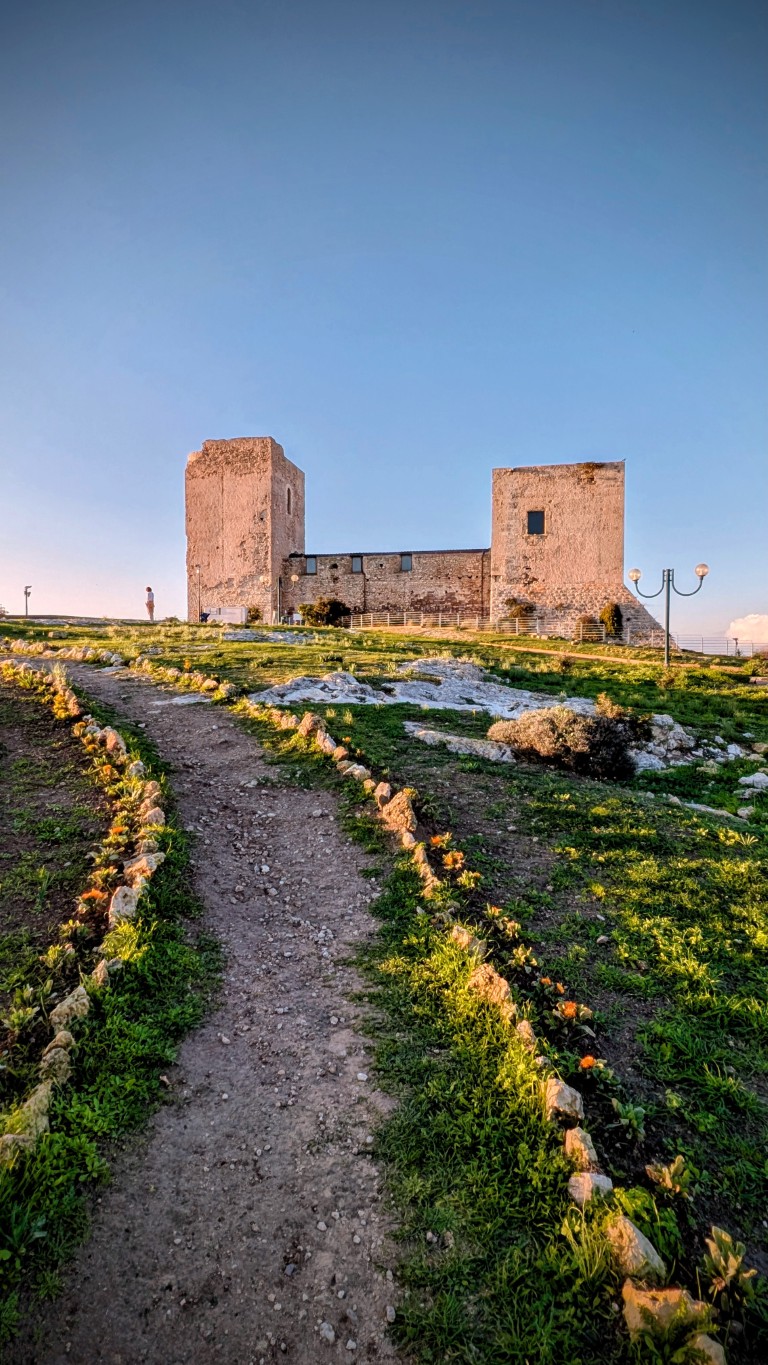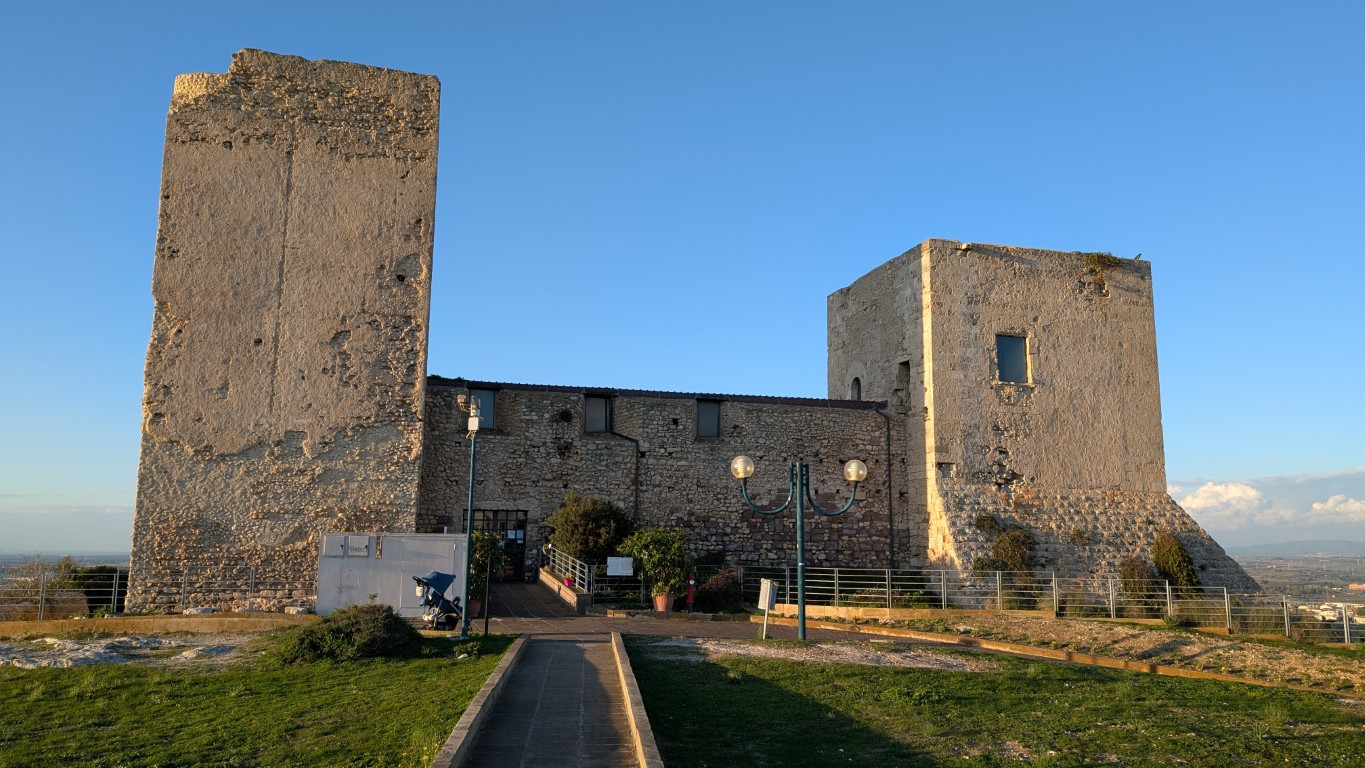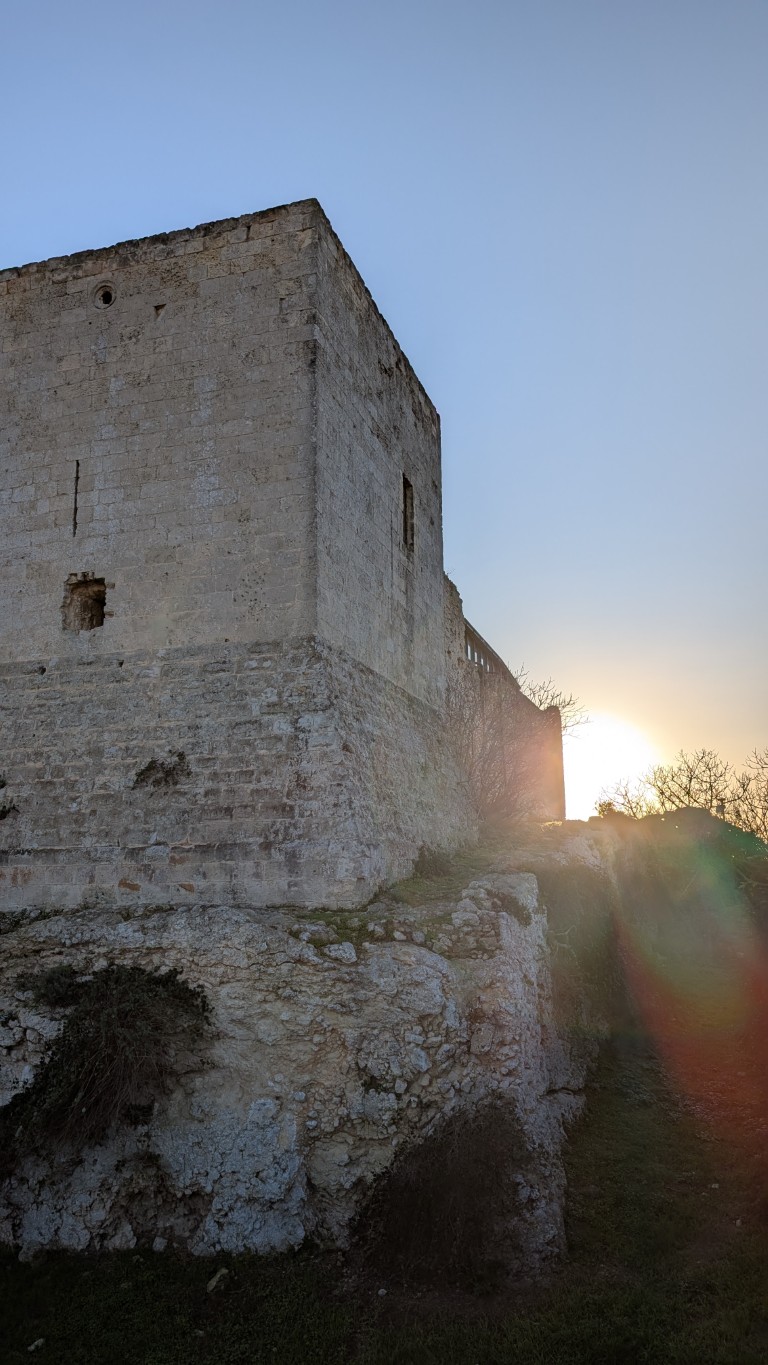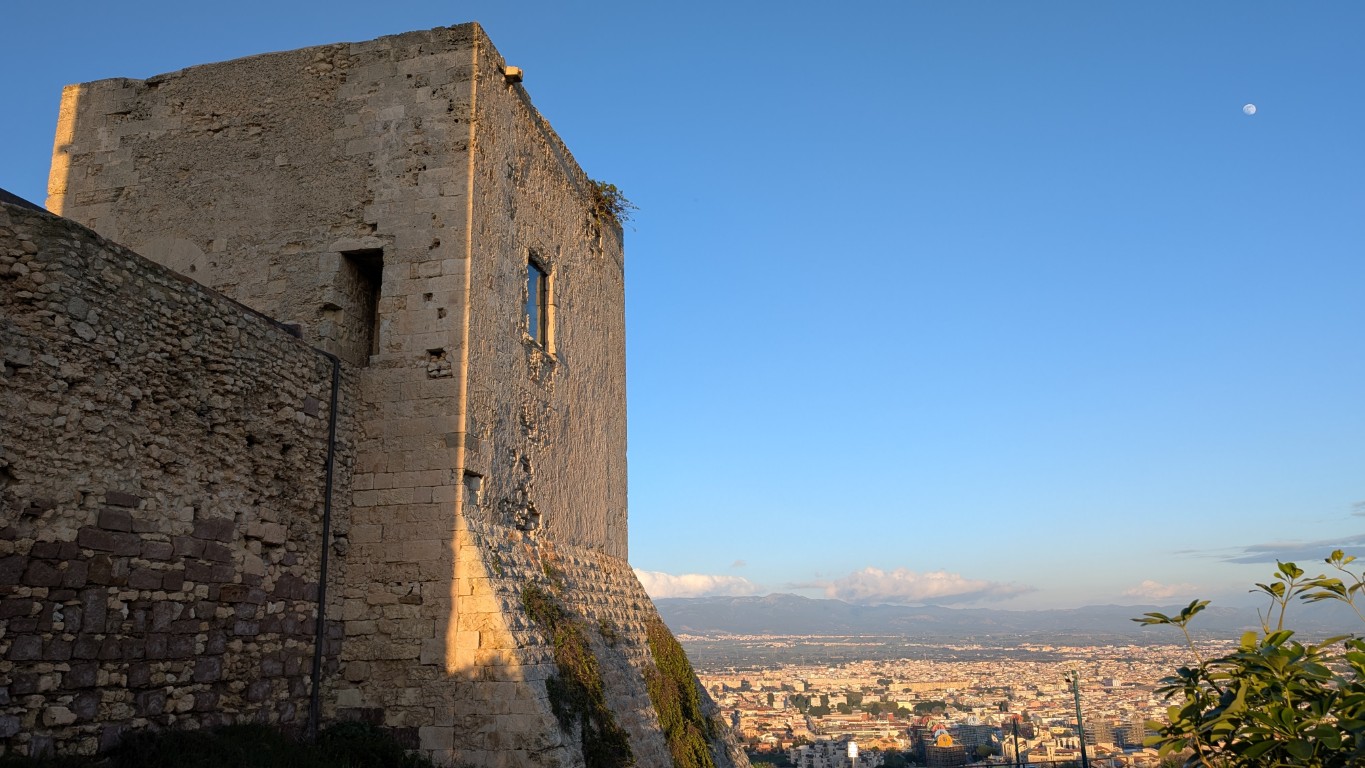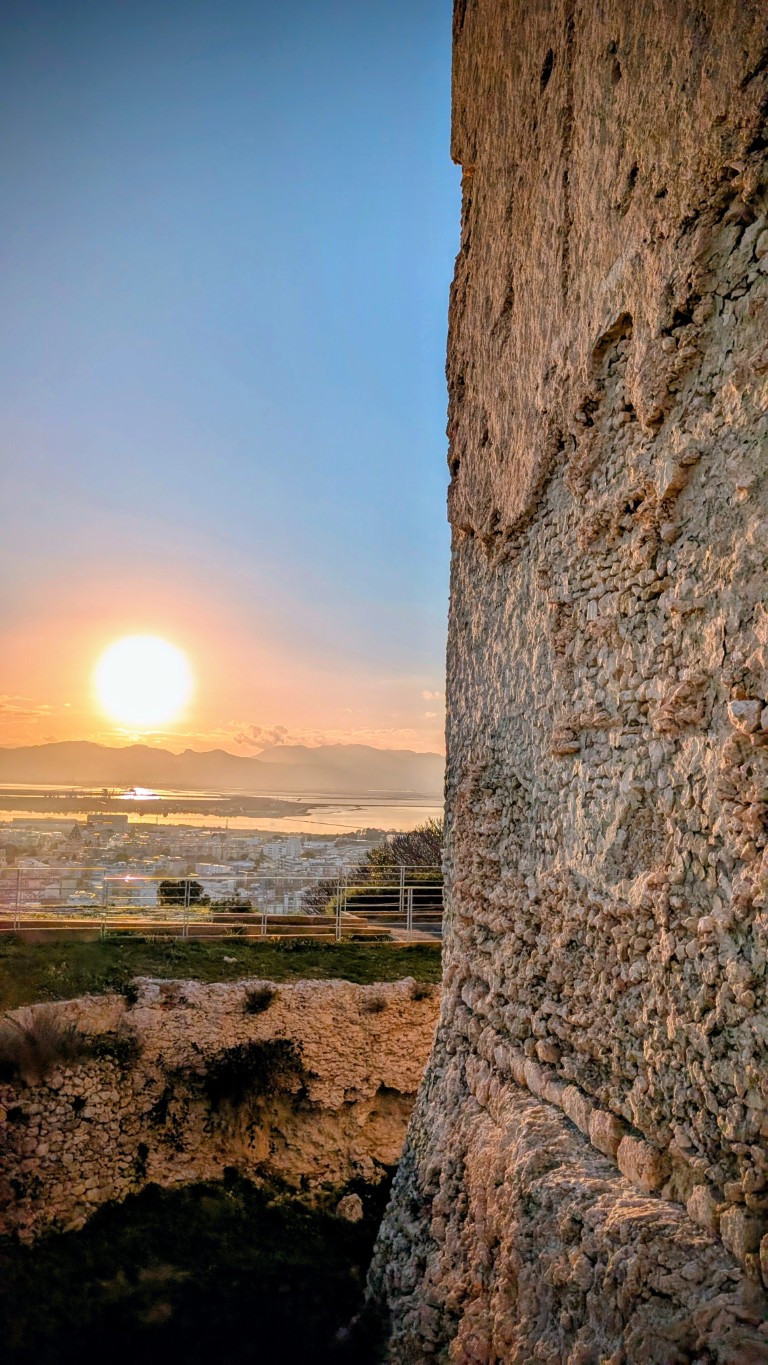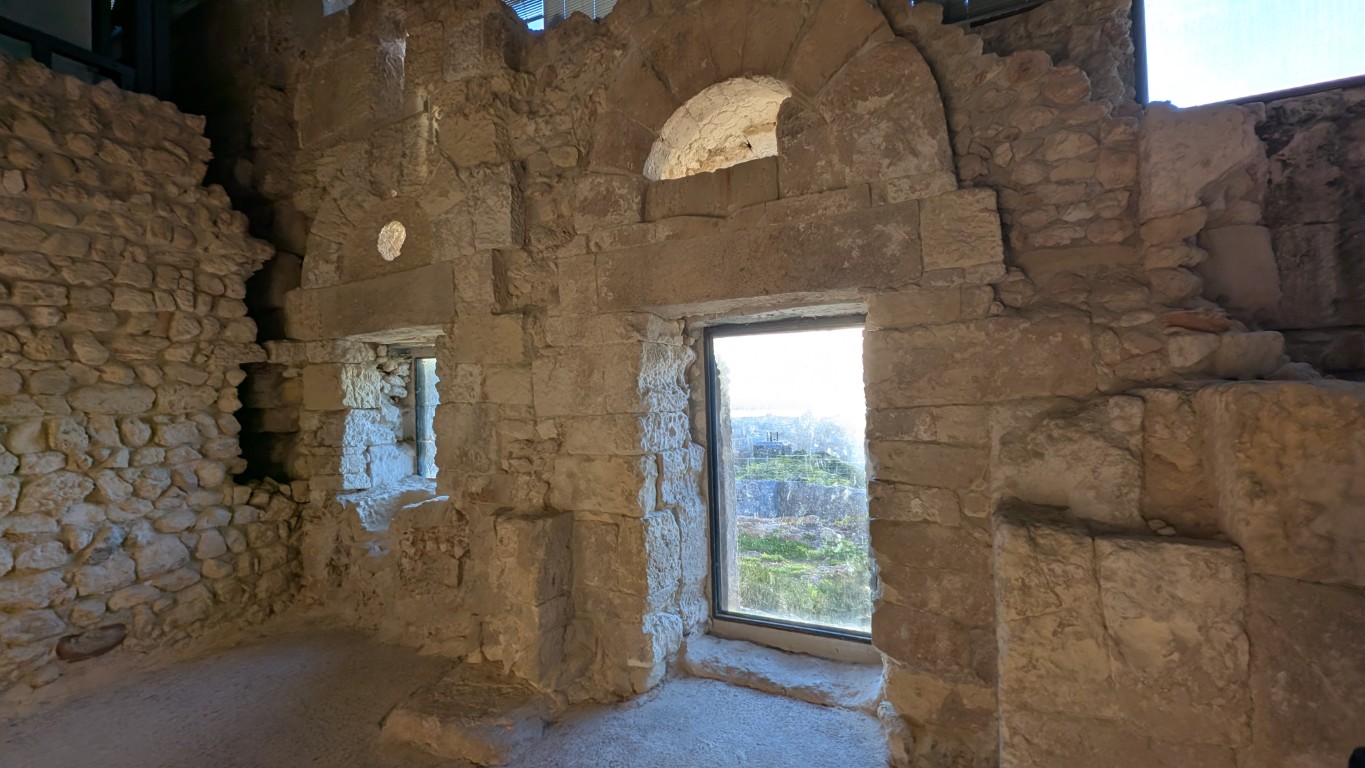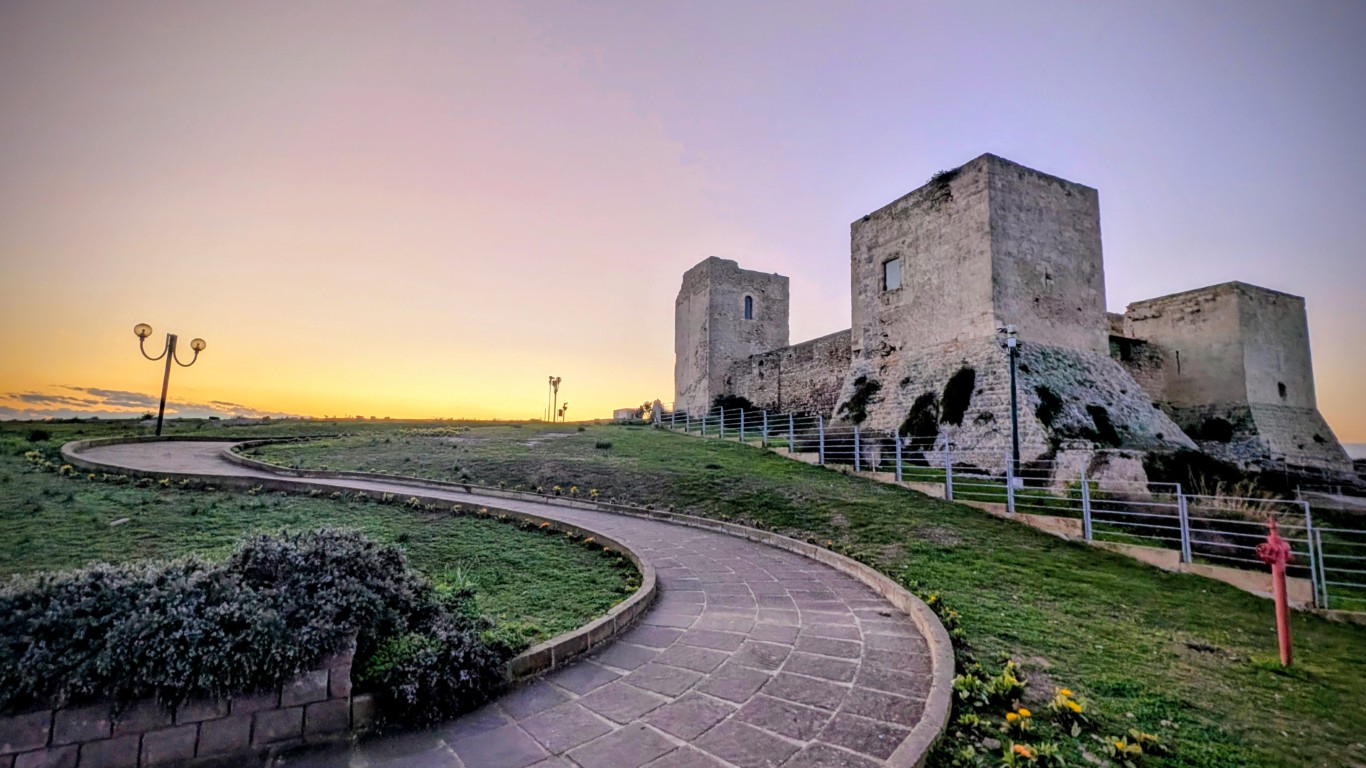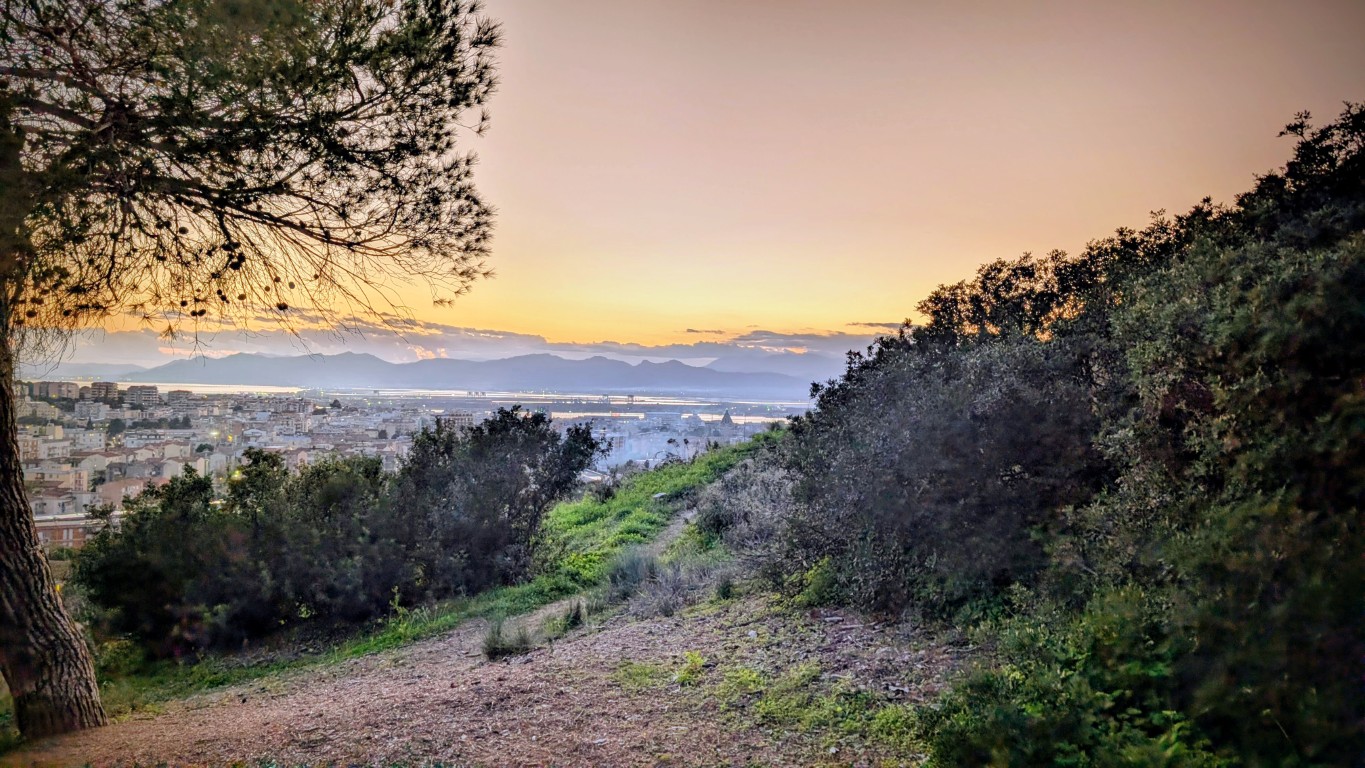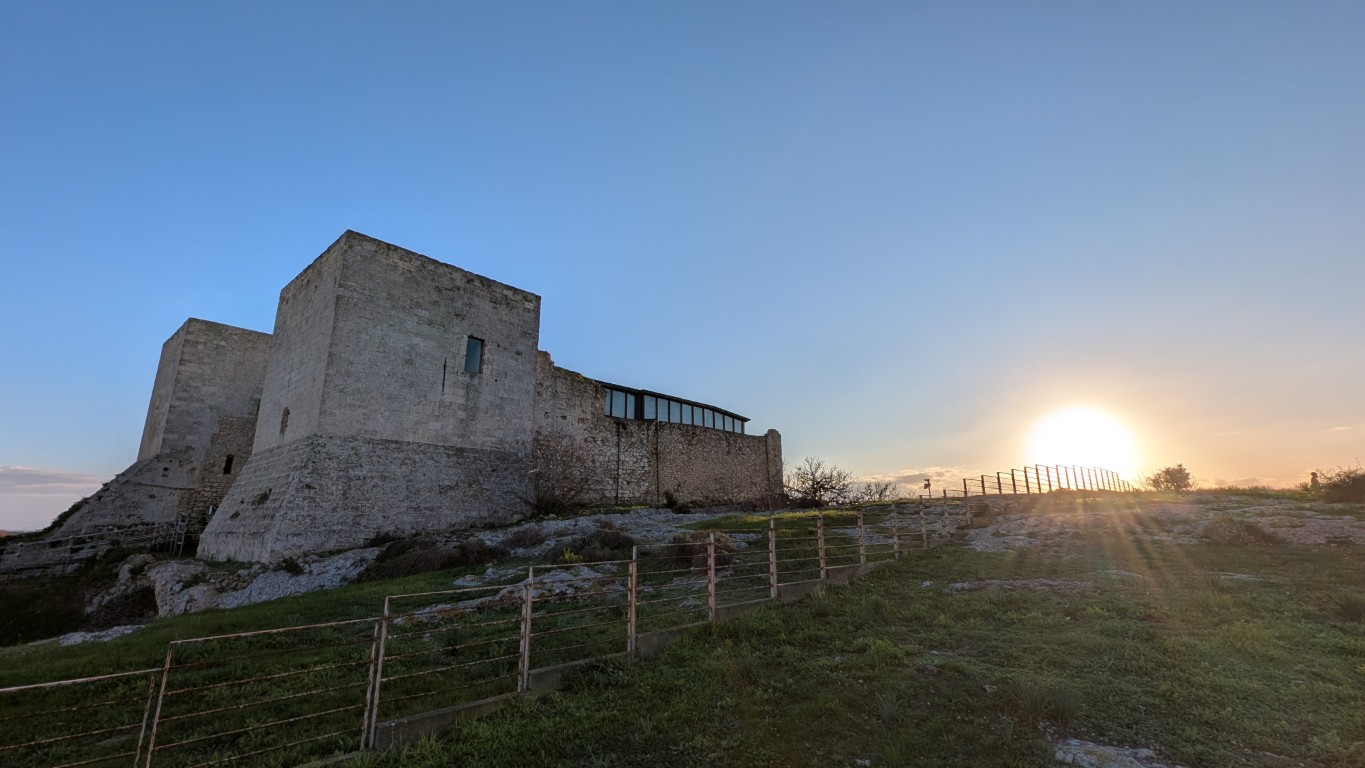
High above the city, on Monte San Michele, rises one of Cagliari's most historically significant sites: the Castello di San Michele. Its location alone makes the castle a prominent landmark, but its true importance lies in its extraordinary historical depth. It is one of the city's most important monuments and reflects, in concentrated form, the political, military, and social upheavals of Sardinia.
Origins in Judean Sardinia
Archaeological excavations in 1990 unearthed the remains of an early medieval country church beneath the present-day castle. The first fortified structure was built on this site no later than the 12th century – a time when Sardinia was divided into the four Giudicati (districts). Castello di San Michele served to defend Santa Igia, the then-capital of the Giudicate of Cagliari, and thus held a central strategic function.
Even in this early phase, the complex was designed as a fortified castle: with massive walls, a surrounding moat and several towers to control the surrounding area.
Golden age under Spanish rule
The castle's most important period extends from the 14th to the early 16th century. Between 1350 and 1511, the Castello was the residence of the Carroz family, an influential Spanish noble dynasty. During this time, the complex was expanded and adapted to its representative and military role. San Michele was not only a fortress but also a center of power.
However, after the decline of the family, the castle lost its importance and was eventually abandoned.
Plague, military and fortification
In the 17th century, the Castello took on a completely new function: during the devastating plague epidemic of 1652–1656, known as the "Plague of Sant'Efisio," it was used as a hospital. Later, in response to the military threats from France between the 17th and 18th centuries, the complex was fortified again and integrated into the city's defense system.
Around 1940, the Regia Marina took control of the castle. After the Second World War, it eventually passed into state and later municipal ownership – a prerequisite for its current use.
Architecture and structure
The Castello di San Michele has a square ground plan, surrounded by a moat. Three of the original towers are still standing today:
-
The northeast and southeast towers date from the 13th century and are attributed to Pisan builders.
-
The southwest tower, built in the 15th century, is of Aragonese origin and had a special strategic importance: from here both the interior of the castle and the surrounding area could be controlled.
Inside, the castle was organized around a central courtyard, supplemented by living quarters for the lords of the castle as well as functional rooms for servants and military personnel.
From fortification to cultural center
In the 20th century, Castello di San Michele underwent extensive restoration and renovation work. The military structure was adapted for a new use: today the castle is a center for art and culture, regularly hosting exhibitions, cultural events, and initiatives.
This new function contributes significantly to the good state of preservation of the plant, even though localized material fatigue – especially due to calcareous rock – is visible.
A silent witness to the city's history
The Castello di San Michele is less crowded with tourists than other Cagliari landmarks, but that's precisely what makes it so appealing. It's a place where early medieval spirituality, feudal power, the history of plagues, and contemporary culture intertwine. Standing here, one not only looks out over the city but also delves deep into the multifaceted history of Sardinia.