There are places in Ticino that seem as if they've stepped out of an old story. Foroglio is one of them.
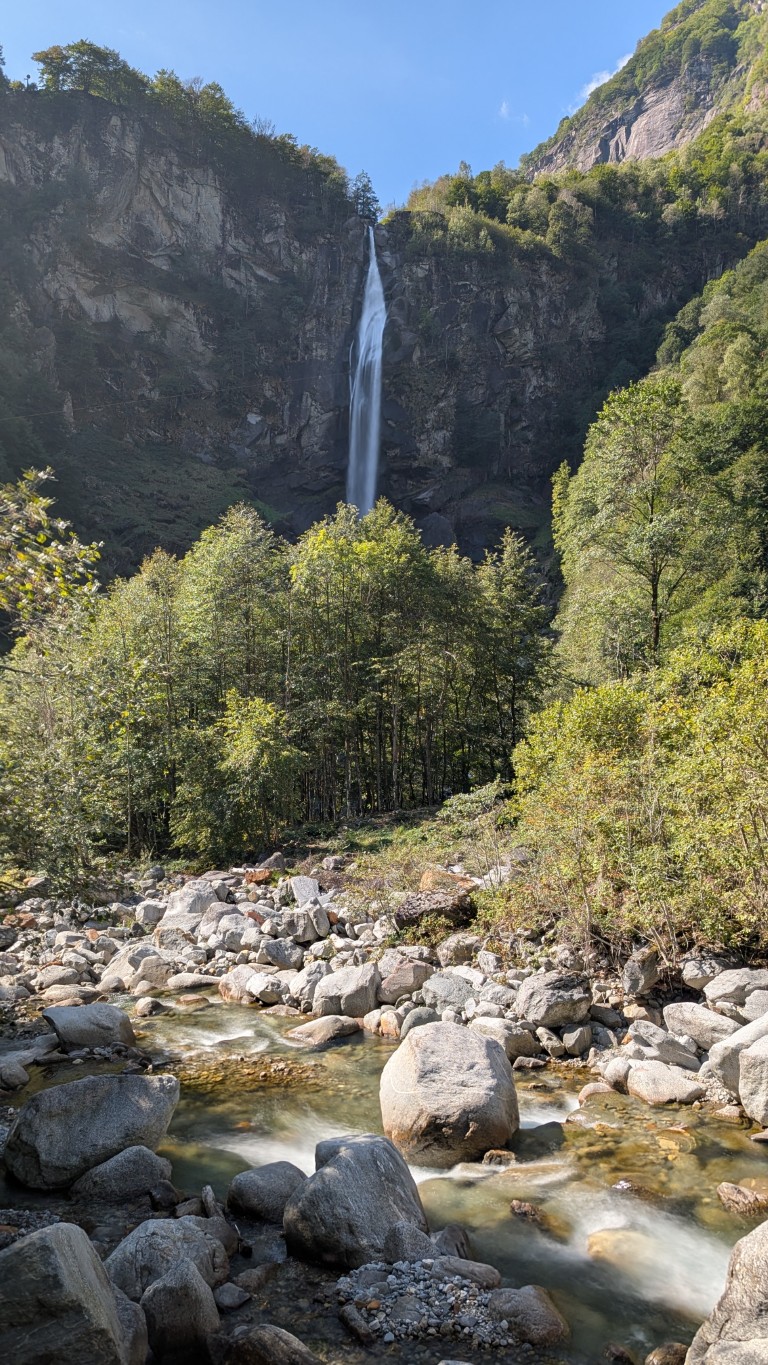
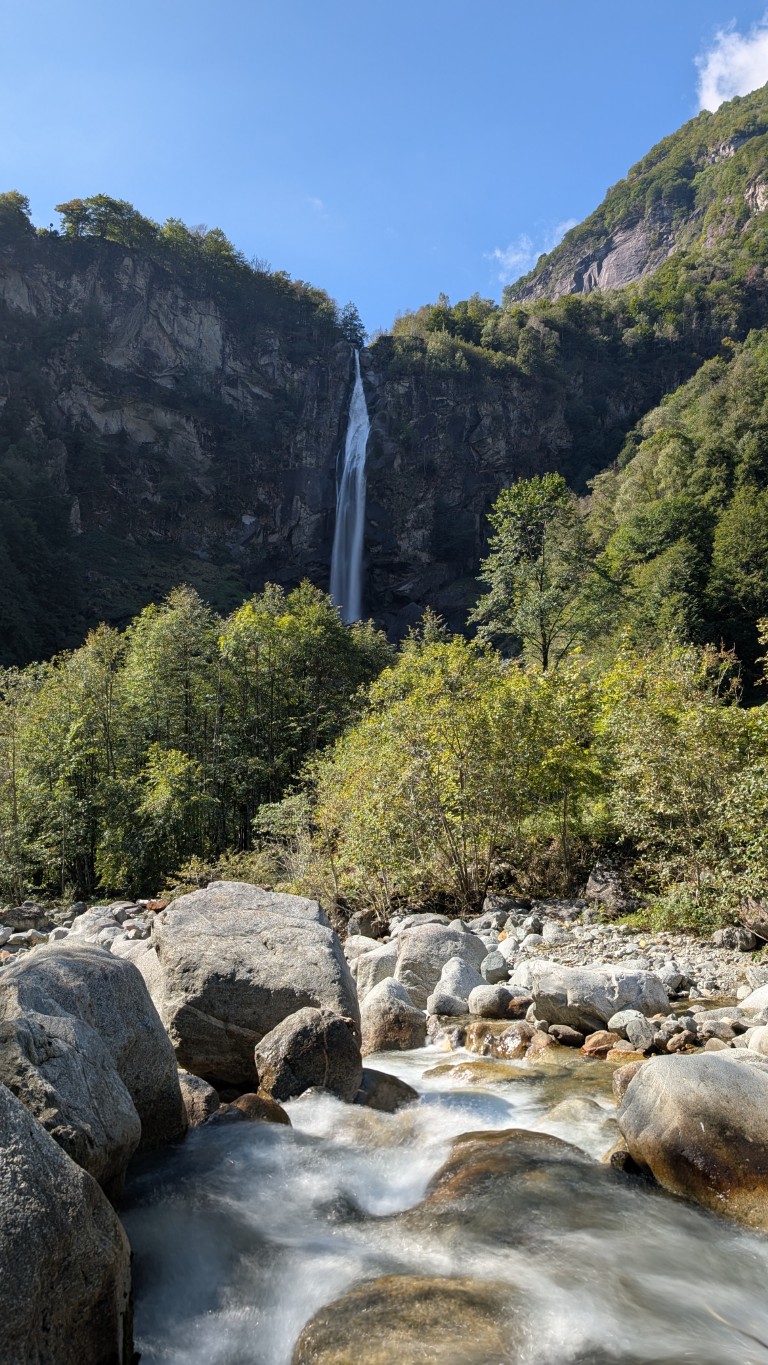
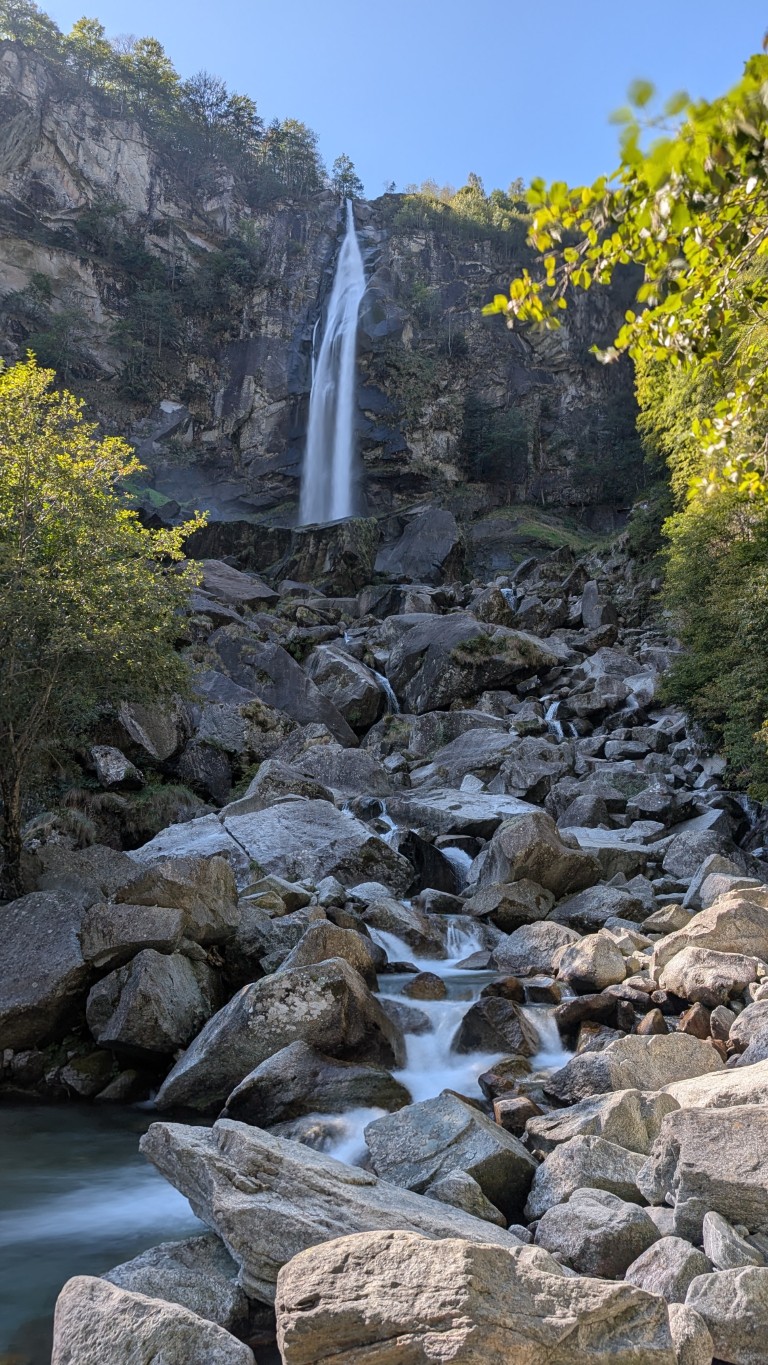
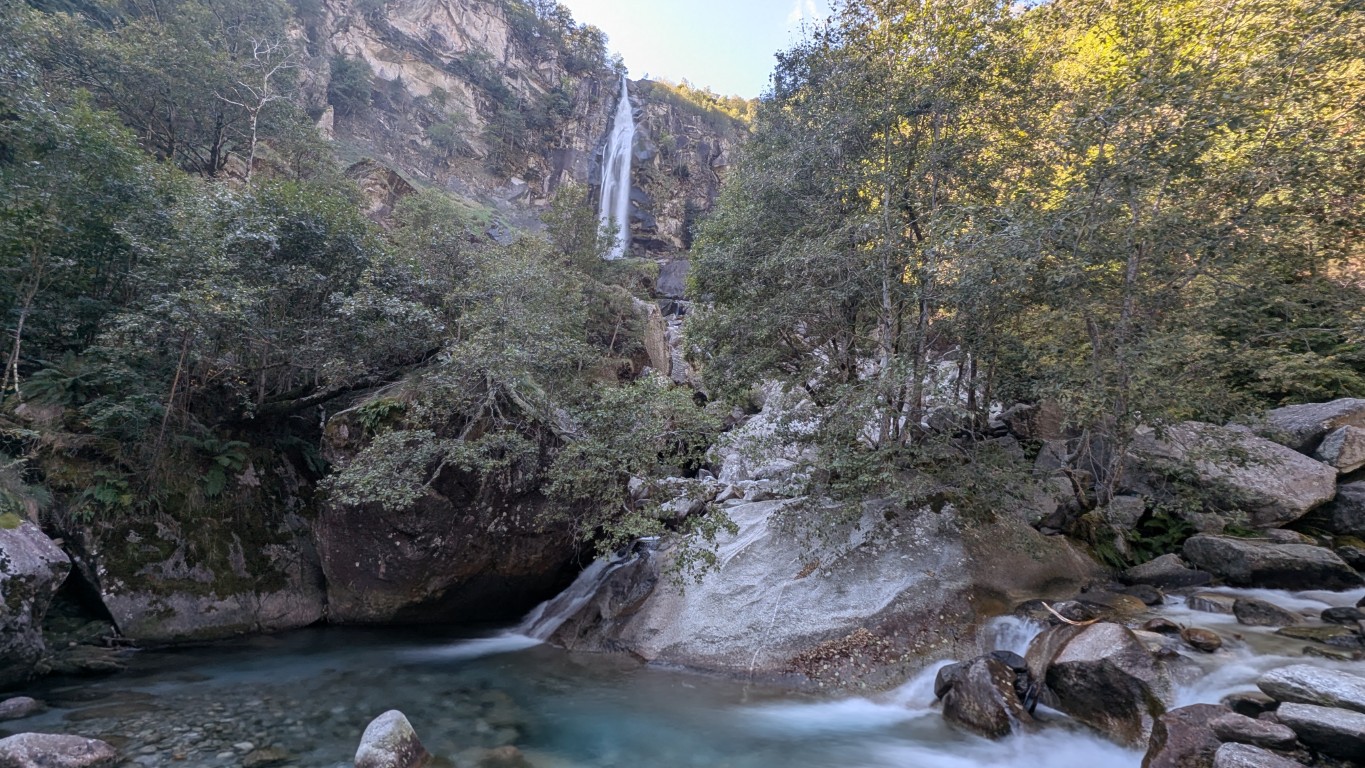
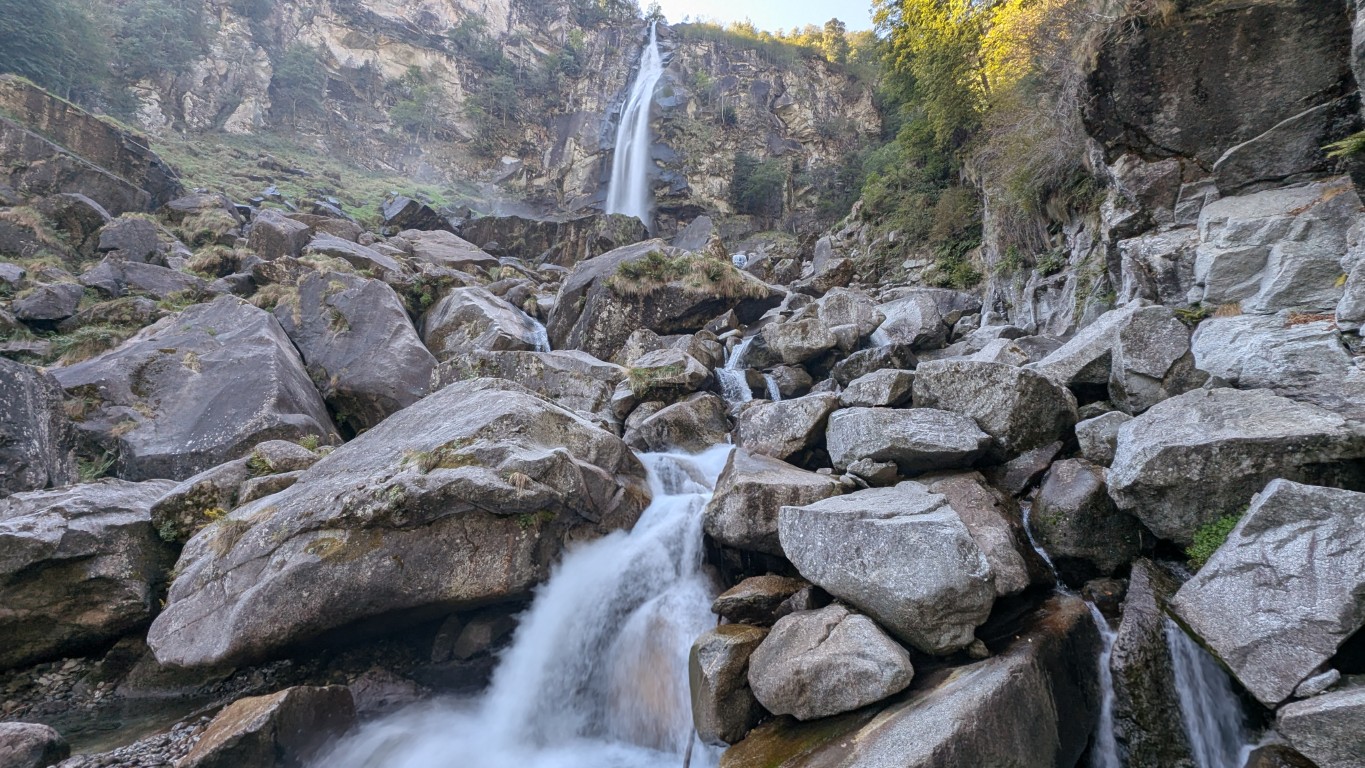
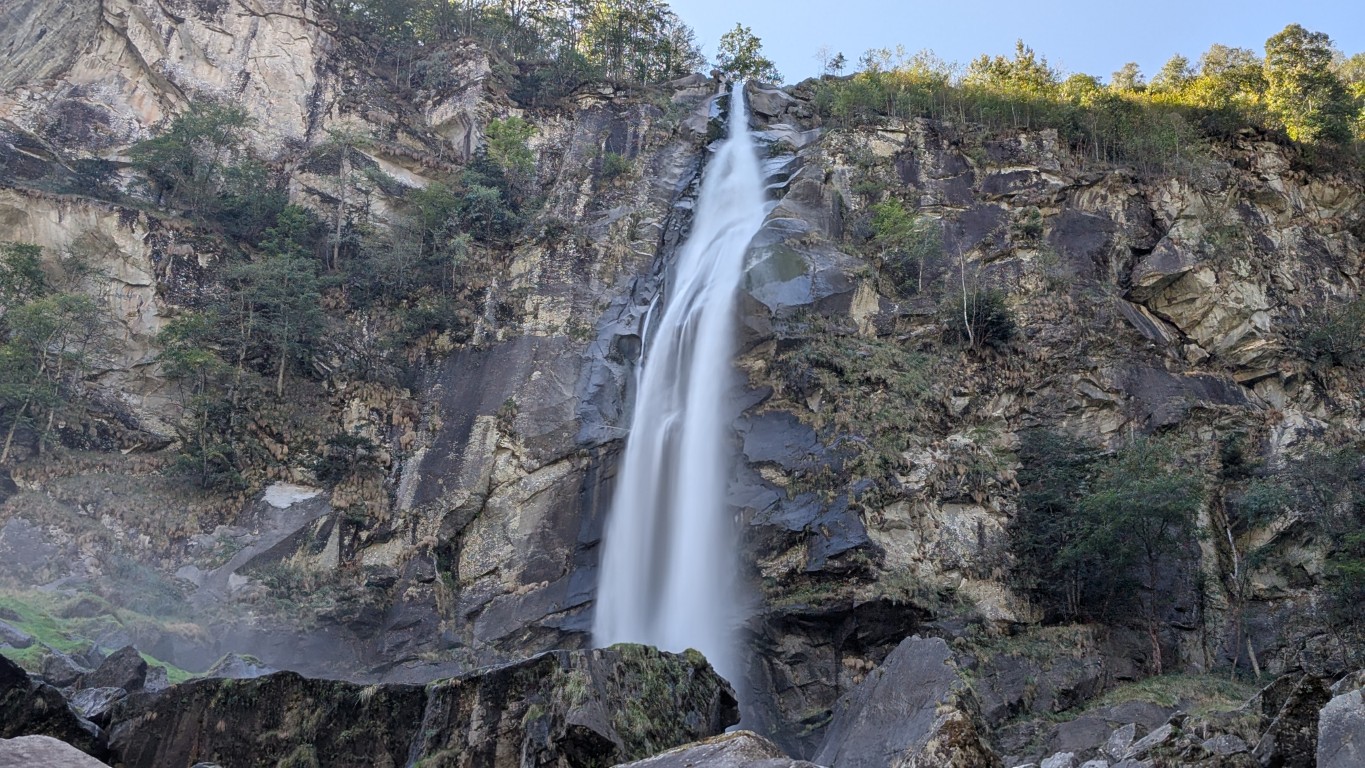
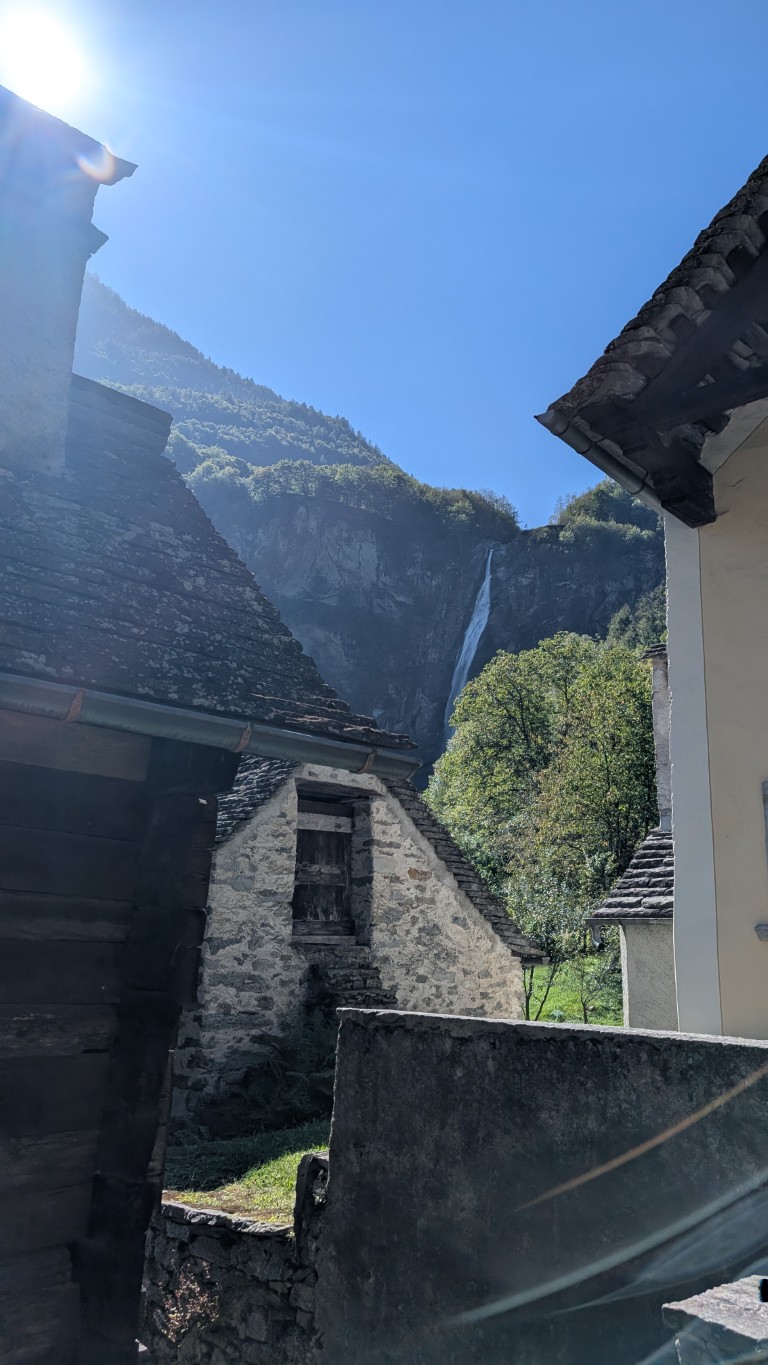
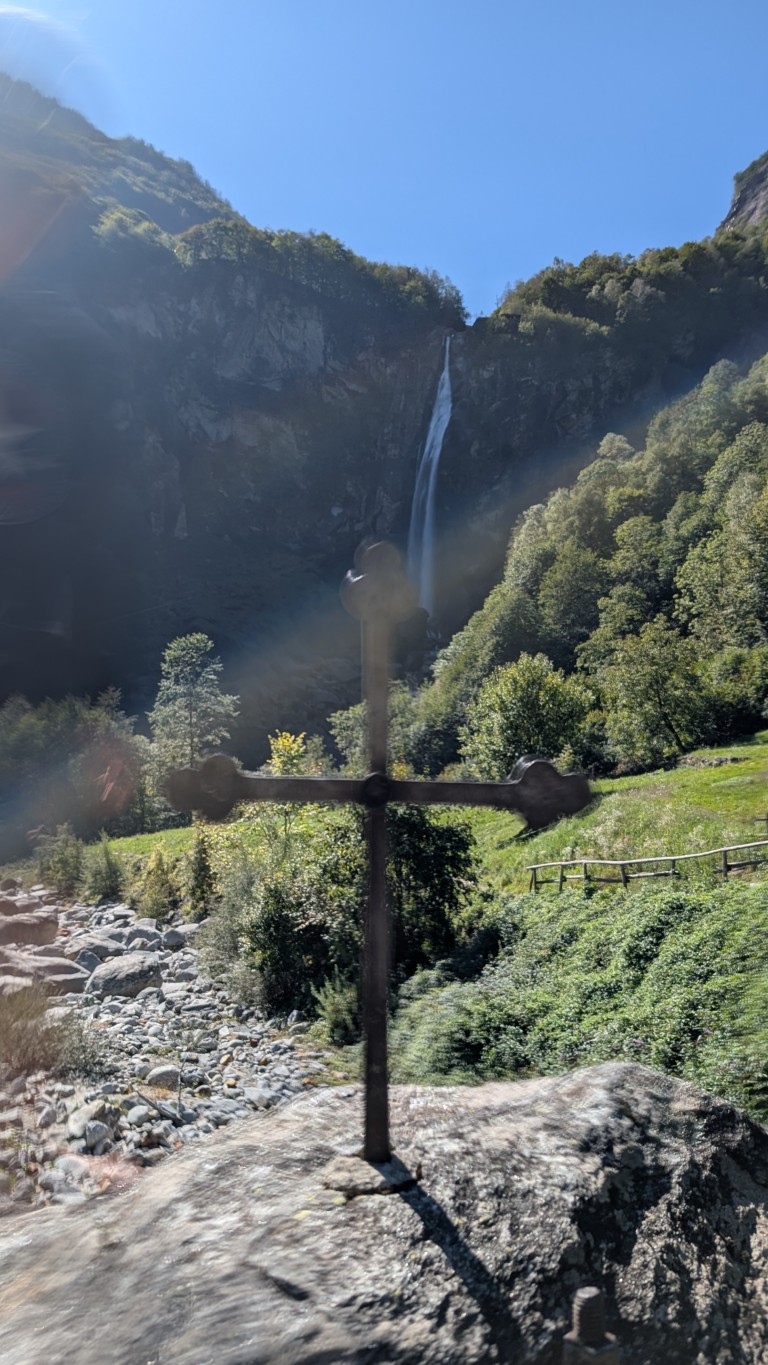
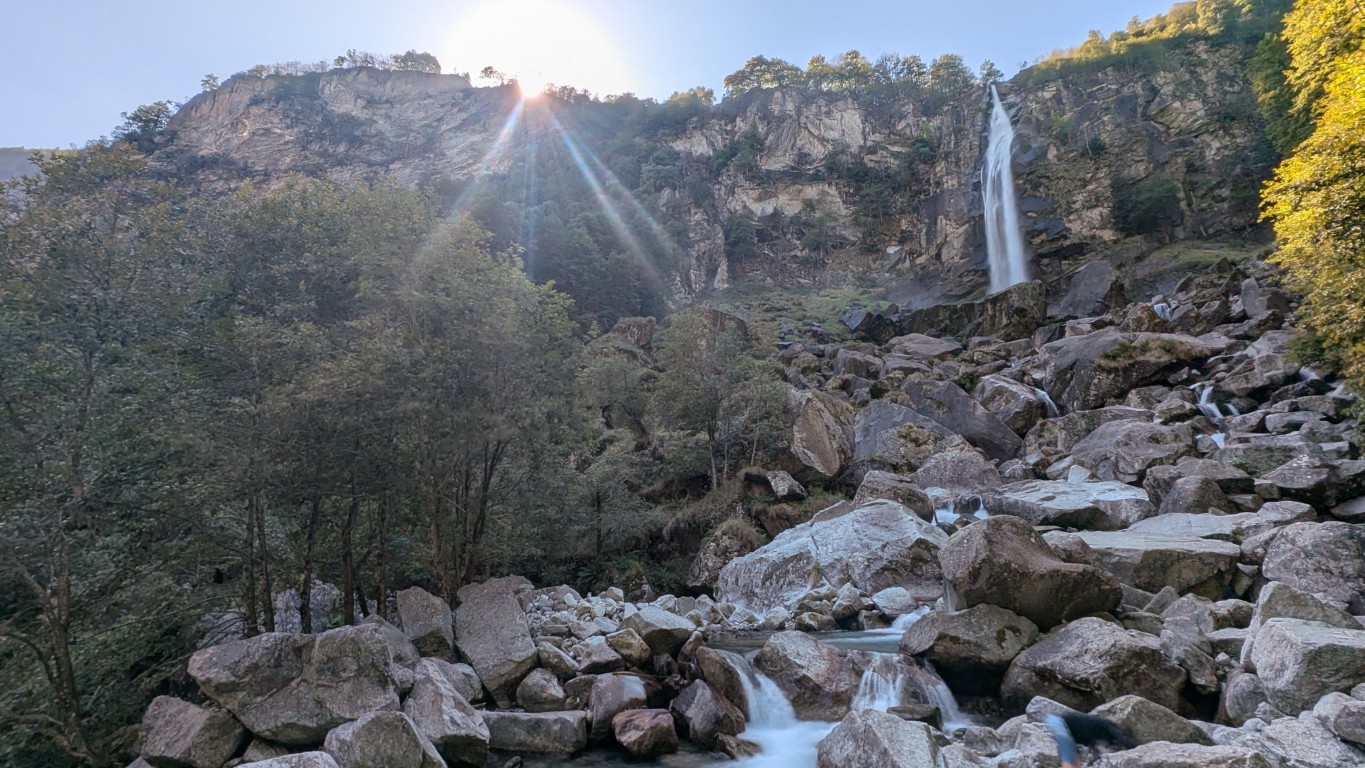
At the end of a small side valley, the water plunges with tremendous force some 110 meters down over dark rocks. It sprays, foams, and thunders before carving its way through the stony valley below.
But the waterfall is not alone.
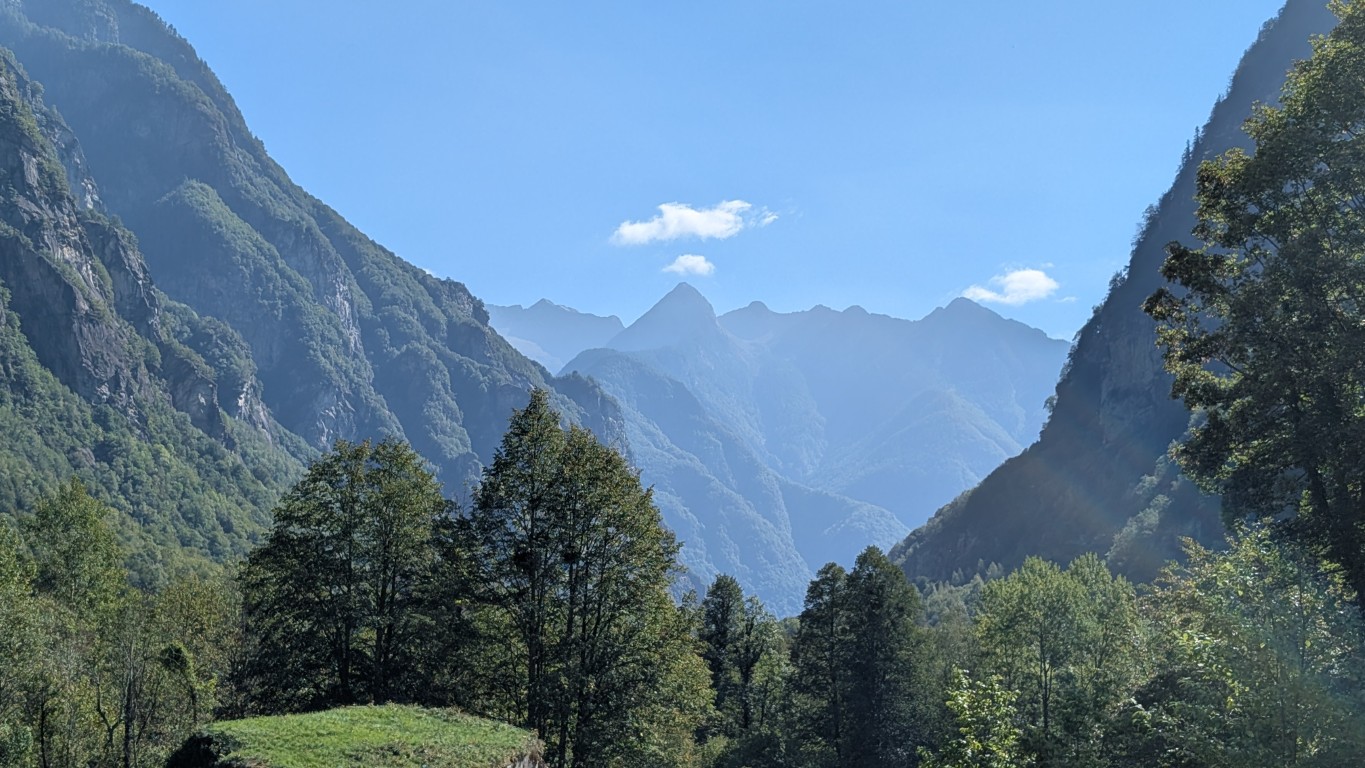
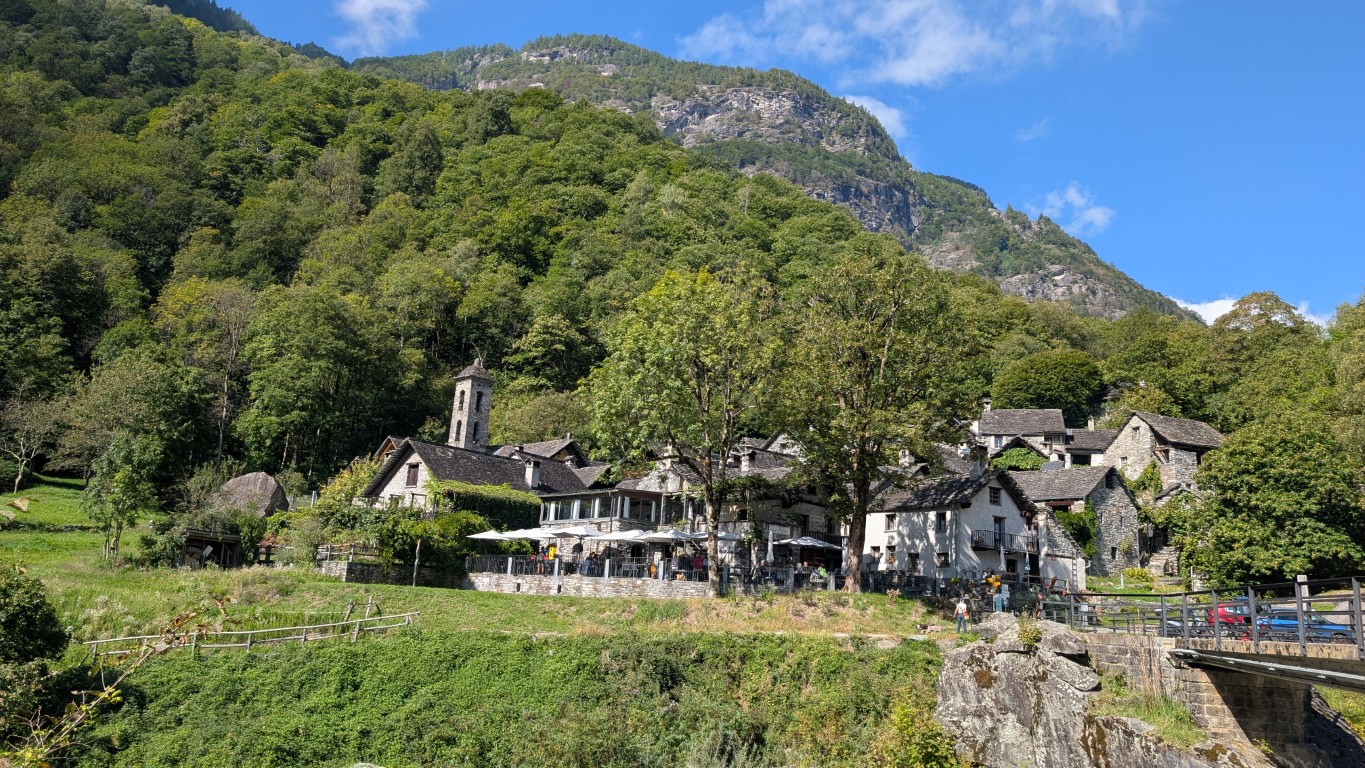
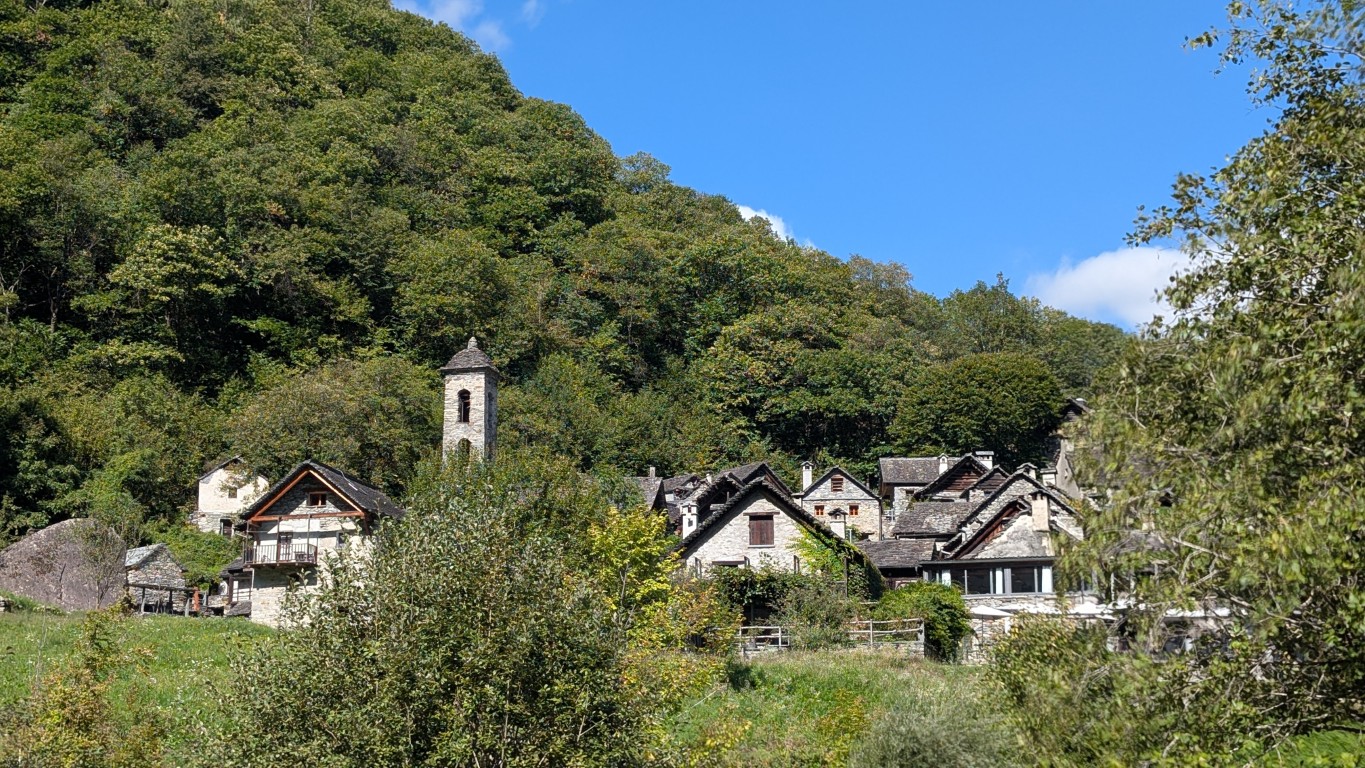
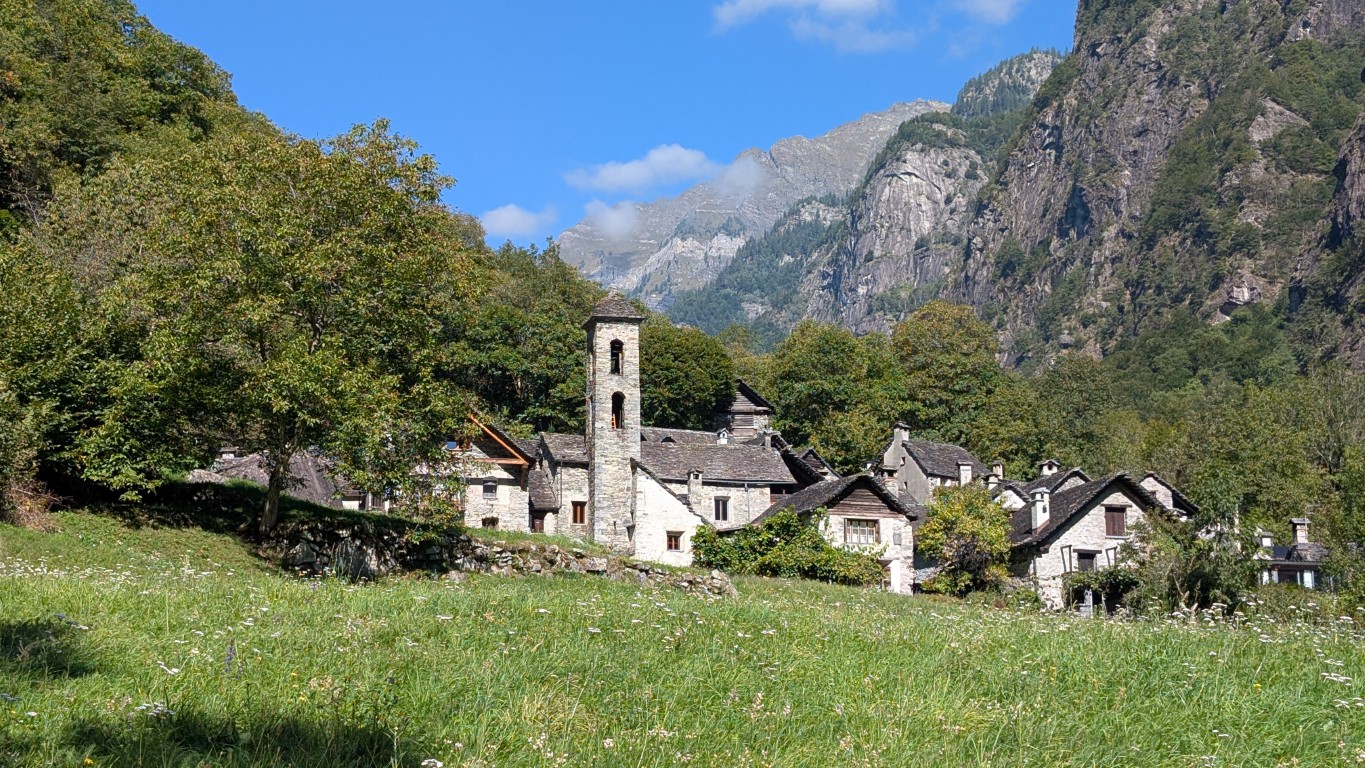
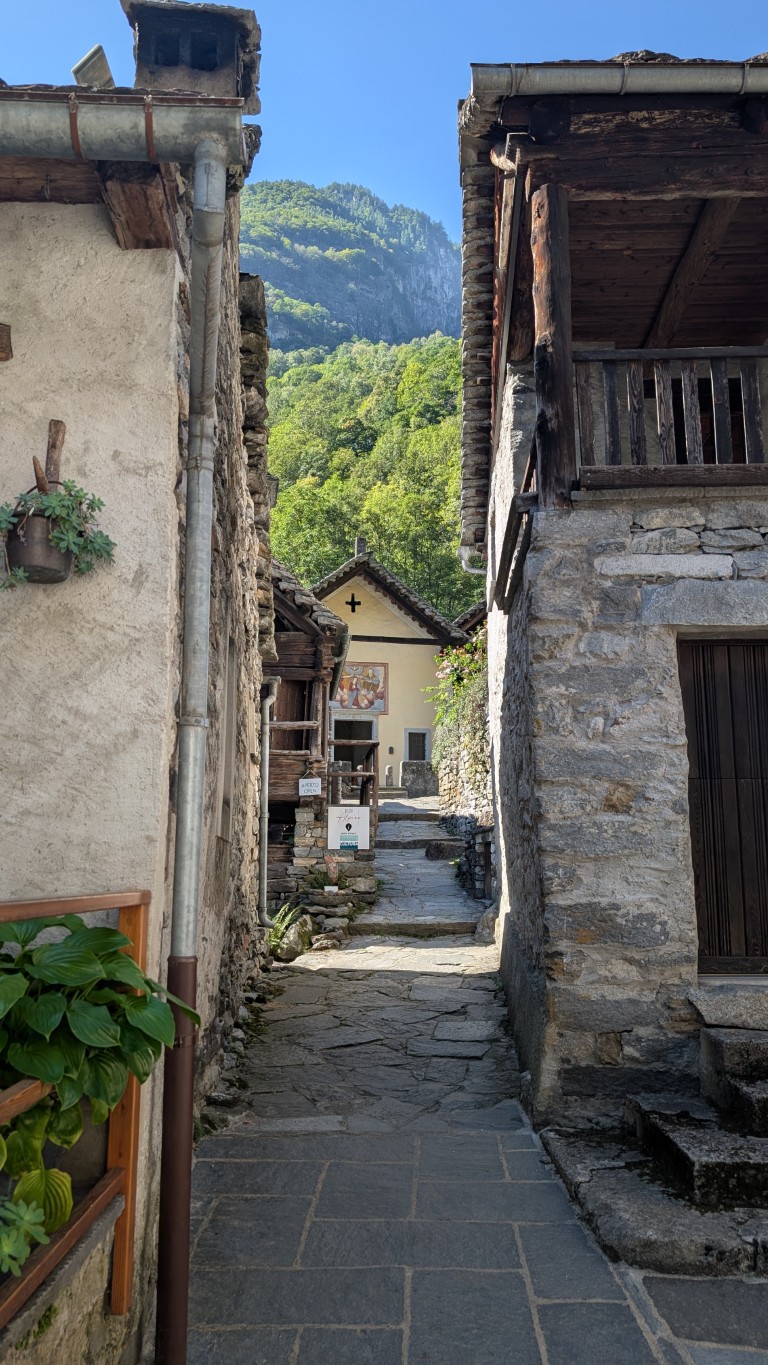
Right next to it lies Foroglio, a small village of grey stone, its houses clustered tightly around the old 15th-century church. Behind it rise the steep slopes of the Bavona Valley.
Here, you get the feeling that time flows more slowly.
And perhaps that is precisely the magic of Foroglio.
Where two glaciers shaped the valley
The waterfall is not a natural accident.
Its origins date back to the Ice Age. According to the explanation of the Ticino geologist and historian Bruno Donati, the striking difference in altitude arose from the meeting of two glaciers: The large glacier of the upper Bavona Valley met a smaller glacier that descended from the Calnègia Valley.
When the ice retreated around 10,000 years ago, two valley terraces of different heights remained.
Between them arose what makes Foroglio so unique today:
a waterfall that connects a higher side valley with the main valley.
The water thus tells a story that is much older than any house, any church, and any person who has lived here.
The village at the foot of the water
Foroglio itself almost looks like a stage set.
Dark natural stone walls, old roofs, small paths and the church form an ensemble closely linked to the landscape. Nothing seems accidental.
The farmers of the Bavona Valley once lived according to the rhythm of the seasons. In spring, they came to the valley with their livestock, cultivated the meager meadows, and moved back again in autumn.
The summer months were short.
Every square meter of floor space had to be used.
Small alpine pastures, stables, hay barns, and shelters sprang up between rocks and steep slopes. Even the most inhospitable corners became part of this rural world.
Anyone hiking through Foroglio and the Calnègia Valley today will still discover their traces everywhere.
The mysterious Splüia Bela
Above the waterfall, a path leads up into the Calnègia Valley. Old stone huts appear again and again among boulders, steep walls, and sparse meadows.
One of the most impressive is the Splüia Bela .
Beneath a mighty rock, shepherds and goats found shelter from the weather and cold. It is a place that shows how closely people used to live with the mountain.
No comfort.
No electricity.
No mobile network coverage.
Only stone, wood, animals, and the experience needed to survive in this harsh landscape.
Perhaps therein lies one of the great beauties of the Bavona Valley: Nature was not conquered. People learned to live with it.
The Legend of the Waterfall
Various stories and tales surround Foroglio. One of the best-known legends of the Bavona Valley tells of witches and mysterious figures who supposedly inhabited the remote valleys and gorges.
In the traditional worldview of Ticino, waterfalls, gorges, and remote alpine regions were not ordinary places. Where mist rose, water thundered, and the sun rarely reached the valley floor, one could easily imagine another, hidden world.
It is also said that the area around Foroglio was once inhabited by mysterious women who stayed in the remote places of the valley and were connected to the forces of nature.
Whether these stories actually go back to an old, clearly transmitted legend or were later associated with the mysterious landscape cannot be definitively proven.
But perhaps that's not necessary here.
For when the shadow wanders over the rocks in the evening, the waterfall shines silver in the last light, and its ceaseless roar rises from the gorge, one understands why people have always attributed something mysterious to this place.
The granaries on mushrooms
Those who look more closely will discover further evidence of the past in the village.
The so-called torbe are small traditional buildings that were formerly used for storing and drying grain. Their most striking feature is the stone pillars with mushroom-shaped slabs on which the wooden granary rests.
The structure served a practical purpose: to protect the grain from moisture and rodents.
Today, these small buildings seem almost fairytale-like.
But behind its unusual shape lies not a legend, but centuries-old farming knowledge.
Following in the footsteps of Plinio Martini
The Bavona Valley has also produced an important writer: Plinio Martini .
In his famous novel Il fondo del sacco – in German , Nicht Anfang und nicht Ende (Neither Beginning nor End ) – he describes the harsh peasant life in Ticino and the poverty that forced many people to leave their homeland.
Anyone walking through Foroglio today can still imagine the world Martini envisioned.
The steep slopes.
The small fields.
The old stone houses.
The long winters.
And the people who wrested a little living space from the mountain with every piece of cultivated land.
A path through a stony paradise
Those who want to see more than just the waterfall can hike from Foroglio into the Calnègia Valley.
The path initially leads steeply uphill past the waterfall. Afterwards, the valley opens up, revealing a landscape shaped by glaciers, water, and the forces of nature.
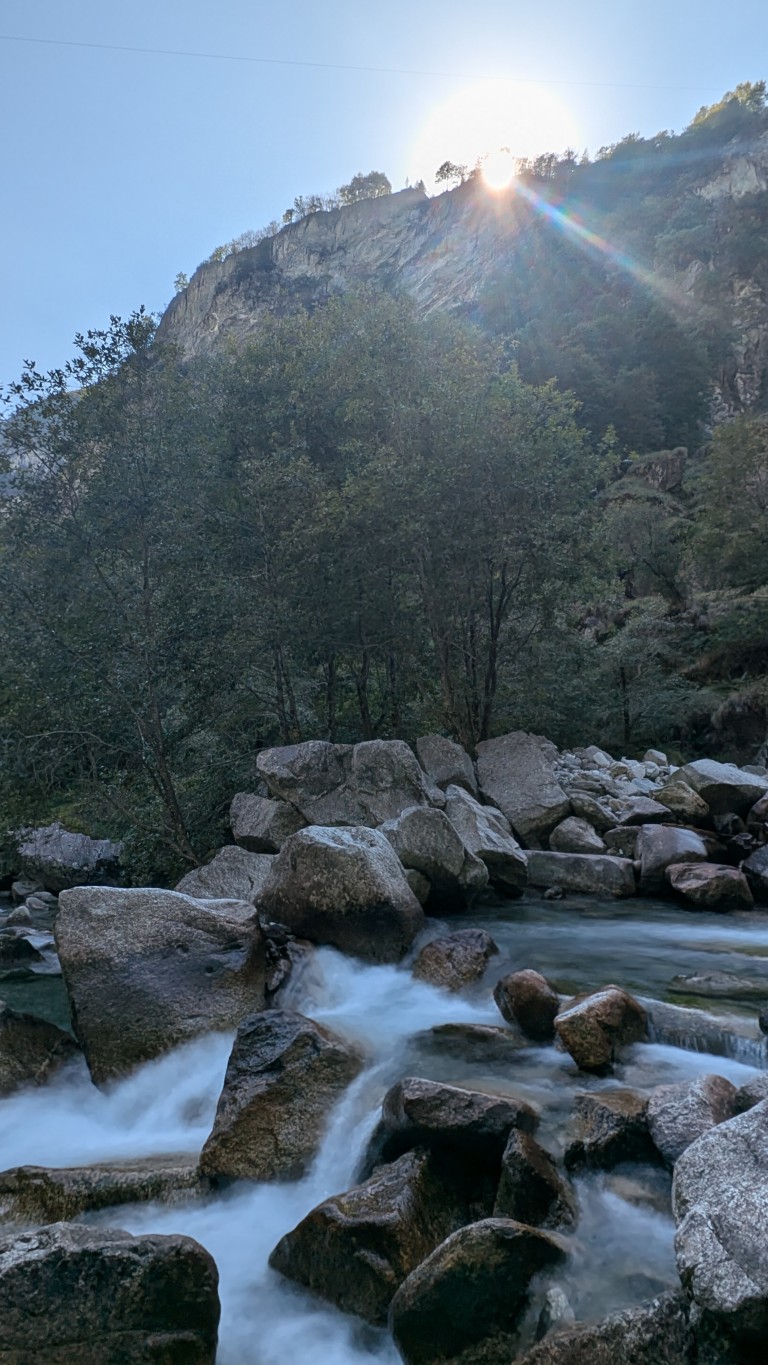
Huge boulders are scattered everywhere. Small streams disappear among the stones. Ancient walls crisscross the slopes, and in between are the traces of those who lived here during the summer months.
At Puntid, a detour to Splüia Bela is worthwhile. Later, the path continues to Calnégia, the last settlement before the steep ascent to the higher Alps.
That's where the easy part of the hike ends.
The rest of the way is for experienced and well-equipped mountaineers.
And the water is always rushing below.
Returning to Foroglio after the hike is like returning to the present.
The thunder of the waterfall can be heard again.
110 meters of water plunge over the rock.
In summer, a fine mist hangs in the air, and when the sun is at the right angle, a rainbow can form over the water.
Be careful right by the water: the rocks can be slippery and the current dangerous. Swimming in the pools near the waterfall is also not without risk.
It's better to find a place where you can just sit and listen.
A piece of Ticino that has remained
Foroglio is not a place you would visit just for its waterfall.
People come for the water – and stay for the history.
Because of the old stone houses.
Because of the small church.
Because of the Torbe.
Because of the forgotten paths of the farmers who once moved with their animals into the mountains.
And perhaps also because of this peculiar feeling that something has been preserved here that has long since disappeared elsewhere.
As the light fades in the evening, the village slowly disappears into the shadows of the mountains. Only the waterfall remains bright and vibrant.
It rushes on, as it has for millennia.
Perhaps this is the most beautiful legend of Foroglio:
That the mountain remembers – and the water continues to tell its stories.