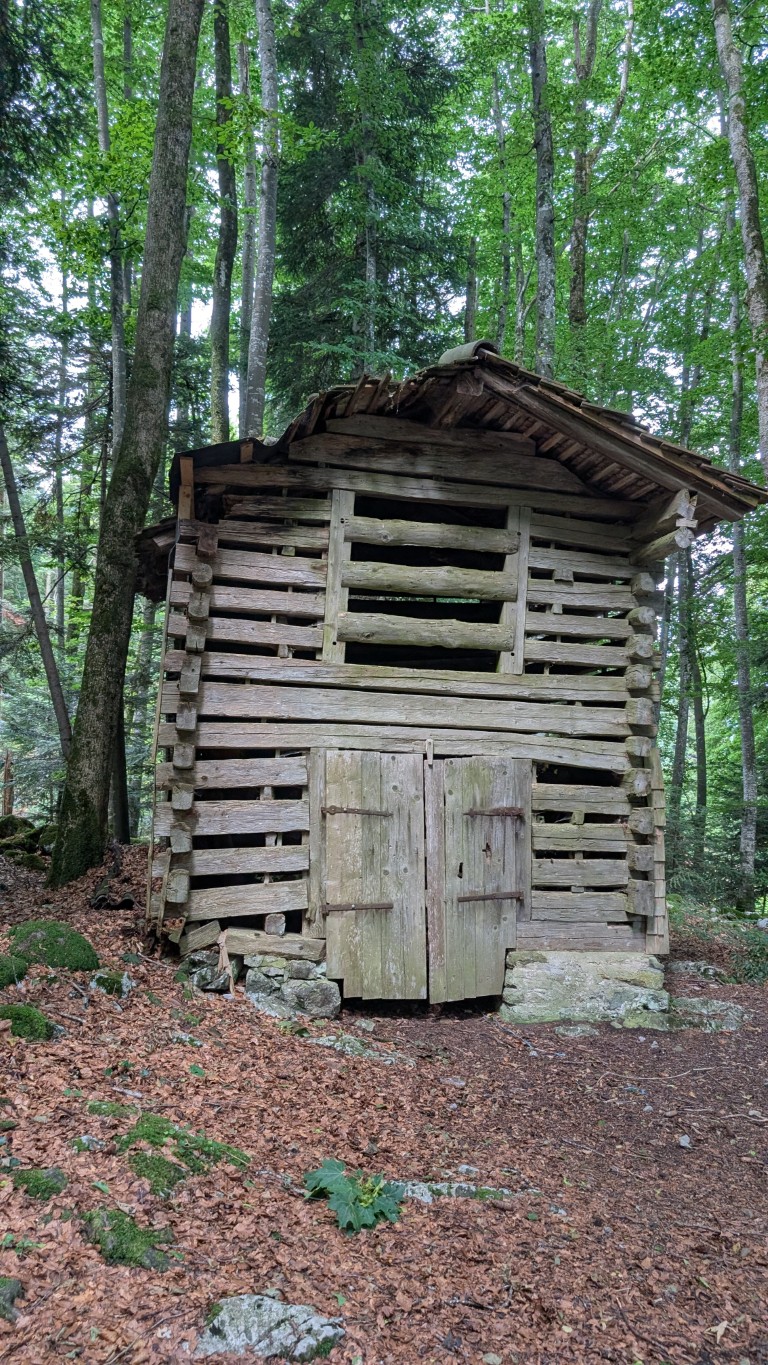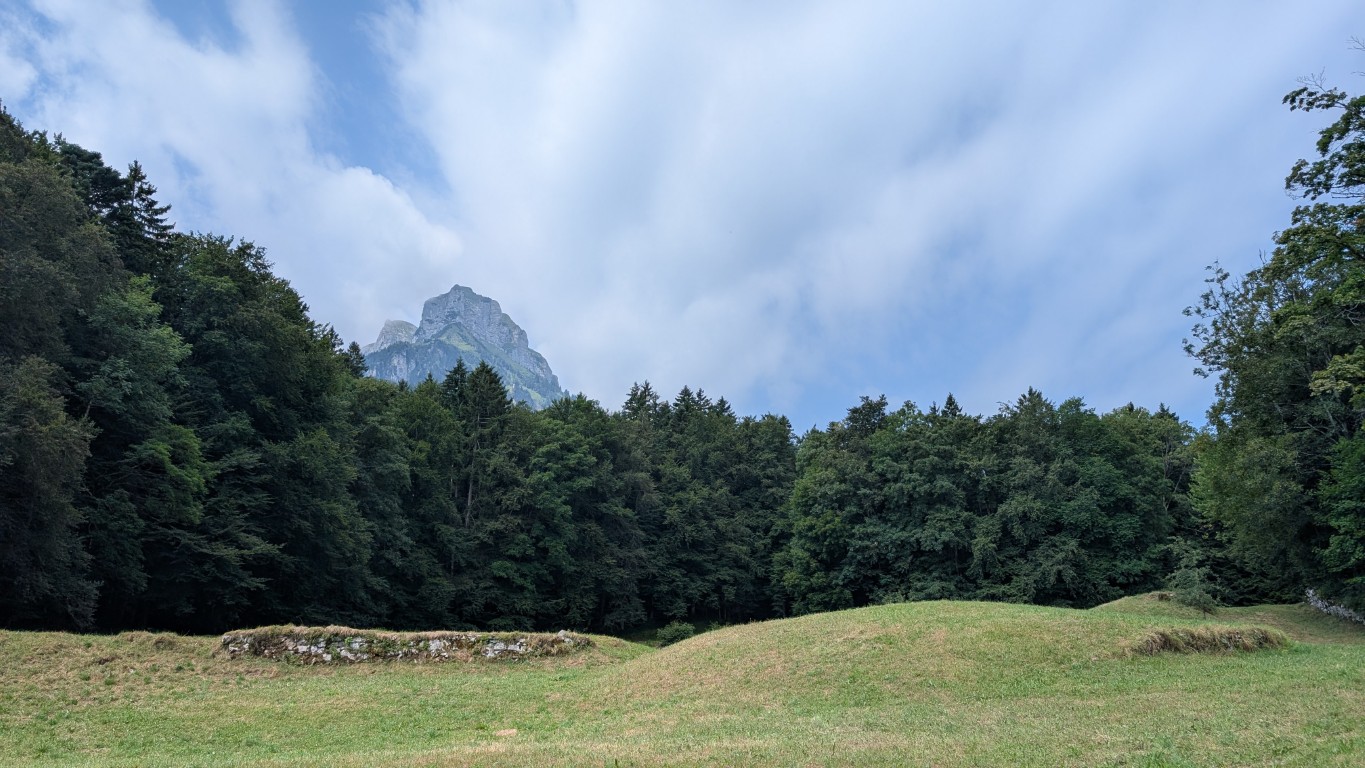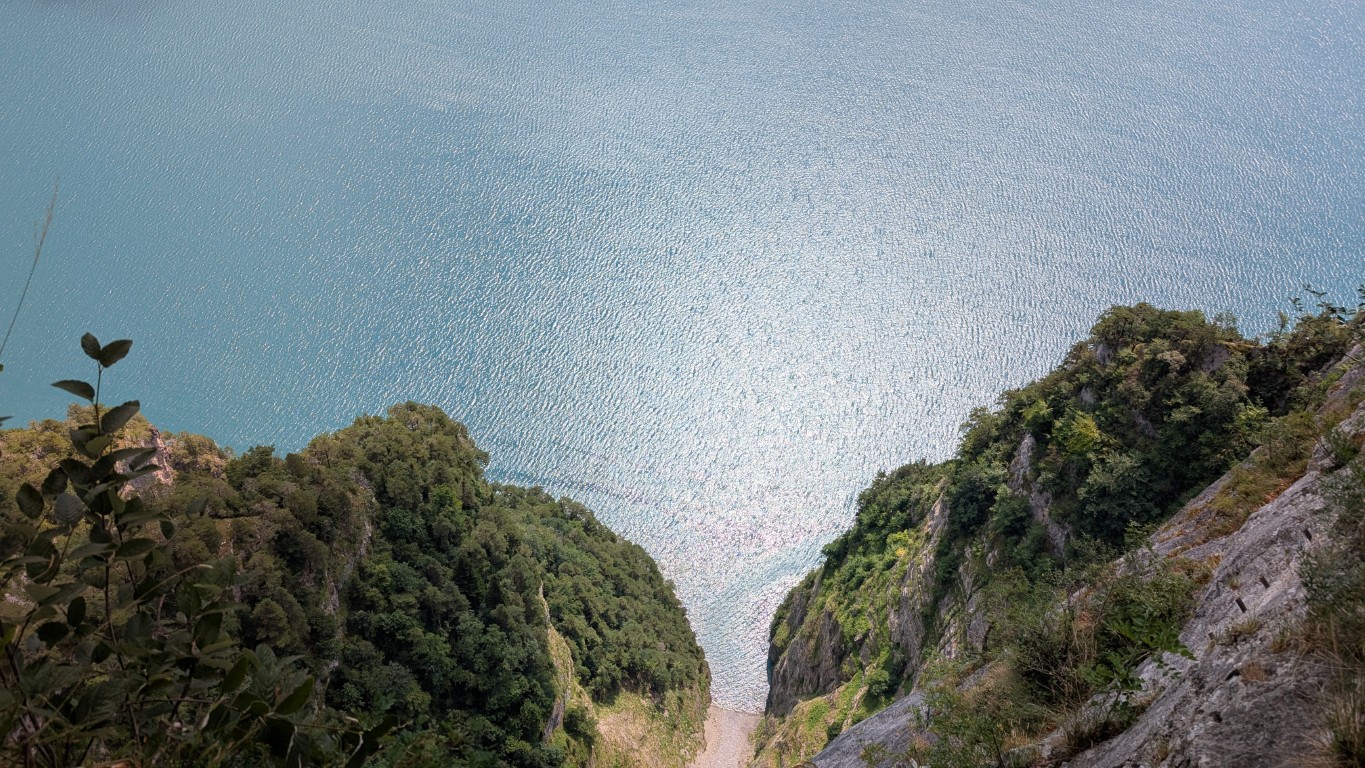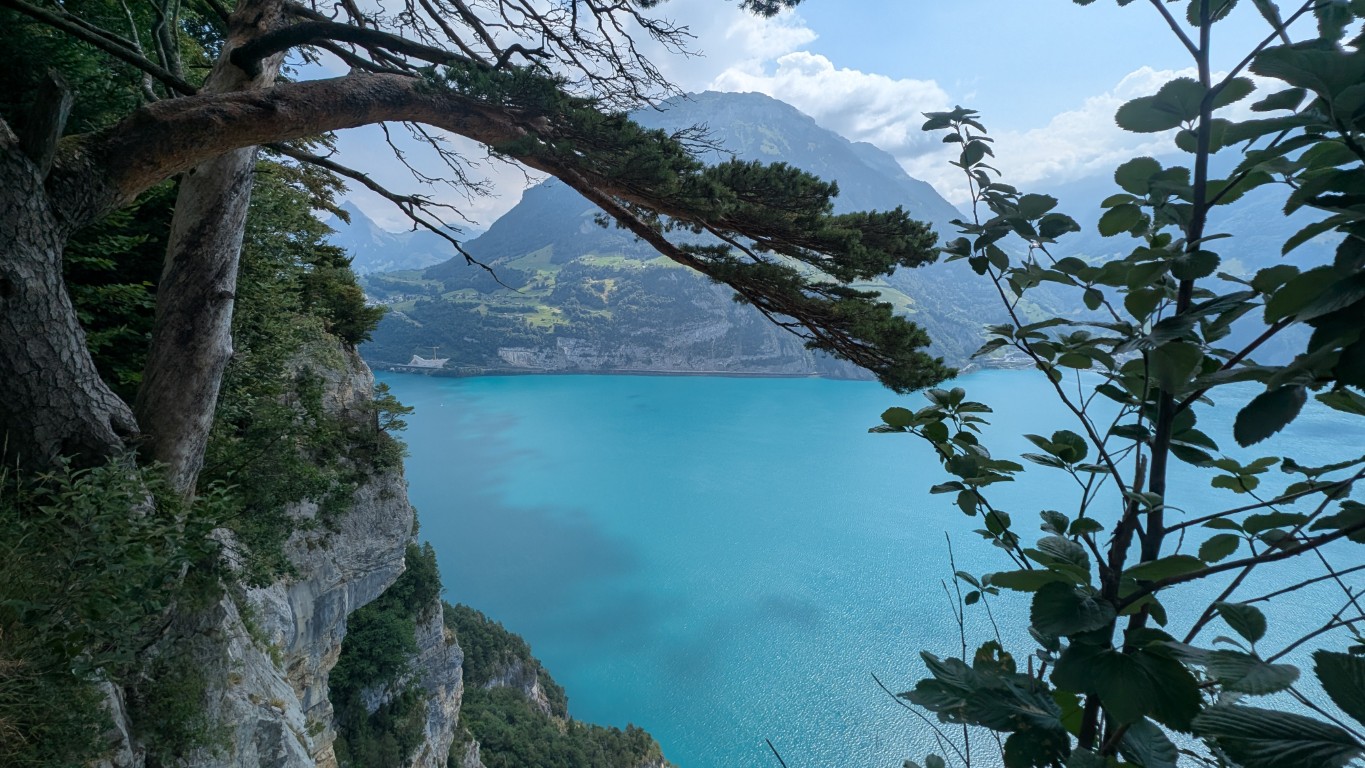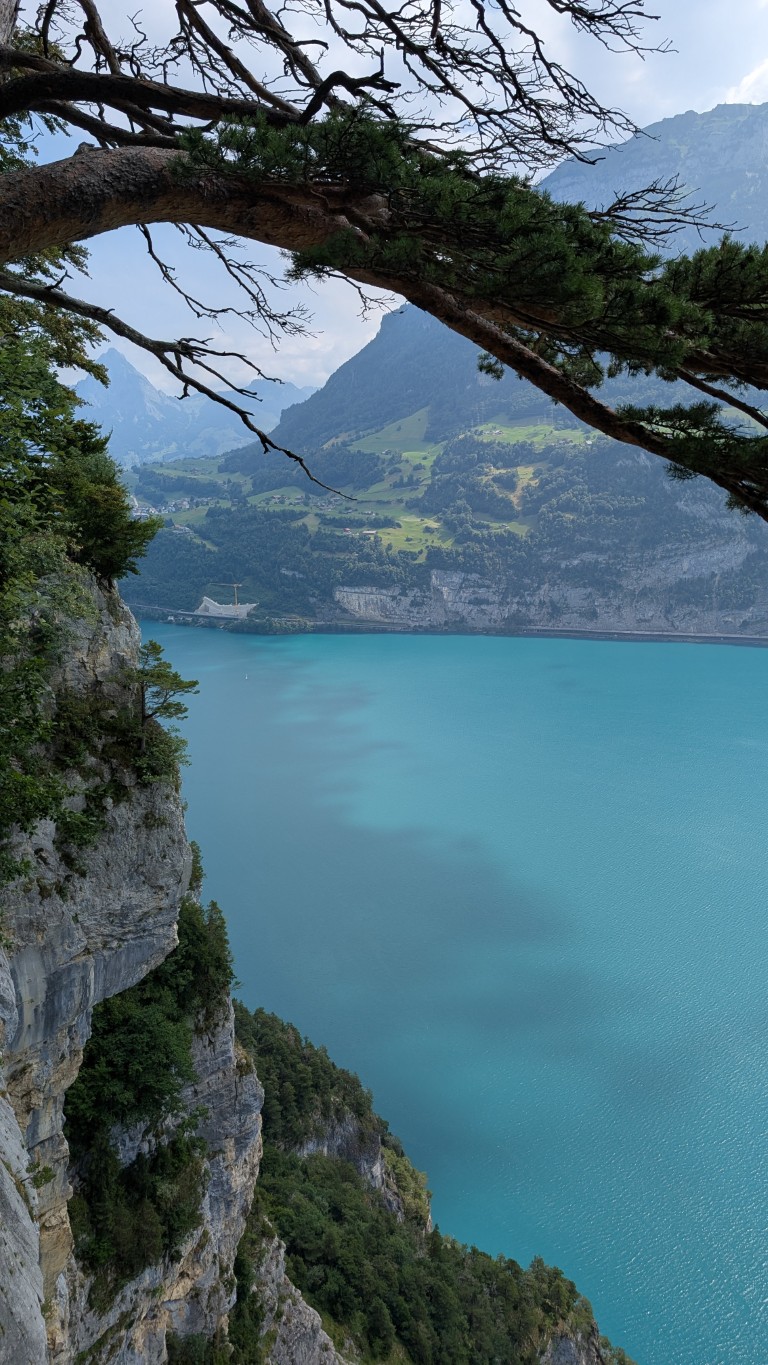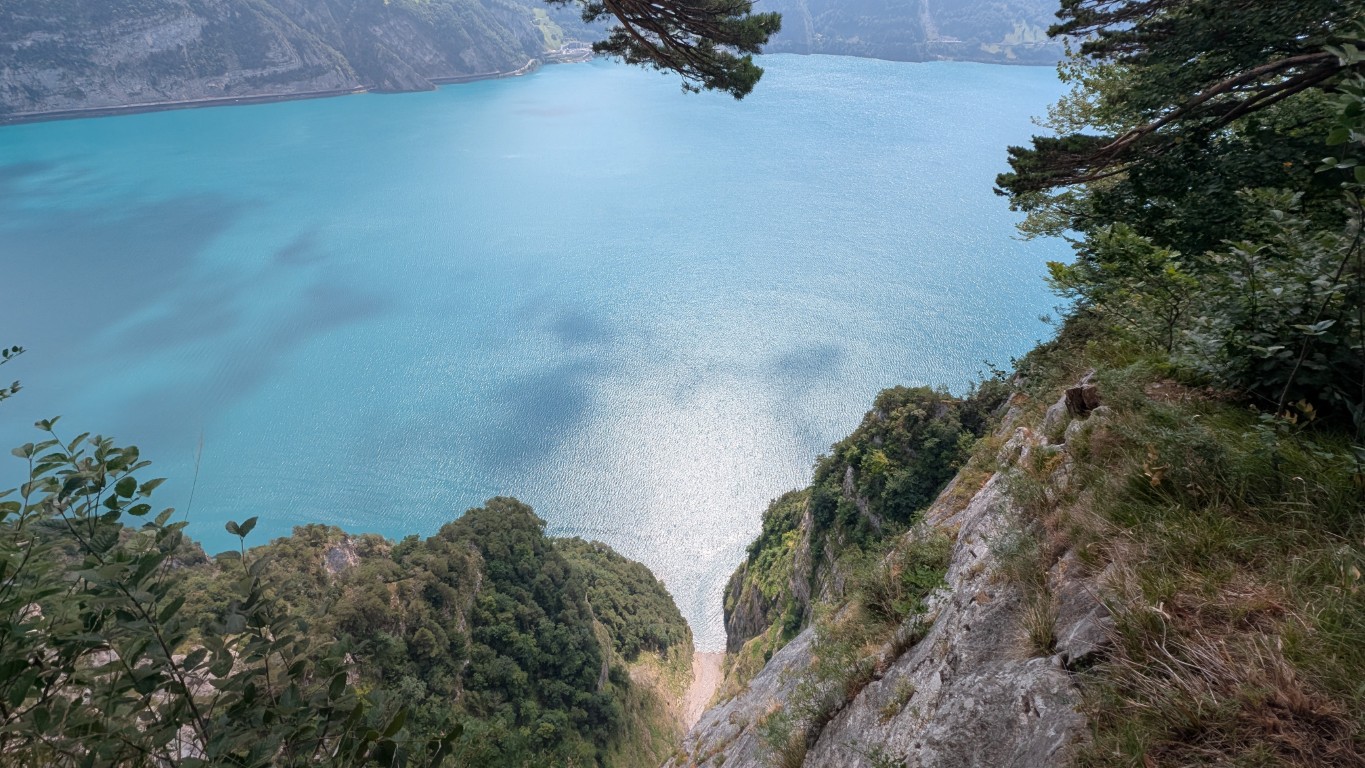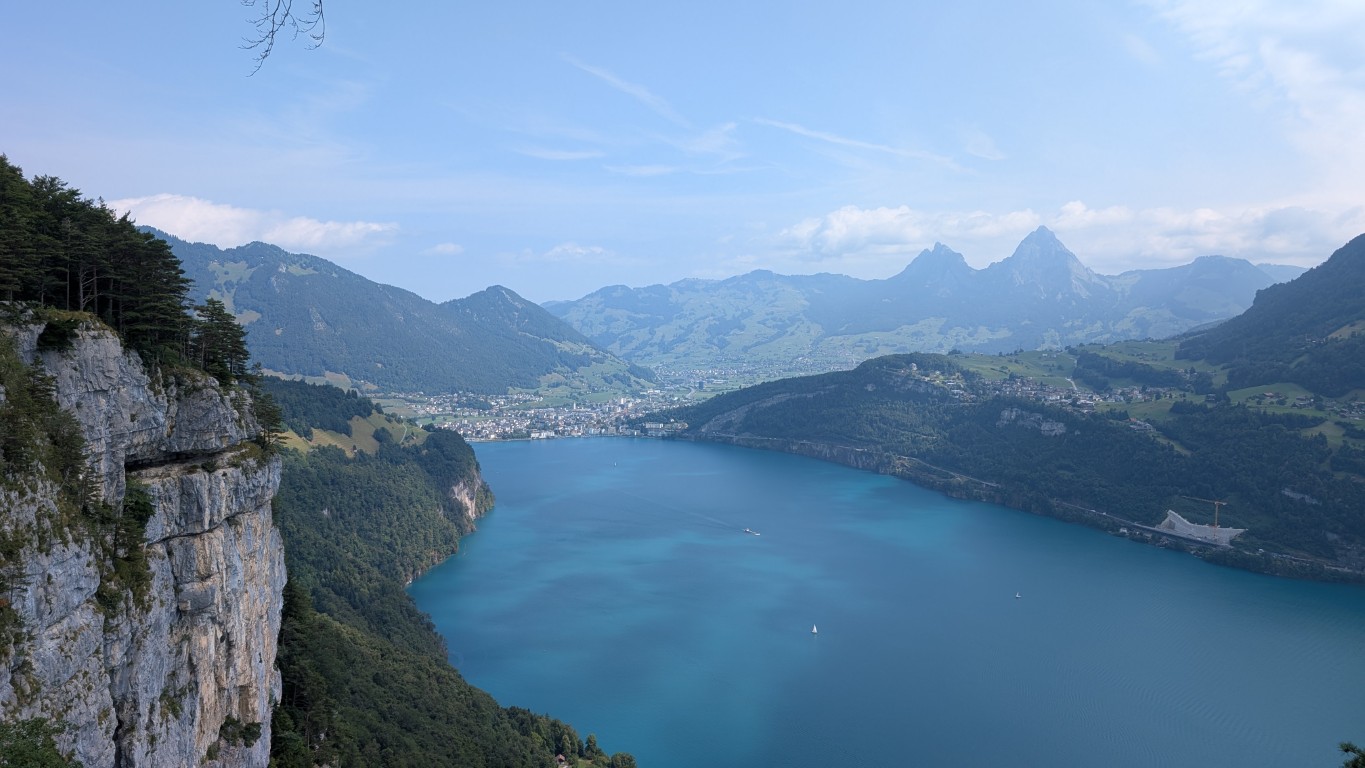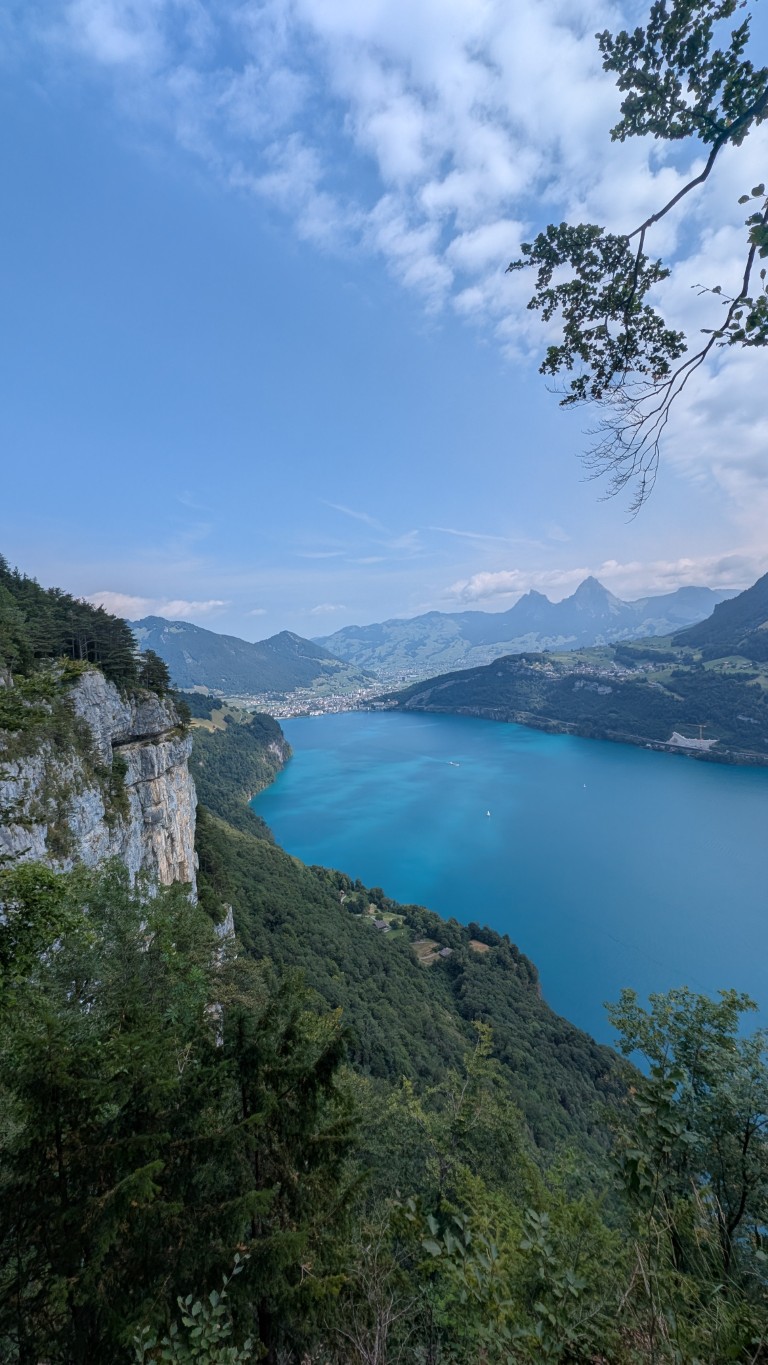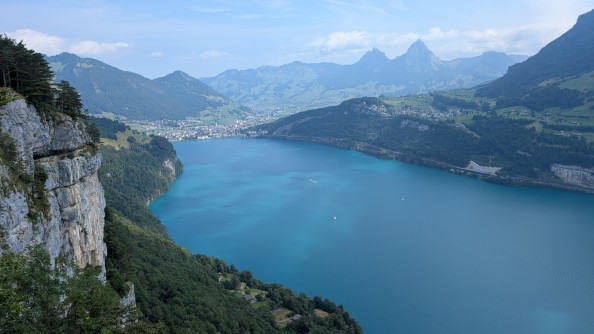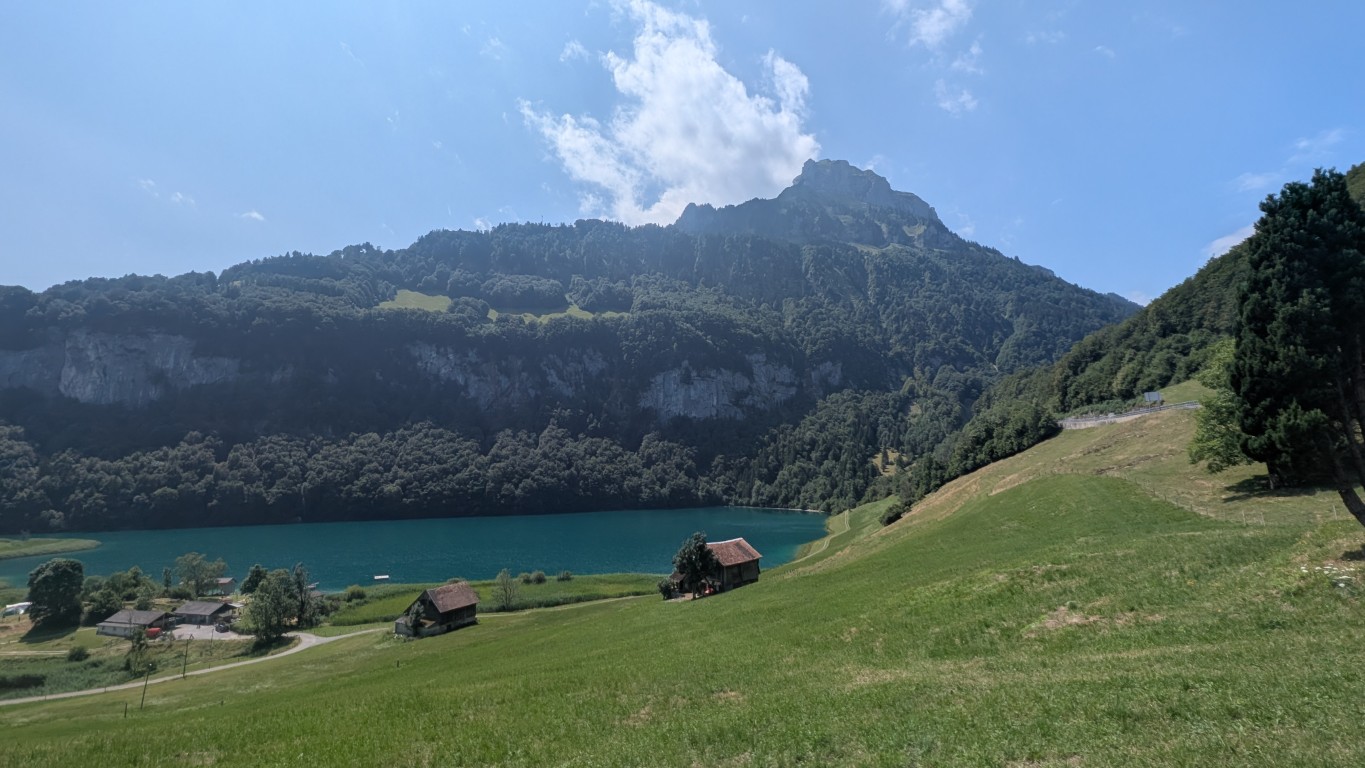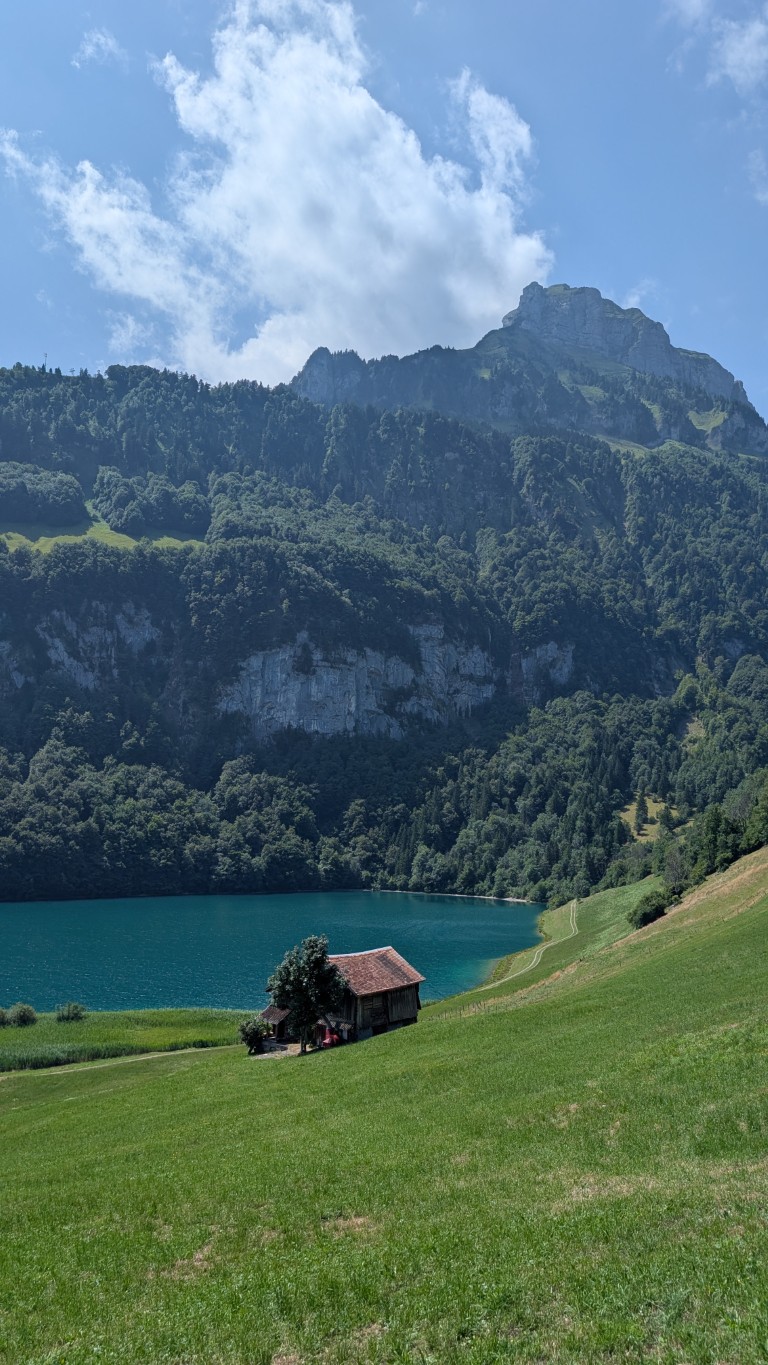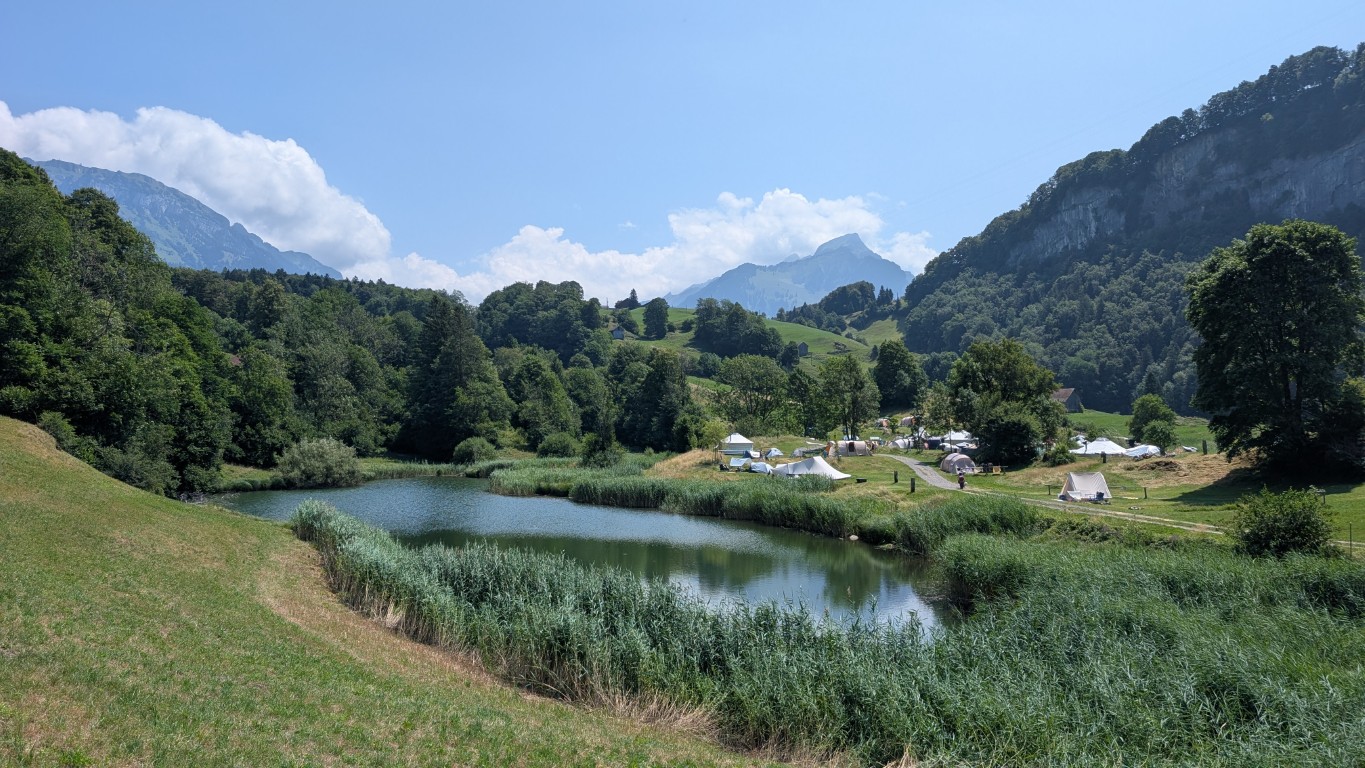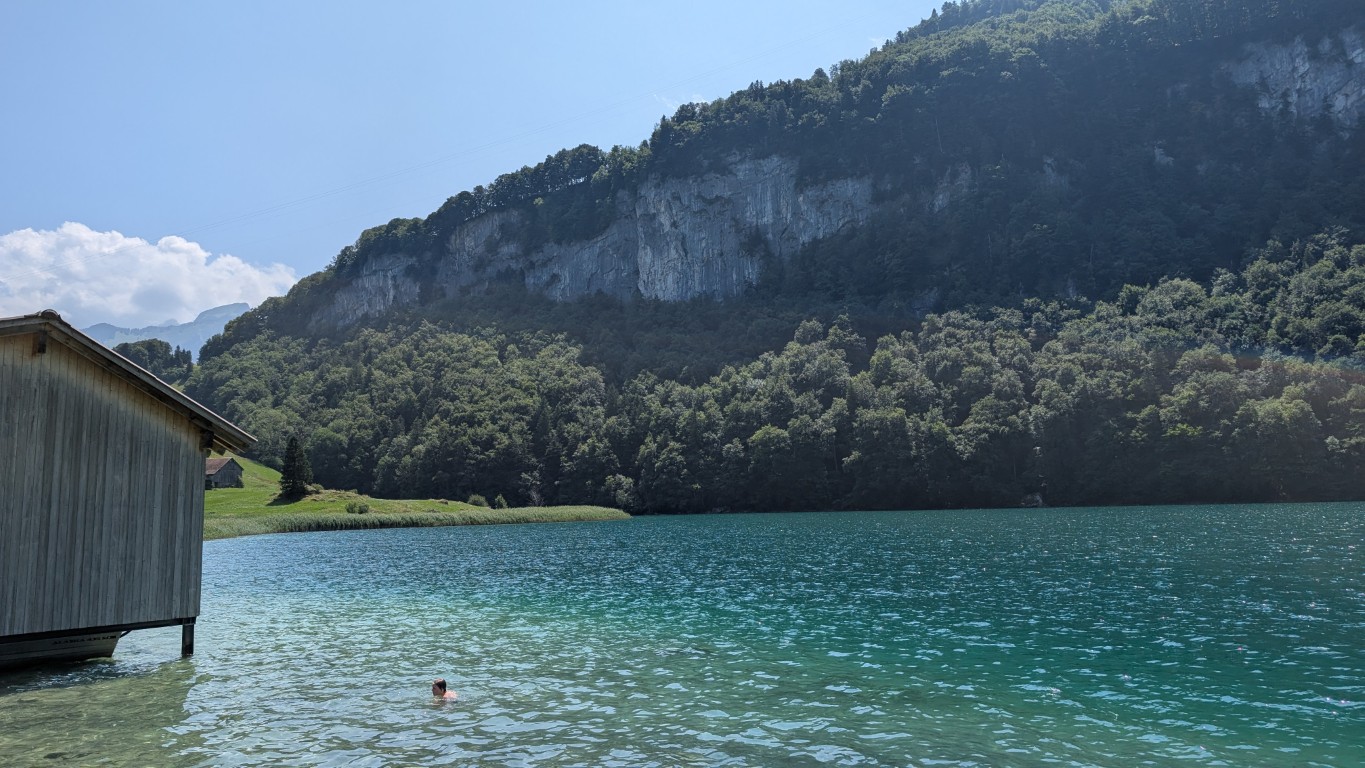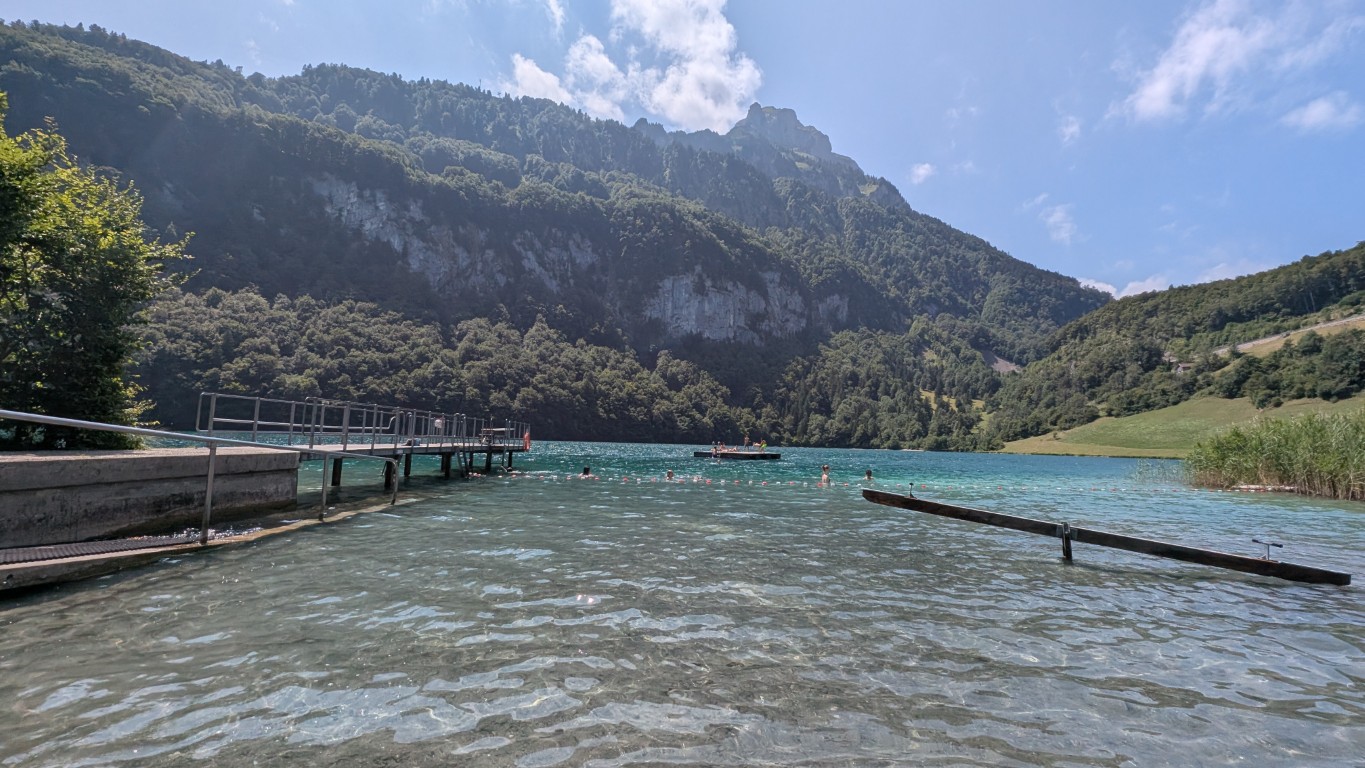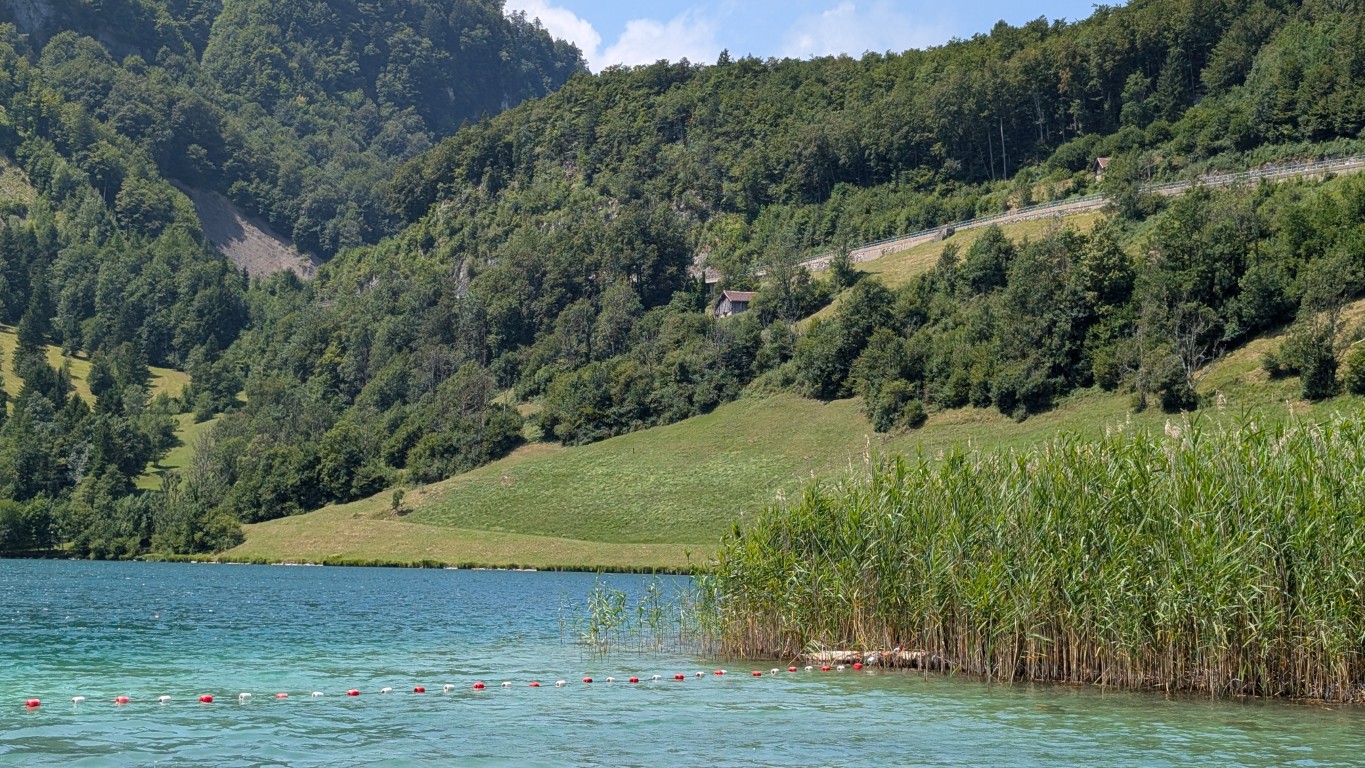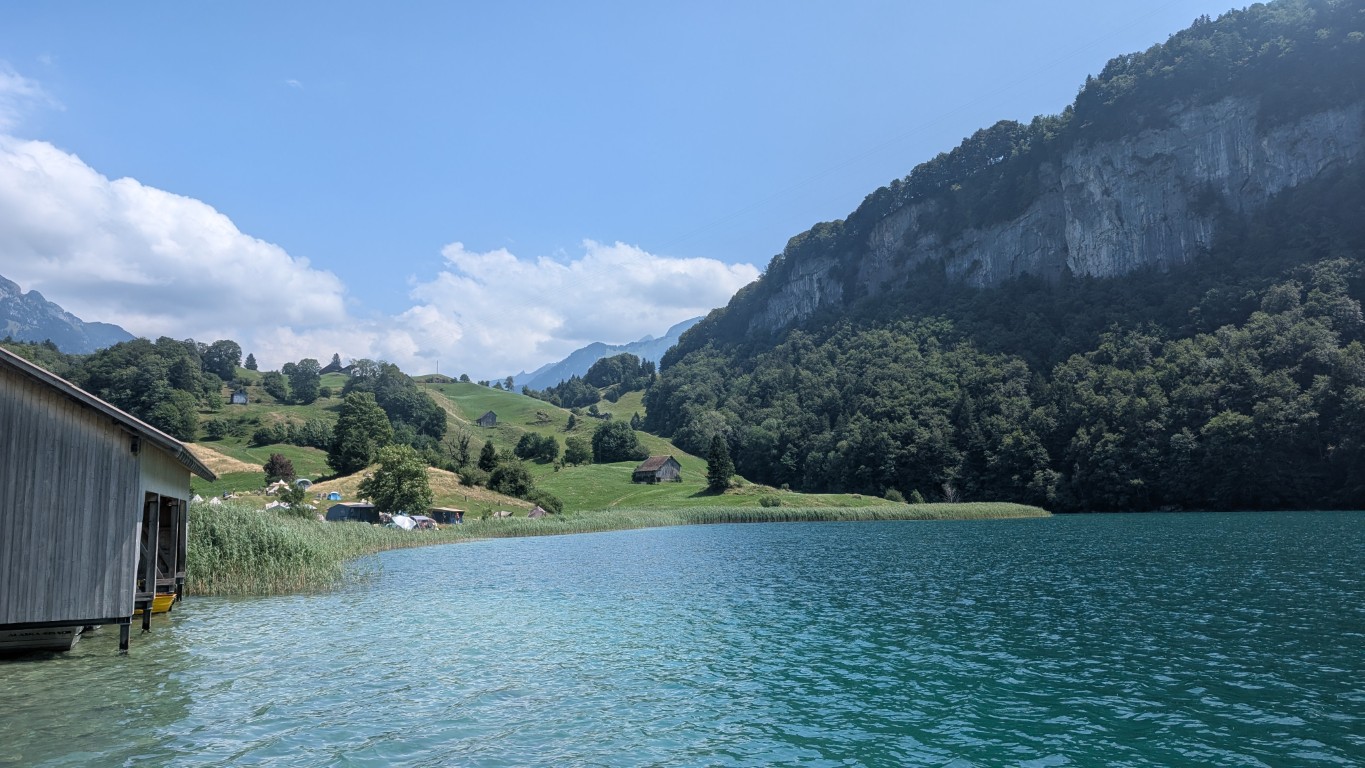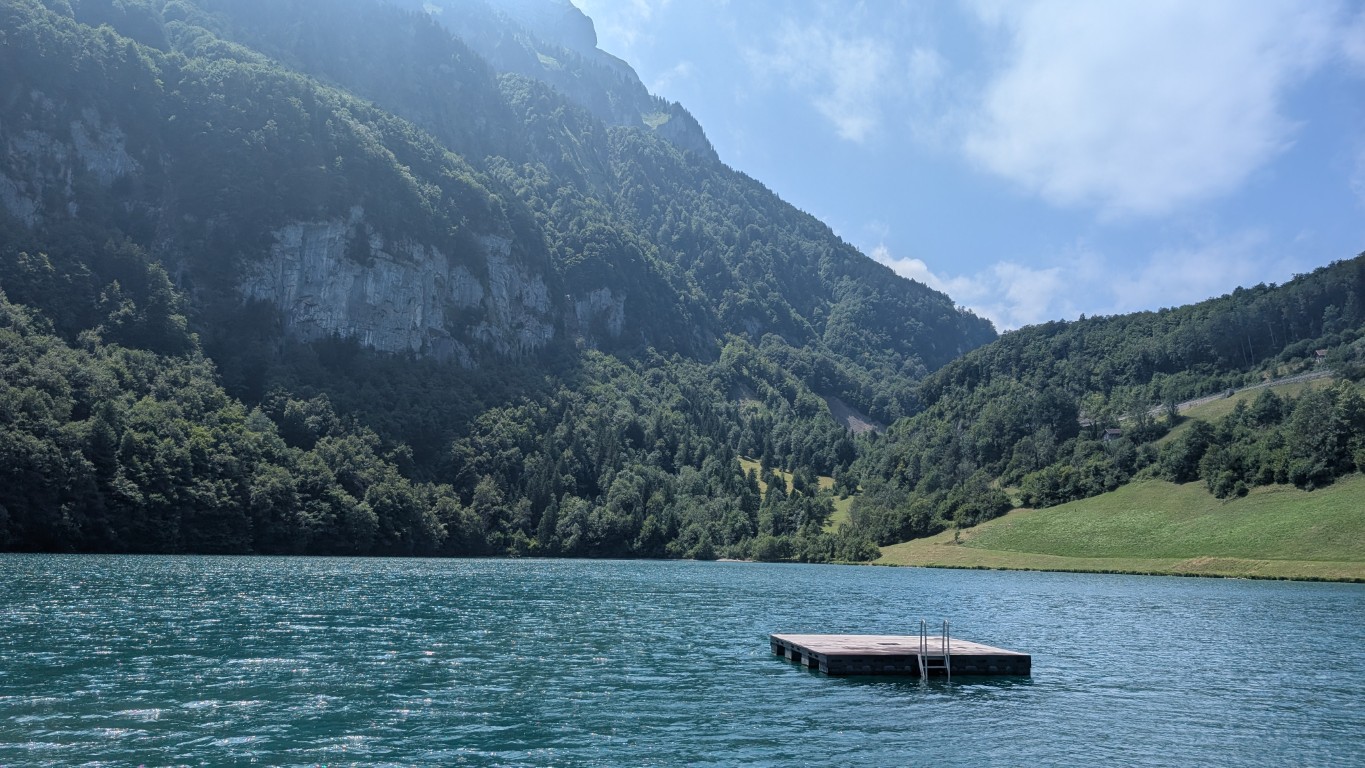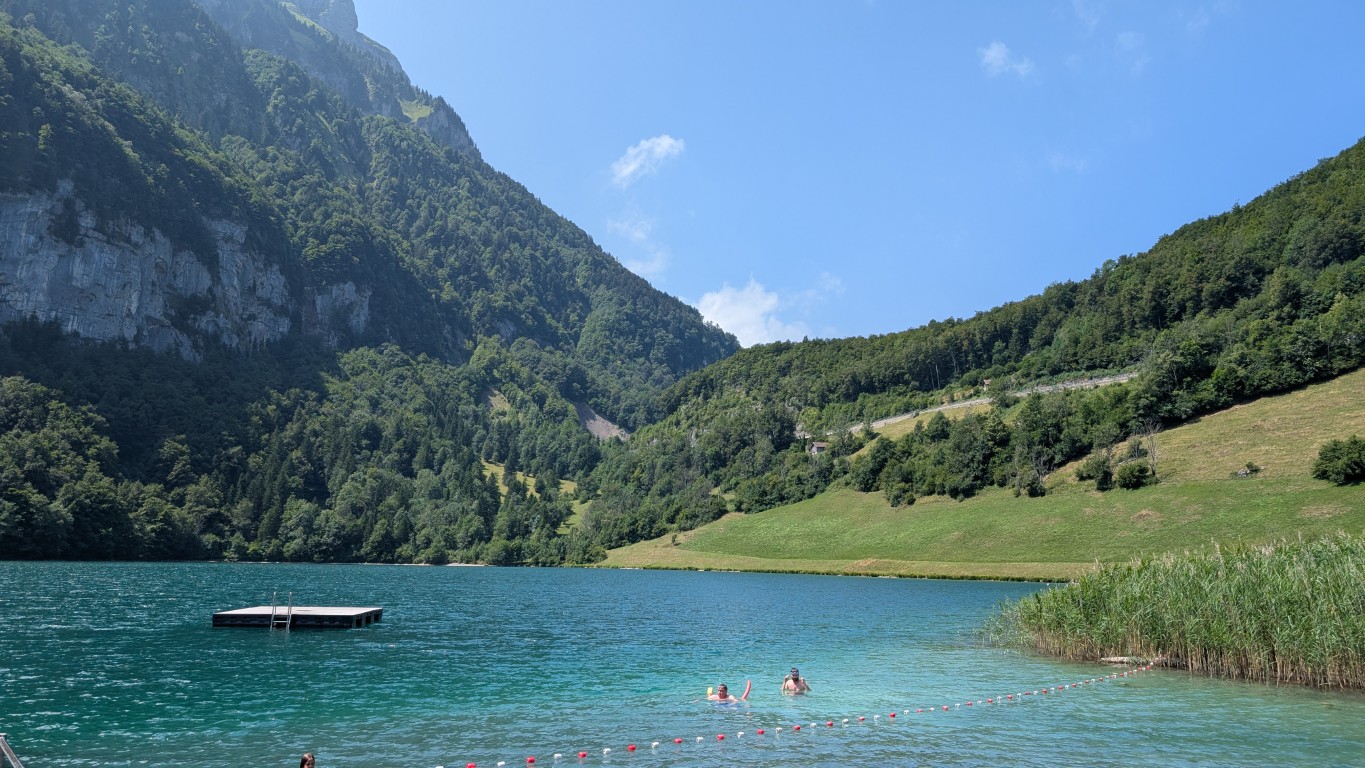
The Seelisbergseeli – officially Seelisbergsee or Seelisbergersee, simply marked as Seeli on the national map – is one of the most beautiful mountain lakes in Central Switzerland. Nestled below the village of Seelisberg in the canton of Uri, this small pre-Alpine lake lies at 738 meters above sea level in a sheltered hollow on the steep northern slope of the Niederbauen-Chulm. Despite its modest size of around 18 hectares, a length of approximately 800 meters, a width of 350 meters, and a maximum depth of 37 meters, it impresses with its clear water and tranquil atmosphere.
A lake with a hidden water system
The unique feature of Lake Seelisberg lies beneath the surface. The lake is primarily fed by underground springs. Its water then disappears into the rugged karst rock and flows through an extensive cave system towards Lake Lucerne. Between the Rütli Meadow and Bauen, it finally re-emerges below the surface – a fascinating natural phenomenon that remains only partially understood.
Popular tourist destination
Especially during the summer months, the Seelisbergseeli lake attracts numerous visitors. On its northern shore, there is a pleasant lido and a nature-oriented campsite for tents. Rowboats can be rented, and since the water warms up faster than that of Lake Lucerne, the lake is one of the most popular swimming lakes in the region. Amateur anglers also appreciate the tranquil mountain lake and its fish population.
The legend of the sunken flower field
For centuries, an impressive legend has been told about the origin of the Seelisbergsee lake.
Legend has it that a fertile field of flowers once stood where the lake now lies, belonging to a rich and powerful landowner. The owner was known for being hard-hearted and miserly. One day, a poor traveler asked him for some bread and water. But the landowner refused him any help and mocked him. Thereupon, the stranger cursed the land.
Shortly afterward, the sky darkened, violent thunderstorms arose, and the earth began to tremble. The magnificent flower field was submerged, and in its place, the lake was formed. The landowner lost all his property. Since then, the Seelisbergseeli has served as a reminder that pride, greed, and a lack of compassion do not go unpunished.
The legend may contain a kernel of truth. Geological studies suggest that the lake's water level fluctuated significantly several times throughout its history, and that parts of the current shoreline may indeed have been dry land in the past.
A lake that almost became a reservoir
The more recent history of Lake Seelisberg is also fascinating. In 1916, plans were made to divert the Istalbach stream into the lake and use it as a reservoir for a hydroelectric power plant. However, due to the complex underground drainage system, the project proved technically unmanageable and was abandoned. During construction, the water level was temporarily raised by about two meters. In 1937, the lake level was lowered again after it became clear that the higher water level was significantly impacting the flora and fauna along the shoreline.
Today, the Seelisbergseeli presents itself once again as a natural mountain lake – a place where impressive landscape, mysterious geology and traditional legends come together in a special way.