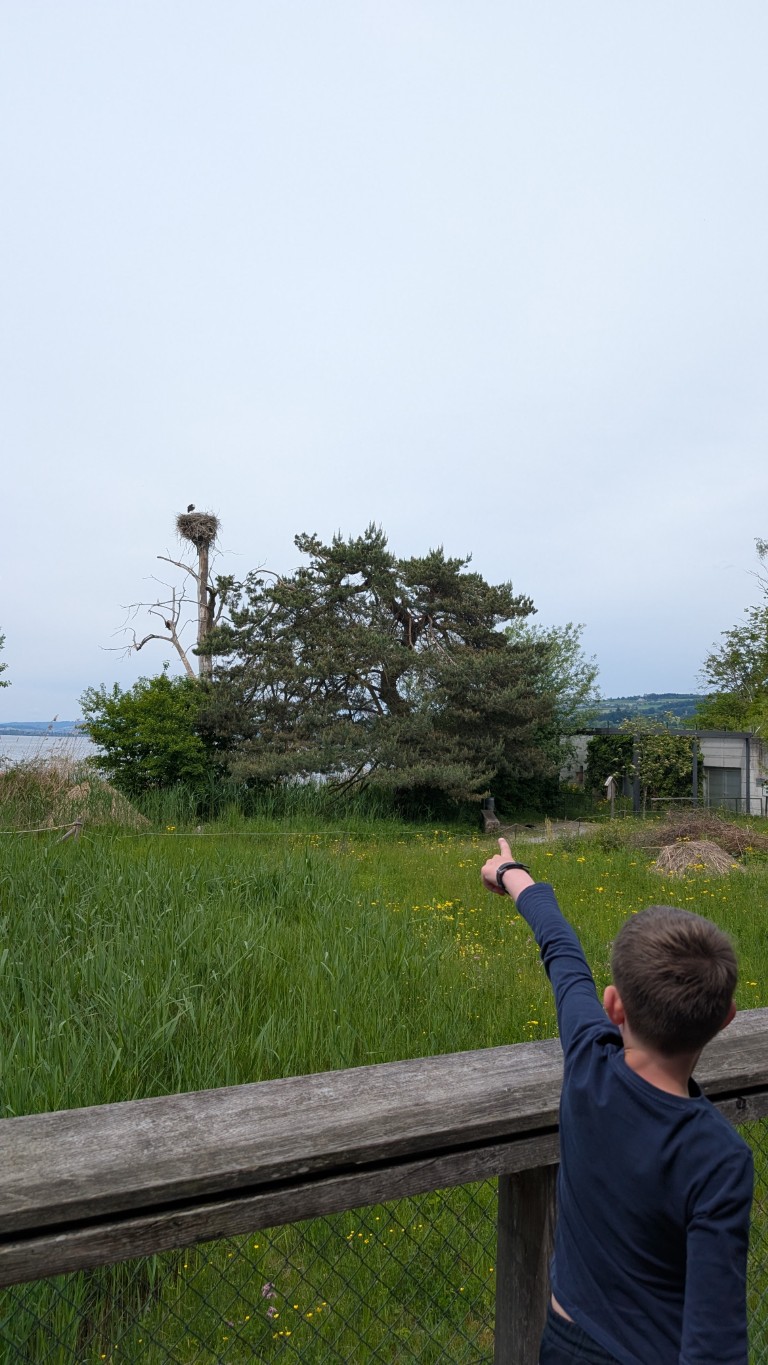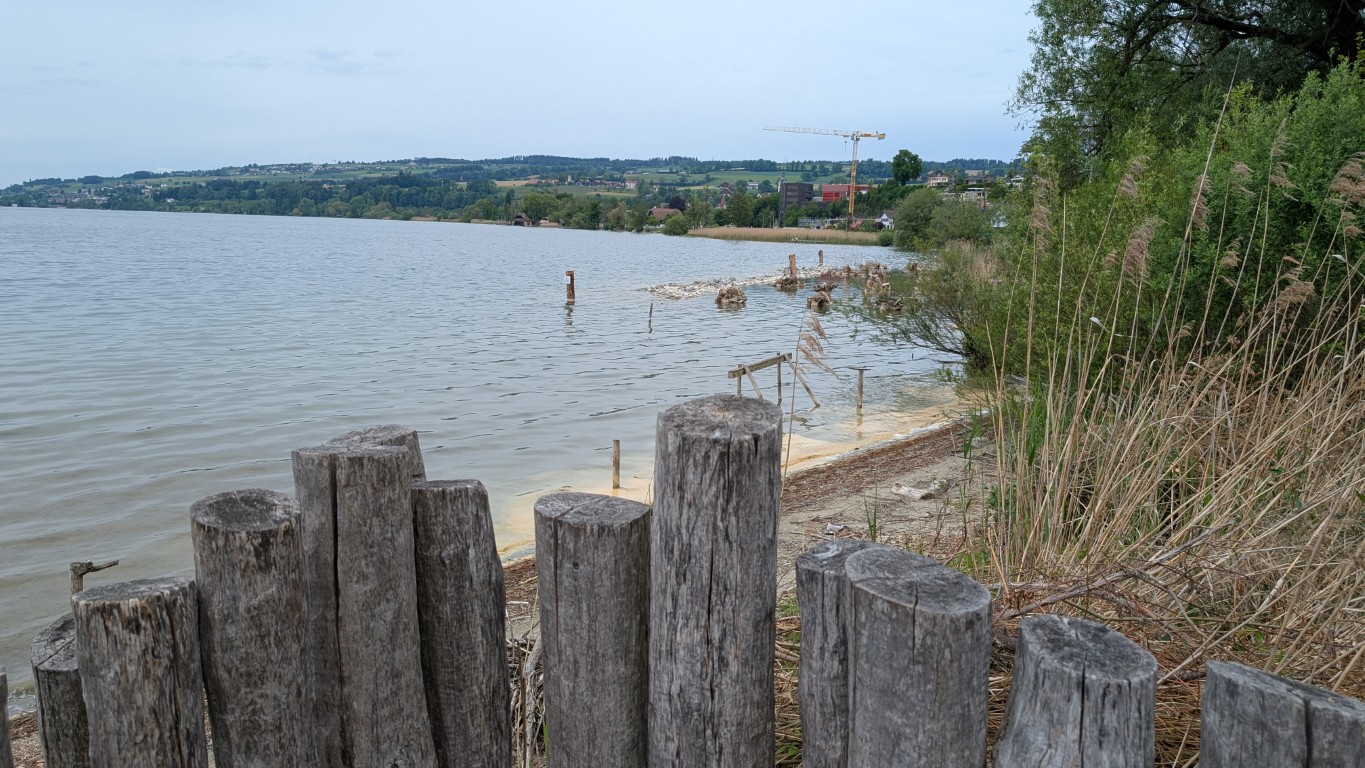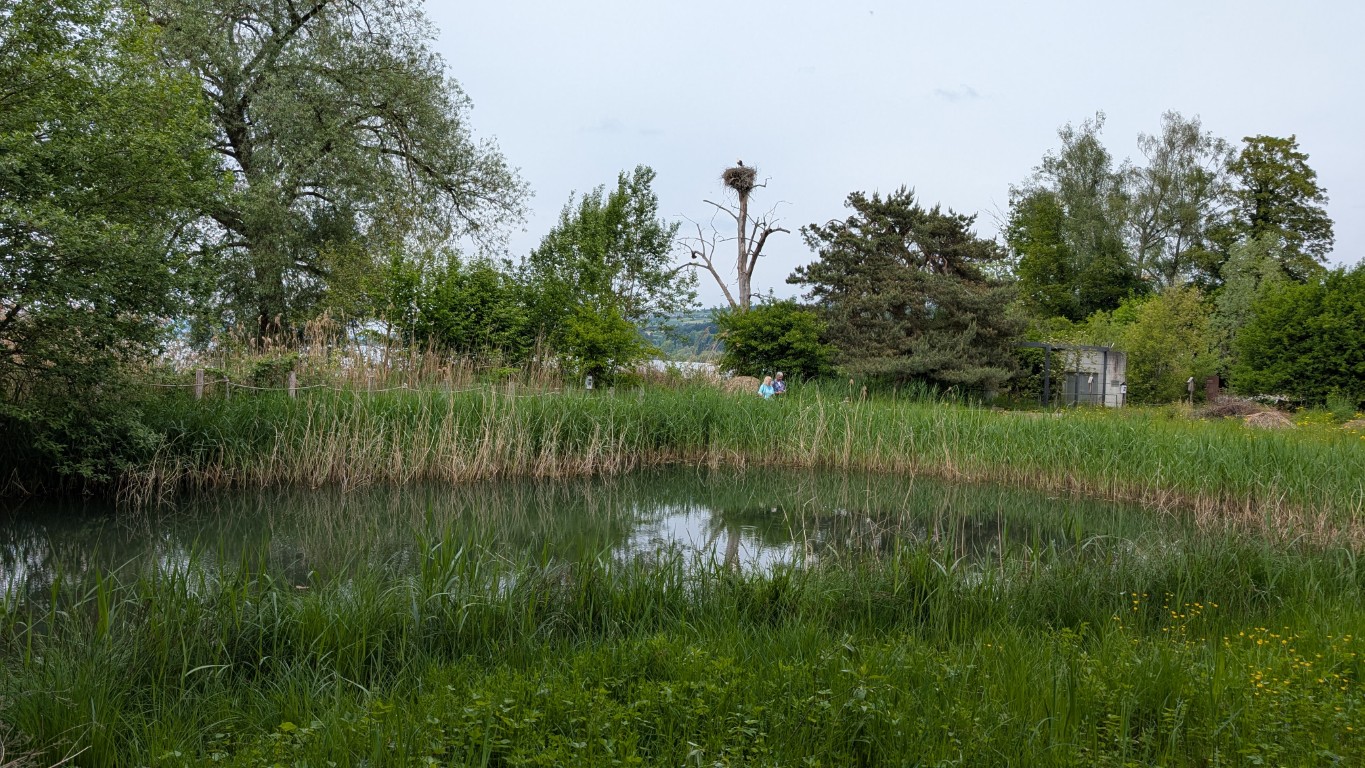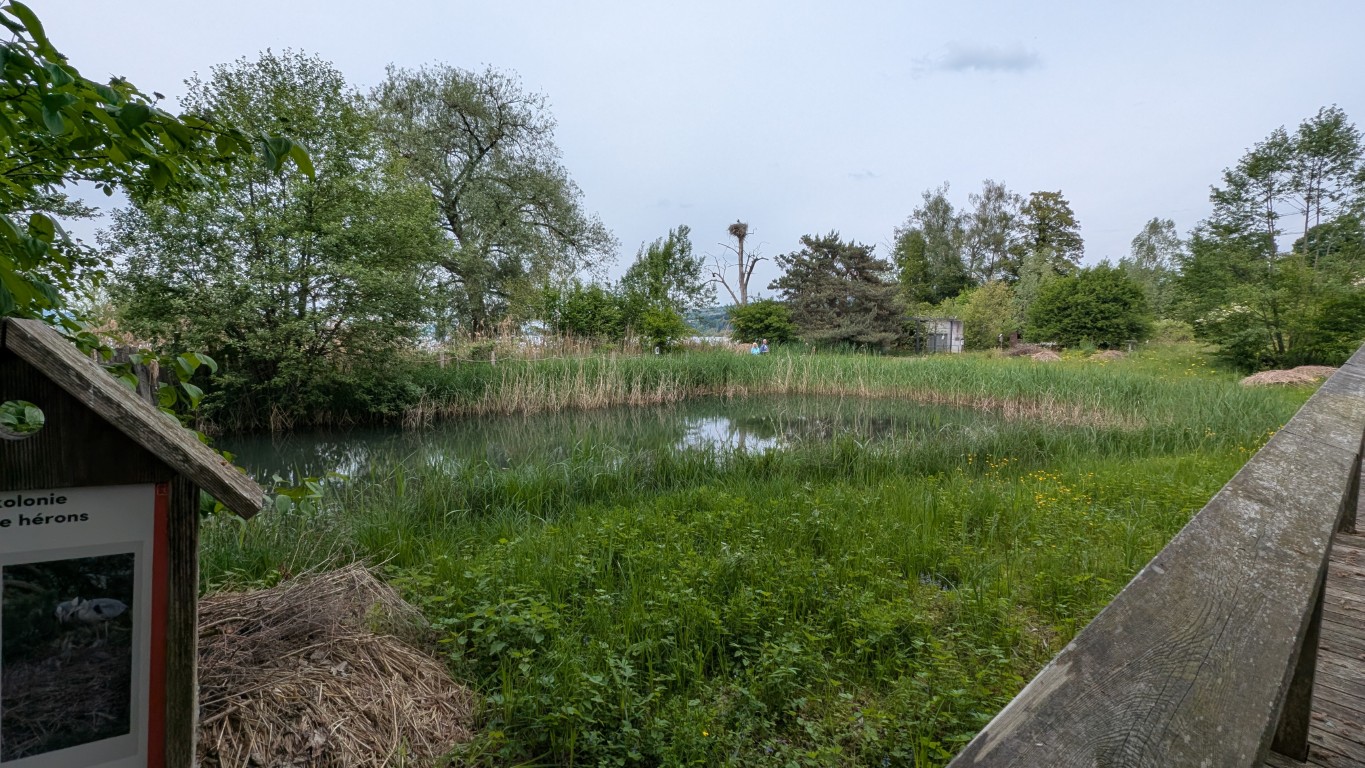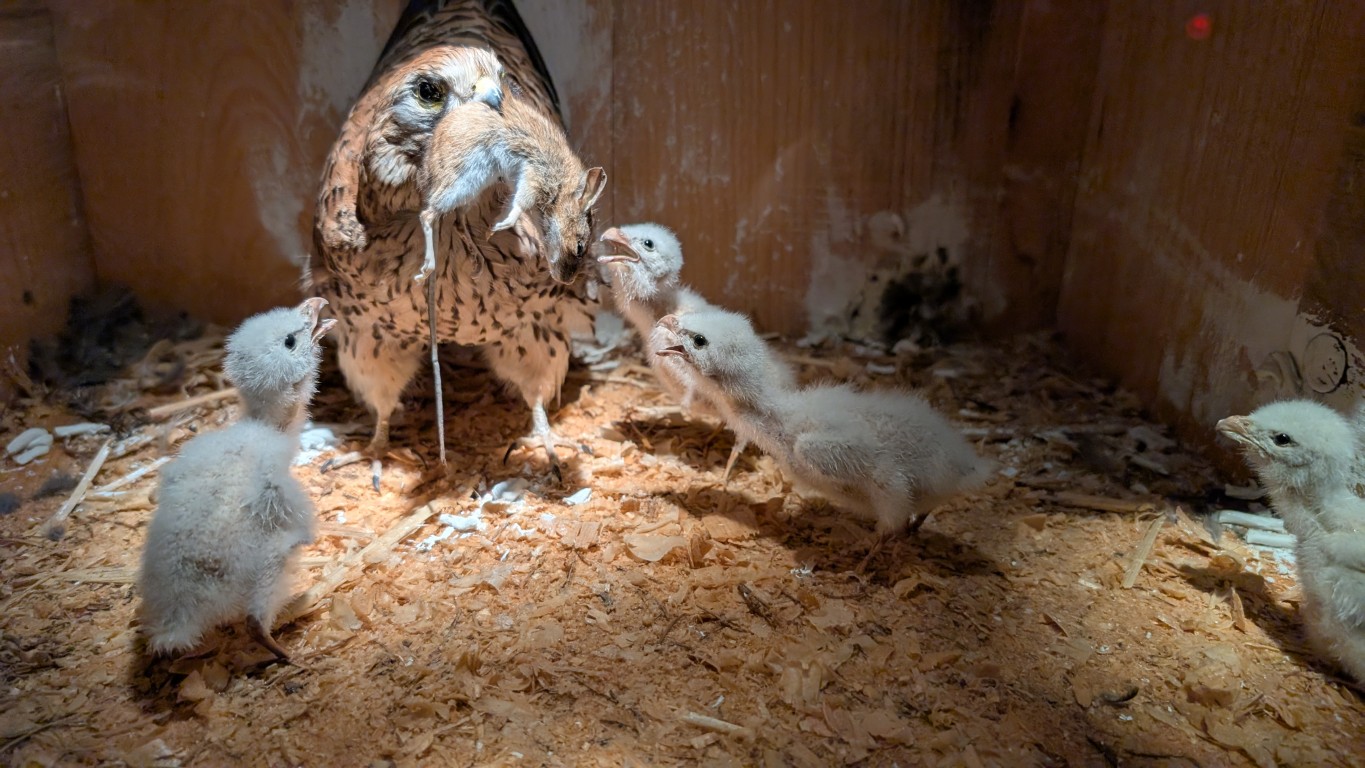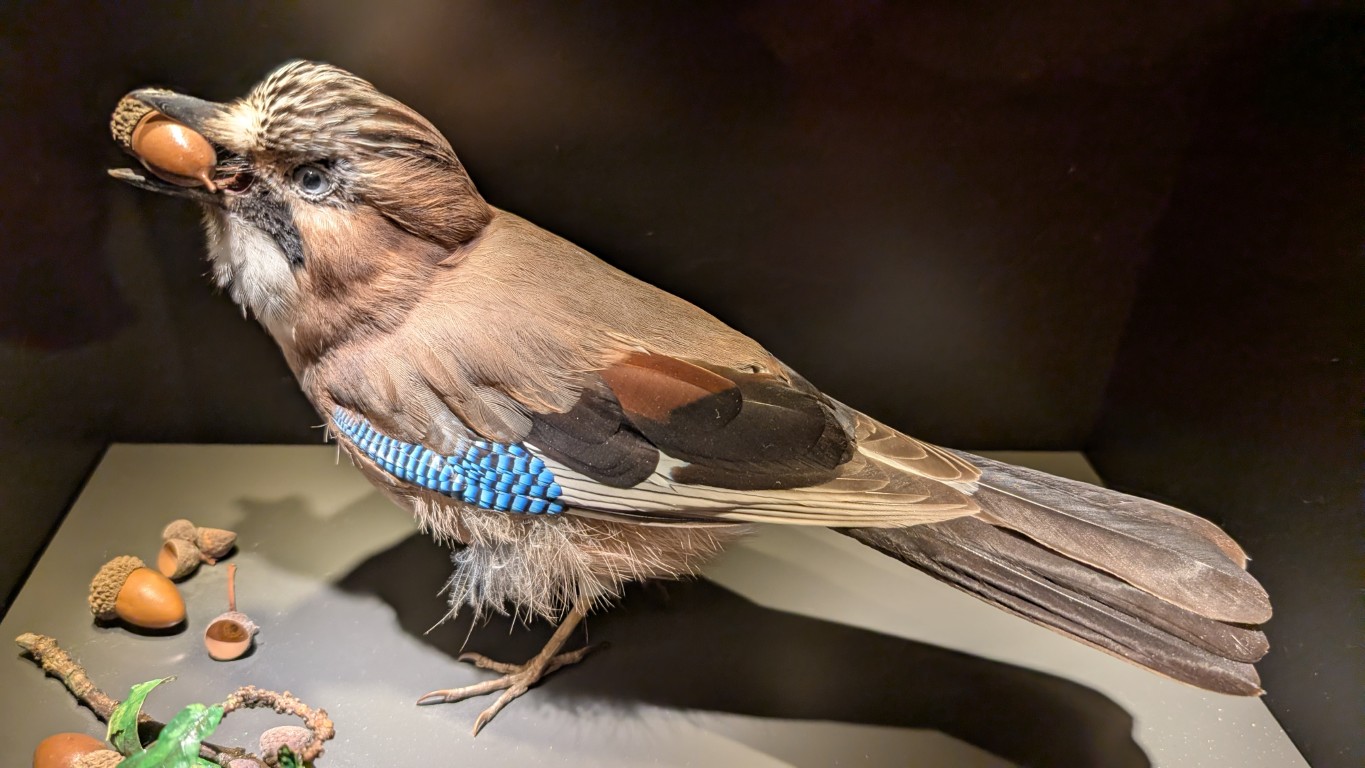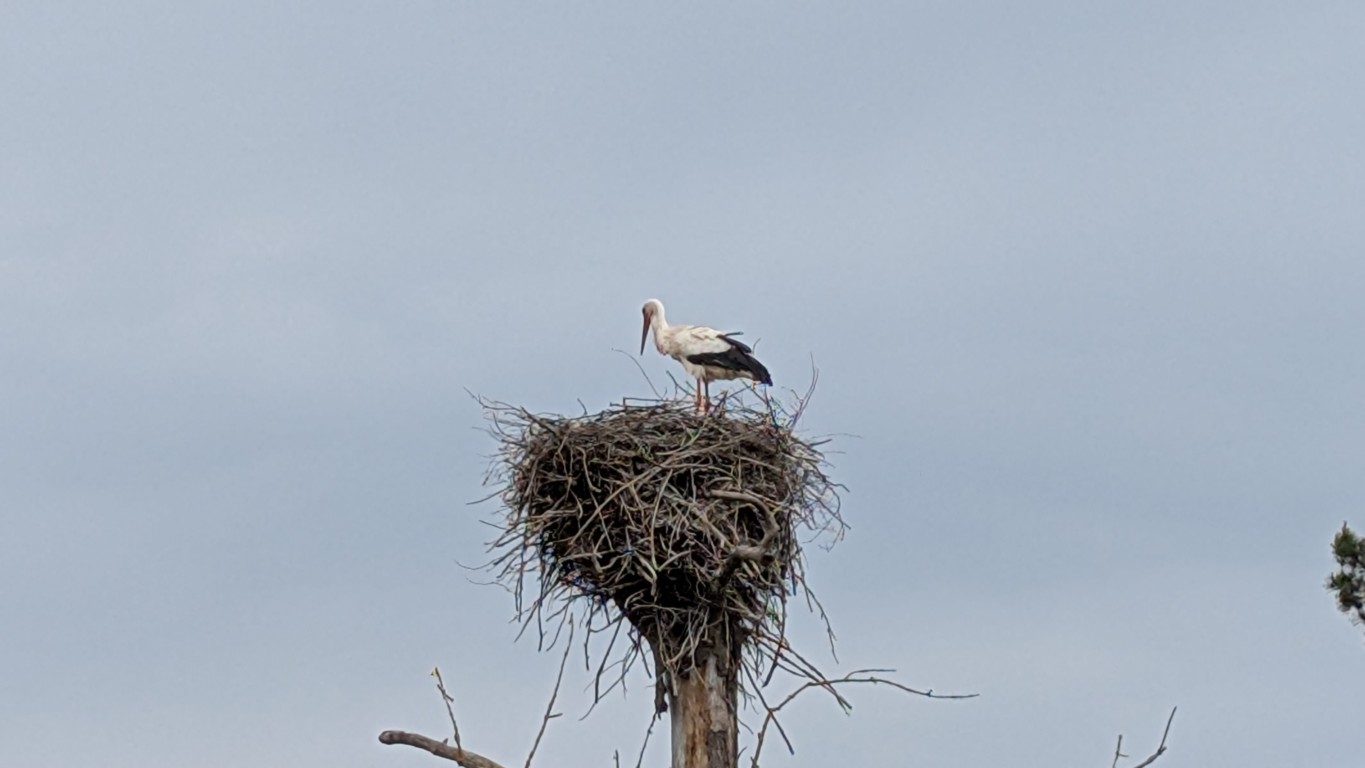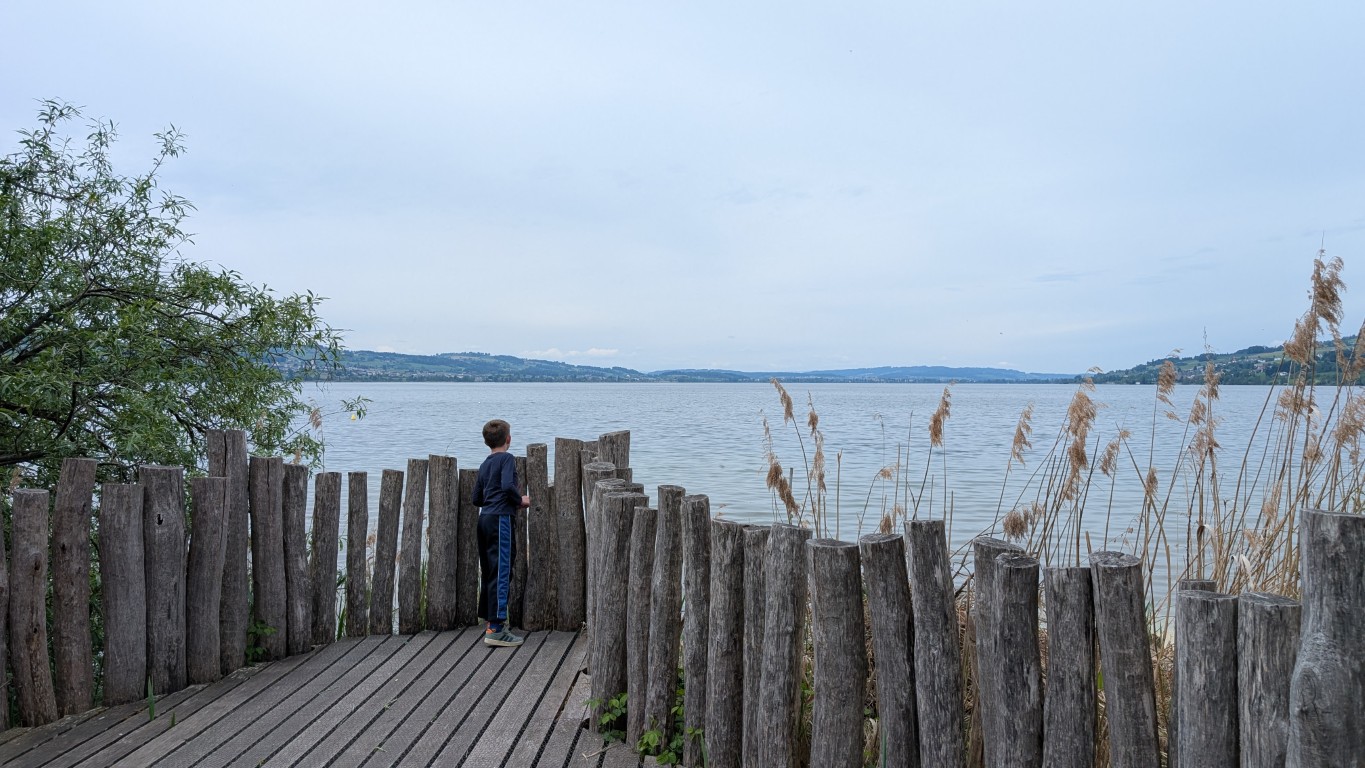
On the shores of the idyllic Lake Sempach in the canton of Lucerne lies an institution that enjoys recognition far beyond the borders of Switzerland: the Swiss Ornithological Institute Sempach. For over 100 years, it has been dedicated to the research and protection of birdlife and has developed from a small ringing center into a national center of expertise for ornithology and bird conservation.
A success story since 1924
The history of the Swiss Ornithological Institute began in 1924. It was founded as a bird ringing center to study bird migration in the Alps. The institution's first location was in the home of the passionate ornithologist Alfred Schifferli Sr. in Sempach. What started as a one-man, volunteer-run operation developed over the decades into a renowned research institution with around 200 employees.
A significant milestone followed in 1954 with the establishment of the independent foundation under Swiss law. Just one year later, the Swiss Ornithological Institute moved into its new premises directly on Lake Sempach. Since 1958, it has also operated a major bird ringing station at the Col de Bretolet in Valais, at an altitude of 1,923 meters – one of the most important observation sites for bird migration in Europe.
Unique in the Swiss research landscape
The Swiss Ornithological Institute in Sempach occupies a unique position. Unlike many comparable institutions abroad, it is not a government agency. Its work is primarily financed through donations and the support of more than 2,000 volunteers who participate in observation and monitoring projects.
In addition to its headquarters in Sempach, the Swiss Ornithological Institute maintains regional offices in Sion, Contone, Chur, Yverdon-les-Bains, and Schaffhausen. This network enables comprehensive birdwatching across all regions of Switzerland.
Research for the protection of biodiversity
One of the core tasks of the bird observatory is the monitoring of native bird populations. Researchers study the behavior of wild birds and analyze the causes of population declines and threats. The findings form the basis for concrete conservation and support measures.
Special attention is paid to threatened species and important habitats such as wetlands, lake districts, and other protected areas. Together with authorities, conservation organizations, and other partners, the bird observatory translates scientific findings into practical conservation projects.
Furthermore, the Swiss Ornithological Institute leads the survey of breeding birds for the Swiss biodiversity monitoring program and coordinates various national monitoring programs. The data collected provides valuable information about the state of Switzerland's natural environment.
Help for injured and orphaned birds
Another important area of responsibility is the care of sick, injured, or orphaned wild birds. The bird observatory's care station looks after numerous animals each year, which are released back into the wild whenever possible.
At the same time, the institution serves as a central point of contact for authorities, media, and private individuals. Experts answer questions about bird species, nature conservation issues, and current developments in the bird world.
Modern visitor center as an experience venue
With the opening of the new visitor center in 2015, the bird observatory gained an architectural highlight. The three-story building made of clay is the first of its kind in Switzerland and combines sustainability with modern exhibition technology.
Visitors can immerse themselves in the fascinating world of birds in an interactive way. Multimedia exhibits, observation opportunities, and educational programs make the center a popular destination for families, school groups, and nature enthusiasts.
A special focus is placed on environmental education. Through school programs and informational offerings, the bird observatory raises awareness among people of all ages about the importance of biodiversity and the protection of natural habitats.
Engagement at the international level
The work of the Swiss Ornithological Institute is not limited to Switzerland. On behalf of the United Nations Environment Programme, it coordinates the African-Eurasian Action Plan for Migratory Land Birds (AEMLAP). In doing so, the institution contributes to improving the protection of migratory birds along their often thousands-of-kilometers-long flight routes.
This international collaboration demonstrates the importance of cross-border research and conservation measures for the preservation of birdlife.
A look into the future
Even after more than a century, the Sempach Bird Observatory remains an indispensable institution for nature and species conservation in Switzerland. Through scientific research, practical conservation projects, educational work, and international engagement, it makes a crucial contribution to the preservation of birdlife.
In times of biodiversity loss, climate change, and increasing pressure on natural habitats, their work is more important than ever. The Sempach Bird Observatory impressively demonstrates how research and nature conservation can go hand in hand – for the benefit of birds and all of nature.