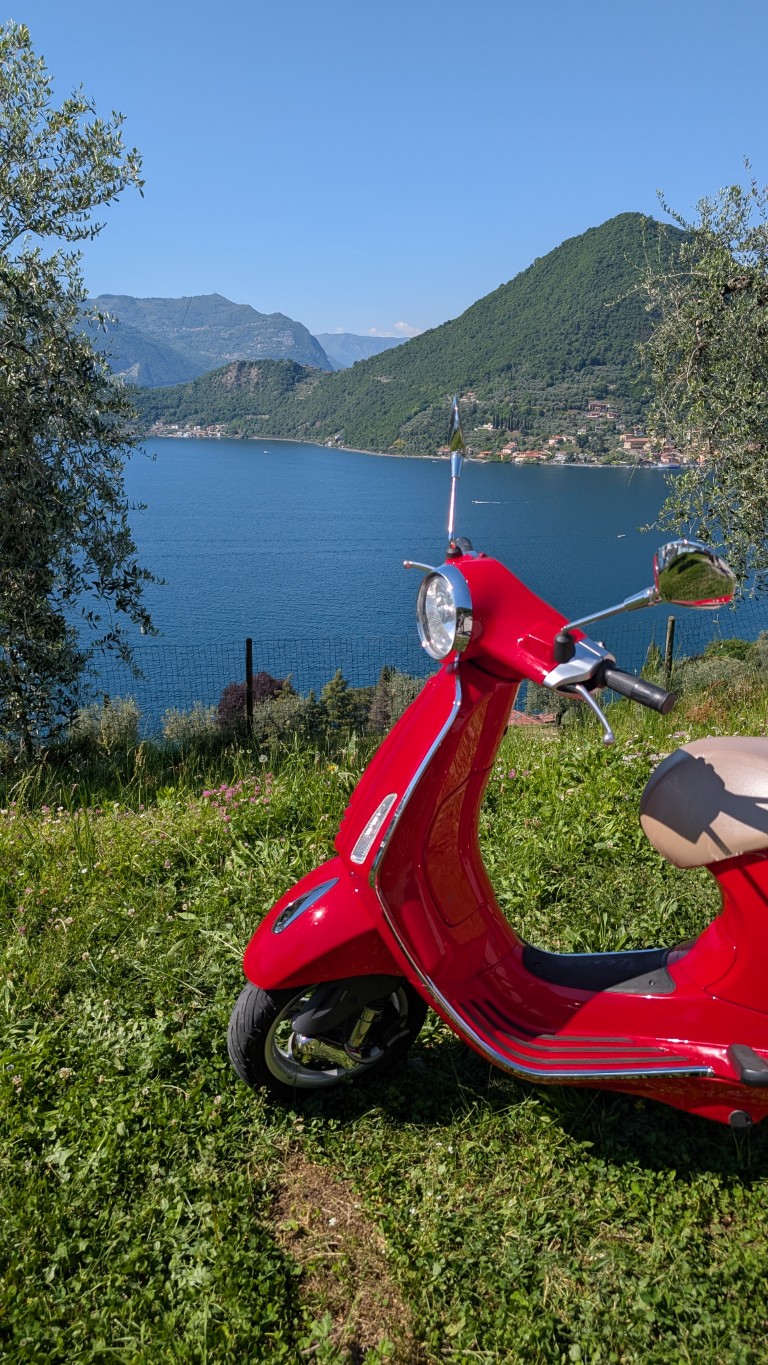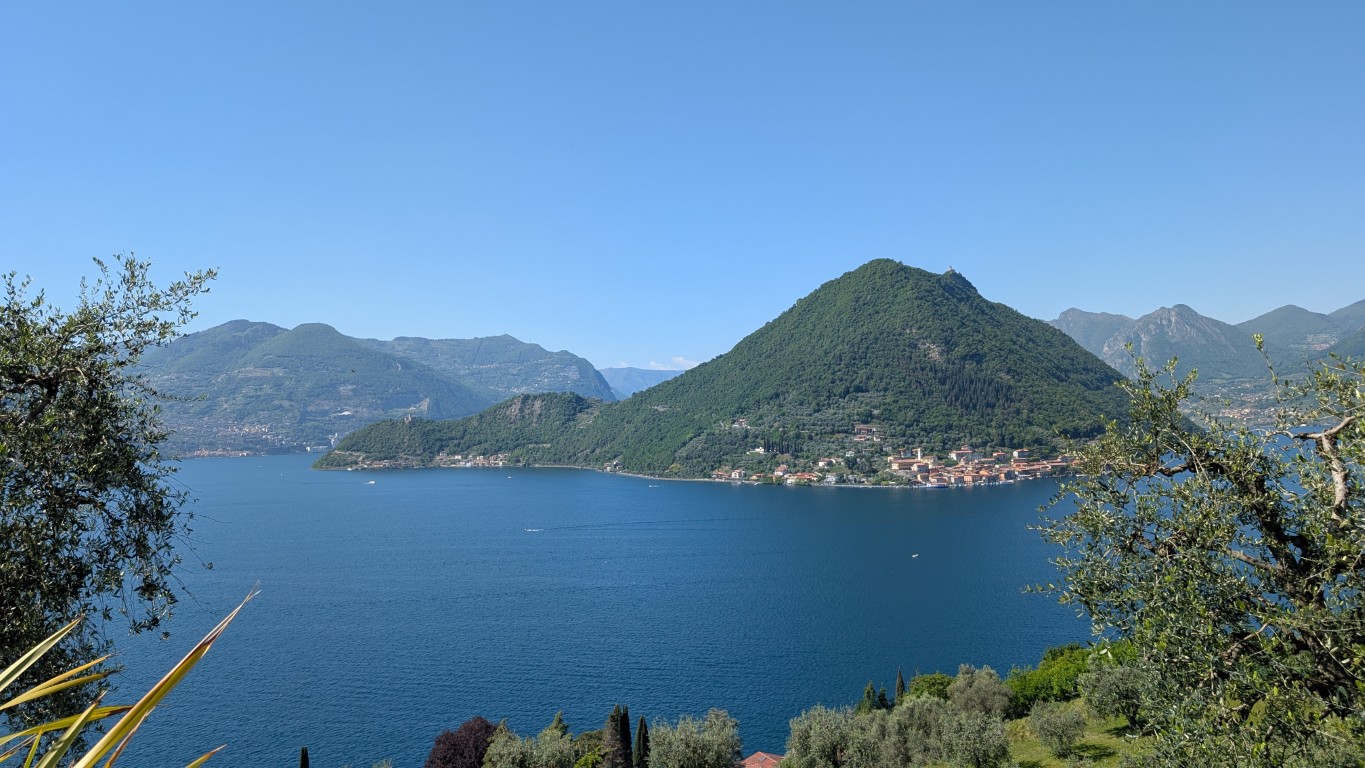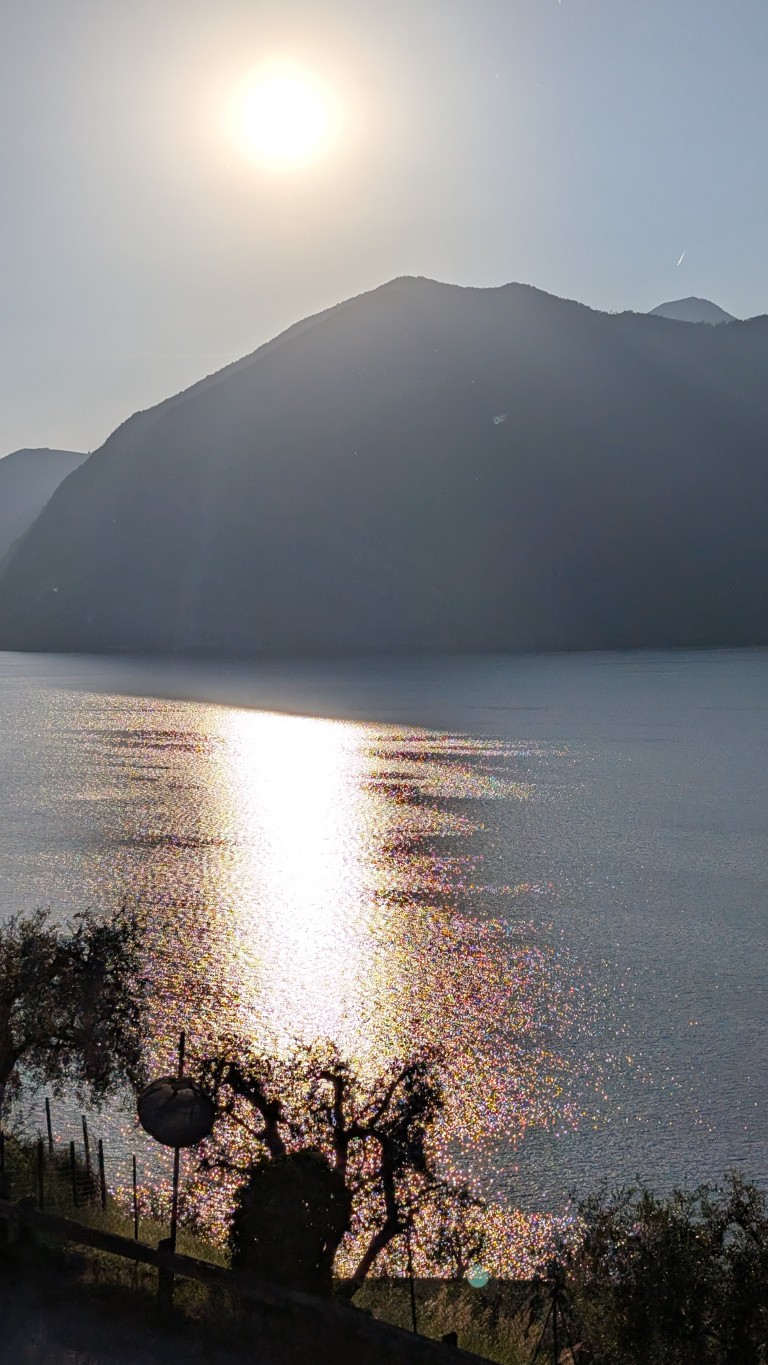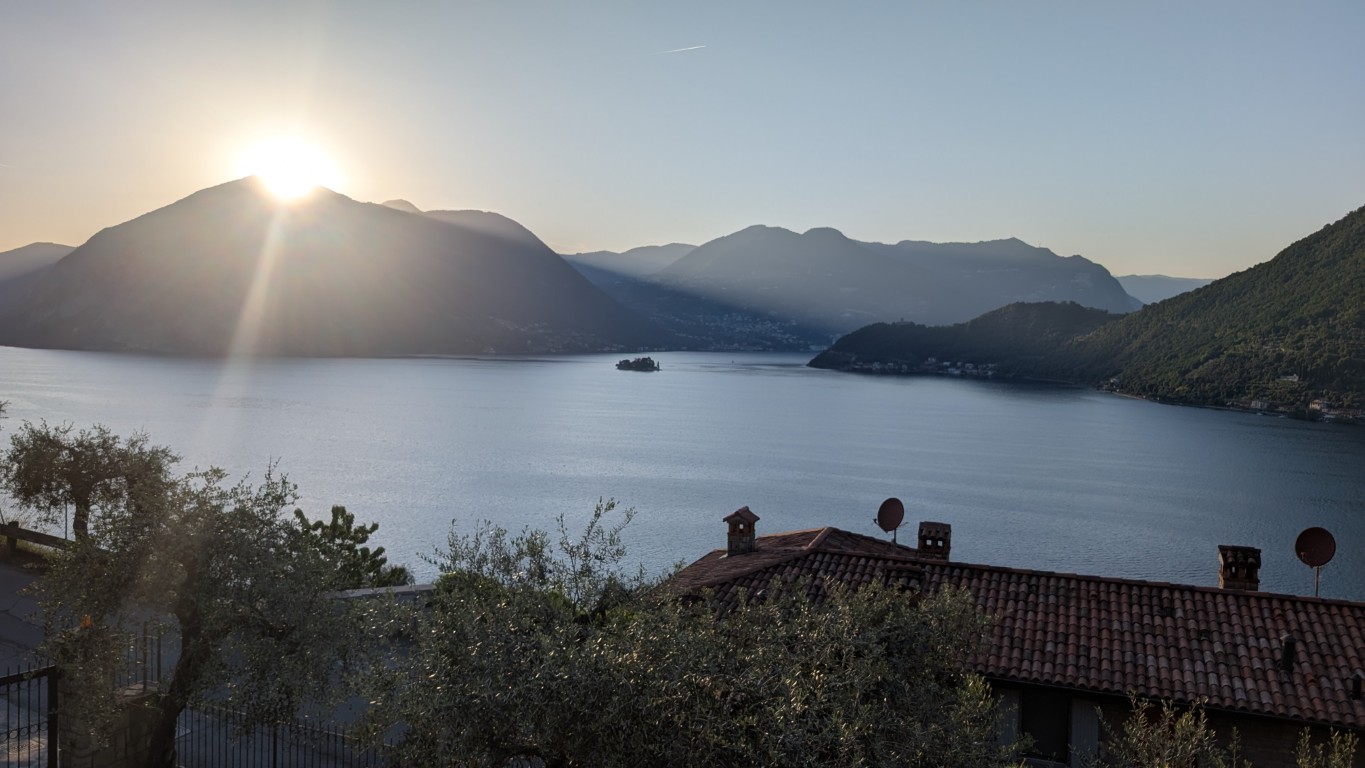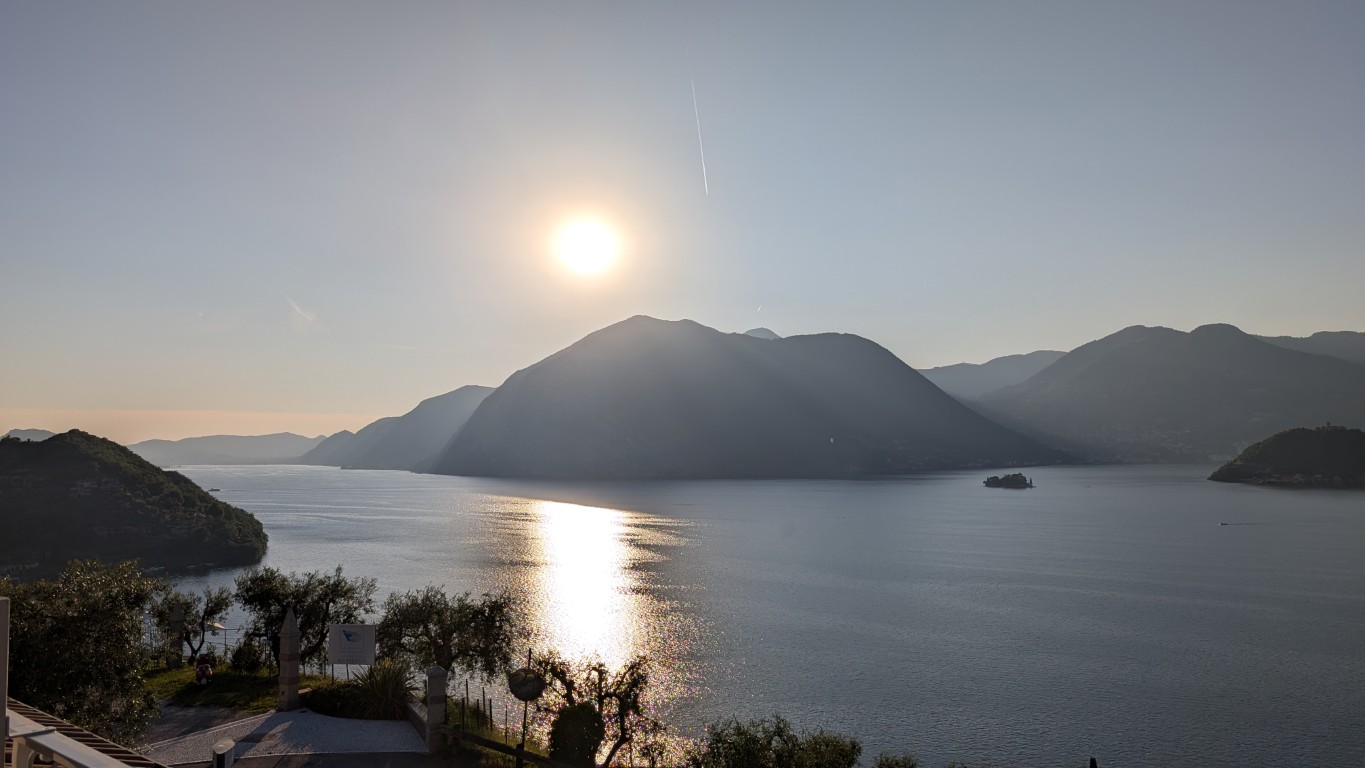
While Lake Garda is packed with tourists and Lake Como has been attracting international celebrities for decades, Lake Iseo lies between the Lombardy provinces of Brescia and Bergamo. The fourth largest lake in northern Italy combines alpine landscapes, historical sites, excellent cuisine, and a remarkable tranquility rarely found in northern Italy these days.
The Italians call it "Lago d'Iseo" or "Sebino". Nestled between the Bergamasque Alps and the mighty foothills of the Adamello-Presanella group, the lake was formed millennia ago by Ice Age glaciers of the Valcamonica valley. Even today, steep cliffs, narrow lakeside roads, and spectacular panoramas characterize the landscape.
A lake full of contrasts
Lake Iseo stretches for approximately 25 kilometers and reaches depths of up to 251 meters. Its water often appears darker and more mysterious than that of its more famous neighboring lakes. This is due to the alpine surroundings as well as the Oglio River, which feeds the lake from the mountains and exits it in the south.
Rising from the middle of the lake is the imposing Monte Isola – the largest island in a southern European inland body of water. Surrounding the car-free island are the small private islands of Isola di Loreto and Isola di San Paolo . The latter still belongs to the famous Italian entrepreneurial family Beretta .
The road by the rock
One of the most impressive ways to discover Lake Iseo is by driving around its shoreline. Many sections have been carved directly into the rock and offer dramatic views of the water. Especially on the eastern shore, tunnels, steep cliffs, and small villages alternate.
The old 19th-century coastal road has been partially transformed into a picturesque cycling and pedestrian path – a paradise for active holidaymakers. Those seeking a more leisurely pace should definitely stop in towns like Lovere , Pisogne , Iseo , or Sarnico . There, small harbors, historic facades, and Italian cafés characterize the landscape.
Franciacorta – wine country by the lake
South of Lake Iseo lies one of Italy's most important wine-growing regions: Franciacorta . The region is famous for its high-quality sparkling wines, produced using the traditional method of bottle fermentation and often compared to French Champagne.
Many visitors combine a stay at Lake Iseo with wine tastings at small wineries nestled among rolling hills and historic country houses. It is precisely this blend of alpine scenery and Mediterranean culinary culture that makes the region so special.
Sailing, swimming and quiet bays
Thanks to the constant katabatic winds from the mountains, Lake Iseo is considered an excellent area for sailing and windsurfing. Despite this, the lake never feels crowded. Unlike Lake Garda, you can still find quiet lakeside promenades, secluded swimming spots, and relaxed fishing villages here.
The small beaches around Sulzano and Marone are particularly popular. Ferries run regularly from there to Monte Isola.
Christo's floating walkways
Lake Iseo gained worldwide attention in the summer of 2016 through the spectacular art project "The Floating Piers" by the artist Christo . Millions of visitors came to the lake to walk across the bright orange floating walkways that connected Sulzano with Monte Isola and the island of San Paolo.
The artwork only existed for a few weeks, but the images went around the world. Many travelers discovered Lake Iseo for the first time at that time – and fell in love with its serene beauty.
The legend of the sunken village
Like many ancient lakes in northern Italy, Lake Iseo has its own legends. One of the best-known tells of a sunken village deep beneath the lake's dark waters.
According to legend, a wealthy village once stood on what is now the southern shore. However, its inhabitants were considered arrogant and stingy. One day, an old wanderer appeared and asked for food and shelter. No one wanted to help him – except for a poor fisherman's widow who took him into her small house.
In gratitude, the stranger warned the woman of a grave misfortune and advised her to seek refuge in the hills above the lake that very night. Shortly afterward, the earth began to tremble, and enormous torrents of water engulfed the village. Only the widow's hut remained untouched.
Even today, fishermen tell of how on quiet nights one can sometimes hear bells from the depths – the bells of the sunken village at the bottom of Lake Iseo.
A hidden gem of Northern Italy
Lake Iseo is not a place for mass tourism or large hotel complexes. That is precisely its charm. Nestled between mountains, vineyards, and historical sites, the region retains an authenticity that has long since been lost elsewhere.
Those who want to discover Italy off the beaten track will find a landscape full of peace, history and Mediterranean joie de vivre – and perhaps one of the most beautiful lakes in Europe.