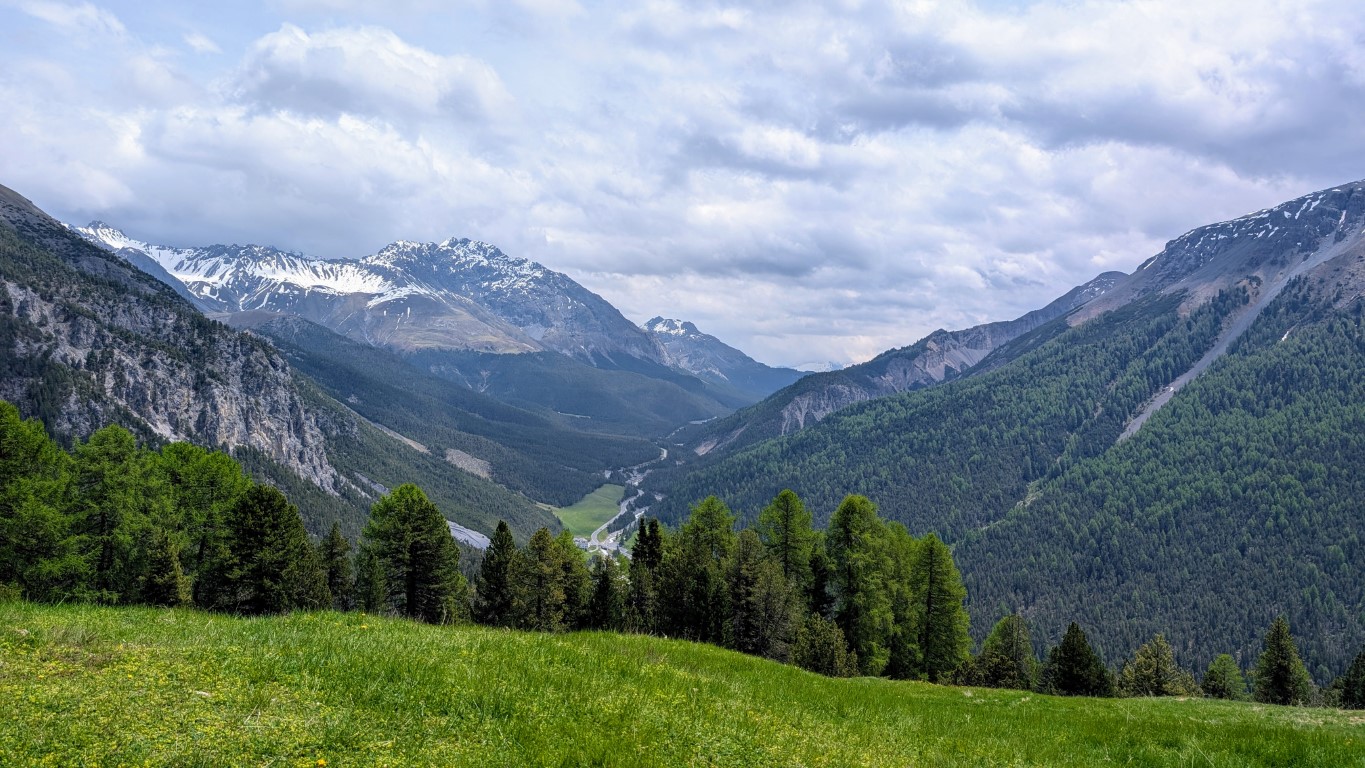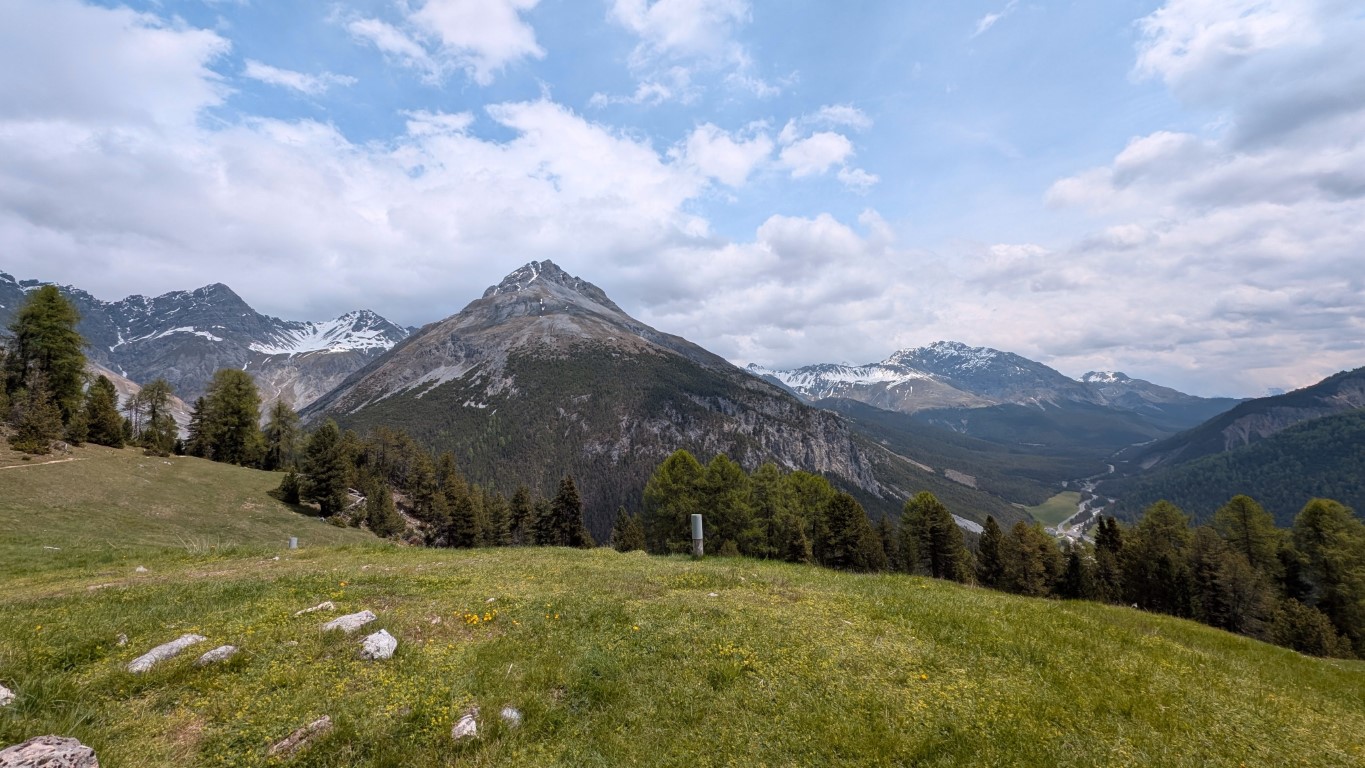
Imagine a place where time yields to the rhythm of nature, where the whisper of the wind tells ancient stories, and the light catches the branches of the Swiss pines like golden resin. Welcome to the Swiss National Park, the oldest national park in the Alps and one of the last true wilderness areas in Europe—a place that feels like a living dream.
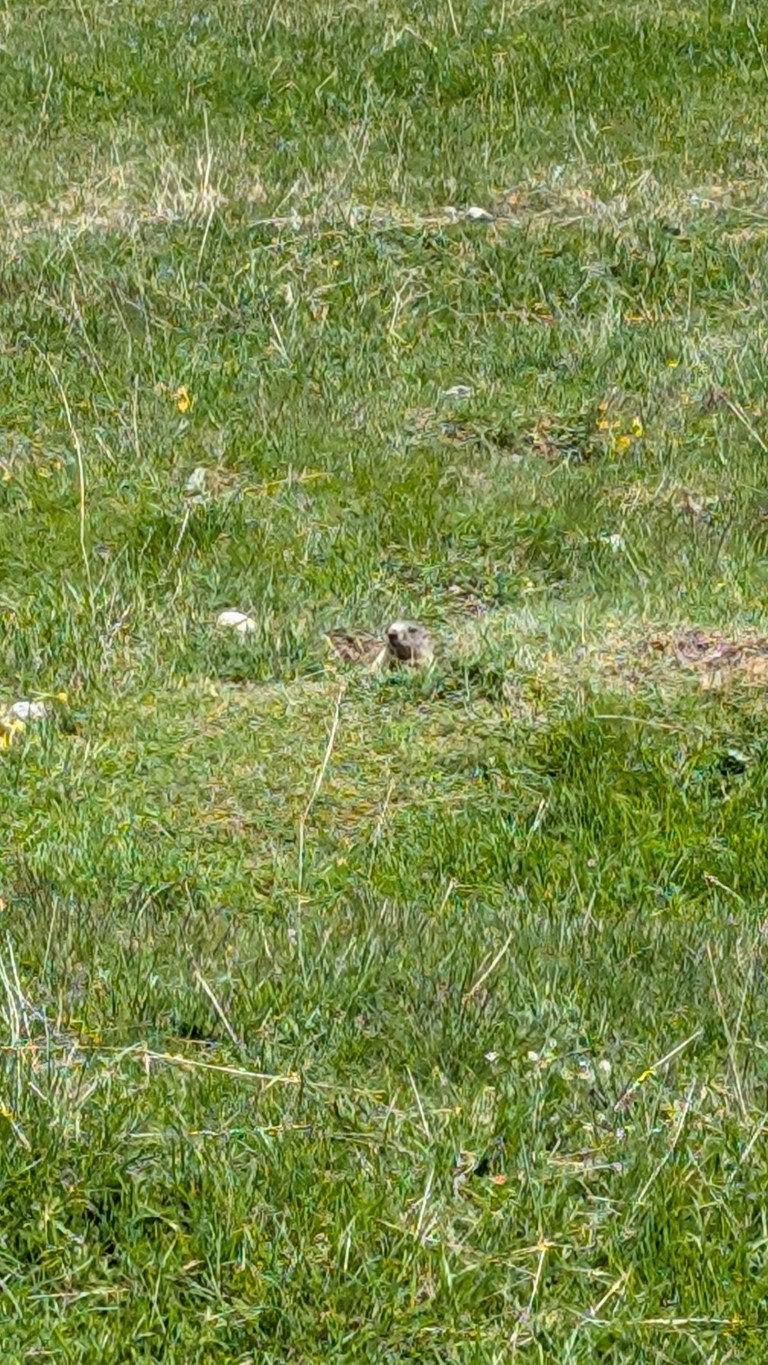
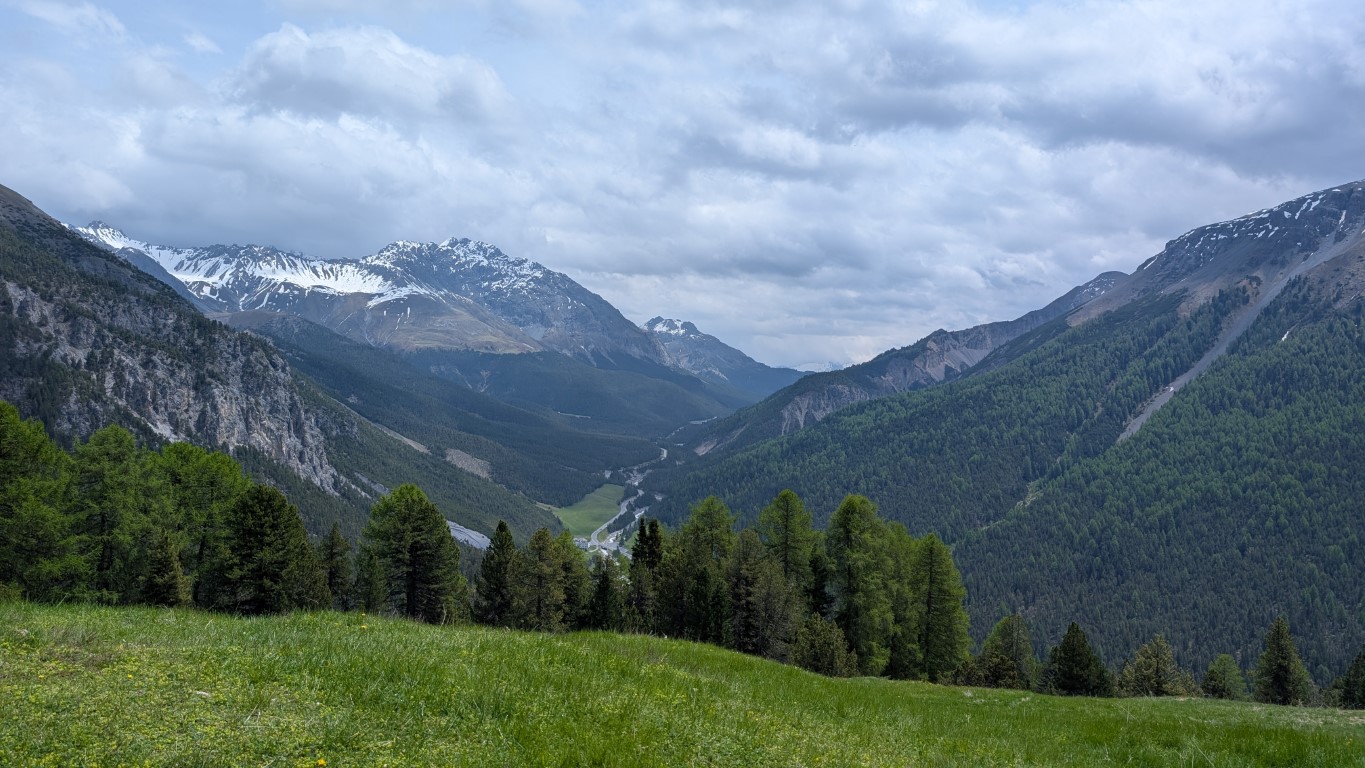
Since its founding in 1914, this sacred grove of wilderness has rested on 170 square kilometers of pristine landscape in the heart of Graubünden, as if born from the womb of the Alps themselves. Here, where ibexes perch on vertigo-inducing ridges, marmots scamper through the meadows like little goblins, and the bearded vulture glides through the sky like a mythical messenger, nature reveals itself in its own unique rhythm—free from human hands, free from haste.
The silent wonder of the wilderness
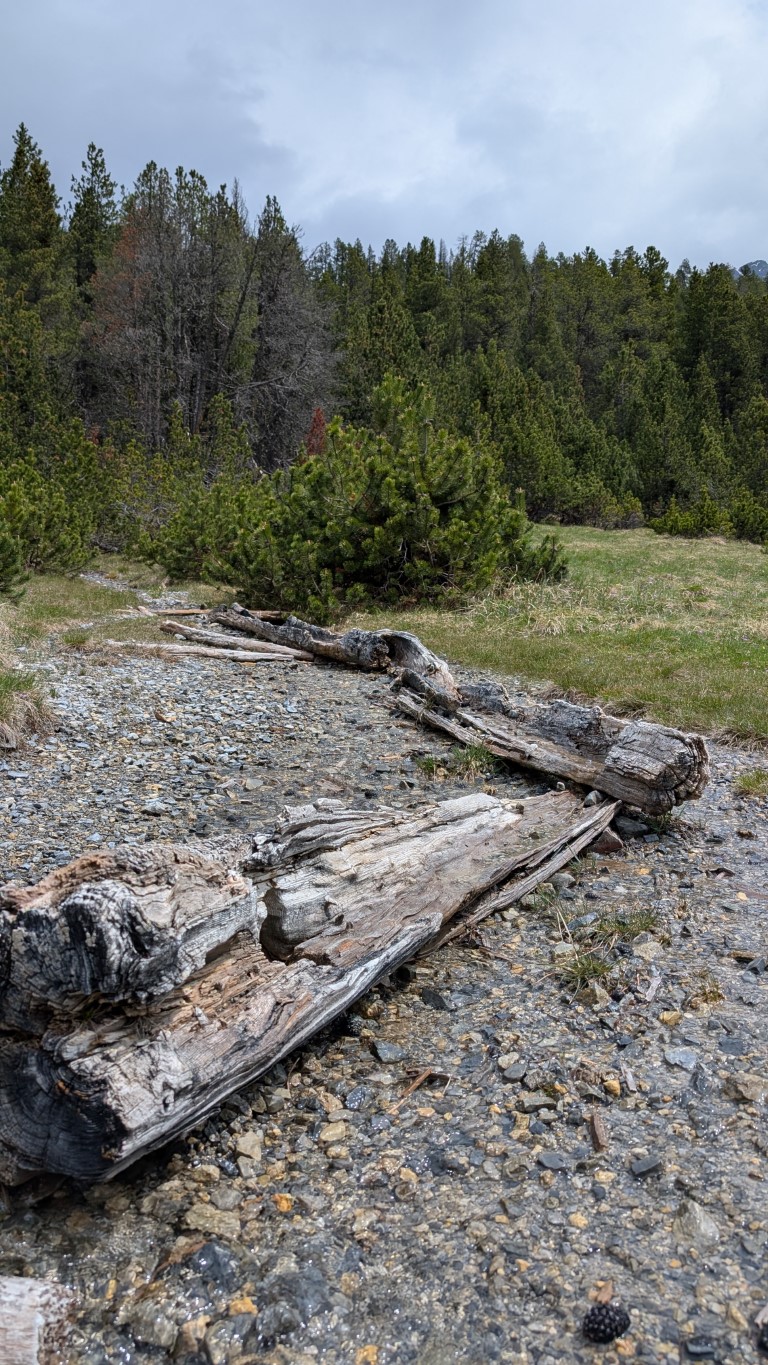
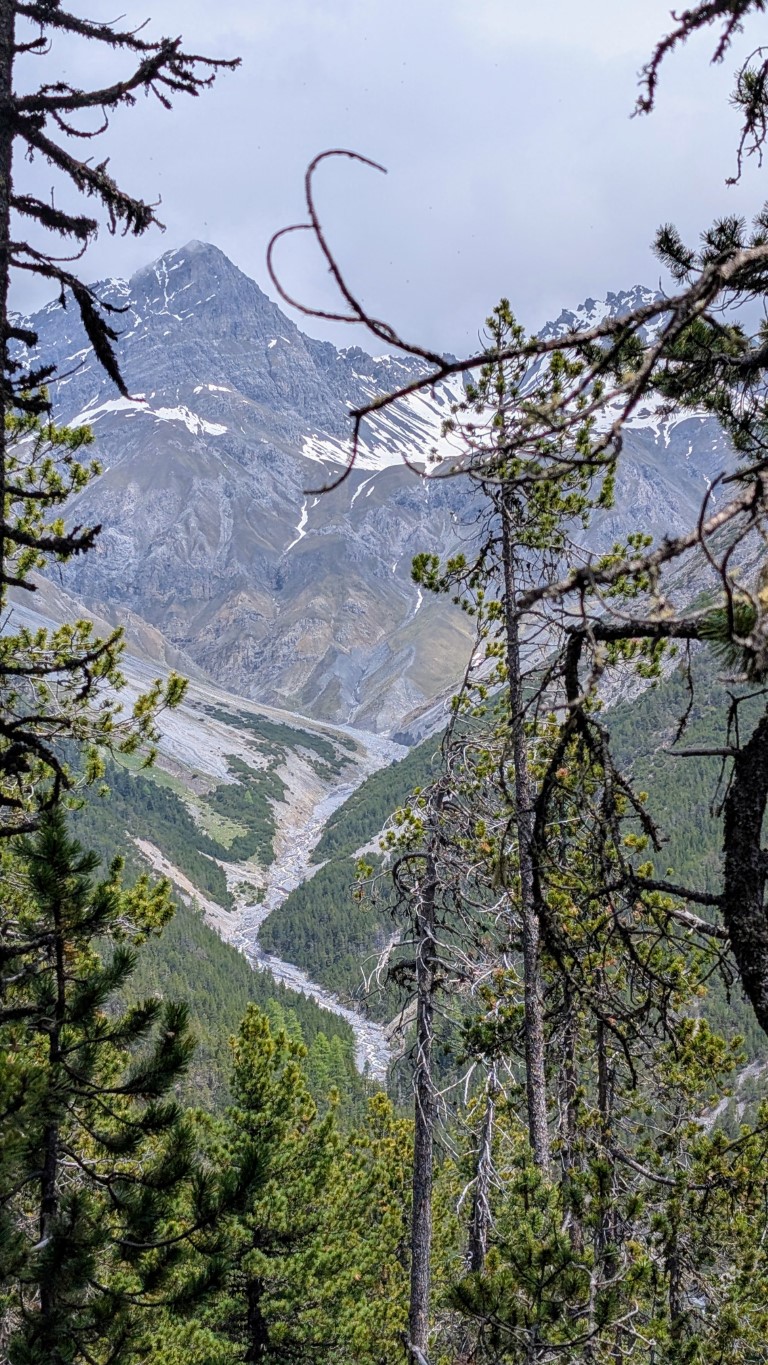
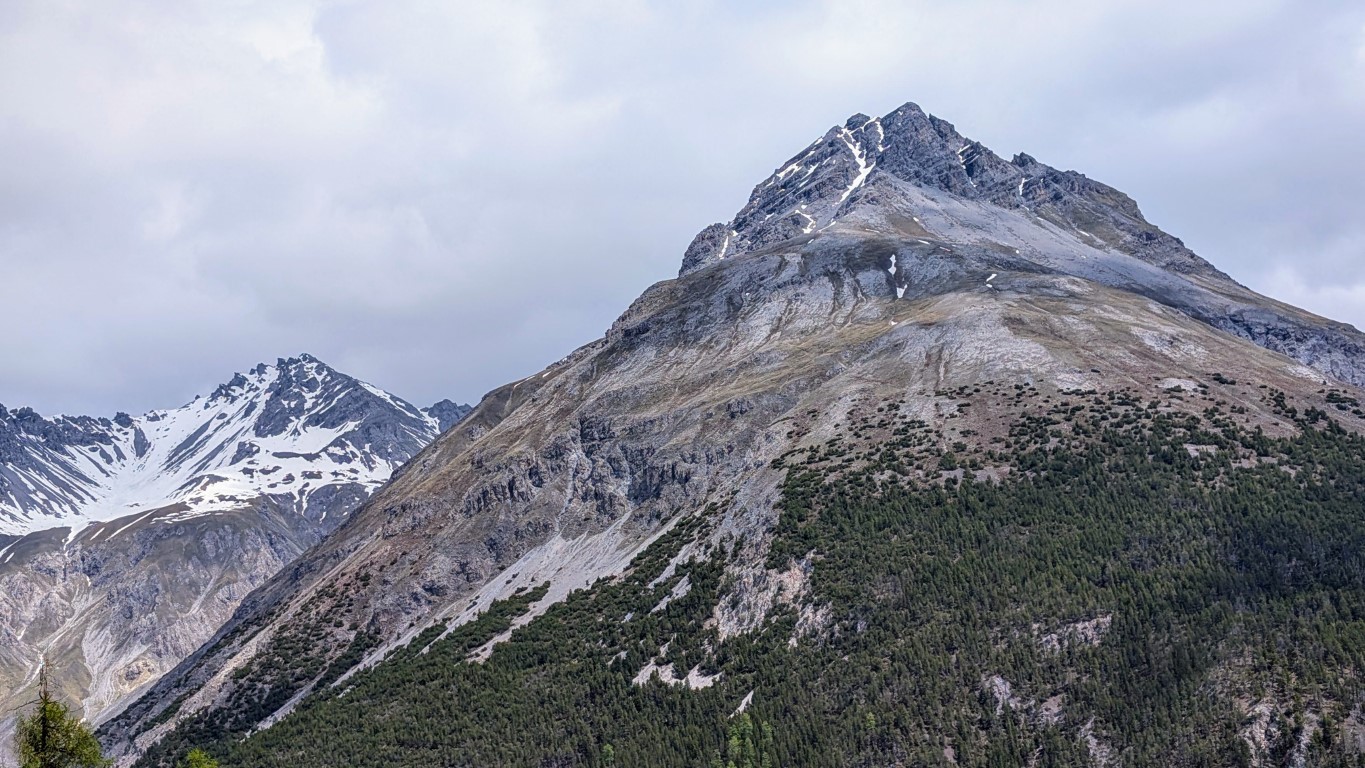
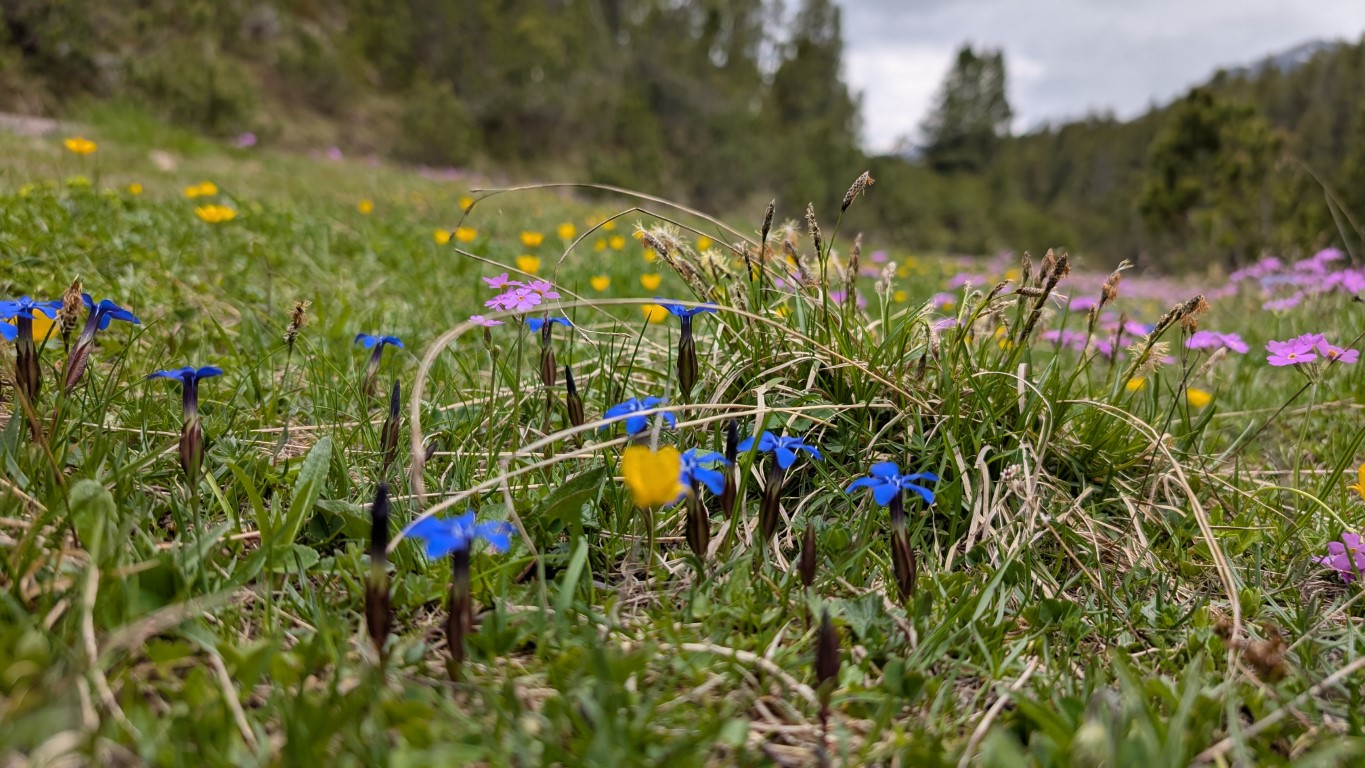
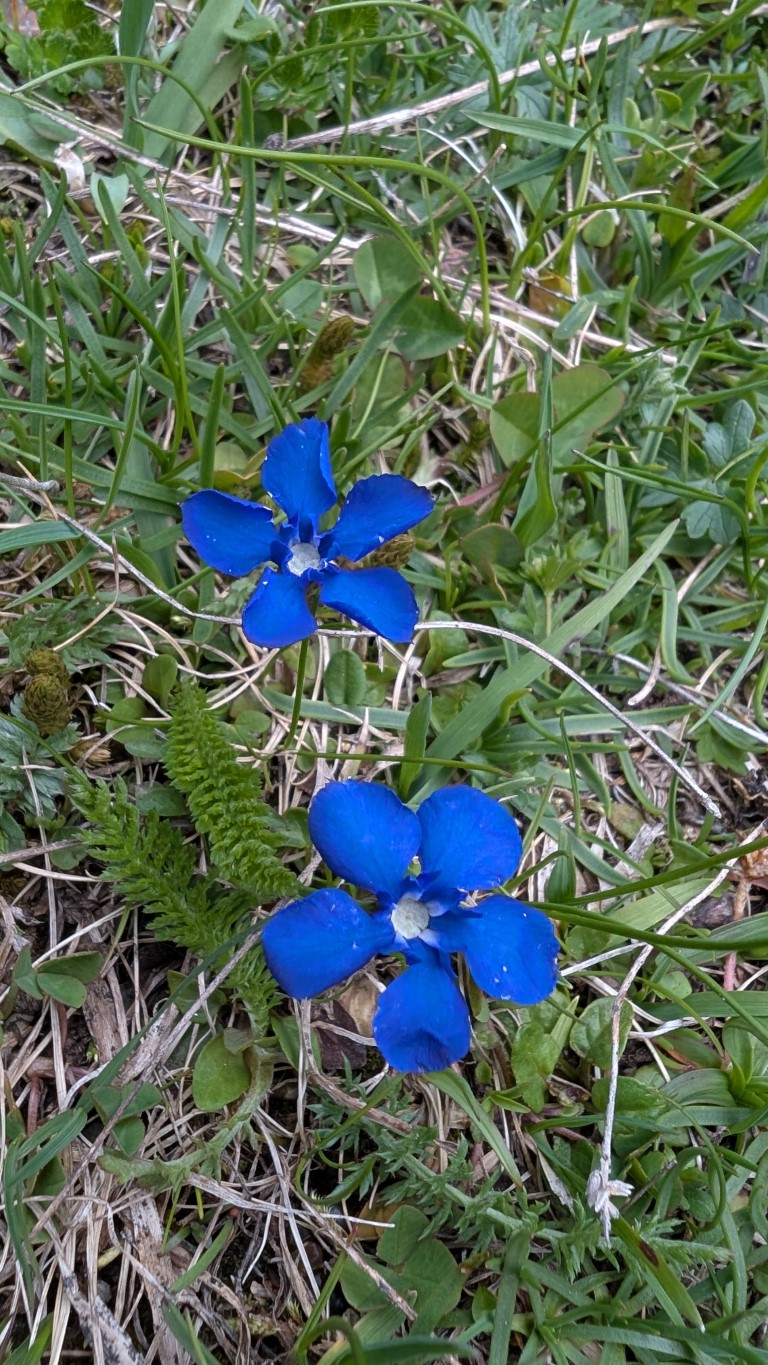
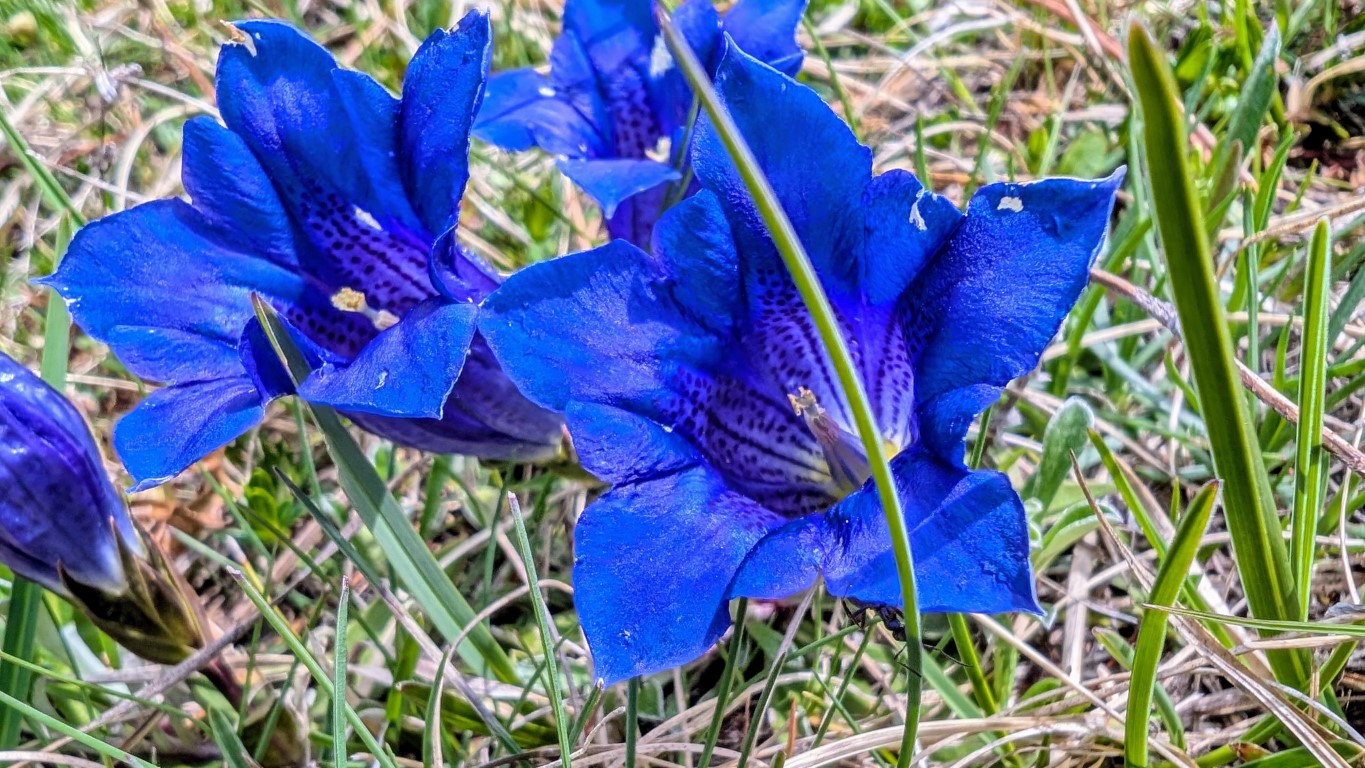
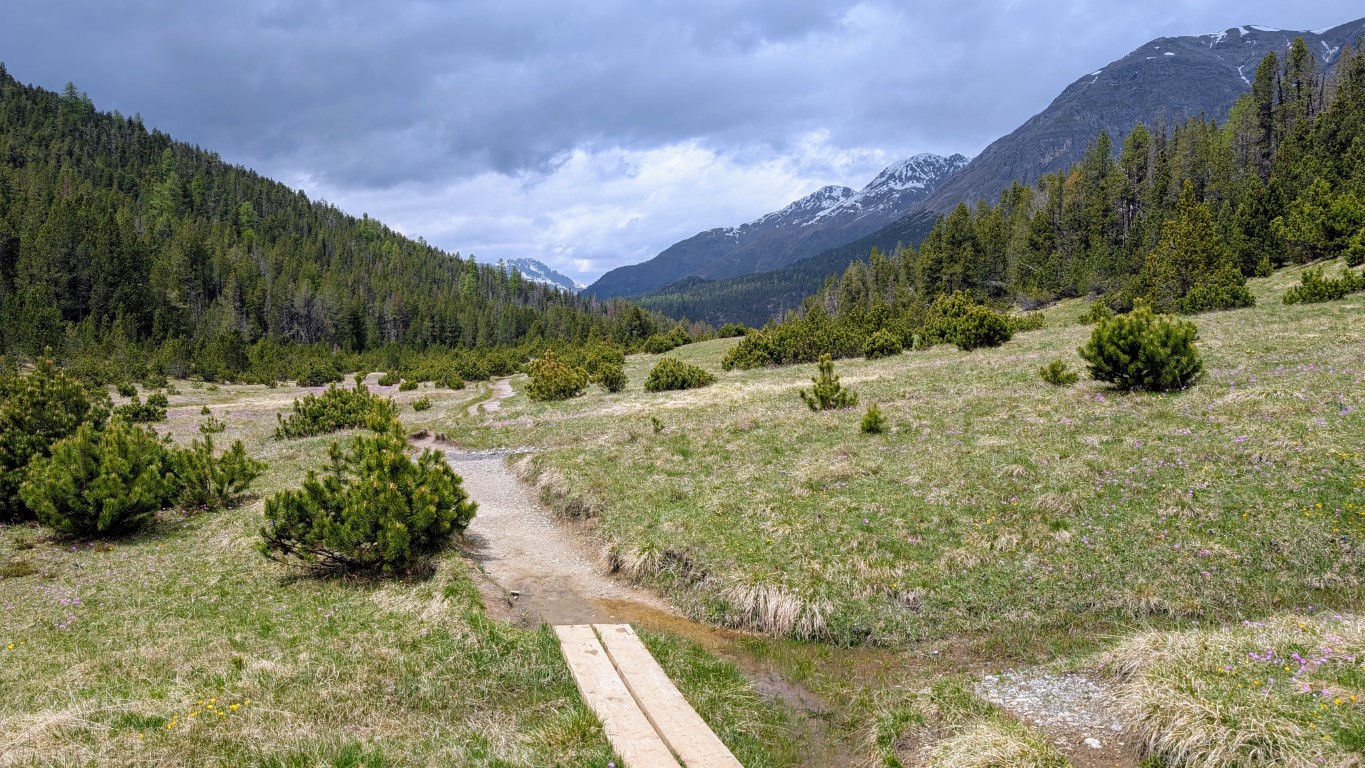
Nothing is staged in the SNP. No artificial sounds, no landscaped gardens, no fences. Here, everything can be as it should be. The forests – 99.5% conifers – quietly rustle their ancient lullaby, while alpine meadows glow like a floral mosaic in the short summer season. Over half of the area, however, remains barren, scree-covered, rugged – and therein lies its raw poetry. It's a world without makeup, a landscape that seeks neither to please nor to serve – and that is precisely why it is so deeply moving.
An open-air laboratory of life
As a wilderness reserve with the highest protection category (IUCN 1a), the park remains free from human interference. But therein lies its secret: Here, nature writes its own history. Scientists use this magical place as an open-air laboratory, observing, documenting, and understanding—but never intervening. How does a forest develop when there is no forester to guide it? What rhythms do plants and animals follow when they are unmolested? The national park is a living chronicle of natural growth and decay.
On winding paths
100 kilometers of marked hiking trails wind through this enchanting realm. They lead through deep valleys and over barren hills, through sparse forests and past crystal-clear streams. But beware – those who hike here do so as guests. There are fire pits, but no crackling campfires. No dogs accompany us on these trails, for every creature, from the tiny moss to the high-alpine golden eagle, lives here without human disturbance.
The Il Fuorn – Val dal Botsch nature trail offers a particularly sensory journey: In three and a half hours, you traverse a kaleidoscope of habitats – a pilgrimage into the depths of our understanding of nature. Information panels at the park entrances whisper the language of this land into our ears, if we're willing to listen.
Silence as a teacher
In a time when even isolation is often noisy, the SNP offers a treasure that's hard to find these days: silence. No skiers break the snowpack in winter, no camping noise echoes through the valleys. Here, the law of slowness, devotion, and respect prevails.
Those lucky enough to stay overnight at the Chamanna Cluozza, a simple yet historic mountain hut, or at the Hotel Parc Naziunal Il Fuorn, which stands like a sentinel at the gateway to the wilderness. And those arriving by post bus during the day—one of the eight stops is just a blink of an eye away from the magic—begin their journey with the leisurely pace of the old days.