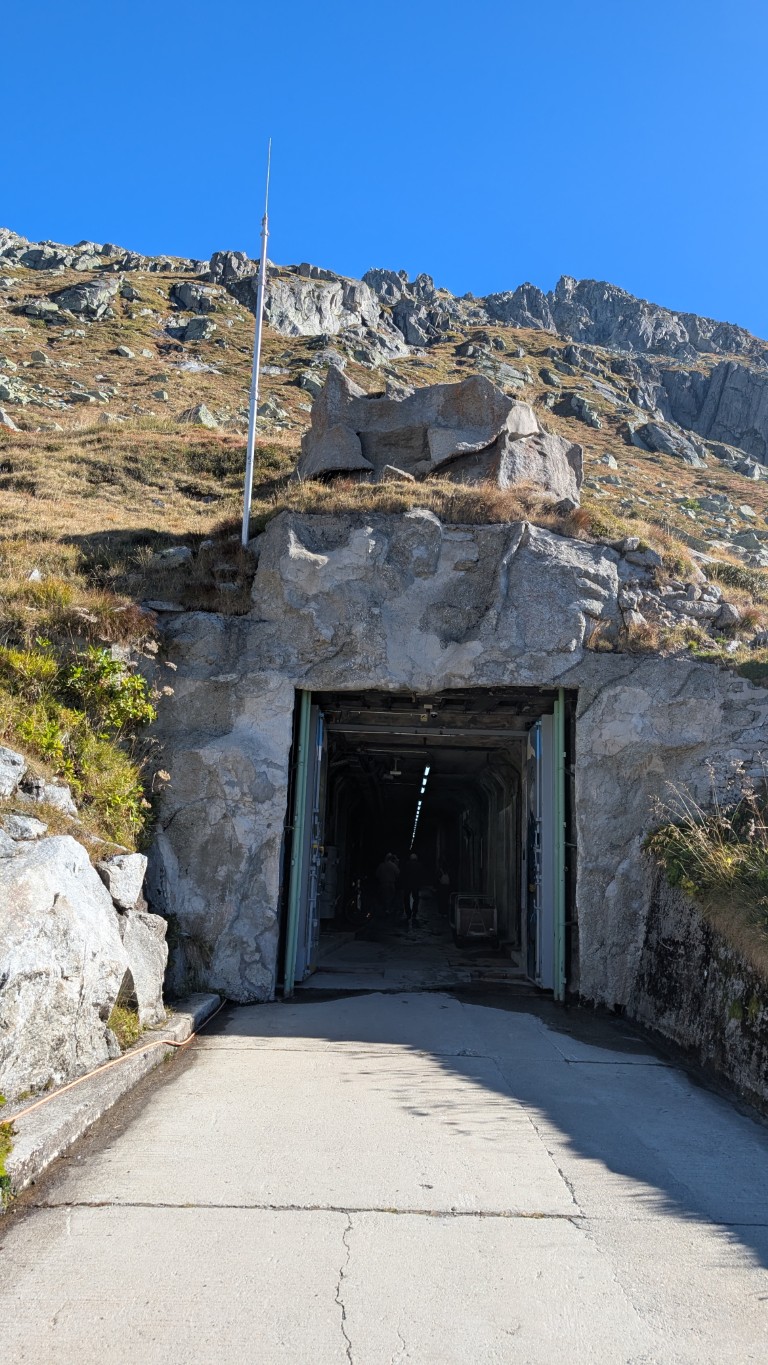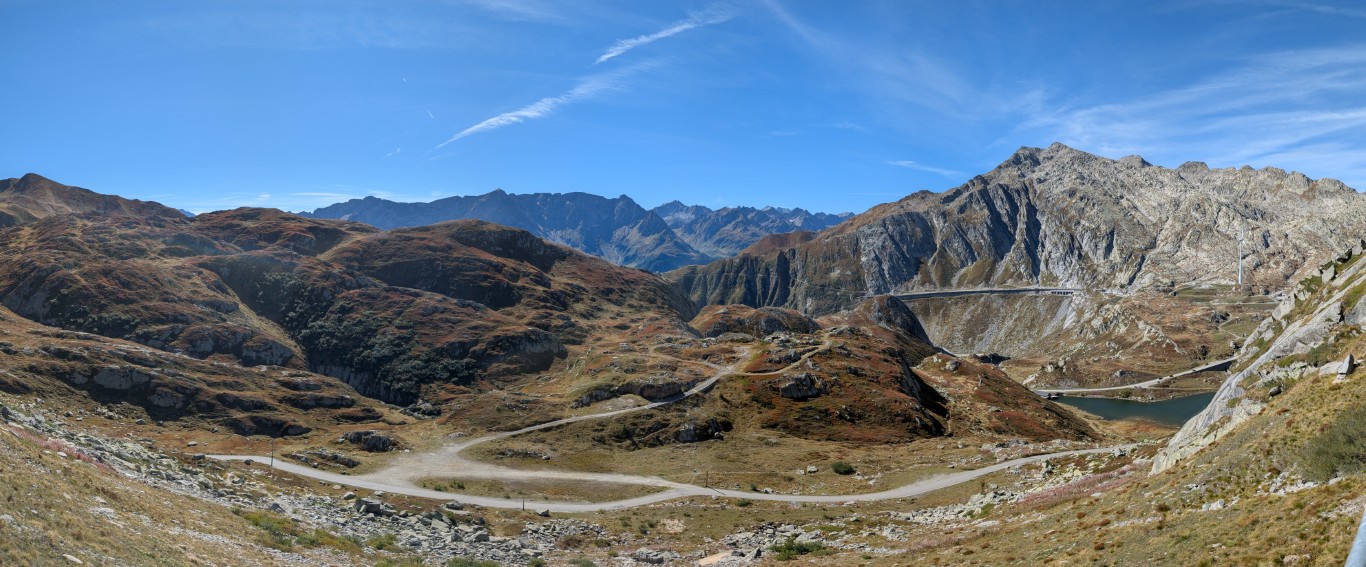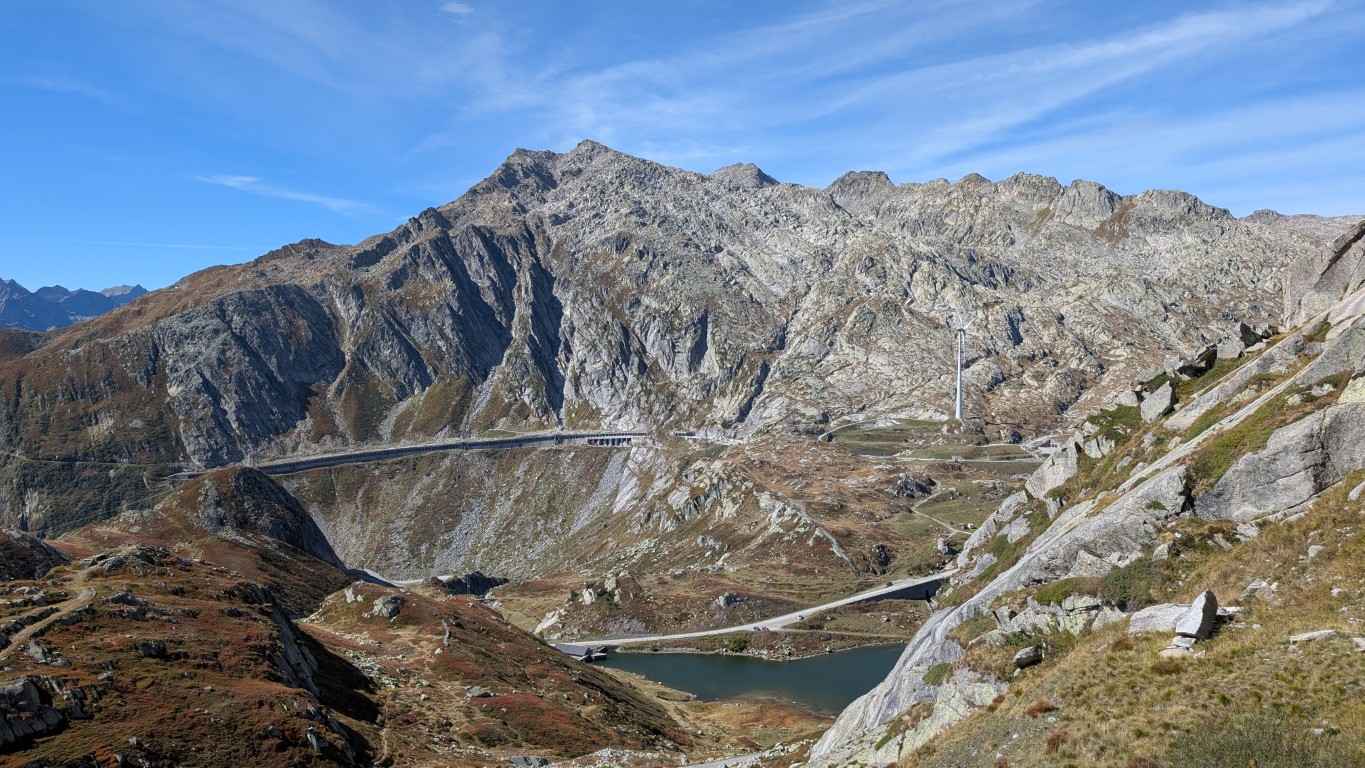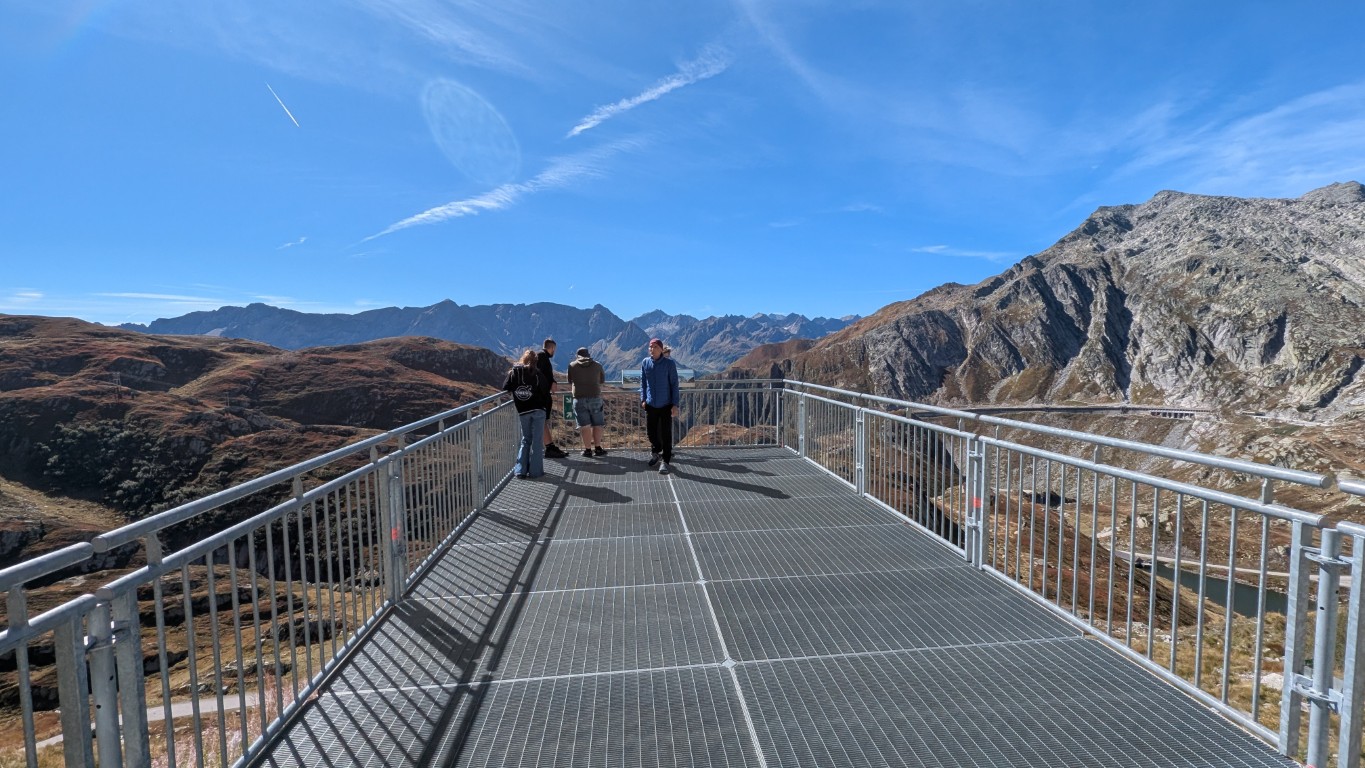
High up on the Gotthard Pass, where the landscape becomes more barren and the wind sweeps over scree fields and rocks, nothing seems at first to hint at a tremendous secret.
The Gotthard region presents the landscape as one knows it: rock, sky, snow, road and the great silence of the Alps.
But deep inside the mountain lies another world.
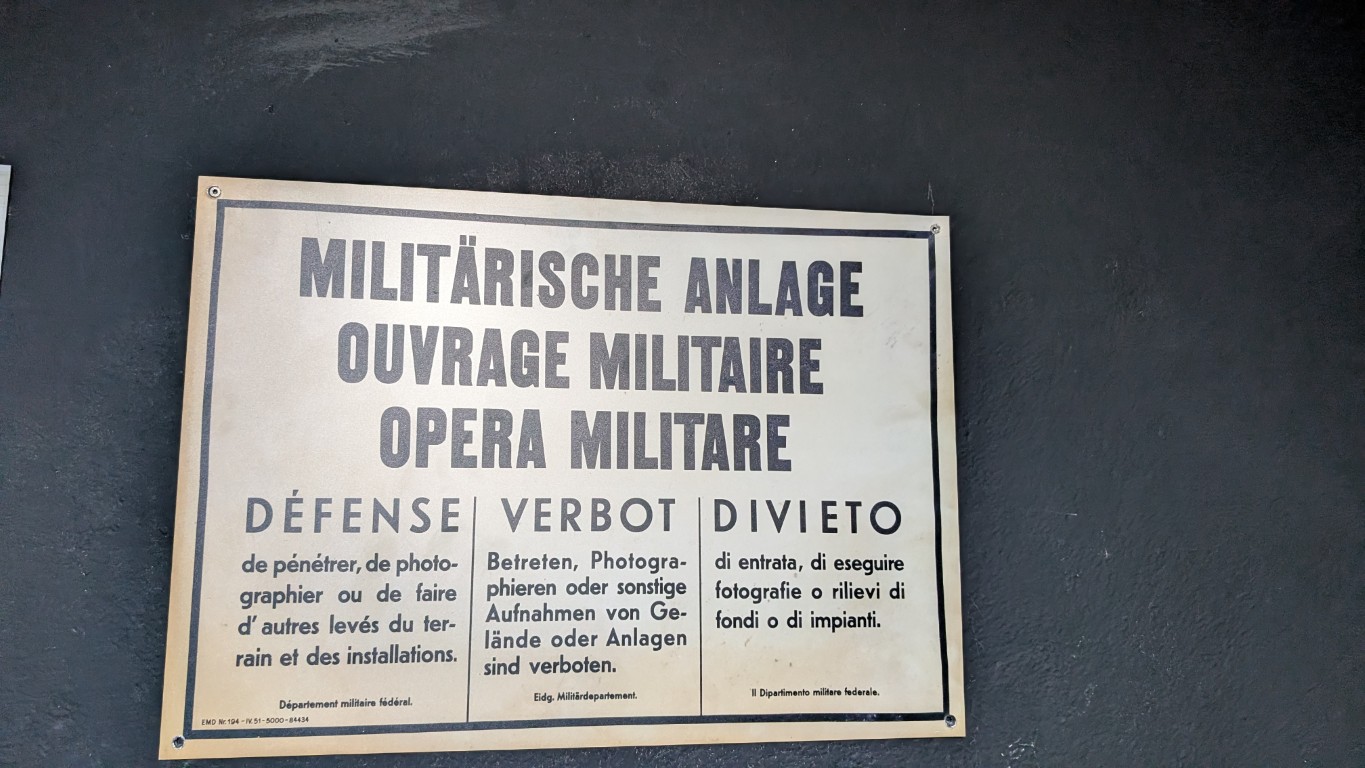
Behind an unassuming entrance, visitors disappear into a labyrinth of tunnels, caverns, storerooms, and underground chambers. Here lies the former Sasso da Pigna fortress, one of the most important fortifications of Swiss national defense. What is now accessible as the Sasso San Gottardo Museum was once top secret.
It is a place where history is not hidden behind glass.
You walk right through the middle of them.
When the Gotthard Pass became a fortress
The story of Sasso da Pigna begins in a time when Europe was threatened by war.
In the 1930s, Switzerland strengthened its defenses at the Gotthard Pass. The new road from San Giacomo in Italy to the pass demonstrated how vulnerable the region had become. An attacker could have advanced from there towards the Bedretto Valley and bypassed the fortifications of Airolo.
Switzerland therefore began to fortify the Gotthard region more and more.
With the outbreak of World War II, the Gotthard Pass became the heart of the so-called National Redoubt. The idea was to concentrate forces in the Alpine region and protect the most important transport routes and passes. The Gotthard thus became not only a key military area, but also a symbol of Swiss resilience.
The Sasso da Pigna was built right in the middle of this landscape.
A fortress that disappears into the mountain
The construction contract was signed on August 28, 1941. Work began just a few days later.
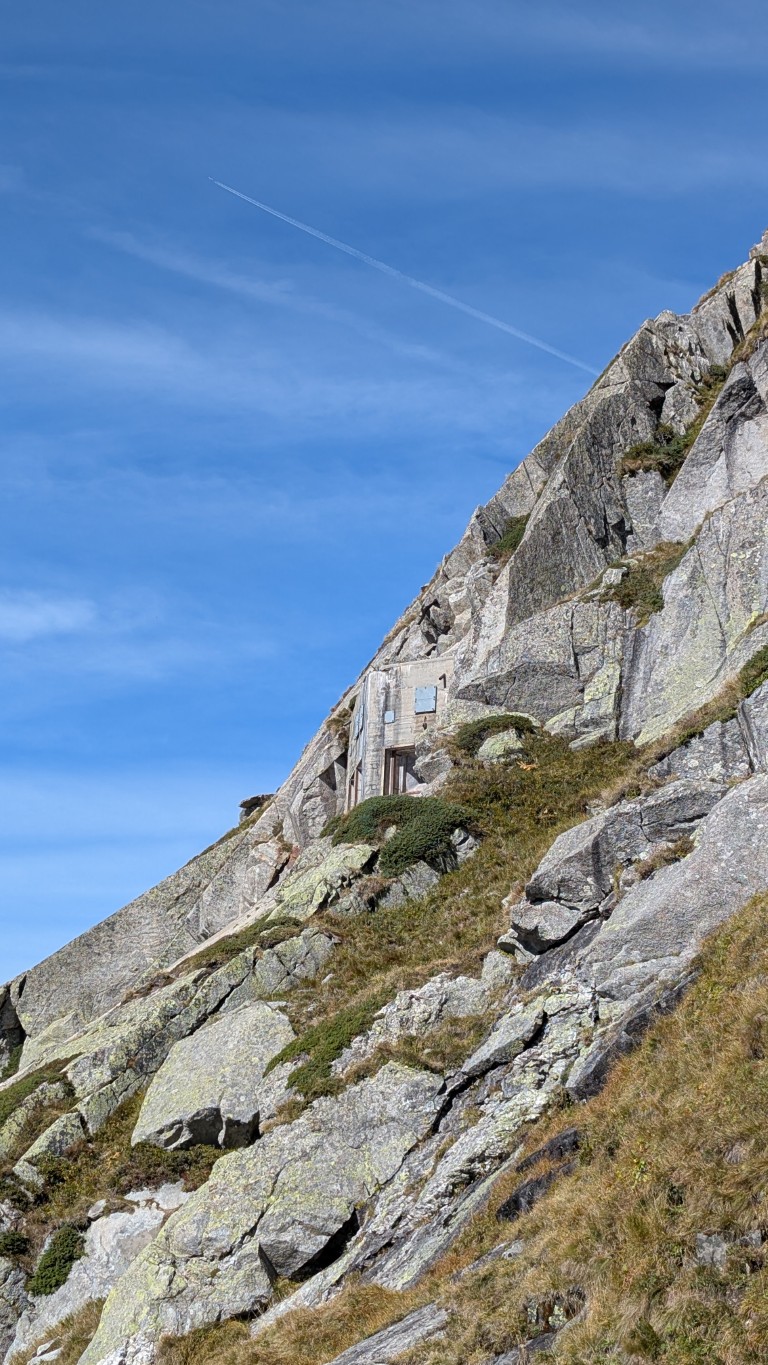
What emerged was not a castle that visibly rose above the landscape. On the contrary.
The fortress should remain as invisible as possible.
The mountain itself became a shield.
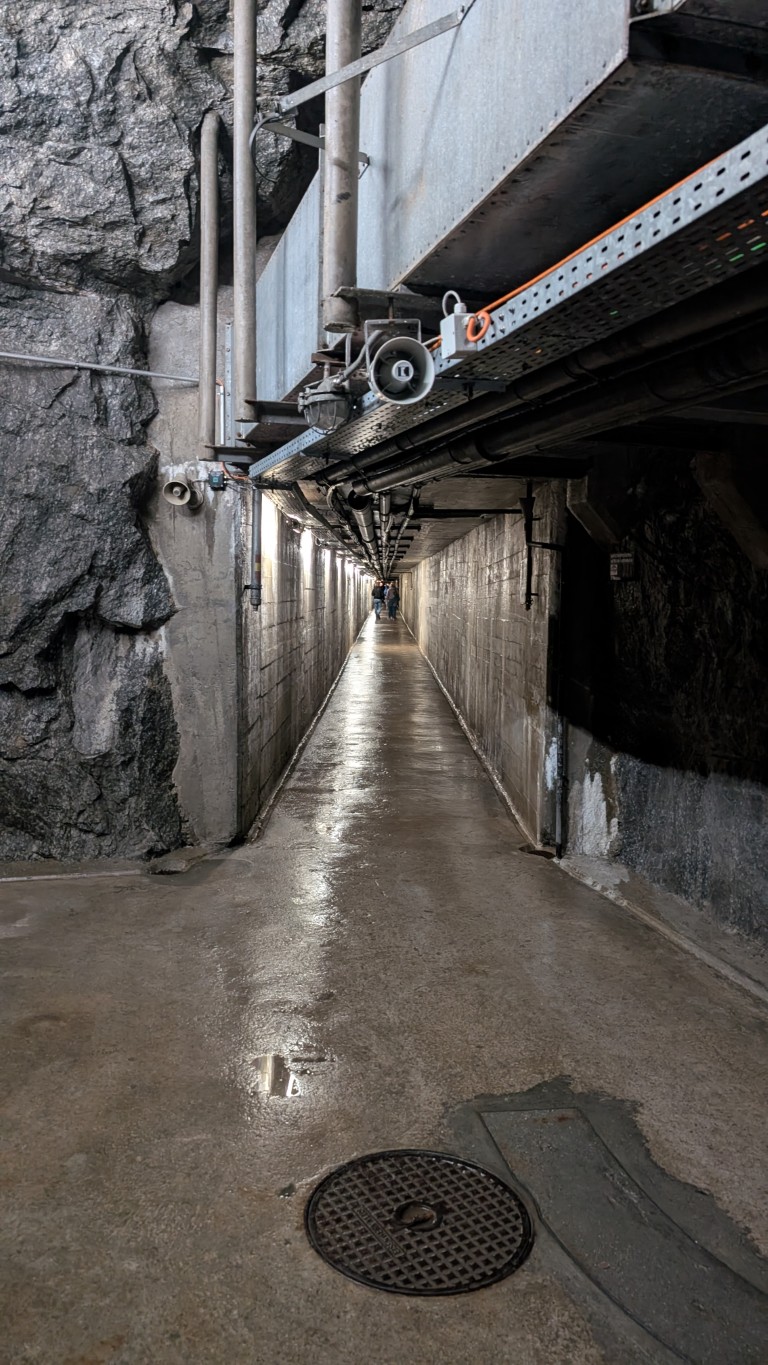
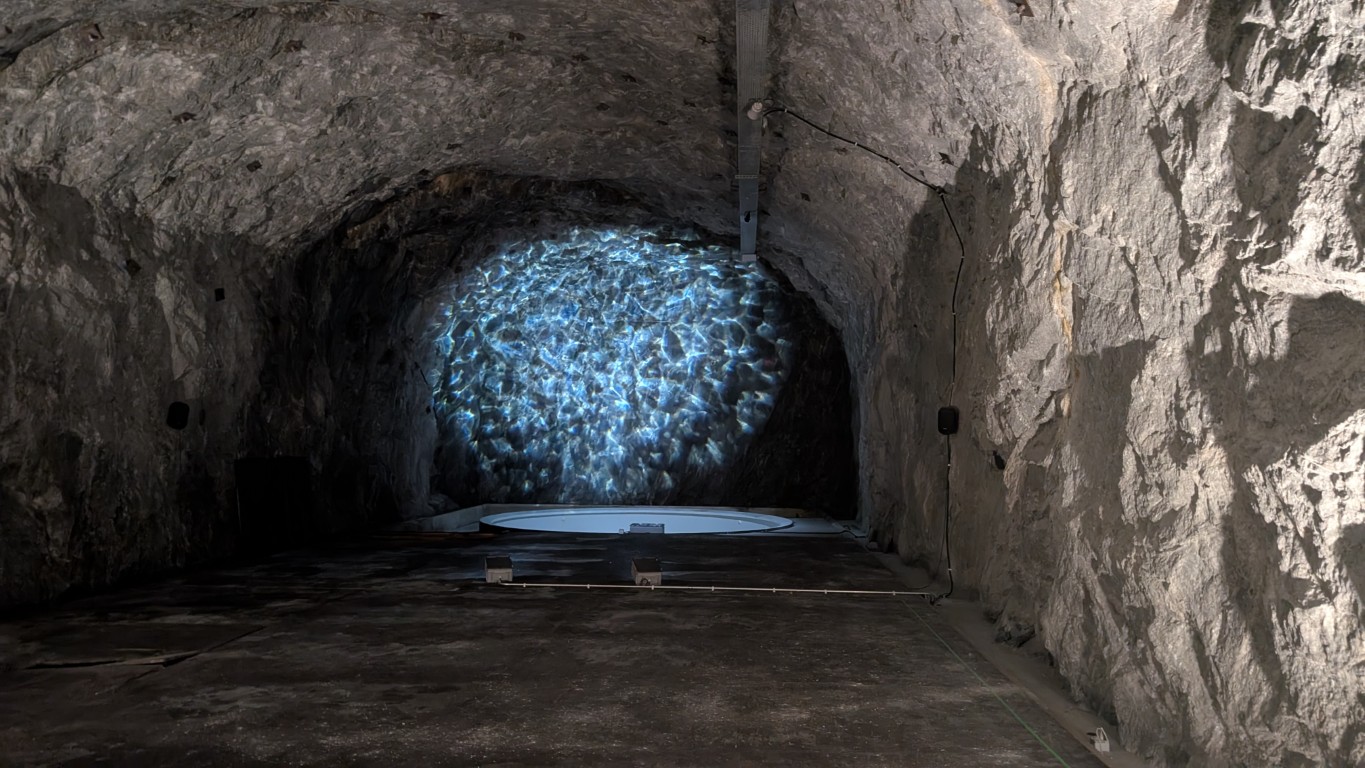
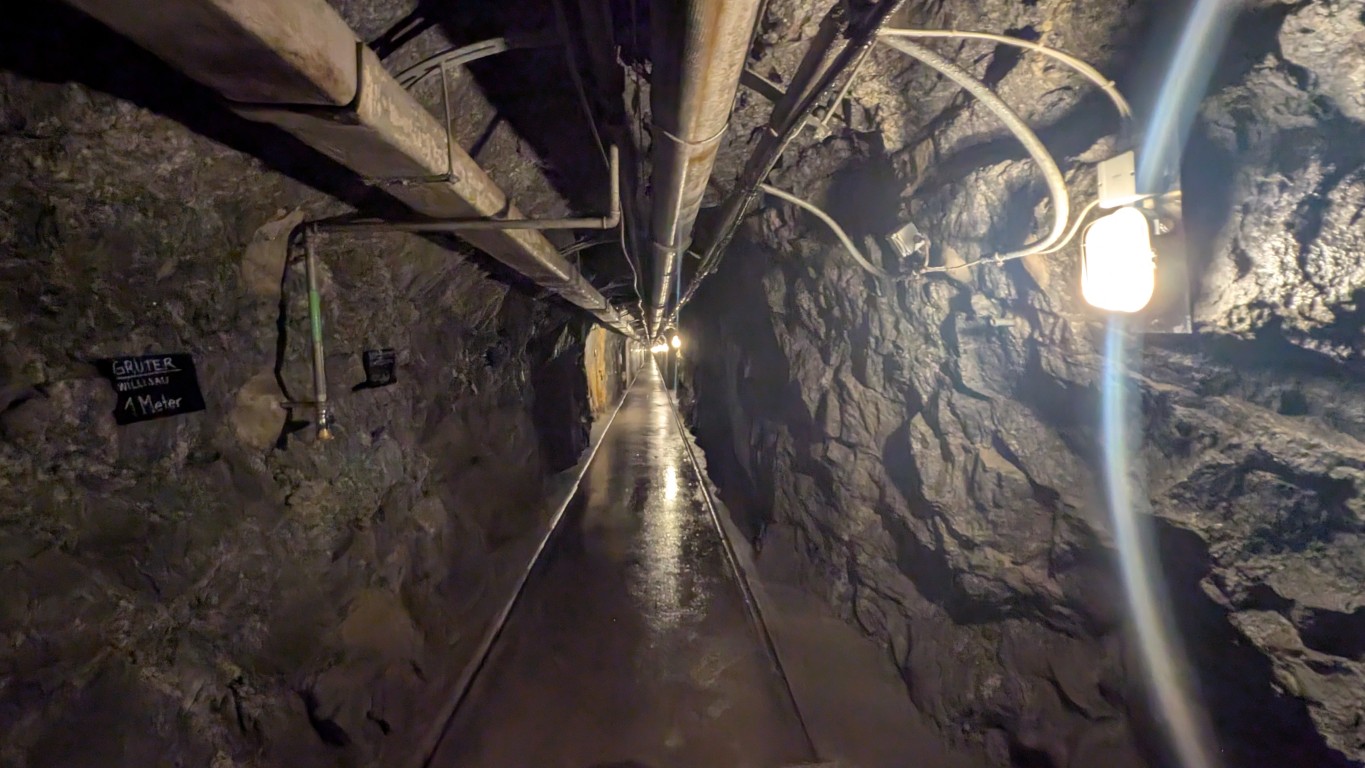
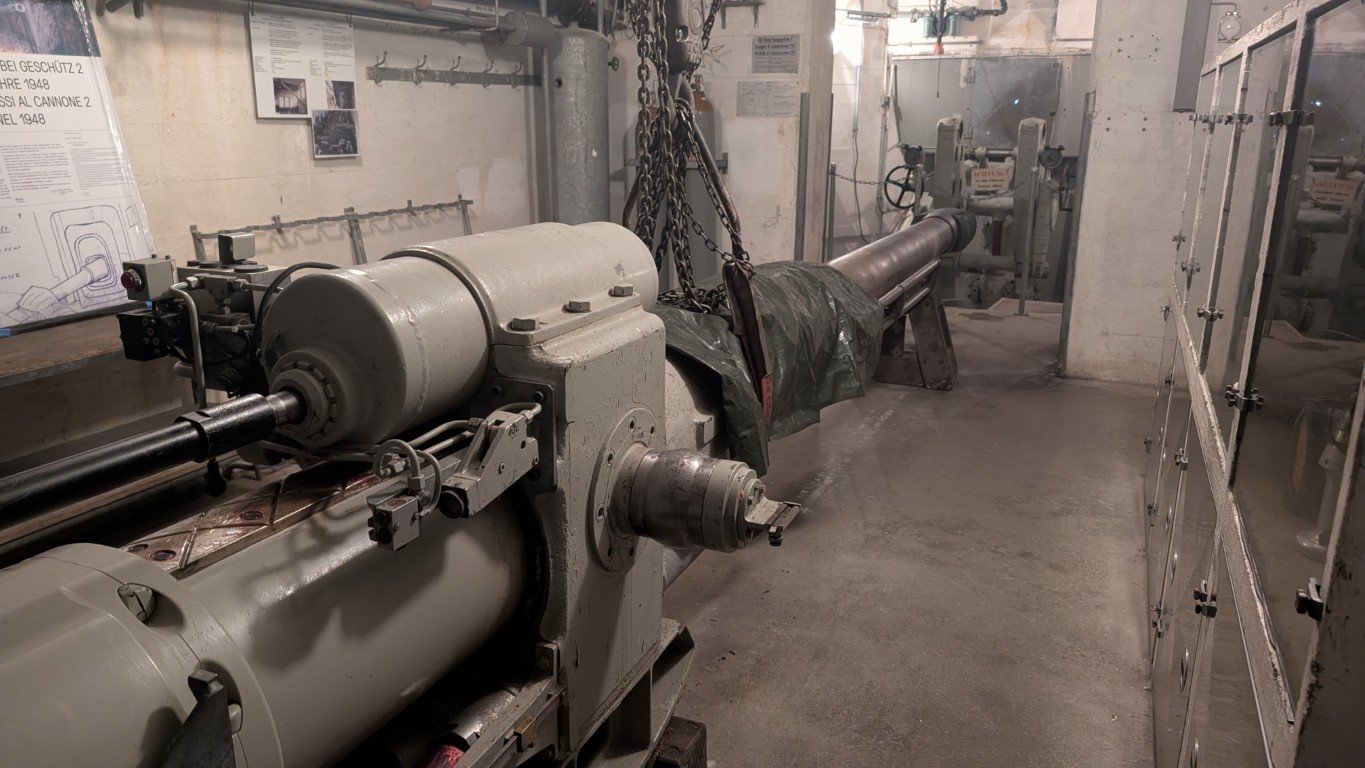
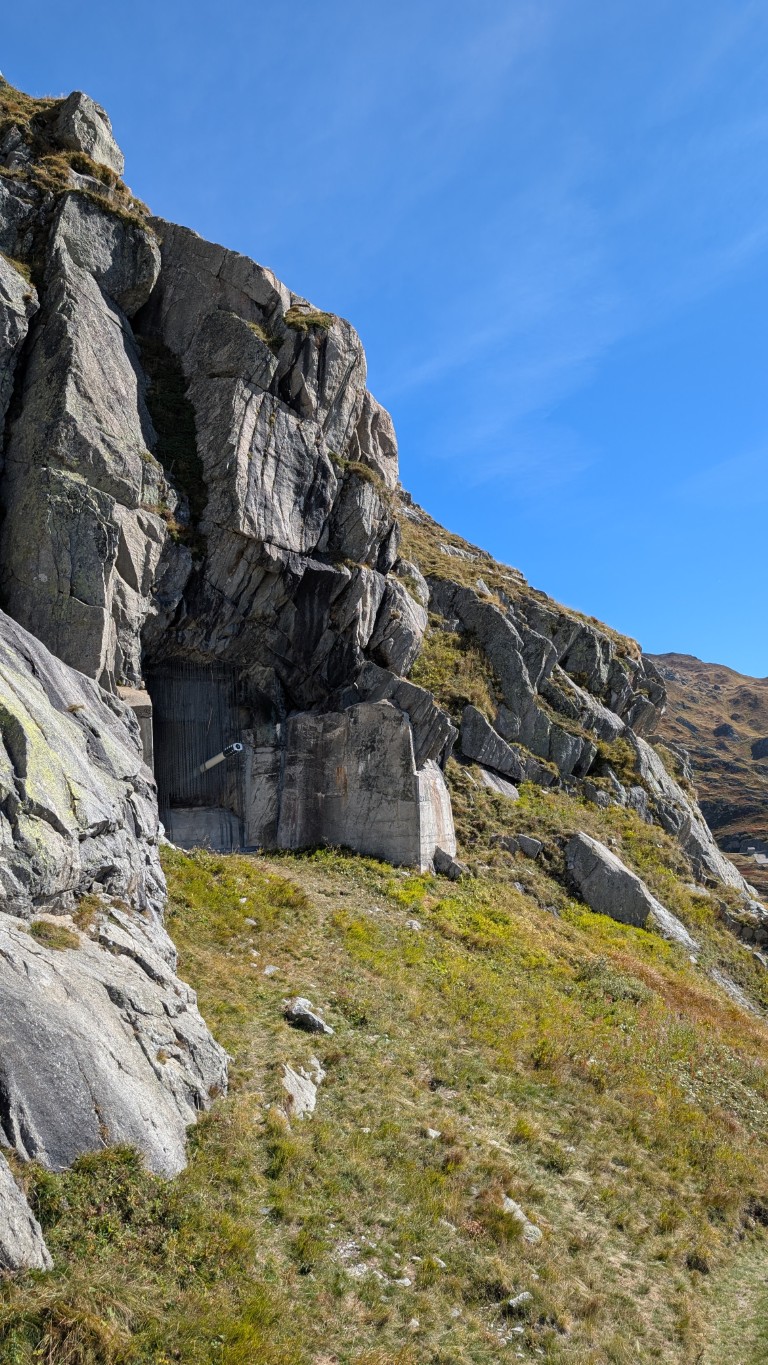
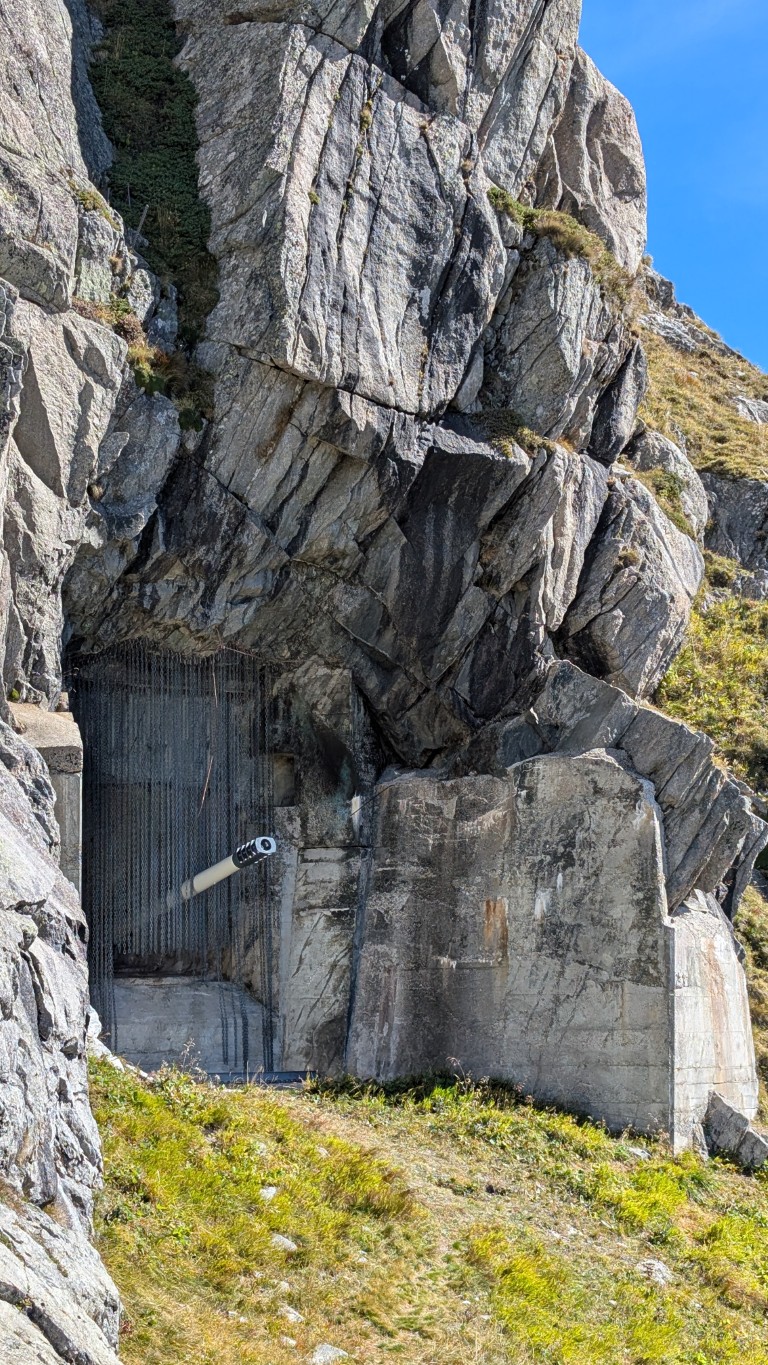
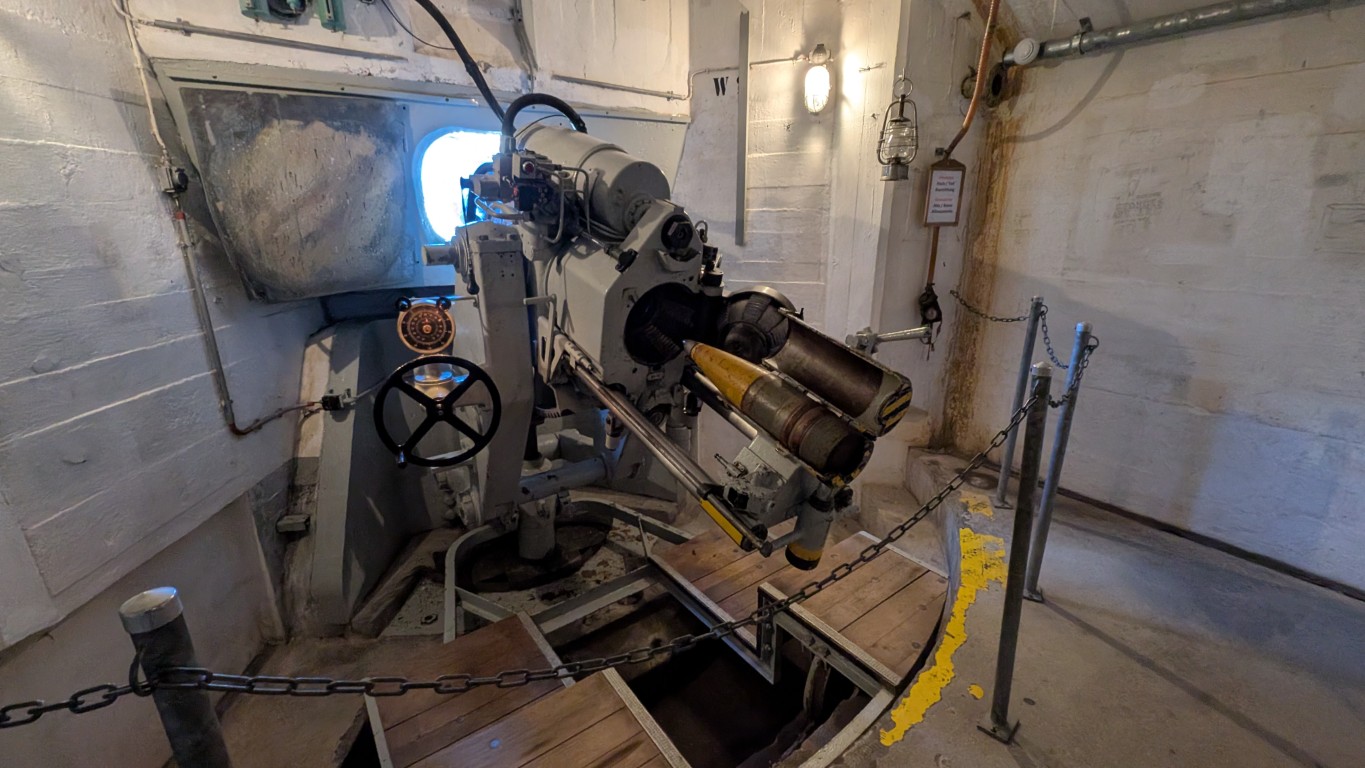
Kilometer-long tunnels were driven into the rock. Rooms for soldiers, a kitchen, an infirmary, machinery, water, and provisions were created deep below the surface. These were complemented by ammunition magazines, fire control centers, and the massive gun emplacements.
In the end, the facility consisted of two large areas connected by a tunnel approximately one kilometer long. More than 400 steps led between the levels. An underground funicular railway transported materials.
It is a peculiar idea: while the Gotthard wind swept over the pass above, a small, completely enclosed world lived and worked beneath people's feet.
Four cannons and a wide horizon
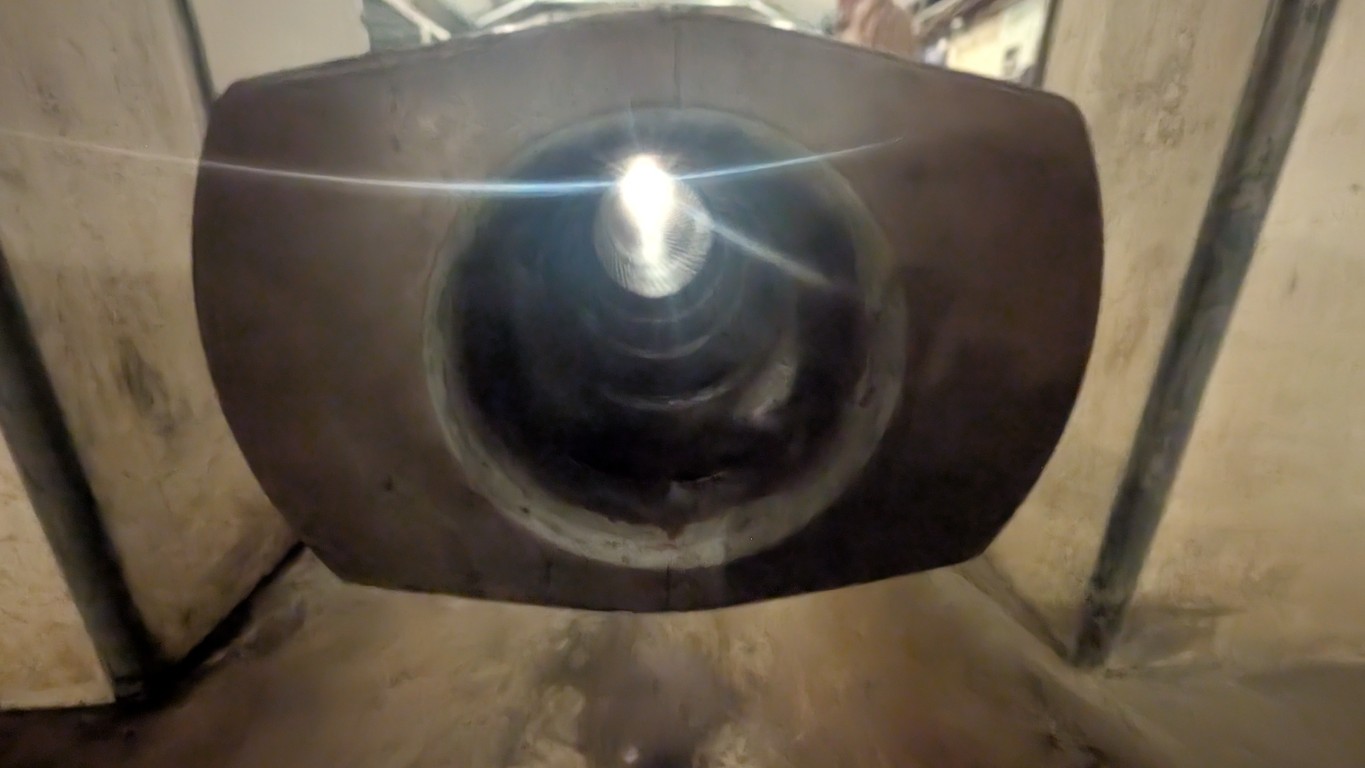
Originally, smaller guns were planned. However, the plans were changed several times. In 1944, the fortress finally received four 15-centimeter bunker guns.
Their reach was enormous.
The projectiles had a range of approximately 23.5 kilometers. This allowed control of a large part of the surrounding Alpine regions – from Valais to the Formazza Valley and from the Lukmanier Pass area towards Pizzo Campo Tencia.
Today, the cannons seem almost like relics from another time.
But once they were the very purpose of the enormous underground structure.
The mountain was not just a shelter.
He was a weapon.
Life underground
Perhaps it is precisely this contrast that makes the visit so impressive.
Because a fortress is not just made up of cannons.
She needs people.
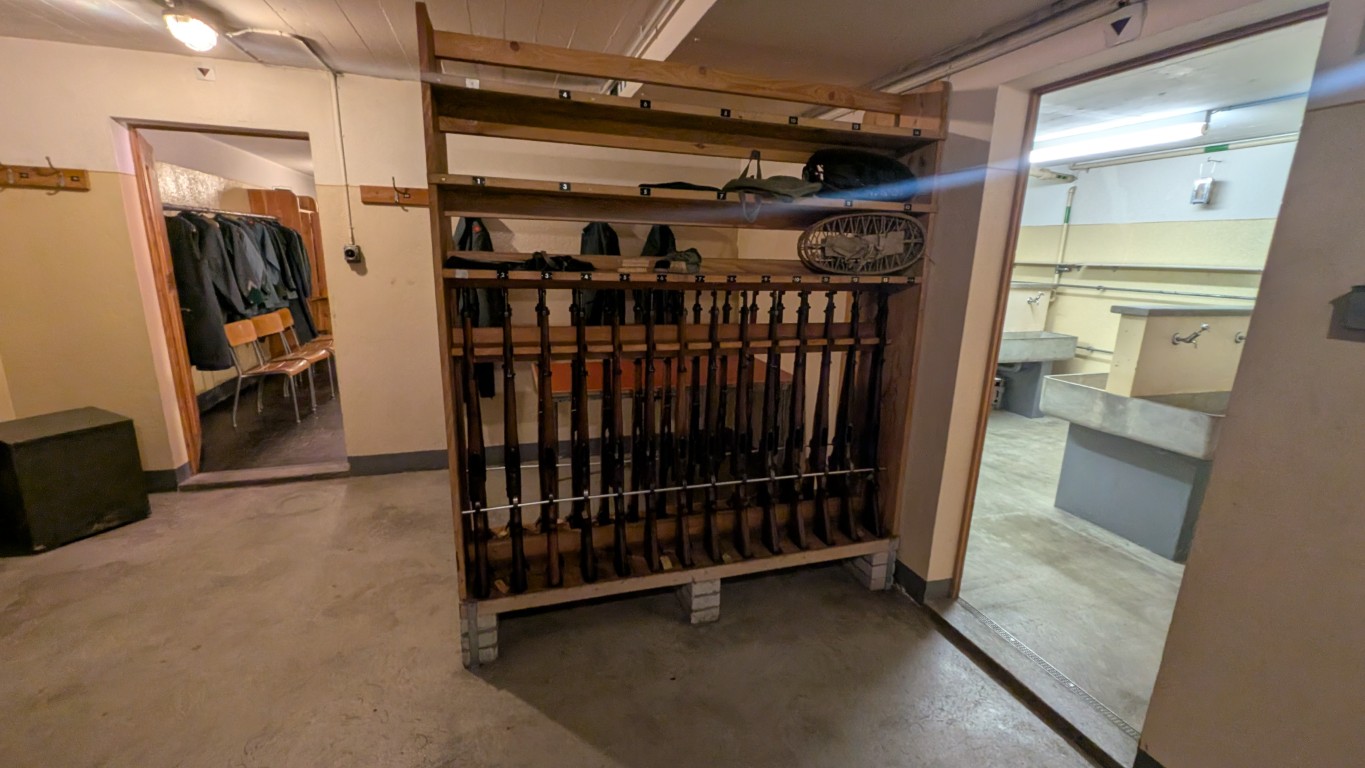
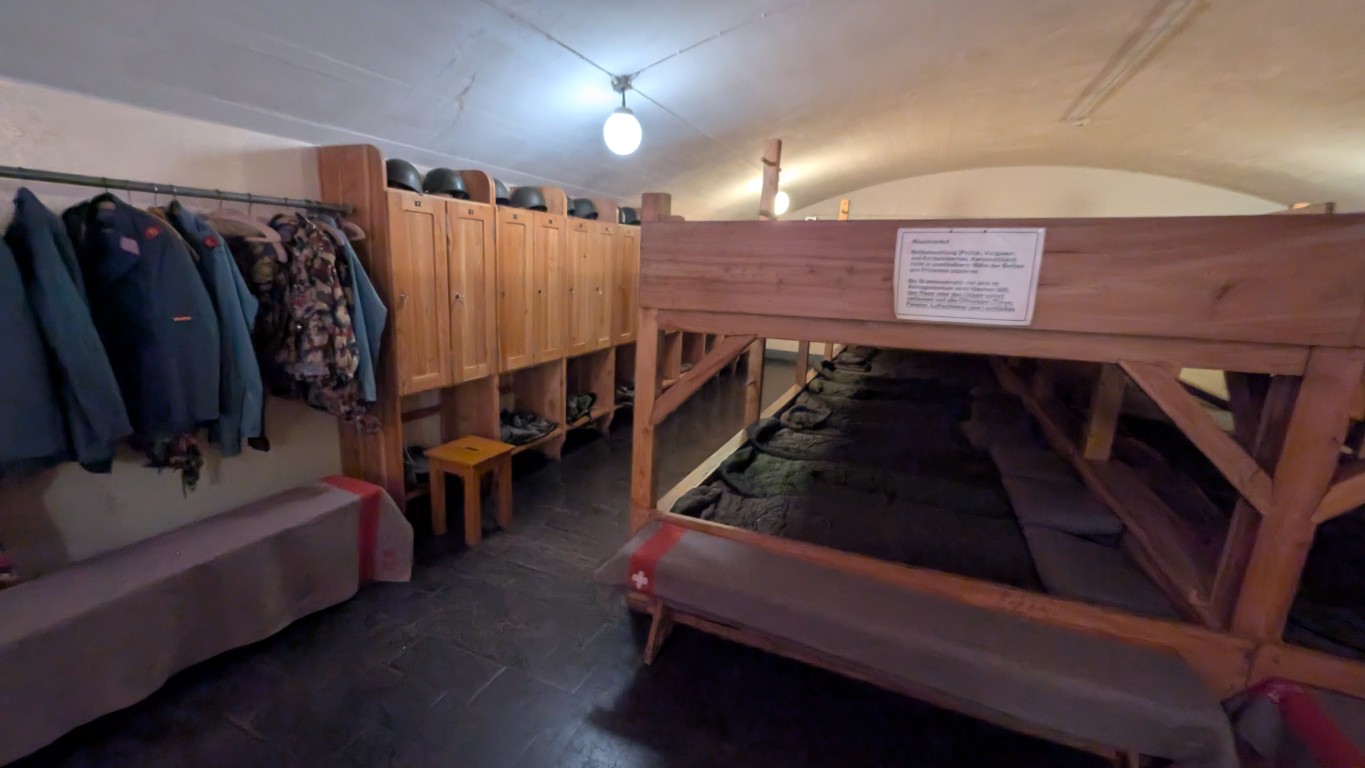
Soldiers had to sleep, eat, work, and wait here. There were accommodations, a kitchen, a medical bay, washing facilities, water reservoirs, and rooms for generating electricity. The facility was designed to function largely independently for extended periods.
One can imagine how different the world must have felt down here.
No horizon.
No sunrise.
No weather.
Only concrete, rock, artificial light and the dull echo of footsteps.
And somewhere overhead: the Gotthard Pass.
The mountain as a protective shield
The fascinating thing about Sasso da Pigna is therefore not only its military dimension.
That's the idea behind it.
Switzerland had not created a visible monumental building here. It had tried to merge with the mountain itself.
The fortress was to remain hidden, protected by hundreds of meters of rock and embedded in a landscape that appeared almost unchanged from the outside.
Thus, the Gotthard Pass became a gigantic shelter.
A fortress without walls.
A city without houses.
A world without windows.
From top-secret military facility to museum
For almost half a century, this world remained hidden from the ordinary eye.
The fortress was decommissioned in 1998. In 2012, the mountain opened to the public: the Sasso San Gottardo Museum was inaugurated on August 25th.
Today, the tour leads through the former rooms of the facility and combines military history with the history of the Gotthard.
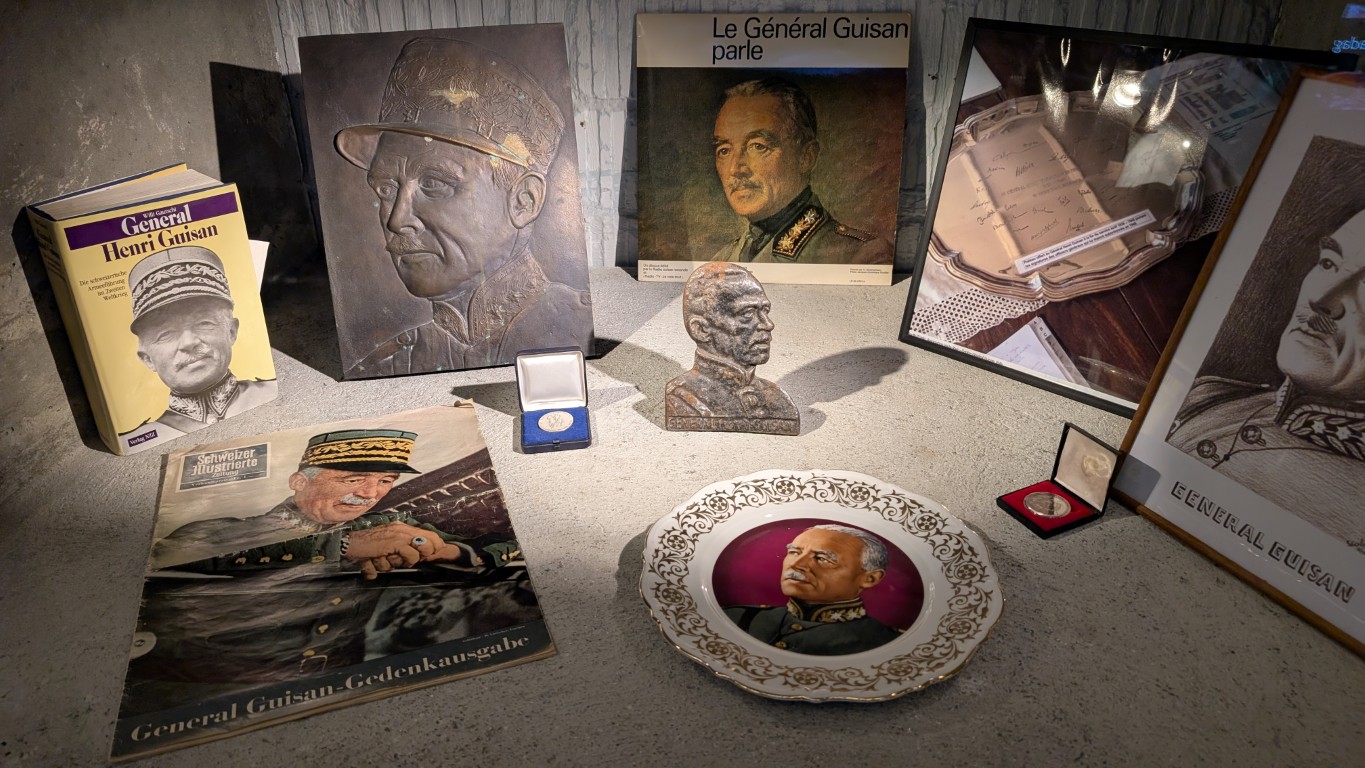
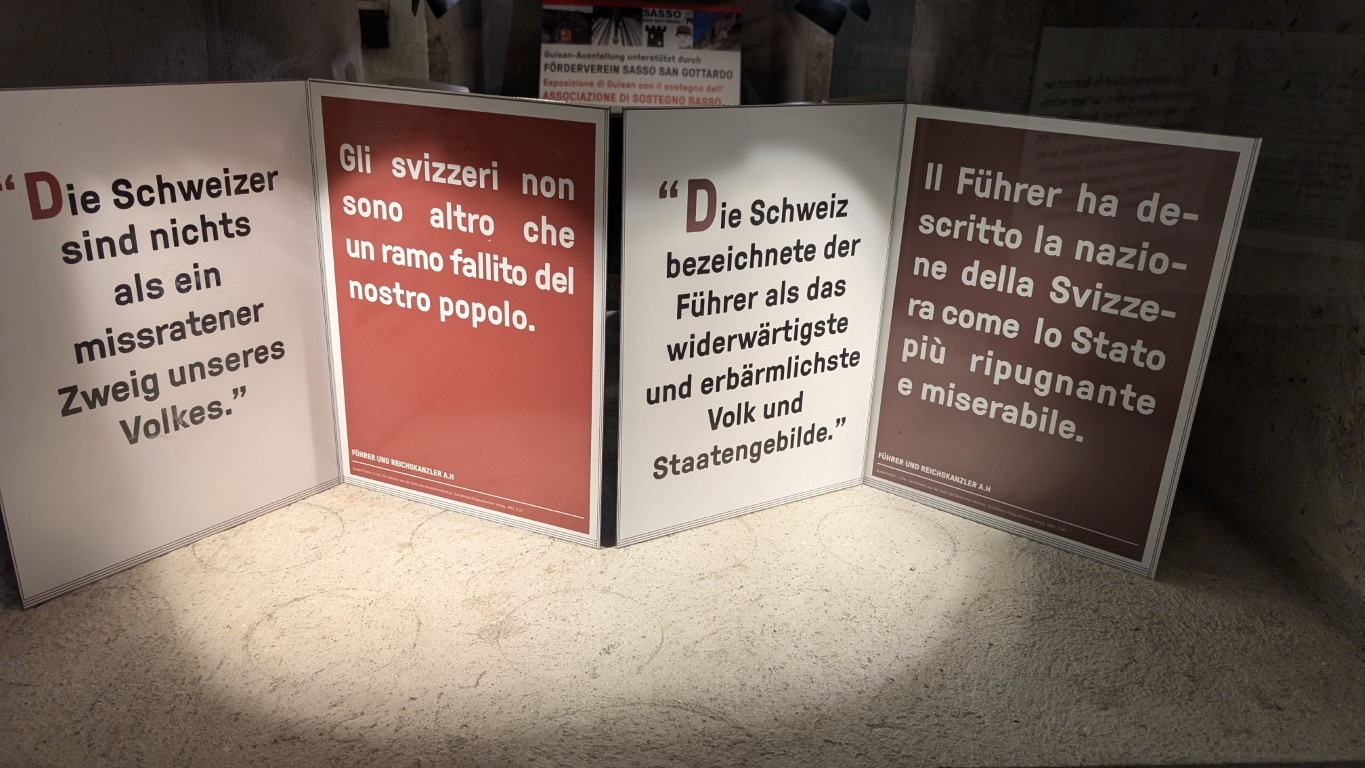
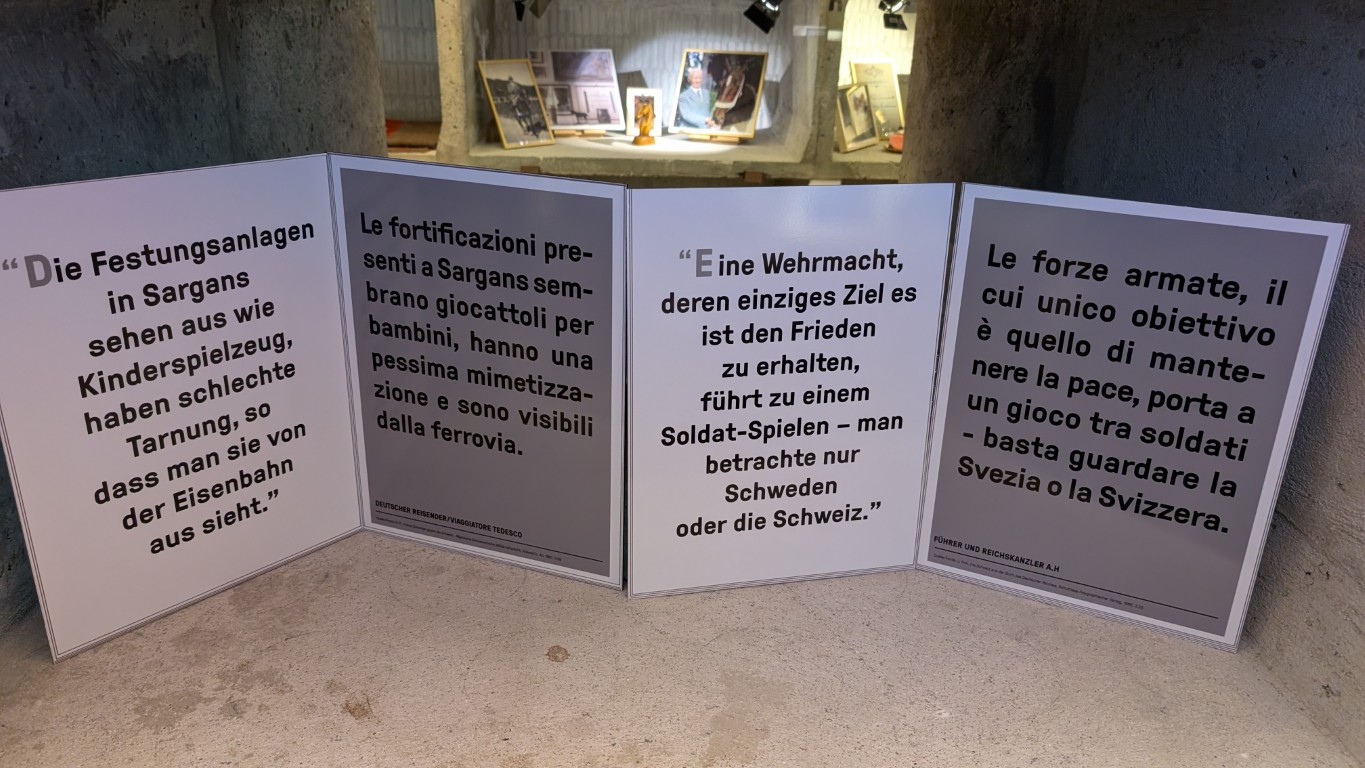
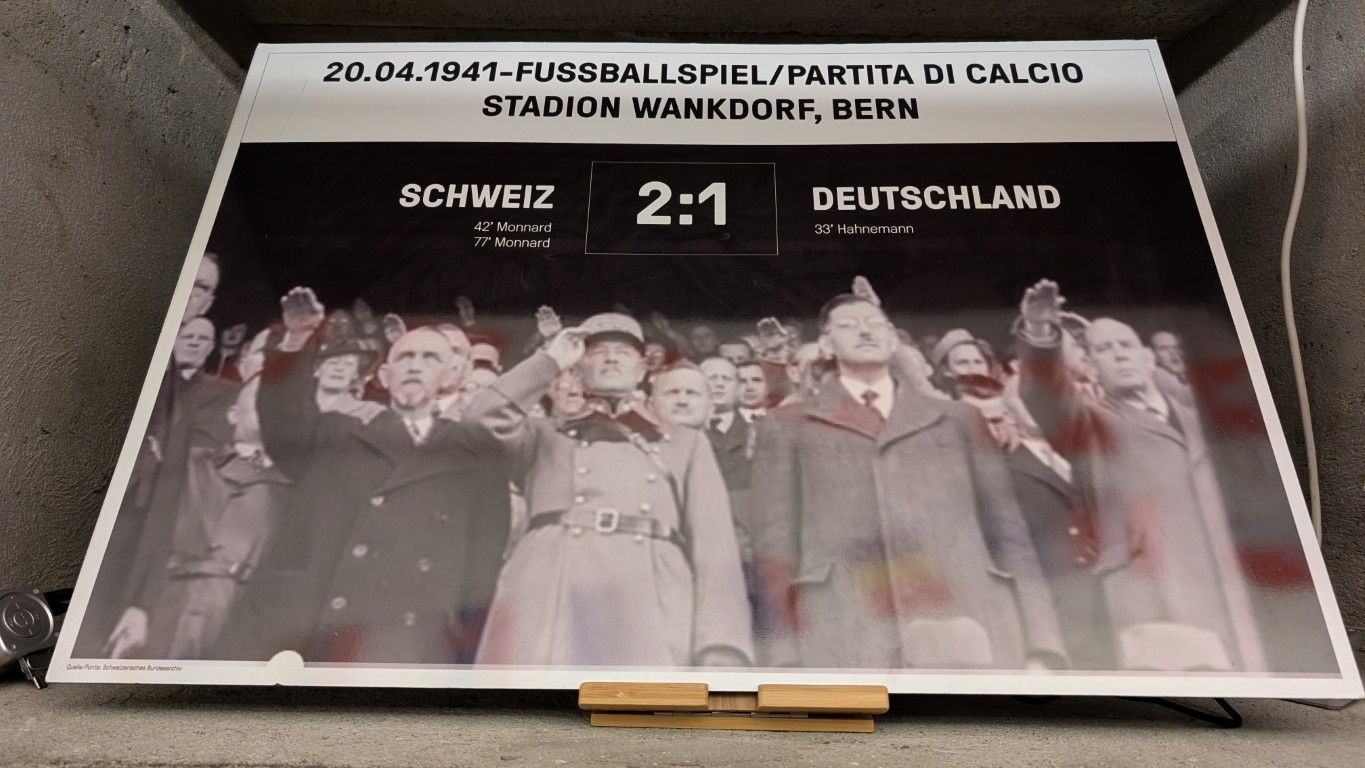
There is the historic fortress with troop quarters, fire control center, ammunition magazines and gun emplacements. In addition, there are exhibitions about the Cold War, General Guisan and the spiritual significance of the Gotthard Pass.
But the Gotthard Pass itself also becomes a topic here.
The myth of the pass, its stories and legends, Goethe's travels and the special significance of the mountain for Switzerland find their place inside the rock.
Take the metro into the mountain
The ride on the Metro del Sasso is particularly impressive.
Today, a funicular railway takes visitors through the mountain. Previously, this site housed a transport system for ammunition. Soldiers, on the other hand, had to climb 475 steps to overcome the approximately 80-meter difference in altitude.
The daylight slowly disappears.
The rock is getting closer.
And suddenly you find yourself in a place that defies the normal conception of space.
You don't just go to a museum.
You go into the mountain.
Between War and Crystals
It is precisely this contrast that makes Sasso San Gottardo so special.
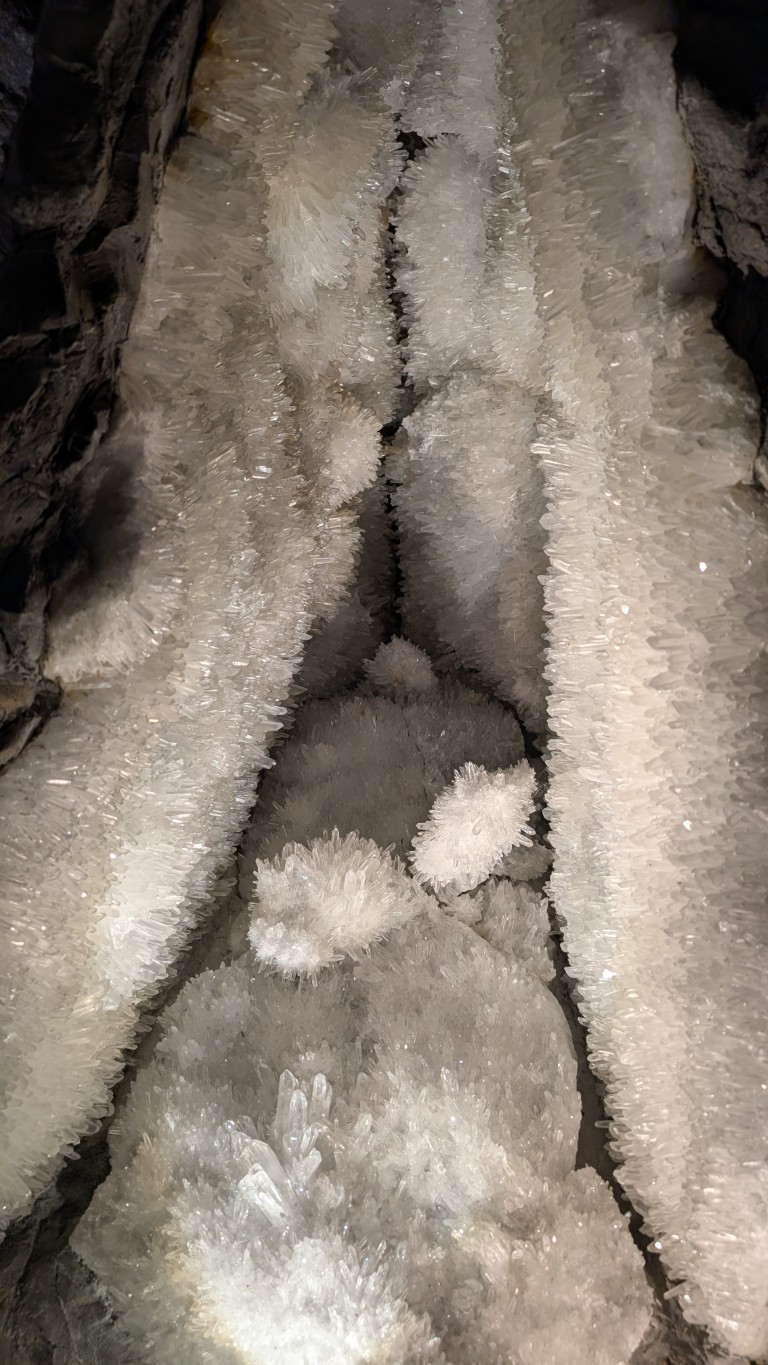
Beyond the military areas, visitors encounter a completely different side of the Gotthard. The Cabinet of Curiosities focuses on crystals and the mountain's treasures. The "Myth of the Gotthard" exhibition explores the massif's cultural and symbolic significance. Another exhibition is dedicated to Goethe's travels across the Gotthard.
And somewhere in between, this thought always remains:
The mountain, which for centuries was perceived as a force of nature, a transport route, a myth and a border, became a fortress itself in the 20th century.
People have worked their way into him.
They blasted passages through its rock, created rooms, and hid weapons within them.
And today, people come here again to discover exactly this story.
When the mountain begins to tell its story
Perhaps that's why Sasso San Gottardo is more than just a museum.
It is an encounter with a hidden side of Switzerland.
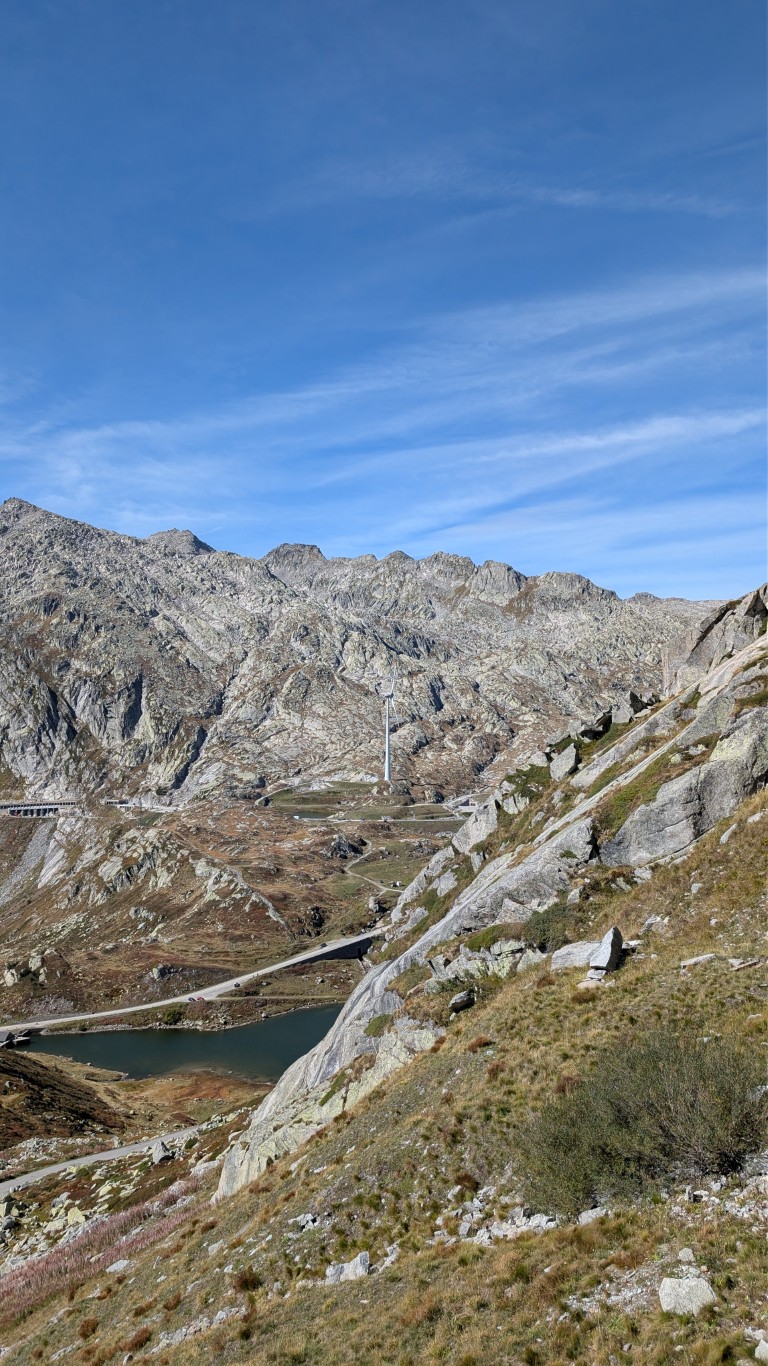
At the top of the pass, the landscape lies open before you. Clouds drift over the peaks, the light wanders across the rocks, and sometimes there is still snow when it is long past summer in the valley below.
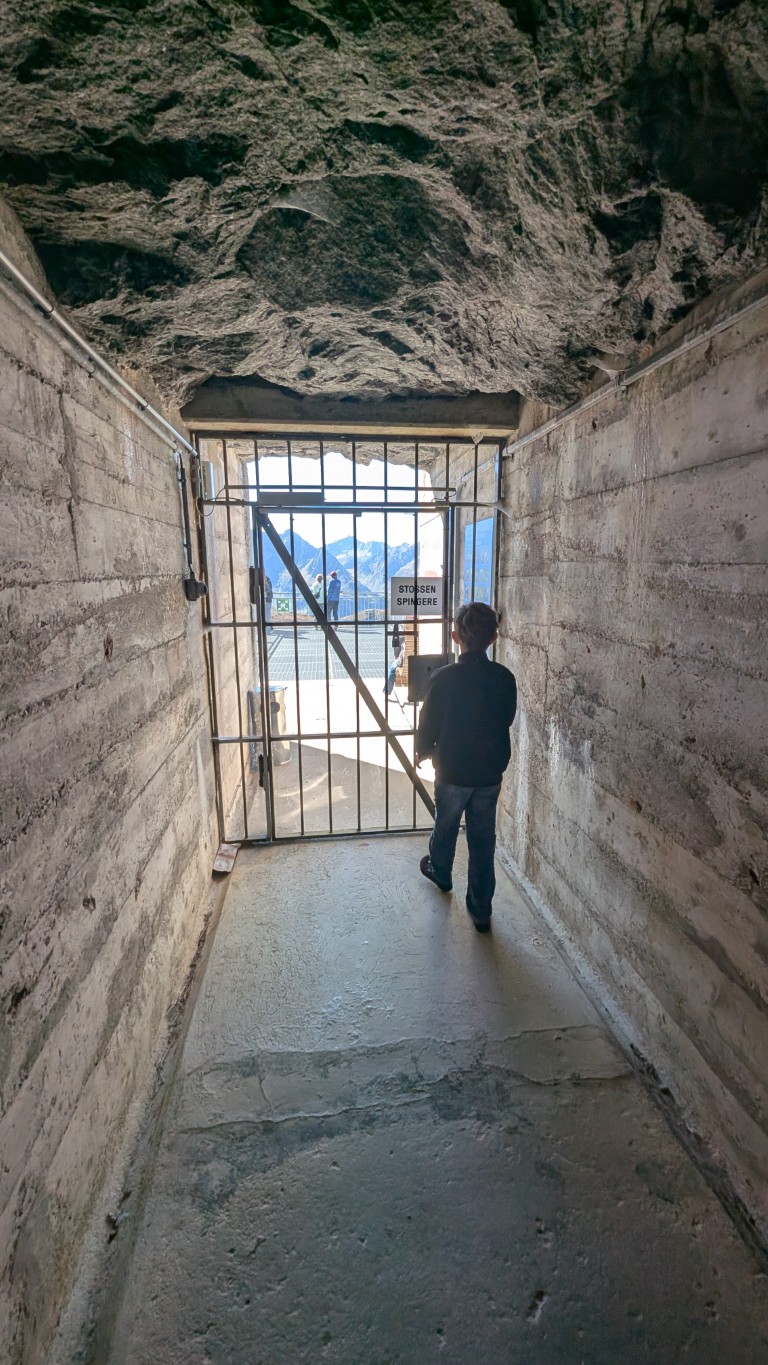
A few meters further on, you disappear into the mountain.
It's quiet down there.
The old tunnels lead ever deeper. Doors open to rooms where soldiers once performed their duties. Heavy metal doors, ammunition magazines, and gun emplacements tell of a time when it was believed this mountain had to be defended against war.
Then you step back outside.
The light is blinding.
The sky suddenly seems to expand.
And the Gotthard Pass looks the same as before.
But now we know that an entire world lies hidden inside him.
A world of rock and steel, of fear and hope, of military precision and the ancient myth of this unique Alpine pass.
Sasso San Gottardo – a mysterious place where the mountain preserves history.