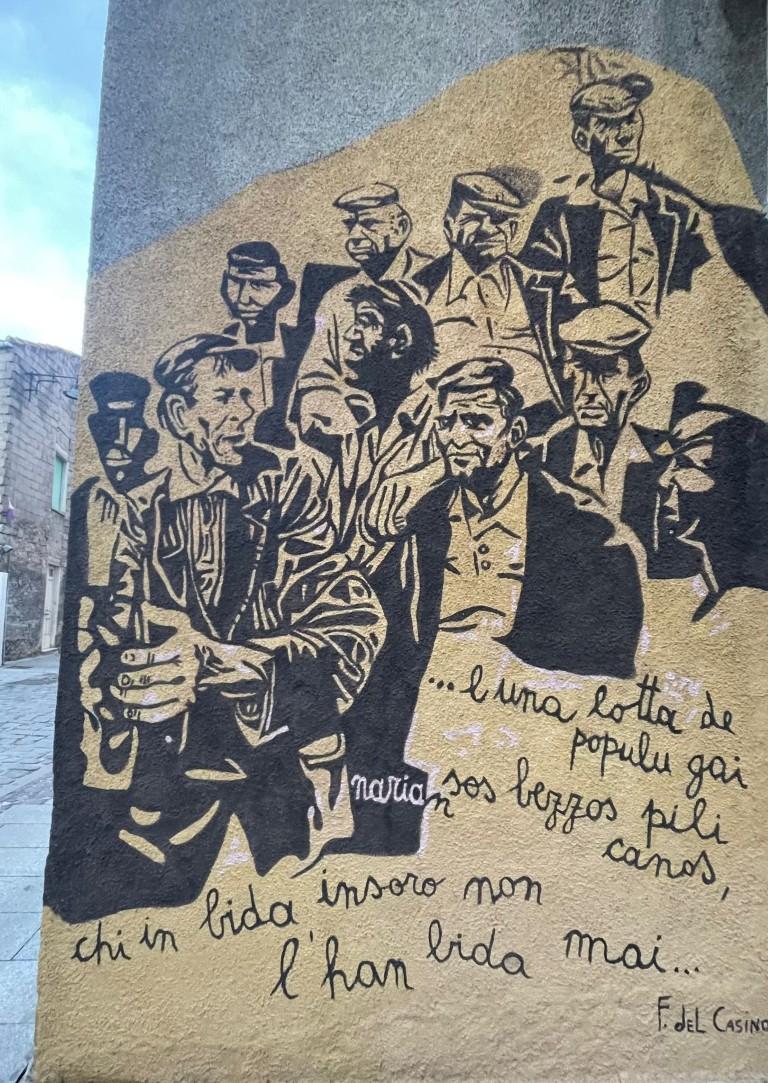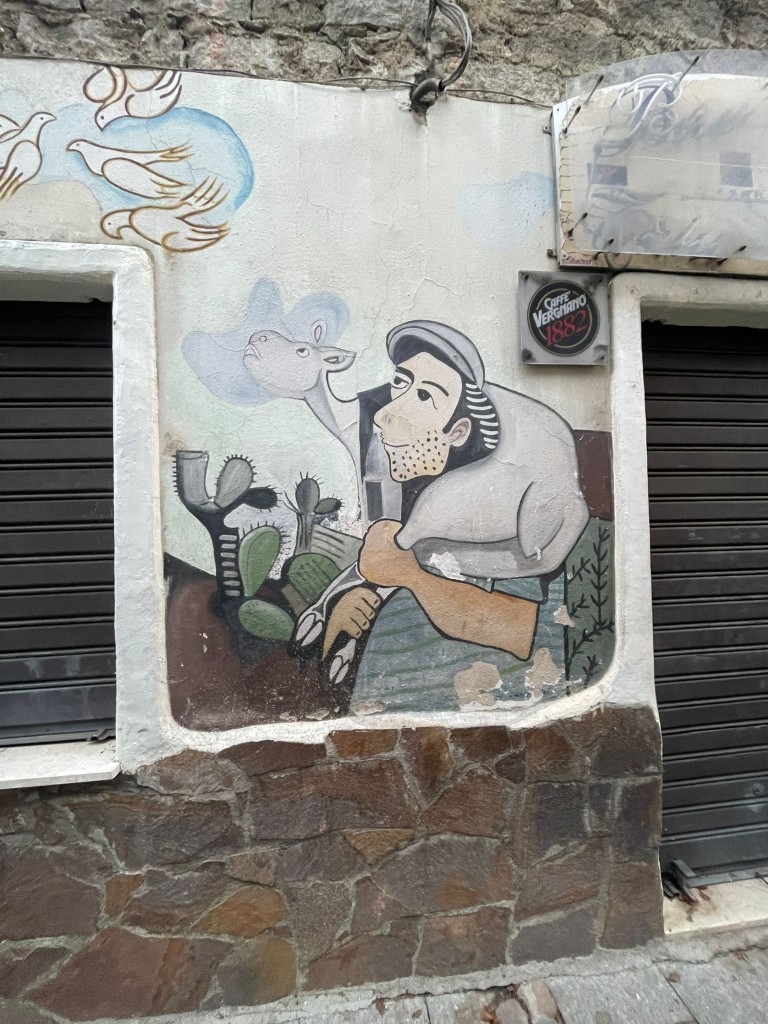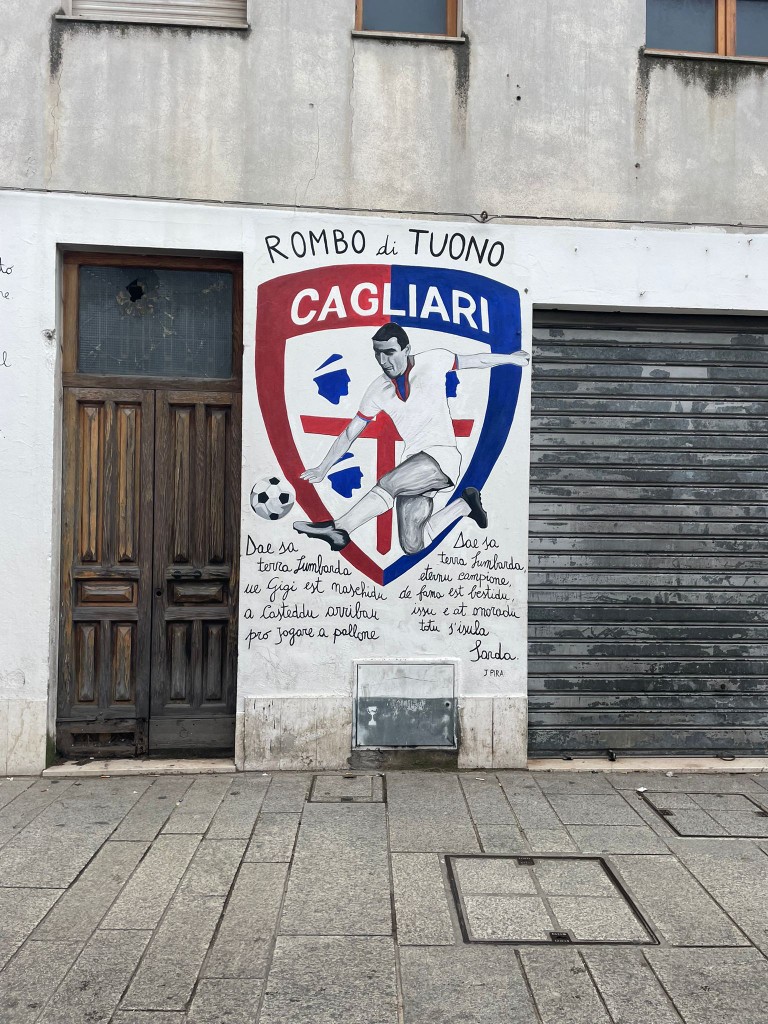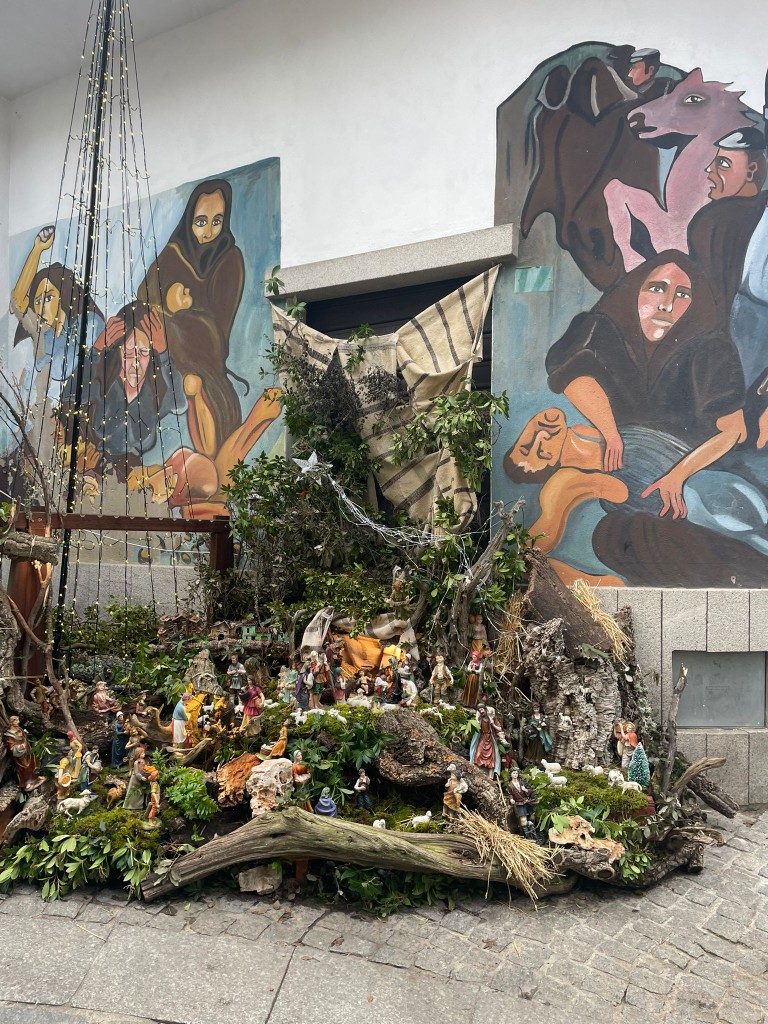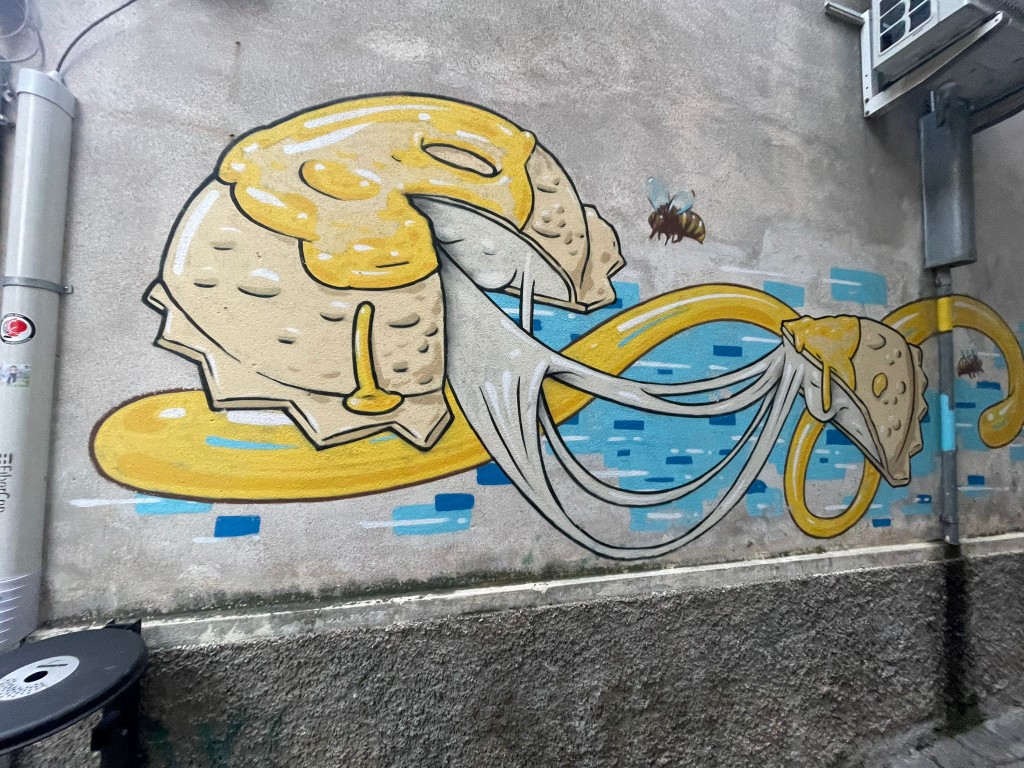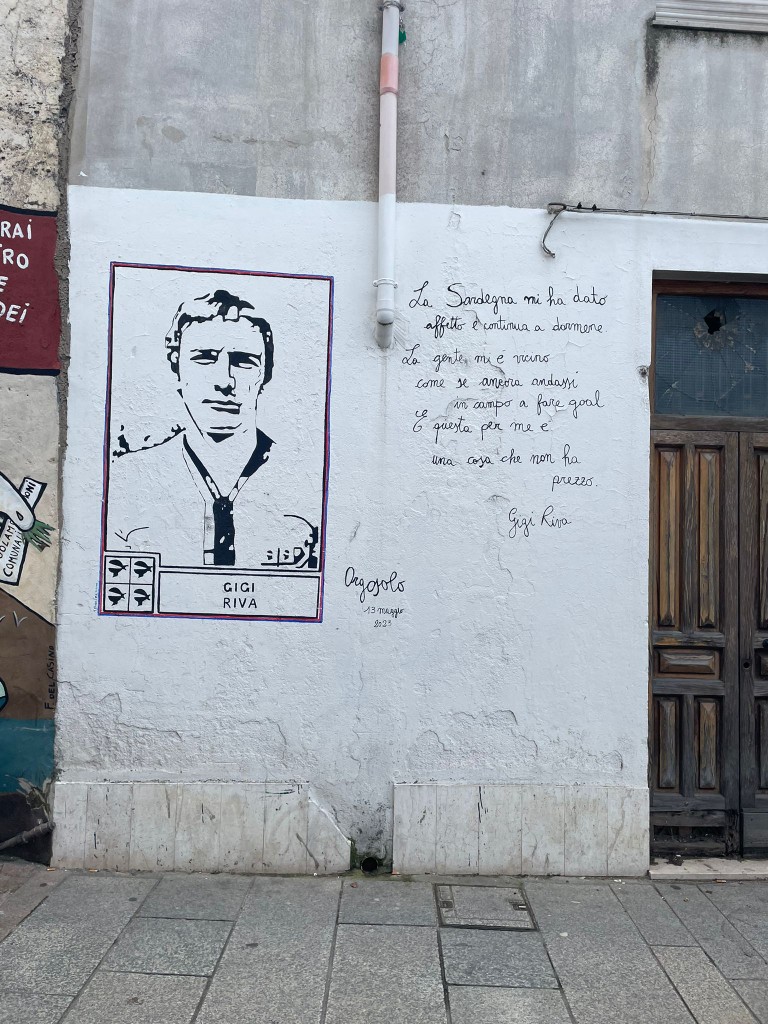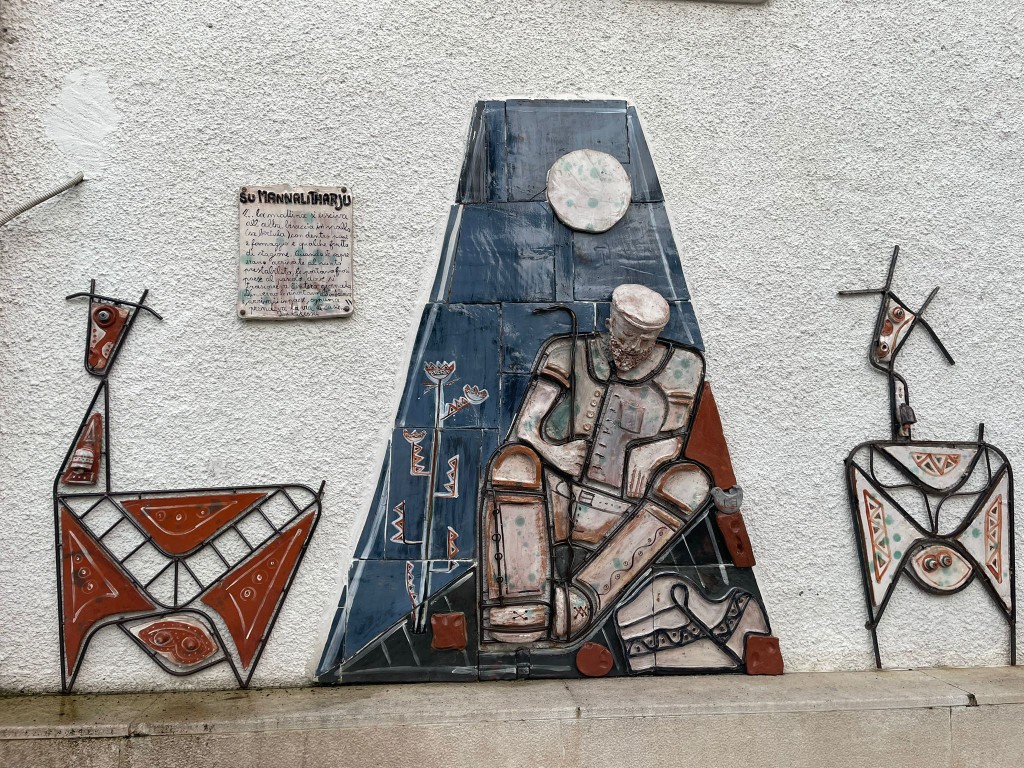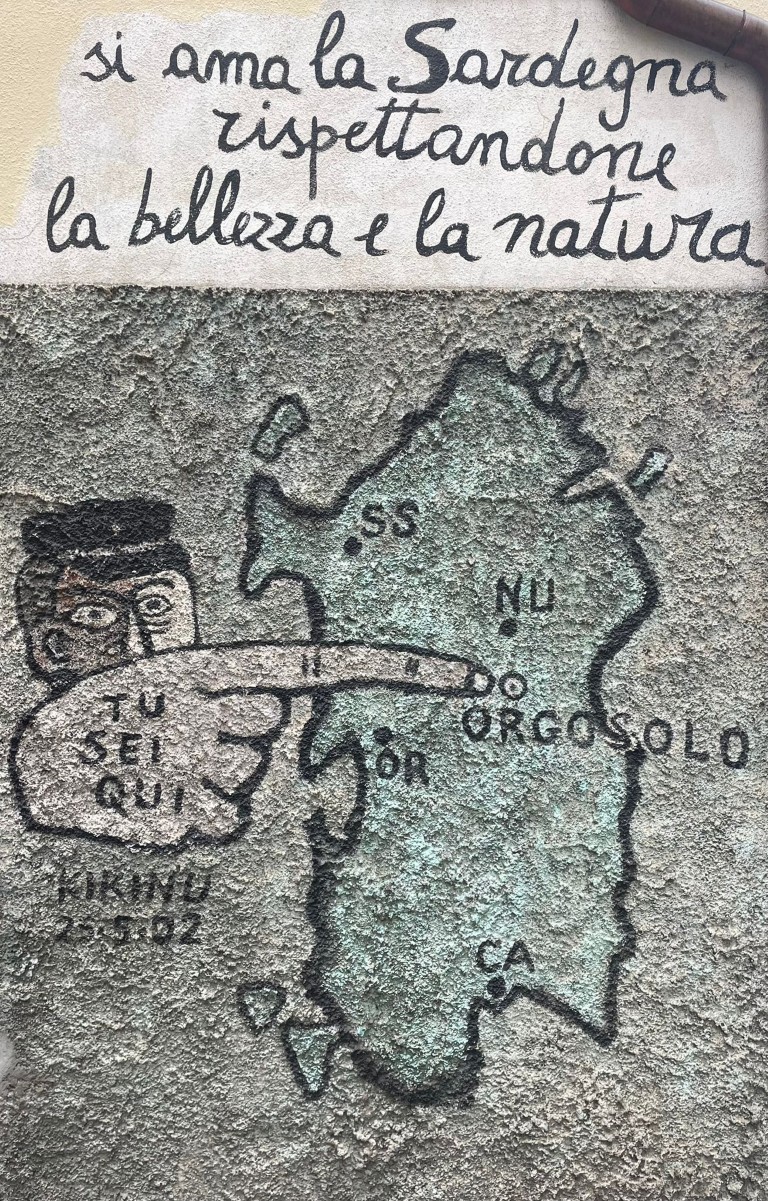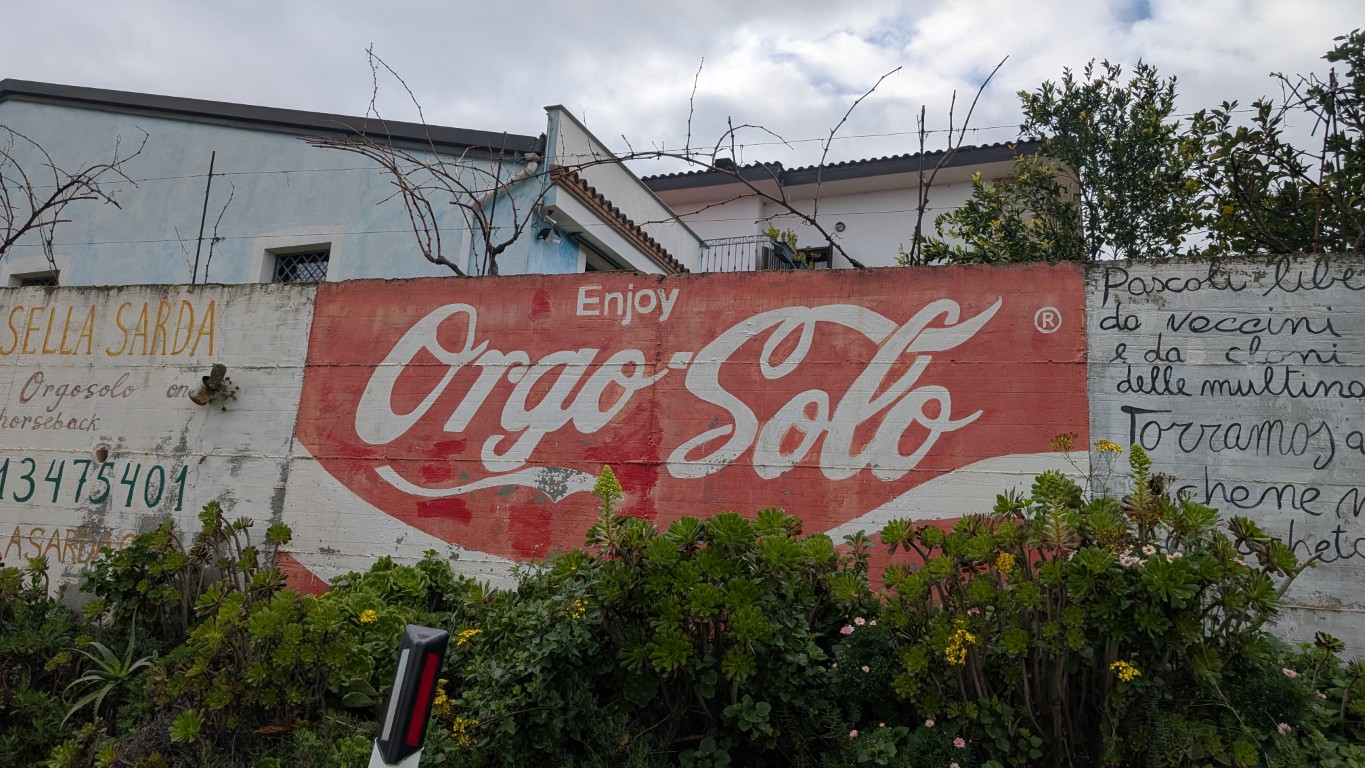
Nestled in the rugged heart of the Barbagia region lies Orgosolo, a village renowned far beyond Sardinia for its extraordinary murals. Strolling through its narrow streets is not simply a journey through a town, but a living archive of color, protest, memory, and identity. More than 150 murals now define the townscape, making Orgosolo the unofficial "capital" of Sardinian mural painting.
Art as political expression
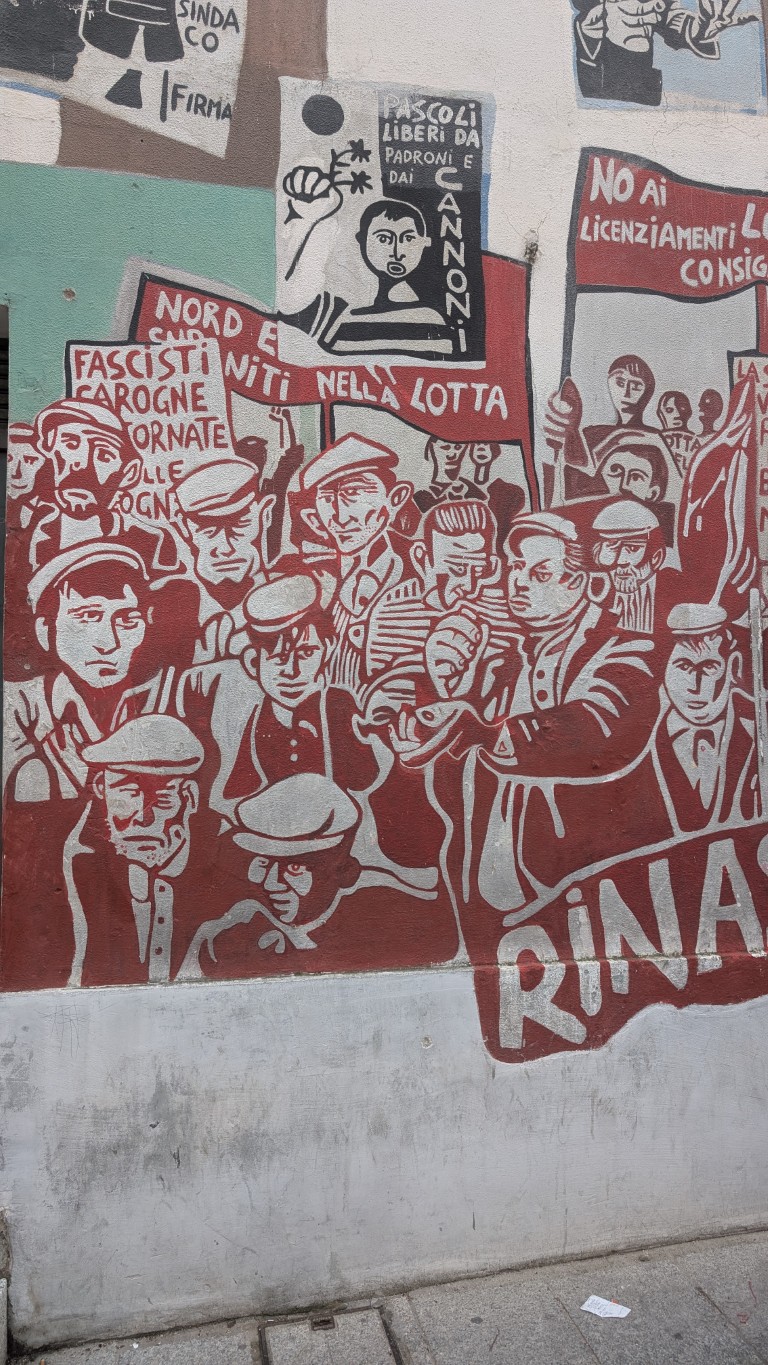
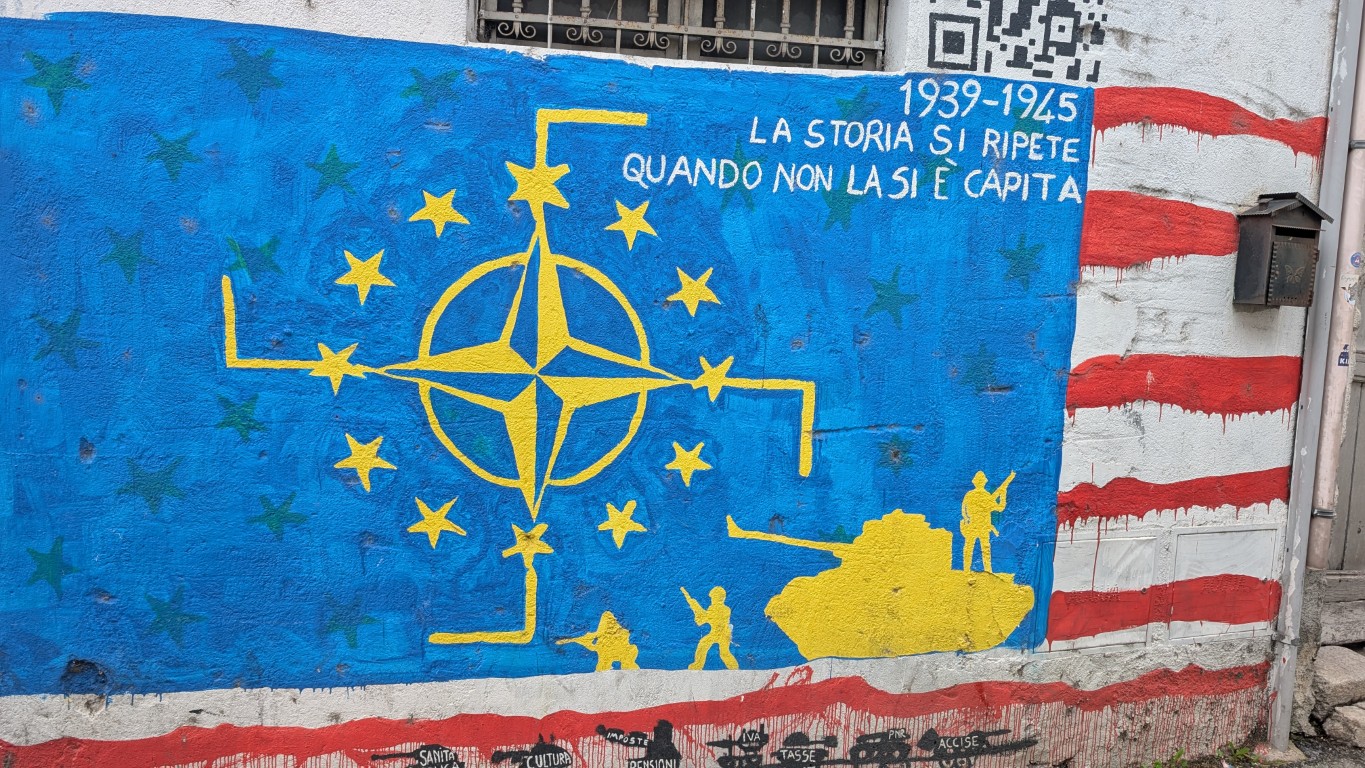
The history of murals begins in the late 1960s. The first mural was created in 1969 and was an explicitly political act – produced by an anarchist artists' group calling themselves "Dioniso." In the years that followed, teachers, students, local artists, and political collectives adopted this form of expression. The 1970s and 1980s were particularly formative, as many murals addressed themes such as resistance, social injustice, land conflicts, and the harsh lives of pastoralists.
Orgosolo has long been a symbol of resistance and independence – this attitude is clearly reflected in the murals. Many of the murals refer to historical events such as the Italian resistance against fascism, but also to international themes, from labor movements to global conflicts.
From protest to everyday culture
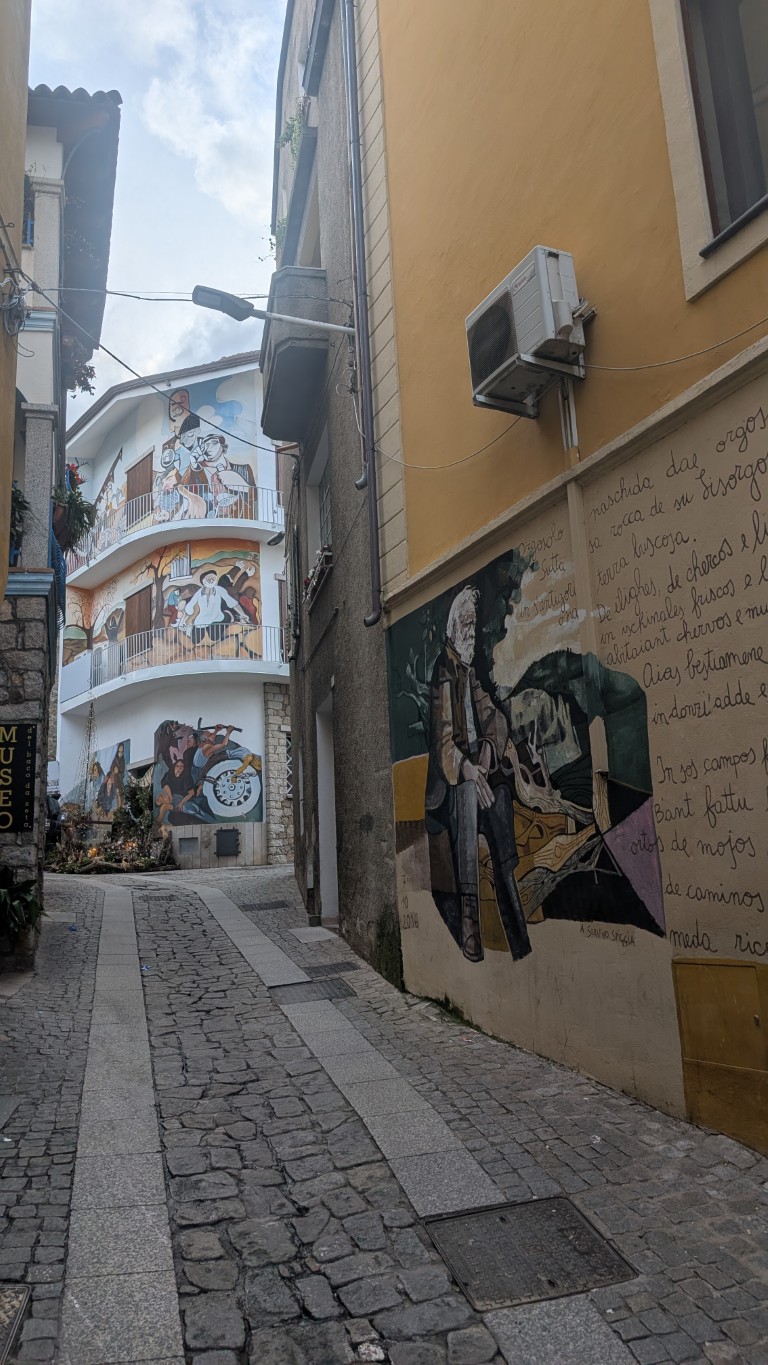
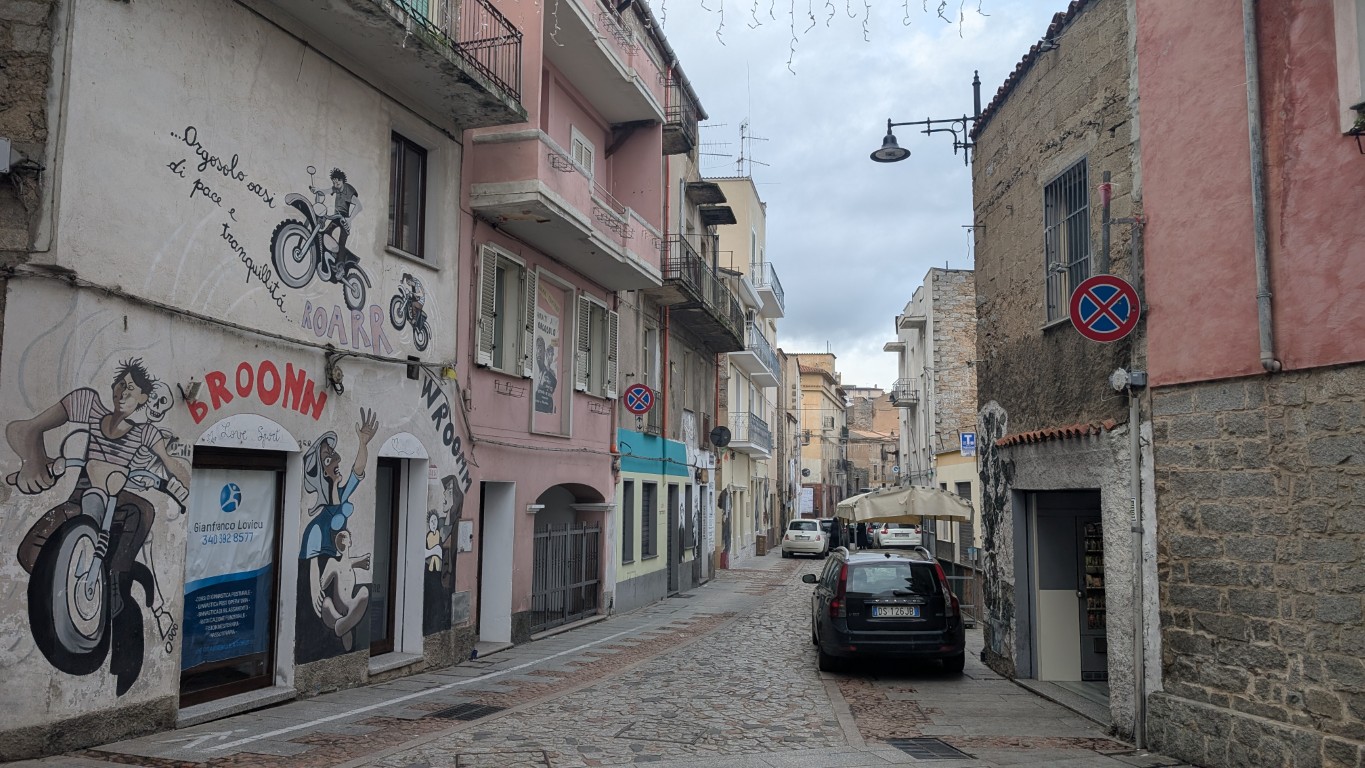
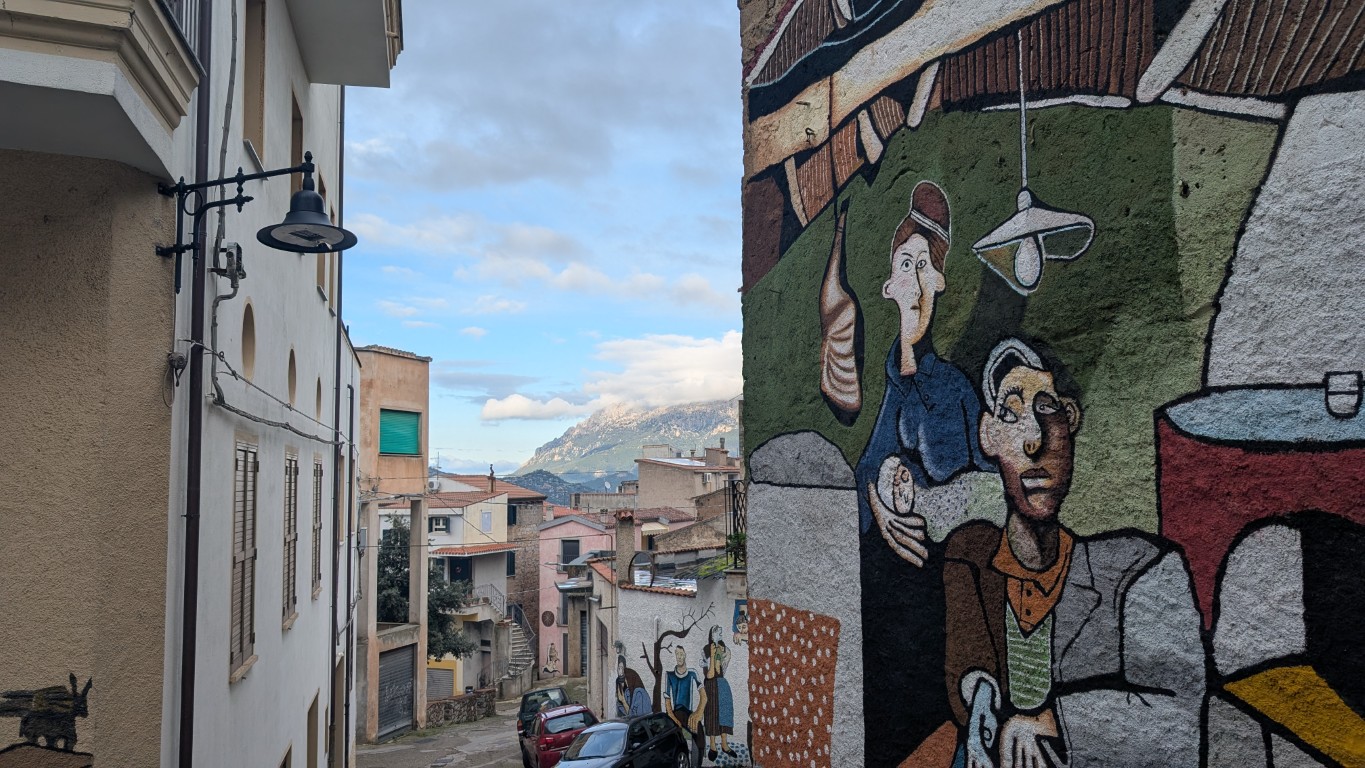
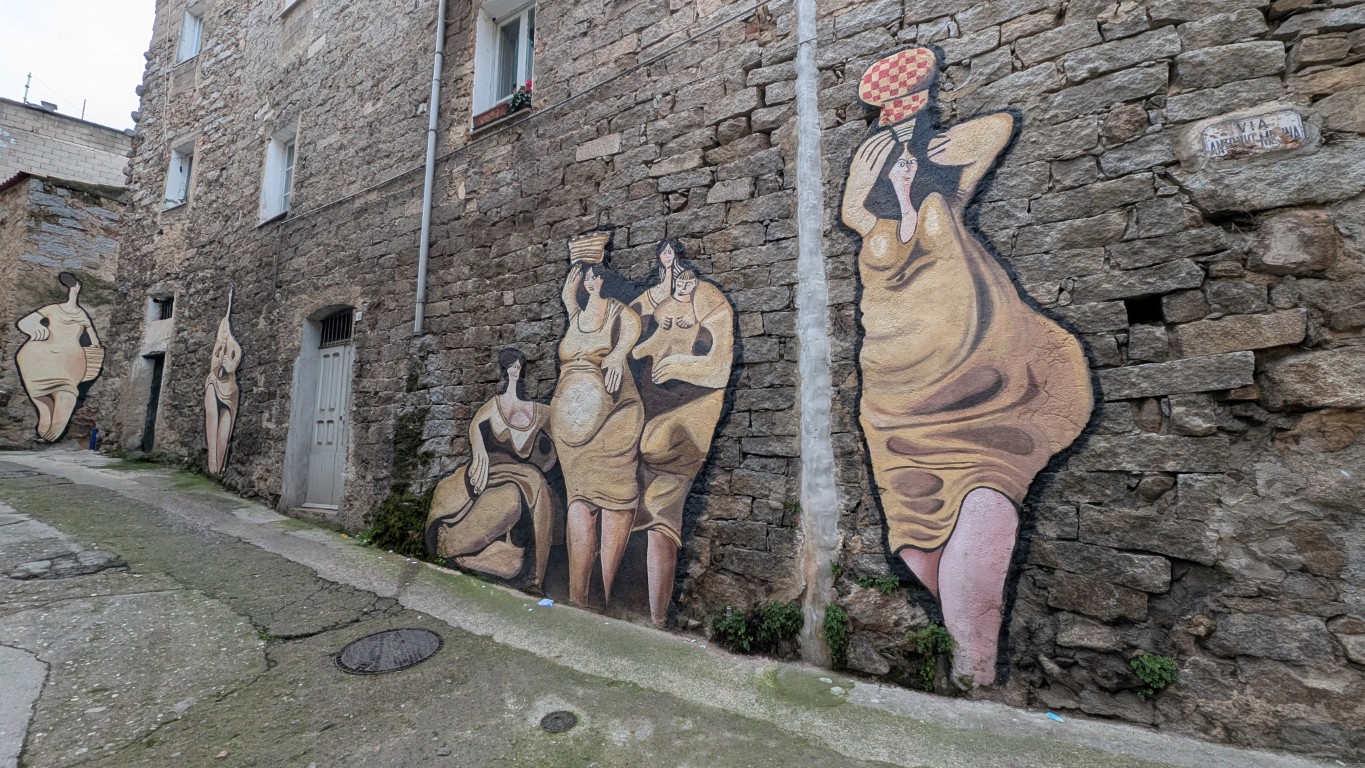
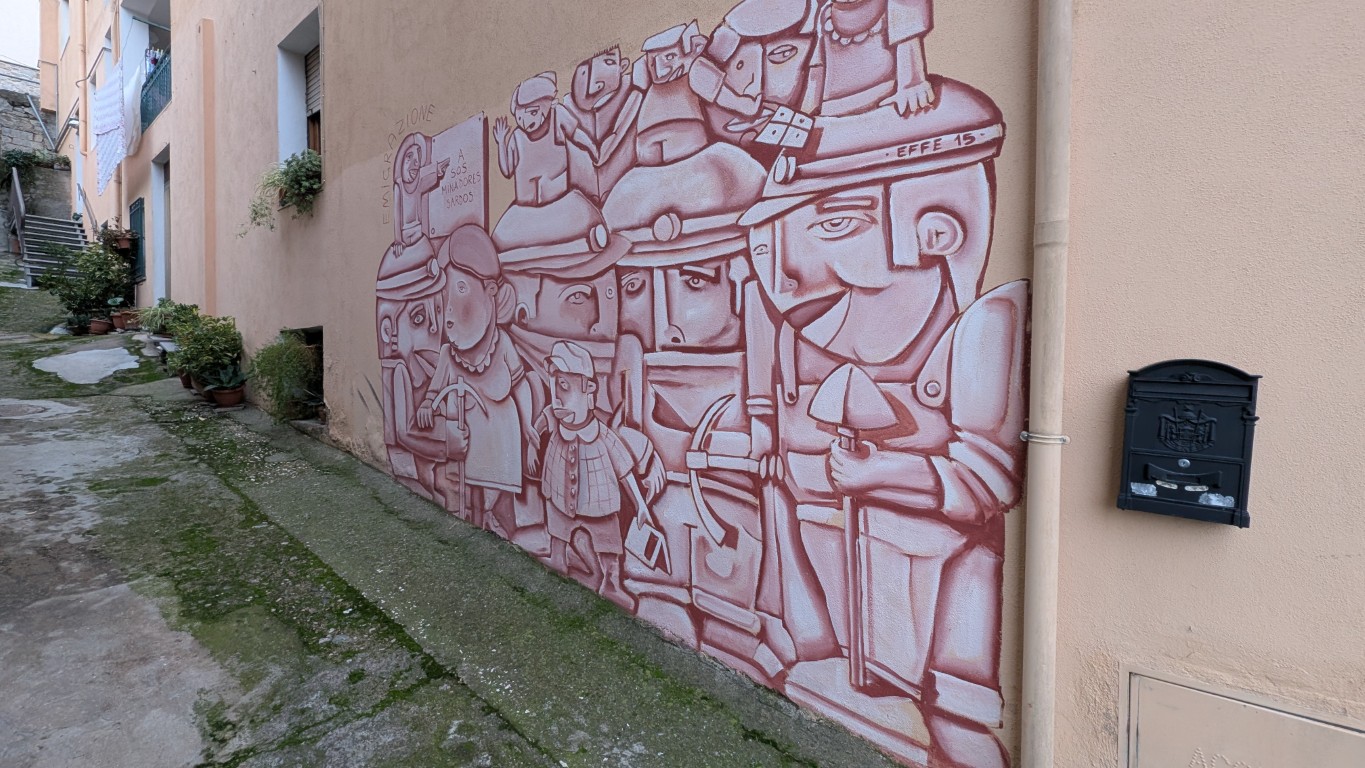
With societal change, the character of murals also changed. While early works were often dramatic, politically charged, and created collectively, later murals became more narrative and serene. They depict scenes of everyday life, festivals, shepherds at work, village communities, and traditional ways of life. Mural painting thus evolved from a clear instrument of protest to a visual chronicle of Sardinian culture.
Transience as part of the concept
Technically, the murals are deliberately simple. They are mostly painted with water-based paints, the kind usually intended for indoor use. Wind, sun, and rain take their toll – and that's precisely part of the idea. The images aren't meant to last forever. They remain as long as the village community accepts them. If a motif is painted over or fades, it disappears from memory and makes room for something new. Art as a collective process, not as a museum piece.
Variety of styles
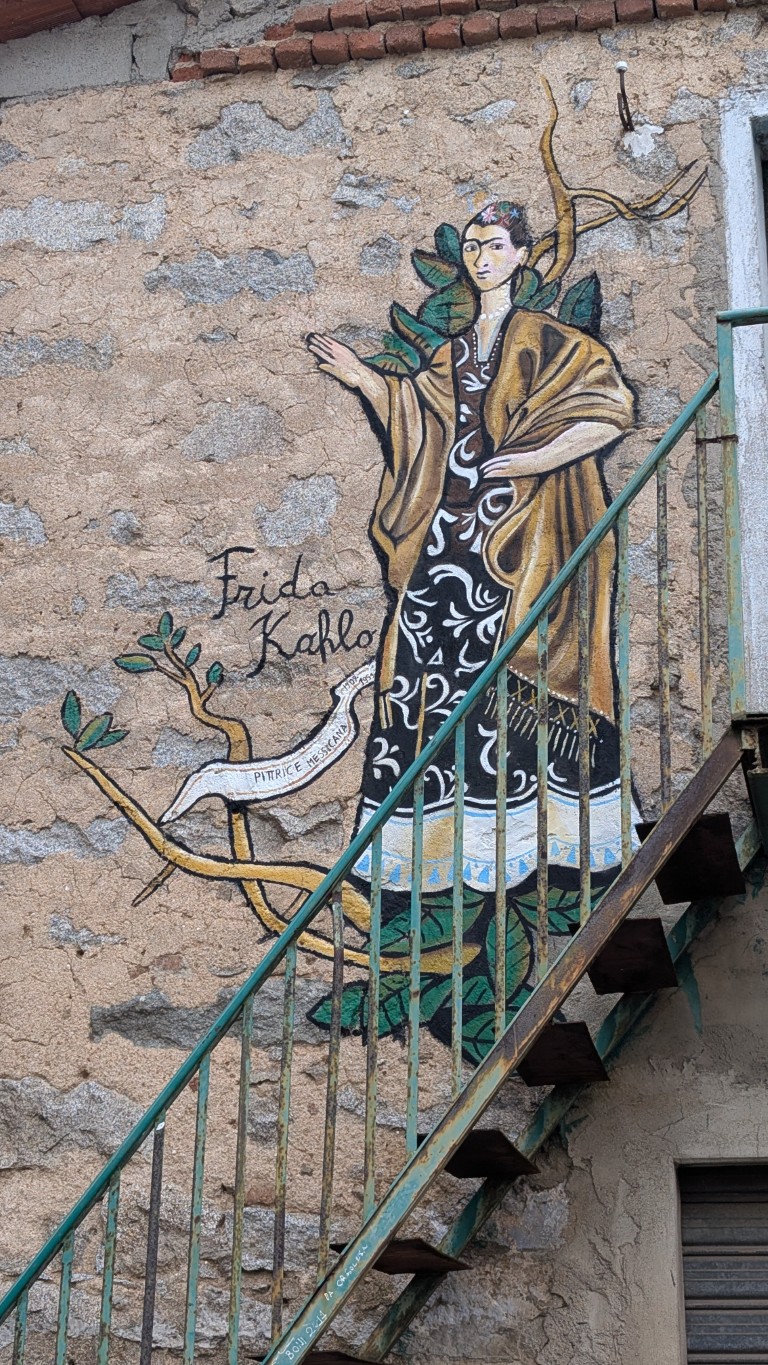
A stroll through Orgosolo is also a journey through diverse art styles. From naive painting to realism, and from impressionistic to hyperrealistic approaches, everything is represented. Many works are anonymous, others can be attributed to well-known Sardinian artists – but what matters less is individual fame than the collective message.
Orgosolo and Sardinia
Although Orgosolo is the most famous example, mural painting did not remain an isolated phenomenon. Places like San Sperate, Villamar, Serramanna, and Carbonia embraced the idea and developed their own visual narratives. Together, they form a Sardinian network of public art reminiscent of ancient wall drawings, Mexican revolutionary paintings, and modern street art.
A village that speaks
The murals of Orgosolo are more than just a tourist attraction. They are voices on the walls, a collective memory and an expression of a community that tells its own story. Those who take the time to read the images quickly understand: Orgosolo doesn't present Sardinia as a postcard, but as a vibrant, sometimes contradictory, but always proud cultural space.